

Maddy summaryHR 6285, the Alaska’s Right to Produce Act of 2023, requires the federal government to reissue canceled oil and gas leases on six specific tracts (16, 17, 24, 26, 27, and 30) in Alaska’s Coastal Plain. It mandates the Secretary of the Interior to accept the highest valid bids from January 2021 within 30 days and issue leases by December 2024, while blocking new environmental reviews for the program. The bill also nullifies federal actions that paused leasing, including a 2023 BLM rule and a 2021 Secretarial Order, and restricts judicial review of related approvals. This directly affects oil companies that bid on the canceled leases and the Bureau of Land Management, requiring them to proceed under the 2020 Record of Decision.
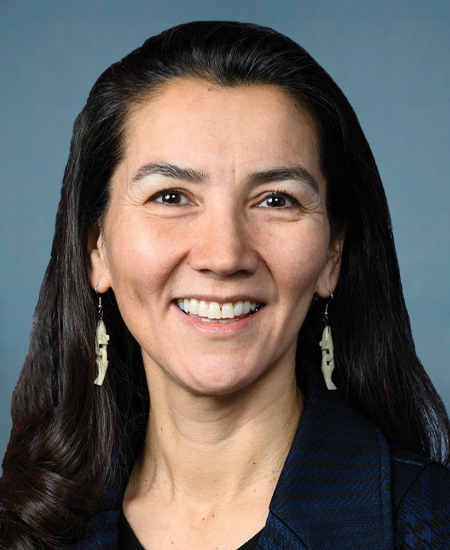
Rep. Mary Sattler Peltola
Sponsored bills
Maddy summaryThis bill requires the Secretary of the Interior to reissue six previously canceled oil and gas leases (tracts 16, 17, 24, 26, 27, and 30) in Alaska’s Coastal Plain within 30 days of enactment, using the terms and conditions from the 2020 Record of Decision. It directs federal agencies to reinstate all related permits, approvals, and environmental clearances for the leasing program and withdraws a proposed rule (88 Fed. Reg. 62025) that had paused leasing activities. The bill also nullifies Executive Order 13990 and Secretarial Order 3401 that had halted leasing, and blocks courts from reviewing agency actions related to the program. Note: The bill’s title mentions "Fisheries Protection," but the text contains no provisions addressing fisheries.
Maddy summaryHR 4389, the Migratory Birds of the Americas Conservation Enhancements Act of 2023, amends the Neotropical Migratory Bird Conservation Act to increase federal funding for conservation projects from 25% to 33.3% of eligible costs. It extends the authorization period for funding through 2028 and requires the Secretary to submit a report to Congress on collaboration efforts with partners. This bill directly affects conservation organizations, state governments, and local groups that receive federal funds to protect migratory birds traveling between the U.S. and the Neotropics (Central and South America, Caribbean). The changes provide more stable financial support and accountability for existing bird conservation programs.
Maddy summaryHR 8061, the Crime Victims Fund Stabilization Act of 2024, ensures stable funding for the Crime Victims Fund by directing certain False Claims Act collections into it from 2024 through 2029. Specifically, it adds a provision requiring that amounts collected under the False Claims Act (excluding whistleblower rewards and government reimbursement for damages) be deposited into the fund during this period. This directly affects crime victims who rely on the fund for services like counseling and emergency aid, as it prevents potential shortfalls in funding. The bill makes a concrete policy change by redirecting specific federal civil penalties into the fund, rather than altering the fund's existing purposes or eligibility rules.
Maddy summaryHR 5917, the "Strengthening Tools to Counter the Use of Human Shields Act," expands sanctions against foreign individuals and entities that direct the use of civilians as human shields. It specifically adds members or agents of Palestine Islamic Jihad (PIJ) to the list of targets for sanctions when they order or control civilians to shield military objectives. The bill requires the President to justify sanction decisions to Congress within 120 days and extends the sunset date for related sanctions from 2023 to 2030. Additionally, it mandates a Department of Defense report within 120 days detailing strategies to counter human shield tactics used by groups like Hamas and PIJ, including plans for international coordination.
Maddy summaryHR 5530, the VA Emergency Transportation Access Act, prevents the Department of Veterans Affairs (VA) from lowering payment rates for specialized transportation used by veterans and eligible individuals (like ambulances or wheelchair vans) without strict requirements. It mandates that any rate change that could reduce access to care must first undergo a detailed review analyzing economic impacts on the VA and transportation industry, and ensure the new rate covers actual costs. The VA must also develop a formal process for rate changes and consult with industry experts, veterans' groups, and healthcare agencies before implementing such changes. This bill directly affects veterans relying on specialized transportation for medical care, particularly those in rural or underserved communities, by safeguarding their access to necessary emergency transport services.
Maddy summaryThe Love Lives On Act of 2023 modifies benefits for surviving spouses of military veterans and service members. It removes an expiration date on the Marine Gunnery Sergeant John David Fry Scholarship for surviving spouses, ensures remarriage doesn't automatically end eligibility for veterans' dependency and indemnity compensation, and expands access to commissary and exchange privileges for remarried surviving spouses. The bill also clarifies that remarried widows or widowers whose subsequent marriage ended (due to death, divorce, or annulment) can still be considered dependents under TRICARE. These changes directly affect surviving spouses of veterans and military members who have remarried or are considering remarriage, providing more consistent benefits regardless of marital status.
Maddy summaryThis bill creates a new federal tax credit for family child care providers who operate from their primary residence and hold state licenses. It allows qualifying providers to claim up to $5,000 in startup costs per year, including licensing fees, supplies, insurance, safety equipment, furniture, and required home renovations. The credit applies only once per provider (no repeat claims) and expires after 7 years. It directly benefits small-scale, licensed family child care providers serving at least two non-family children, aiming to reduce their initial business setup costs.
Maddy summaryHR 7944, the Water Systems PFAS Liability Protection Act, exempts public water systems, wastewater treatment facilities, and related entities from liability under federal environmental law for PFAS releases, provided they follow all applicable laws during water treatment and disposal. The bill protects these "protected entities" from lawsuits seeking cleanup costs or damages related to PFAS, as long as their actions were consistent with current regulations during water management. However, entities remain liable if they acted with gross negligence or willful misconduct in handling PFAS.
Maddy summaryThe TERRA Act (Tribal Environmental Resiliency Resources Act) allows Indian Tribes to integrate funding from multiple Federal environmental and disaster-related programs into a single comprehensive plan to address threats like flooding, erosion, wildfires, and sea level rise. It streamlines processes by reducing administrative burdens through consolidated reporting requirements, enabling Tribes to create one annual report instead of multiple reports for individual programs, and allowing reallocation of funds for community-driven relocation or environmental remediation without additional approvals. The Act establishes the Department of the Interior as the lead agency with sole authority to approve these plans and integrate Federal programs, while providing mechanisms for Tribes to request waivers of certain statutory requirements and expedite land trust acquisitions for relocation purposes. Tribes can use integrated funds for infrastructure development, environmental remediation, and community-driven relocation, with reduced requirements for separate recordkeeping and reporting for each Federal program.