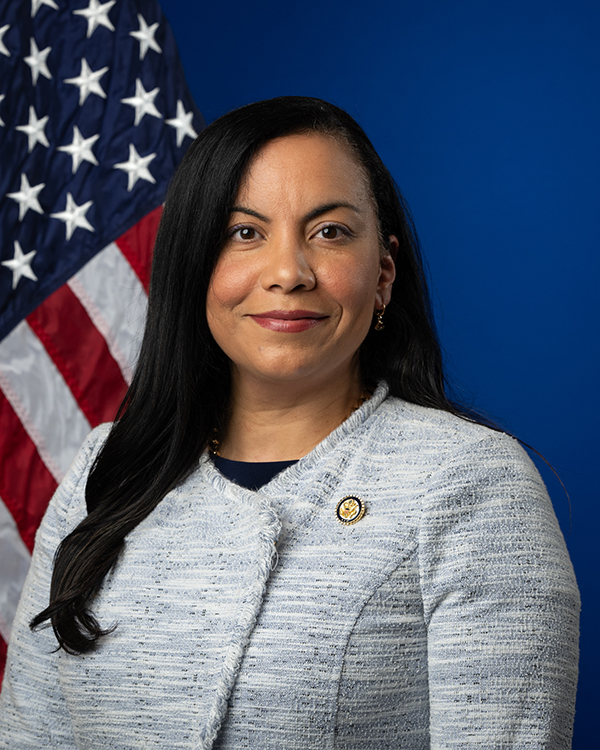
The HOME Expansion Act allows jurisdictions that don't receive other federal housing funds to use HOME program money for infrastructure like water lines, roads, and sidewalks directly tied to affordable housing projects. It raises the income eligibility limit for affordable homeownership from 95% to 110% of area median income and requires new long-term affordability measures, such as shared equity ownership models or community land trusts. The bill also creates exceptions for military members (waiving income rules during deployment) and heirs of deceased homeowners to maintain housing affordability. These changes apply to housing assisted under the HOME program and related tax credit programs.
The Dennis and Lois Krisfalusy Act amends a provision in federal law that governs eligibility for memorial headstones and markers provided by the Department of Veterans Affairs. It removes a requirement that veterans must have died on or after November 11, 1998, to qualify for these memorials. This change expands eligibility to include veterans who died before that date, allowing their families to access headstones and markers regardless of their death date. The bill directly affects the VA's administration of the program and veterans' families who previously faced this eligibility barrier.
This bill increases the monthly special pension for living Medal of Honor recipients from $1,406.73 to $8,333.33 under Title 38, U.S. Code. It directly affects current living recipients of the Medal of Honor, who are recognized for extraordinary military valor. The key provision amends the existing pension rate to reflect a substantial financial adjustment for these veterans. Surviving spouses' pension amounts remain unchanged at $1,406.73, as specified in the bill. The change aims to better honor recipients' service and sacrifice through enhanced financial support.
HR 6794, the VA Medical Center Facility Transparency Act, requires VA medical facilities to schedule appointments during the same phone call when a covered veteran (enrolled in VA's patient system) requests one. It mandates annual and quarterly public fact sheets from each facility detailing patient statistics, satisfaction ratings, wait times, facility achievements, and areas needing improvement. The bill also requires VA to notify Congress within 90 days when a medical center director is detailed to another position and to appoint an acting director within 120 days. All provisions expire three years after enactment.
This resolution designates the week of May 12-16, 2025, as "Veterans Affairs Research Week" to commemorate the 100th anniversary of research conducted by the Department of Veterans Affairs (VA). It honors VA research contributions that have led to medical breakthroughs like CT scans, pacemakers, and treatments for mental health conditions, benefiting veterans and the public. The resolution has no binding effect or policy changes - it is a symbolic gesture to recognize VA research achievements and encourage continued support.
HR 4594, the Military Learning for Credit Act of 2025, allows veterans using GI Bill benefits (Chapters 30, 33, 34, or 35) to cover costs for certain exams that grant college credit. It specifically permits using educational assistance for DSST, CLEP, National Career Readiness Certificate exams, and portfolio assessments of military training, with a $500 per exam cap. Veterans’ GI Bill entitlement is charged based on the exam cost relative to their monthly benefit rate, but this does not reduce benefits from the Department of Defense Tuition Assistance Program. The bill directly affects veterans seeking to convert military experience into college credits through approved programs.
This bill creates a presumption of service connection for specific health conditions in veterans who served at Karshi Khanabad Air Base in Uzbekistan. It directly affects those veterans by automatically qualifying them for disability benefits for 15 categories of diseases, including all cancers, thyroid conditions, bone disorders, cardiovascular issues, neurological illnesses, and other serious conditions listed in the bill. The key mechanism is adding these diseases to the list of conditions presumed to be linked to service at that specific location, eliminating the need for veterans to prove a direct connection. This change simplifies the benefits process for affected veterans without altering existing disability benefit standards.
This bill temporarily expands food assistance eligibility for households including recently separated veterans. During a 100-day period starting when a veteran receives their military separation document (DD-214), only the veteran's income is counted toward determining SNAP (food assistance) eligibility. This means households with a veteran member will qualify for benefits based solely on the veteran's income during this transition period, rather than the combined household income. The change directly affects veterans transitioning from military to civilian life and their households during their initial 100 days of civilian status. The bill takes effect 90 days after enactment.
HR 1286, the Simplifying Forms for Veterans Claims Act, requires the Department of Veterans Affairs (VA) to simplify forms sent to veterans filing claims. Within 30 days of enactment, the VA must hire an independent research center (FFRDC) to assess these forms, working with veterans' groups, legal experts, and the VA itself. The VA must then report the assessment to Congress within 90 days and implement approved changes - like clearer language or better organization - within two years. This directly affects veterans navigating VA claims by aiming to reduce confusion in the application process.
HRES 1019 is a symbolic House resolution recognizing Certified Registered Nurse Anesthetists (CRNAs) for their 150+ years of service in providing anesthesia care across the U.S. health system. It highlights CRNAs' critical role in rural areas, military medicine, and during public health emergencies, noting they administer over 58 million anesthetics annually and serve as primary providers for 69,000 CRNAs nationwide. The resolution encourages the public, healthcare leaders, and policymakers to acknowledge CRNAs' contributions and participate in National CRNA Week (January 18-24, 2026), though it does not create new laws or policy changes.