

Issue · Veterans
Veterans (National Guard & Reserve)
Every veterans bill, vote, and legislator stance in United States, automatically classified by Maddy, our AI policy reader.
Total bills
125
119th Congress
Top supporter
John Fetterman
100% support rate
Top opponent
Rand Paul
0% support rate
Ranked legislators
10
5 support · 5 oppose
Key legislators
Who's moving national guard & reserve in United States
| Legislator | Party | Stance | Support rate | Decisive votes |
|---|---|---|---|---|

John Fetterman
Senate
|
D |
Strong +
|
100% | 22 |

Mike Johnson
House · District 4
|
R |
Strong +
|
100% | 7 |

Clay Fuller
House · District 14
|
R |
Strong +
|
100% | 6 |
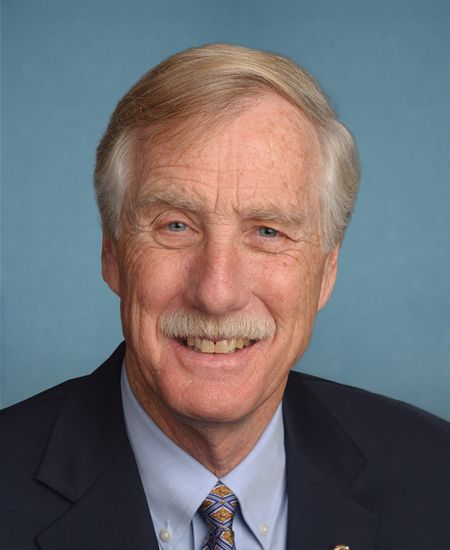
Angus S. King, Jr.
Senate
|
I |
Strong +
|
92% | 24 |

Ashley Moody
Senate
|
R |
Strong +
|
92% | 24 |

Rand Paul
Senate
|
R |
Strong −
|
0% | 24 |
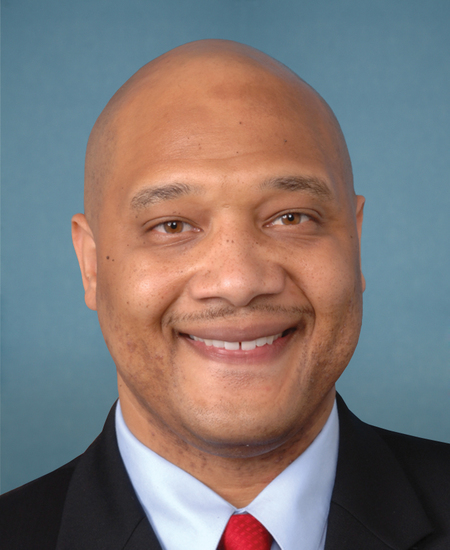
André Carson
House · District 7
|
D |
Strong −
|
0% | 8 |
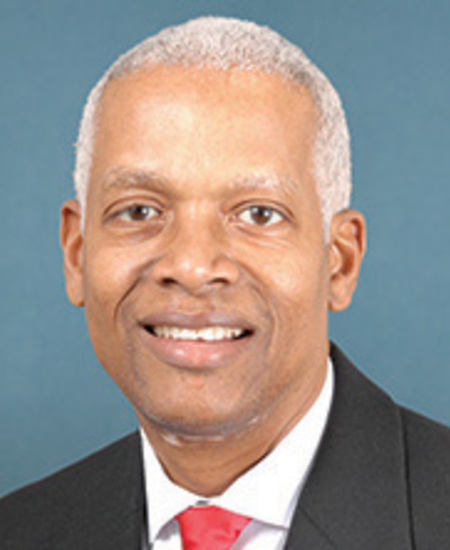
Henry C. "Hank" Johnson, Jr.
House · District 4
|
D |
Strong −
|
0% | 8 |
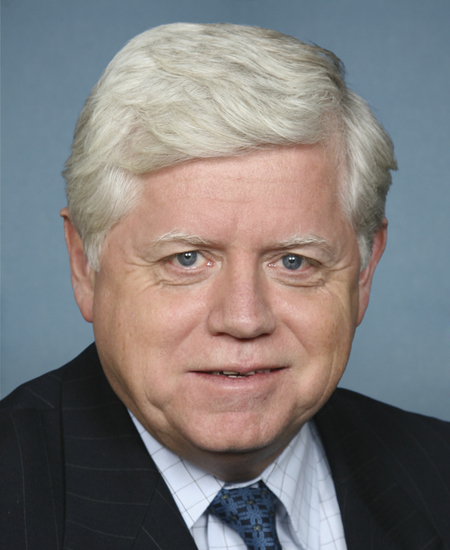
John B. Larson
House · District 1
|
D |
Strong −
|
0% | 8 |

Adelita S. Grijalva
House · District 7
|
D |
Strong −
|
0% | 7 |
Showing 61–70 of 125
bills
All veterans bills
S 878: Coast Guard Combat-Injured Tax Fairness Act
Topics
✓ Budget & TaxesSupports Budget & TaxesBill ensures equal tax treatment for Coast Guard veterans under existing tax law, expanding coverage to include DHS/transportation-era severance payments, directly addressing tax fairness.
✓ VeteransSupports VeteransExpands tax benefits for Coast Guard combat-injured veterans by ensuring equal treatment with Defense Department veterans, directly strengthening veteran benefits as described.
HR 4289: TRICARE Travel Improvement Act
Topics
✓ HealthcareSupports HealthcareReduces TRICARE travel reimbursement threshold from 100 to 50 miles, expanding access to specialty care for military beneficiaries by lowering eligibility barriers.
✓ VeteransSupports VeteransReduces TRICARE travel reimbursement distance from 100 to 50 miles, expanding access to specialty care for veterans and families seeking medical treatment outside local area.
HR 6340: Save the Green to Gold Program Act
Sub-Topics
National Guard & Reserve
HR 705: To direct the Secretary of Defense to establish a compensation fund for military firefighters exposed to PFAS.
Topics
✓ Labor & EmploymentSupports Labor & EmploymentCompensates military firefighters for job-related PFAS exposure, enhancing workplace safety protections for covered workers.
✓ VeteransSupports VeteransBill establishes compensation fund for military firefighters (veterans) with PFAS-related illnesses, directly funding healthcare benefits and protections for service-connected conditions.
Sub-Topics
National Guard & Reserve
HJRES 149: Recognizing the 125th anniversary of the Army Nurse Corps, expressing gratitude for members of the Army Nurse Corps for their service to the Nation, and for other purposes.
HR 2973: Coast Guard Combat-Injured Tax Fairness Act
Topics
✓ Budget & TaxesSupports Budget & TaxesProvides tax refunds to veterans for improperly withheld severance payments, offering direct tax relief to a specific group affected by prior tax errors.
✓ VeteransSupports VeteransEnsures combat-injured Coast Guard veterans receive tax refunds for improperly withheld severance payments, correcting a benefit issue directly impacting veterans' financial rights.
Sub-Topics
National Guard & Reserve
HR 3871: Apprenticeship Infrastructure Tax Credit Act of 2025
Topics
✓ Budget & TaxesSupports Budget & TaxesCreates $5B tax credit for infrastructure apprenticeships, directing government funds via tax incentives to support workforce development and economic growth.
✓ Labor & EmploymentSupports Labor & EmploymentTax credit incentivizes employer investment in apprenticeships, creating job pathways and supporting workforce development in infrastructure roles.
✓ TransportationSupports TransportationBill creates tax credits for apprentices in infrastructure occupations (including construction), directly funding workforce development for transportation infrastructure projects.
✓ VeteransSupports VeteransDirectly offers double tax credit ($6,000) for veterans in apprenticeship programs, advancing veteran employment opportunities per bill summary.
Sub-Topics
Tax Credits
Tax Incentives
Apprenticeships
Workforce Development
National Guard & Reserve
Veteran Employment
HR 6097: Transition Improvement by Estimating Risk Act of 2025
HR 5586: TRICARE Transition Transparency Act of 2025
Topics
✓ HealthcareSupports HealthcareBill improves patient access to healthcare information by requiring advance notices of coverage changes, protecting beneficiary rights and ensuring transparency in TRICARE transitions.
✓ VeteransSupports VeteransRequires advance notices and outreach for TRICARE coverage changes, protecting veterans' healthcare access by preventing sudden disruptions in benefits.