

Issue · Veterans
Veterans (Military Families)
Every veterans bill, vote, and legislator stance in United States, automatically classified by Maddy, our AI policy reader.
Total bills
111
119th Congress
Top supporter
John Fetterman
100% support rate
Top opponent
Rand Paul
0% support rate
Ranked legislators
10
5 support · 5 oppose
Key legislators
Who's moving military families in United States
| Legislator | Party | Stance | Support rate | Decisive votes |
|---|---|---|---|---|
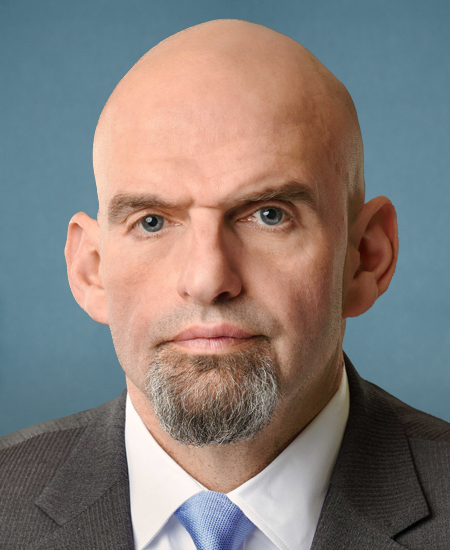
John Fetterman
Senate
|
D |
Strong +
|
100% | 22 |

Jared F. Golden
House · District 2
|
D |
Strong +
|
100% | 3 |

Angus S. King, Jr.
Senate
|
I |
Strong +
|
96% | 24 |

Catherine Cortez Masto
Senate
|
D |
Strong +
|
96% | 24 |

Susan M. Collins
Senate
|
R |
Strong +
|
92% | 24 |

Rand Paul
Senate
|
R |
Strong −
|
0% | 24 |

Thomas Massie
House · District 4
|
R |
Strong −
|
0% | 3 |

Amy Klobuchar
Senate
|
D |
Strong −
|
12% | 24 |
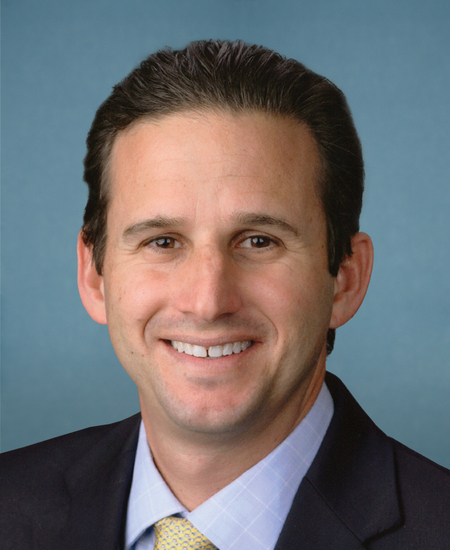
Brian Schatz
Senate
|
D |
Strong −
|
12% | 24 |
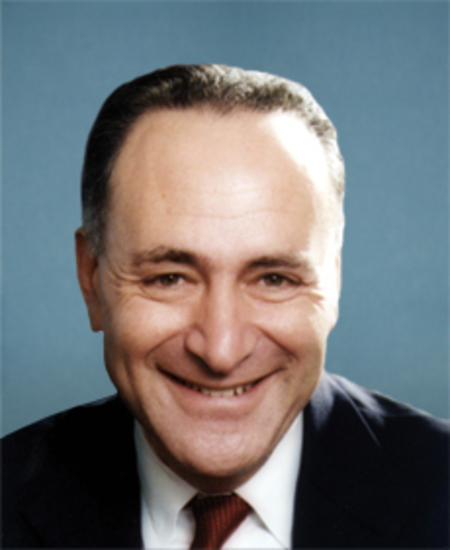
Charles E. Schumer
Senate
|
D |
Strong −
|
12% | 24 |
Showing 51–60 of 111
bills
All veterans bills
HR 6796: Military CARE Act
Topics
✓ HealthcareSupports HealthcareEstablishes digital system for TRICARE complaint tracking, improving patient access to care at military facilities per bill summary.
✓ TechnologySupports TechnologyBill mandates a digital system for electronic complaint tracking, advancing technology use in government services through online filing and real-time status updates.
✓ VeteransSupports VeteransEstablishes digital system for TRICARE beneficiaries (including veterans) to track healthcare complaints at military facilities, improving access and service quality per bill's core purpose.
HR 6097: Transition Improvement by Estimating Risk Act of 2025
HR 2278: Survivor Benefits Delivery Improvement Act of 2025
HR 1646: Lactation Spaces for Veteran Moms Act
Topics
✓ HealthcareSupports HealthcareMandates VA medical centers to provide private, accessible lactation spaces, improving healthcare access for veteran mothers and supporting maternal health services within public healthcare facilities.
✓ VeteransSupports VeteransMandates VA medical centers to provide private, accessible lactation spaces, directly improving healthcare access and services for veteran mothers.
S 2482: TRICARE Travel Improvement Act
Topics
✓ HealthcareSupports HealthcareReduces travel reimbursement distance threshold from 100 to 50 miles for most beneficiaries, improving access to specialty care under TRICARE.
✗ VeteransOpposes VeteransMaintains 100-mile threshold for military retirees (veterans), limiting reimbursement access compared to active duty beneficiaries under reduced 50-mile rule.
S 2494: Hire Student Veterans Act
Topics
✓ Budget & TaxesSupports Budget & TaxesExpands Work Opportunity Tax Credit for employers hiring veterans with VA benefits, directly reducing federal tax burden. Provides tax relief via credit expansion.
✓ EducationSupports EducationExpands educational access for veterans using GI Bill benefits by incentivizing employers to hire them while studying, directly supporting higher education access.
✓ Labor & EmploymentSupports Labor & EmploymentExpands tax credits for employers hiring veterans using VA benefits, promoting employment opportunities for this group.
✓ VeteransSupports VeteransExpands Work Opportunity Tax Credit for employers hiring veterans using VA educational benefits, directly supporting veteran employment and education transition.
HR 1004: Love Lives On Act of 2025
HR 5586: TRICARE Transition Transparency Act of 2025
Topics
✓ HealthcareSupports HealthcareBill improves patient access to healthcare information by requiring advance notices of coverage changes, protecting beneficiary rights and ensuring transparency in TRICARE transitions.
✓ VeteransSupports VeteransRequires advance notices and outreach for TRICARE coverage changes, protecting veterans' healthcare access by preventing sudden disruptions in benefits.
S 1315: A bill to amend the Internal Revenue Code of 1986 to provide a refundable credit for certain home accessibility improvements.
Topics
✓ Budget & TaxesSupports Budget & TaxesRefundable tax credit provides direct tax relief for eligible lower-income individuals (disabled, elderly) with accessibility needs, aligning with tax relief indicators.
✓ HealthcareSupports HealthcareProvides tax credit for home accessibility modifications including remote health monitors, enabling independent living and improved health management for disabled/elderly individuals.
✓ HousingSupports HousingProvides refundable tax credit for accessibility modifications (ramps, grab bars) for disabled/elderly homeowners, directly enhancing housing accessibility for vulnerable populations.
✓ TechnologySupports TechnologyBill funds adaptive technologies like remote health monitors for disabled seniors, promoting digital inclusion and accessibility.
✓ VeteransSupports VeteransBill includes VA benefit criteria in eligibility for tax credit, directly benefiting veterans with disabilities through home accessibility modifications.