Issue · Veterans

Veterans (Veteran Healthcare)

Every veterans bill, vote, and legislator stance in United States, automatically classified by Maddy, our AI policy reader.

Total bills
629
119th Congress
Top supporter
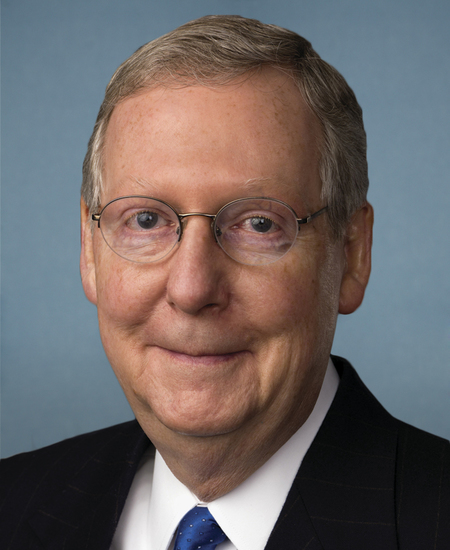
Mitch McConnell
91% support rate
Top opponent
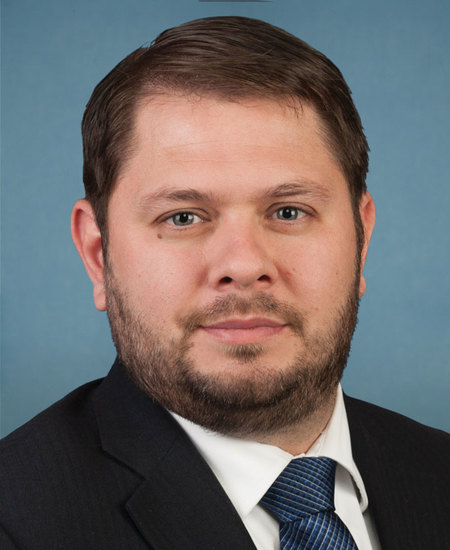
Ruben Gallego
8% support rate
Ranked legislators
10
5 support · 5 oppose
Key legislators

Who's moving veteran healthcare in United States

Legislators moving veteran healthcare in United States
Legislator Party Stance Support rate Decisive votes
Mitch McConnell
Mitch McConnell Senate
R
Strong +
91% 22
Bill Cassidy
Bill Cassidy Senate
R
Strong +
90% 21
John Fetterman
John Fetterman Senate
D
Strong +
87% 30
Angus S. King, Jr.
Angus S. King, Jr. Senate
I
Strong +
84% 32
Catherine Cortez Masto
Catherine Cortez Masto Senate
D
Strong +
84% 32
Ruben Gallego
Ruben Gallego Senate
D
Strong −
8% 24
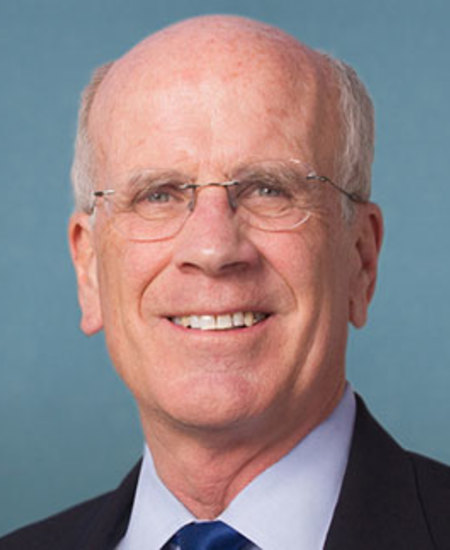
Peter Welch
Peter Welch Senate
D
Strong −
9% 23
Rand Paul
Rand Paul Senate
R
Strong −
12% 32
Tammy Duckworth
Tammy Duckworth Senate
D
Strong −
17% 23
Christopher Murphy
Christopher Murphy Senate
D
Strong −
19% 32
Showing 211–220 of 629 bills

All veterans bills

in committee · United States · Senate Mar 13, 2025

S 1032: Major Richard Star Act

This bill, the Major Richard Star Act (S 1032), allows veterans with combat-related disabilities to receive both their military retired pay and Veterans Affairs disability compensation simultaneously. It amends U.S. Code sections to remove the automatic reduction in retired pay that previously forced these veterans to choose between the two payments. The key change ensures veterans with combat-related disabilities qualify for full retired pay without offset against their VA disability benefits, effective for payments starting after the bill's enactment date. This directly affects veterans receiving military retired pay under Chapter 61 who also qualify for VA disability compensation for combat-related injuries.
in committee · United States · Senate May 7, 2025

S 1655: Protecting Veterans in Crisis Act

S 1655, the Protecting Veterans in Crisis Act, requires the Department of Veterans Affairs (VA) to notify Congress 48 hours before terminating any Veterans Crisis Line employee, providing justification, veteran/military spouse status, and a continuity plan. The bill mandates detailed monthly reports on staffing levels, employee status, call wait times, and operational performance until January 20, 2029, with a one-time report on specific 2025 terminations. It also requires a Comptroller General report on line improvements within 180 days. These provisions directly affect VA operations of the Veterans Crisis Line and congressional oversight, focusing on transparency and service continuity. The bill expires on January 20, 2029.
in committee · United States · House Mar 2, 2026

HR 7489: Georgetown VA Community-Based Outpatient Clinic Authorization Act of 2026

HR 7489, the Georgetown VA Community-Based Outpatient Clinic Authorization Act of 2026, authorizes the Department of Veterans Affairs to construct a new outpatient clinic in Georgetown, Texas, for veterans in the area. The bill specifically allocates up to $96,448,066 for this project in fiscal year 2027, designating it as a major medical facility. This concrete action directly affects veterans residing near Georgetown by providing access to expanded healthcare services at a new facility.
in committee · United States · House Nov 17, 2025

HR 5943: THRIVE Act of 2025

The THRIVE Act of 2025 establishes a new interagency task force within the Department of Veterans Affairs (VA) to evaluate and improve access to complementary and integrative health therapies for veterans. The task force, composed of VA leaders, clinicians, researchers, veterans' advocates, and community program representatives, will assess current access to therapies like acupuncture, yoga, peer support, and mental health coaching at VA facilities. Its key responsibilities include analyzing the effectiveness of these therapies for conditions like PTSD, depression, and anxiety; identifying gaps in research and service availability; and recommending how the VA can better integrate these approaches into veterans' care. The task force must submit its findings and recommendations to the VA Secretary within one year, followed by reports to Congress detailing implementation plans. This bill directly affects VA medical facilities and veterans receiving care there, focusing on enhancing mental health treatment options through evidence-based evaluation.
in committee · United States · House Apr 30, 2025

HR 3052: Agent Orange Relief Act of 2025

This bill would expand Department of Veterans Affairs benefits to cover children of male Vietnam veterans with birth defects related to Agent Orange exposure, currently only covering spina bifida. It would establish health assessment programs and treatment centers for Vietnamese Americans affected by Agent Orange and their descendants. The bill also requires research into intergenerational health effects and mandates implementation within 18 months of enactment. It would extend recognition to include Vietnamese, Lao, and Cambodian people affected by Agent Orange exposure during the Vietnam War.
in committee · United States · House Apr 1, 2025

HR 2020: New Mexico Rural Veteran Health Care Access Act

This bill requires the U.S. Department of Veterans Affairs to redraw healthcare network boundaries within 180 days of enactment, adding Otero and Eddy Counties in New Mexico to Veterans Integrated Service Network 17. It directly affects veterans residing in these two counties by expanding their access to VA healthcare services previously unavailable through this network. The key mechanism is a mandatory boundary adjustment to include these counties in an existing VA healthcare service network, streamlining access to care. This change makes no other policy modifications and focuses solely on geographic reassignment for service delivery.
in committee · United States · House Nov 17, 2025

HR 5981: VA Billing Accountability Act

HR 5981, the VA Billing Accountability Act, requires the Department of Veterans Affairs (VA) to stop billing veterans for care or medications if the VA delayed sending payment notices due to its own errors. Specifically, it creates a two-year window (ending two years after enactment) where veterans won’t have to pay if they received care or medications but weren’t notified of required payments more than 180 days later for VA facilities or more than 18 months for non-VA care. The bill also sets strict deadlines for VA to send billing notices and mandates that veterans receive clear options to apply for waivers or set up payment plans if notices are late. This directly affects veterans who received delayed billing notices due to VA administrative errors, ensuring they aren’t charged for delays the VA caused. The law terminates after two years, with the VA required to review billing procedures within 180 days of enactment.
in committee · United States · House Feb 24, 2026

HR 1965: Veteran Education Assistance Adjustment Act

This bill increases the annual stipend for books, supplies, and educational materials under the Post-9/11 GI Bill from $1,000 to $1,400, effective immediately. It also establishes a new automatic annual adjustment starting in fiscal year 2026, tying stipend increases to inflation using the Consumer Price Index (CPI). Specifically, the stipend will rise each year by the percentage difference between the current CPI and the previous year’s CPI. This directly affects veterans using the Post-9/11 Educational Assistance Program for their education expenses.
in committee · United States · House Apr 2, 2026

HR 785: Representing our Seniors at VA Act of 2026

Representing our Seniors at VA Act of 2025 This bill expands the membership of the Geriatrics and Gerontology Advisory Committee within the Veterans Health Administration by requiring the addition of one representative from the National Association of State Veterans Homes who holds a professional license in nursing home administration. Additionally, the committee must consult with the National Association of Veterans State Homes with respect to matters concerning the association.
in committee · United States · House Nov 12, 2025

HR 6022: Sgt. Walter F. Hartnett IV Green Star Veterans Service Act

HR 6022, the Sgt. Walter F. Hartnett IV Green Star Veterans Service Act, creates a designated "Green Star Service Flag" for the next of kin of veterans who died by suicide after September 11, 2001. The bill authorizes the Secretary of Veterans Affairs to design the flag and allows eligible next of kin - defined as family members under VA law or those designated by the Secretary - to display it. It also requires manufacturers to obtain a license from the VA to produce the flag, imposing a $1,000 civil penalty for unauthorized production or sale. This is a procedural measure focused on recognizing bereaved families, not altering benefit eligibility or funding.
Showing 211 to 220 of 629 bills
Previous 1 … 21 22 23 … 63 Next