

Issue · Veterans
Veterans (Veteran Benefits)
Every veterans bill, vote, and legislator stance in United States, automatically classified by Maddy, our AI policy reader.
Total bills
439
119th Congress
Top supporter
Jefferson Van Drew
100% support rate
Top opponent
Jerrold Nadler
0% support rate
Ranked legislators
10
5 support · 5 oppose
Key legislators
Who's moving veteran benefits in United States
| Legislator | Party | Stance | Support rate | Decisive votes |
|---|---|---|---|---|

Jefferson Van Drew
House · District 2
|
R |
Strong +
|
100% | 4 |
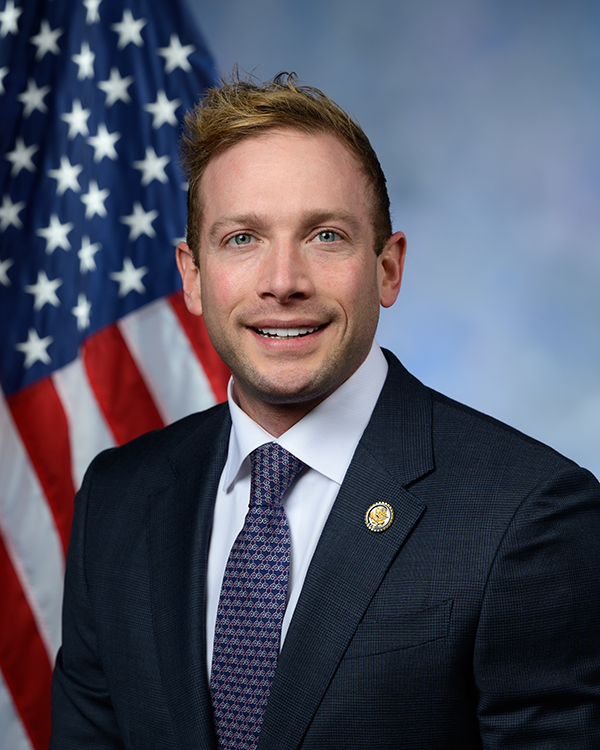
Max L. Miller
House · District 7
|
R |
Strong +
|
100% | 4 |

Elise M. Stefanik
House · District 21
|
R |
Strong +
|
100% | 3 |
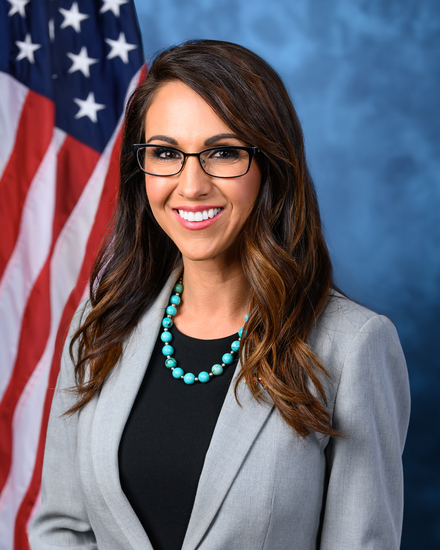
Lauren Boebert
House · District 4
|
R |
Strong +
|
100% | 3 |
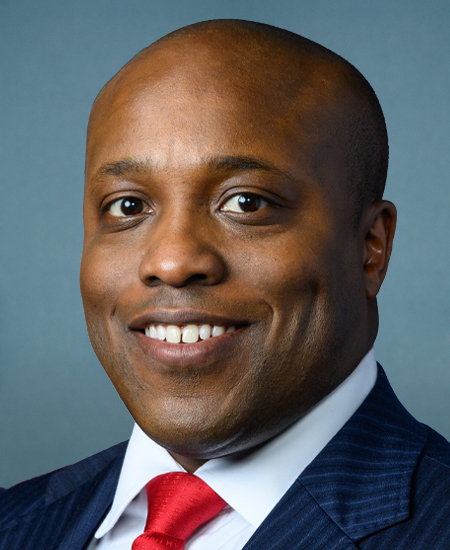
Wesley Hunt
House · District 38
|
R |
Strong +
|
100% | 3 |
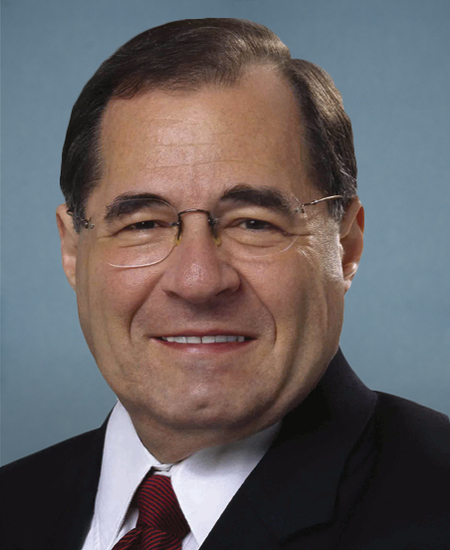
Jerrold Nadler
House · District 12
|
D |
Strong −
|
0% | 3 |

Mike Quigley
House · District 5
|
D |
Strong −
|
0% | 3 |
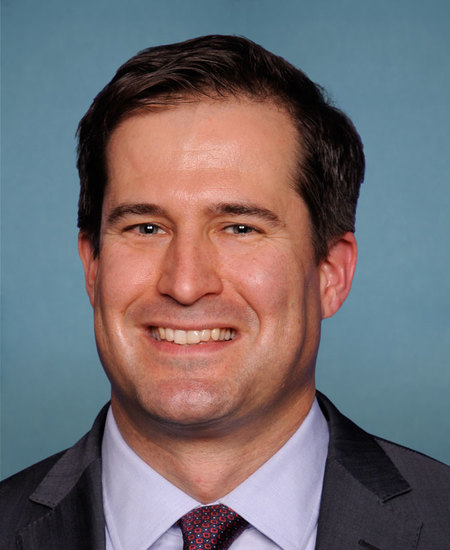
Seth Moulton
House · District 6
|
D |
Strong −
|
0% | 3 |
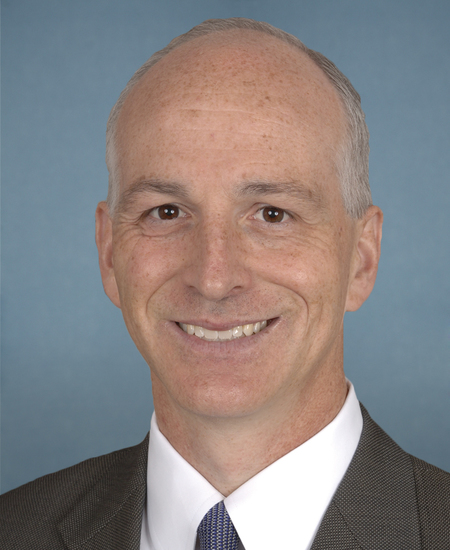
Adam Smith
House · District 9
|
D |
Oppose
|
25% | 4 |
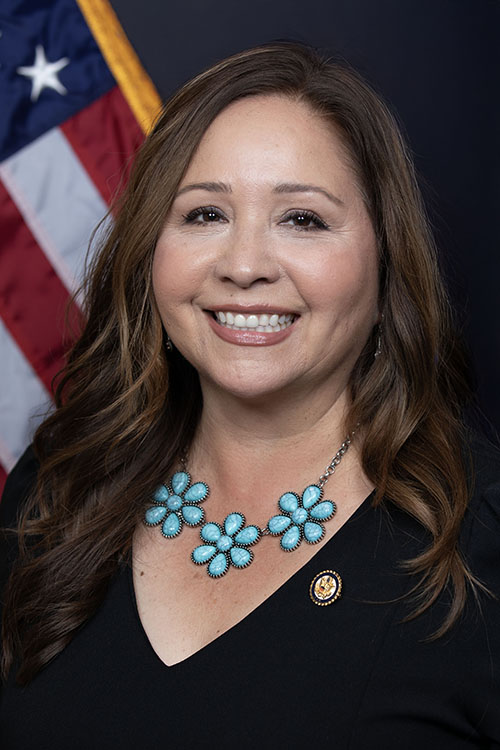
Adelita S. Grijalva
House · District 7
|
D |
Oppose
|
25% | 4 |
Showing 161–170 of 439
bills
All veterans bills
HR 6038: Improving Veteran Access to Care Act
Topics
✓ HealthcareSupports HealthcareModernizes VA scheduling for online booking of mental health and primary care appointments, directly improving veteran access to healthcare services.
✓ VeteransSupports VeteransRequires VA to modernize scheduling systems for better veteran healthcare access, directly improving service delivery and aligning with support indicators.
HR 5957: Connecting Veterans to Care Act of 2025
Topics
✓ HealthcareSupports HealthcareExpands transportation funding to VA medical facilities, improving veteran access to healthcare services per bill's focus on VA care access.
✓ TransportationSupports TransportationExpands federal funding for public transit serving VA facilities, directly increasing transportation infrastructure support and eligibility beyond current limits.
✓ VeteransSupports VeteransExpands federal transit funding to VA facilities, improving access to veteran healthcare services by removing population restrictions and requiring certification for VA-related routes.
Sub-Topics
Autonomous Vehicles
Public Transit
Veteran Benefits
Veteran Healthcare
Veteran Mental Health
HR 5277: HEAL Act
Topics
✓ HealthcareSupports HealthcareEliminates travel deductibles and expands transportation options for VA care access, directly improving patient access to healthcare services for veterans.
✓ TransportationSupports TransportationExpands eligible transportation providers for veterans' medical travel, increasing access to services and aligning reimbursement rates with GSA standards.
✓ VeteransSupports VeteransUpdates VA transportation benefits to match GSA rates, eliminates travel deductibles, and expands eligible providers - directly enhancing veterans' access to healthcare services.
HR 4637: Veterans’ Surviving Spouse Equity Act of 2025
HR 467: Foreign Medical Program Modernization Act of 2025
Topics
✓ HealthcareSupports HealthcareBill expands VA overseas medical eligibility to all veterans needing care (not just service-connected), directly increasing healthcare access and coverage for veterans, aligning with support indicators.
✓ VeteransSupports VeteransExpands VA overseas medical eligibility beyond service-connected disability requirement, directly improving veterans' healthcare access through broader coverage and modernized payment systems.
HR 39: Original Honoring Our WWII Merchant Mariners Act of 2025
Topics
✓ Budget & TaxesSupports Budget & TaxesBill authorizes $125 million in FY2026 for one-time payments to WWII Merchant Mariners, directly increasing government spending on veterans' benefits.
✓ VeteransSupports VeteransFunds $25k one-time payments to eligible WWII Merchant Mariners (veterans) via VA, authorizing $125M to advance benefits for a recognized veteran group.
HR 5932: CLEAN VA Act
Topics
✓ Labor & EmploymentSupports Labor & EmploymentMandates whistleblower protections with 60-day investigations, advancing workers' rights to report fraud without retaliation.
✓ VeteransSupports VeteransStrengthens fraud prevention and whistleblower protections for VA employees handling veterans' records, directly protecting veterans' benefits and data integrity.
S 3170: Stuck On Hold Act
Topics
✓ HealthcareSupports HealthcareBill improves patient access to VA healthcare services by reducing wait times and implementing callback systems for veterans seeking assistance.
✓ VeteransSupports VeteransBill mandates VA to reduce phone wait times, improving veterans' access to critical services via automated system and callback options.
S 342: Purple Heart Veterans Education Act of 2025
Topics
✓ EducationSupports EducationExpands educational access for veterans' dependents by enabling transfer of GI Bill benefits, directly advancing higher education access without restrictions.
✓ VeteransSupports VeteransBill expands education benefits by allowing Purple Heart veterans to transfer unused GI Bill benefits to family members, directly strengthening veteran support and program access.