Issue · Veterans

Veterans (Veteran Benefits)

Every veterans bill, vote, and legislator stance in United States, automatically classified by Maddy, our AI policy reader.

Total bills
428
119th Congress
Top supporter
Jefferson Van Drew
100% support rate
Top opponent
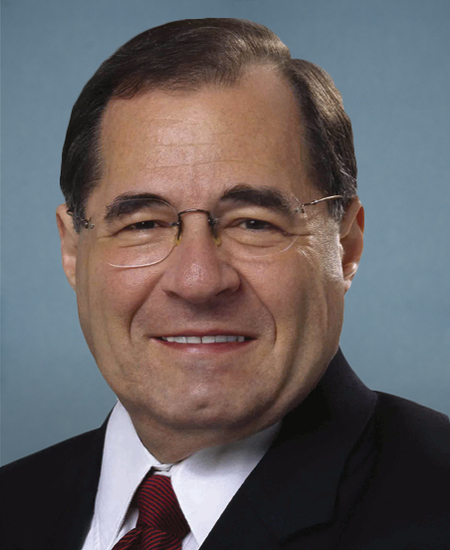
Jerrold Nadler
0% support rate
Ranked legislators
10
5 support · 5 oppose
Key legislators

Who's moving veteran benefits in United States

Legislators moving veteran benefits in United States
Legislator Party Stance Support rate Decisive votes
Jefferson Van Drew
Jefferson Van Drew House · District 2
R
Strong +
100% 4
Max L. Miller
Max L. Miller House · District 7
R
Strong +
100% 4
Elise M. Stefanik
Elise M. Stefanik House · District 21
R
Strong +
100% 3
Lauren Boebert
Lauren Boebert House · District 4
R
Strong +
100% 3
Wesley Hunt
Wesley Hunt House · District 38
R
Strong +
100% 3
Jerrold Nadler
Jerrold Nadler House · District 12
D
Strong −
0% 3
Mike Quigley
Mike Quigley House · District 5
D
Strong −
0% 3
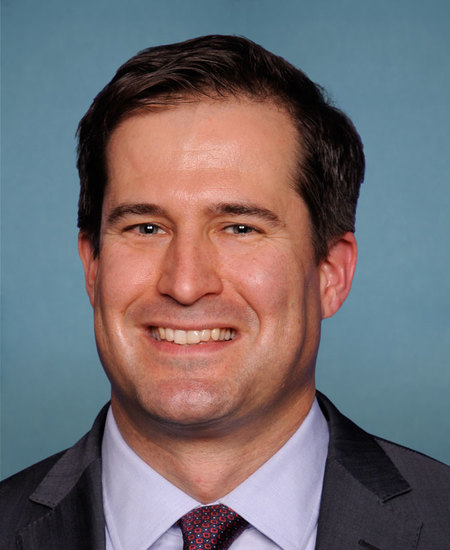
Seth Moulton
Seth Moulton House · District 6
D
Strong −
0% 3
Adam Smith
Adam Smith House · District 9
D
Oppose
25% 4
Adelita S. Grijalva
Adelita S. Grijalva House · District 7
D
Oppose
25% 4
Showing 131–140 of 428 bills

All veterans bills

in committee · United States · House Nov 17, 2025

HR 5981: VA Billing Accountability Act

HR 5981, the VA Billing Accountability Act, requires the Department of Veterans Affairs (VA) to stop billing veterans for care or medications if the VA delayed sending payment notices due to its own errors. Specifically, it creates a two-year window (ending two years after enactment) where veterans won’t have to pay if they received care or medications but weren’t notified of required payments more than 180 days later for VA facilities or more than 18 months for non-VA care. The bill also sets strict deadlines for VA to send billing notices and mandates that veterans receive clear options to apply for waivers or set up payment plans if notices are late. This directly affects veterans who received delayed billing notices due to VA administrative errors, ensuring they aren’t charged for delays the VA caused. The law terminates after two years, with the VA required to review billing procedures within 180 days of enactment.
in committee · United States · House Feb 24, 2026

HR 1965: Veteran Education Assistance Adjustment Act

This bill increases the annual stipend for books, supplies, and educational materials under the Post-9/11 GI Bill from $1,000 to $1,400, effective immediately. It also establishes a new automatic annual adjustment starting in fiscal year 2026, tying stipend increases to inflation using the Consumer Price Index (CPI). Specifically, the stipend will rise each year by the percentage difference between the current CPI and the previous year’s CPI. This directly affects veterans using the Post-9/11 Educational Assistance Program for their education expenses.
in committee · United States · House Mar 26, 2026

HR 1004: Love Lives On Act of 2025

Love Lives On Act of 2025 This bill extends entitlement for various benefit programs and services for surviving spouses of deceased members of the Armed Forces or veterans. The bill provides that the remarriage of a surviving spouse must not bar the furnishing of dependency and indemnity compensation or special pension benefits to such spouse. Additionally, the Department of Defense may not terminate the payment of an annuity for a surviving spouse under the Survivor Benefit Plan solely because the surviving spouse remarries. The bill also expands the definition of a dependent under TRICARE to include a remarried widow or widower whose subsequent marriage has ended due to death, divorce, or annulment.
in committee · United States · House Mar 18, 2026

HR 1732: GUARD VA Benefits Act

Governing Unaccredited Representatives Defrauding VA Benefits Act or the GUARD VA Benefits Act This bill imposes fines on individuals for soliciting, contracting for, charging, or receiving any unauthorized fee or compensation with respect to the preparation, presentation, or prosecution of any claim for Department of Veterans Affairs benefits. The attempted commission of such offenses is also punishable by fine.
in committee · United States · House Jun 24, 2025

HR 3835: Veterans Appeals Efficiency Act of 2025

The Veterans Appeals Efficiency Act of 2025 requires the Department of Veterans Affairs to track and report on key aspects of the appeals process, including average claim processing times after remand and reasons for case dismissals. It mandates the creation of guidelines for advancing cases on the Board's docket and authorizes the Board to aggregate appeals with common legal or factual issues to improve efficiency. The bill also expands the Court of Appeals' jurisdiction to handle class action claims and requires a study on common legal questions to help the Board make more consistent decisions. These changes aim to reduce delays and improve the accuracy of benefits decisions for veterans seeking appeals.
in committee · United States · House Jan 15, 2026

HR 7120: Purple Heart Freedom to Work Act

This bill amends the Social Security Act to provide work incentives for Purple Heart recipients receiving disability benefits. It removes the standard earnings penalty that would reduce benefits when veterans earn above the "substantial gainful activity" (SGA) threshold, instead allowing benefits to continue with a reduced rate ($1 reduction for every $4 earned above the threshold, but not below $0). It also specifically applies a higher SGA earnings limit to Purple Heart recipients under Social Security disability rules. The changes affect veterans who received a Purple Heart for a service-connected injury and are currently receiving Social Security disability benefits. The bill takes effect six months after enactment.
in committee · United States · House Jun 6, 2025

HR 3571: Veterans Administration Backlog Accountability Act of 2025

This bill requires the Veterans Affairs Inspector General to submit a report to Congress within 180 days of enactment, focusing on the backlog of disability compensation claims. The report must detail the current backlog status, assess VA staffing efforts (including hiring under the PACT Act), analyze how staffing reductions since January 20, 2025, affect wait times, and evaluate preparations for a predicted 50% claim surge. It also examines how new technologies have impacted backlog reduction and includes IG recommendations for improvement. The bill does not change VA benefits or funding - it solely mandates this oversight report to inform Congress about backlog challenges.
in committee · United States · House May 20, 2026

HR 6580: VA National Formulary Act of 2025

The VA National Formulary Act of 2025 creates a single, uniform list of drugs available at all VA medical facilities, replacing any local drug lists. It establishes a Pharmacy and Therapeutics Committee to make evidence-based decisions on drug inclusion (reviewing new FDA-approved drugs within 120 days) and sets up a 96-hour timeline for processing veterans' requests for nonformulary drugs. The VA must report annual formulary changes to Congress and implement a tiered copayment system that lowers costs for formulary drugs. The bill also includes provisions for negotiating drug discounts and value-based agreements to achieve cost savings.
passed · United States · House May 20, 2025

HR 1147: Veterans Accessibility Advisory Committee Act of 2025

HR 1147 establishes the Veterans Accessibility Advisory Committee to improve accessibility for veterans with disabilities across Department of Veterans Affairs (VA) services. The committee, composed of 15 members including four veterans with disabilities, four accessibility experts, two VA staff, and five veteran service organization representatives, will assess barriers in VA facilities, digital services, benefits, and communications. It must submit biennial reports identifying accessibility gaps and recommending improvements, with the VA required to respond to these reports within 90 days. The committee directly affects veterans with disabilities by mandating regular VA consultation on compliance with accessibility laws like the Americans with Disabilities Act and Section 508 of the Rehabilitation Act.
in committee · United States · House Feb 24, 2026

HR 7667: TRICARE Fairness for National Guard and Reserve Retirees Act

This bill amends U.S. Code sections to expand TRICARE eligibility for National Guard and Reserve retirees. It removes an age barrier preventing members under 60 from accessing TRICARE benefits if they qualify for non-regular retirement under Chapter 1223 but aren't yet receiving retired pay (due to specific provisions in Title 38). The key change defines "TRICARE Retired Reserve" to include these members who meet three criteria: qualifying for non-regular retirement at 60, being under 60, and not receiving retired pay due to Title 38 rules. The amendments take effect 18 months after the bill's enactment.
Showing 131 to 140 of 428 bills
Previous 1 … 13 14 15 … 43 Next