Issue · Veterans

Veterans

Every veterans bill, vote, and legislator stance in United States, automatically classified by Maddy, our AI policy reader.

Total bills
1,148
119th Congress
Top supporter
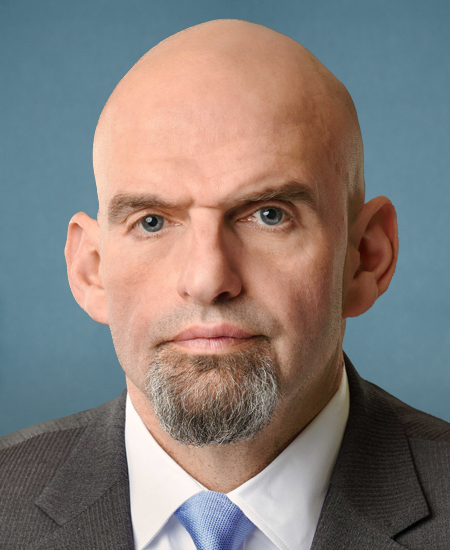
John Fetterman
88% support rate
Top opponent
Rand Paul
12% support rate
Ranked legislators
10
5 support · 5 oppose
Key legislators

Who's moving veterans in United States

Legislators moving veterans in United States
Legislator Party Stance Support rate Votes
John Fetterman
John Fetterman Senate
D
Strong +
88% 268
Catherine Cortez Masto
Catherine Cortez Masto Senate
D
Strong +
83% 266
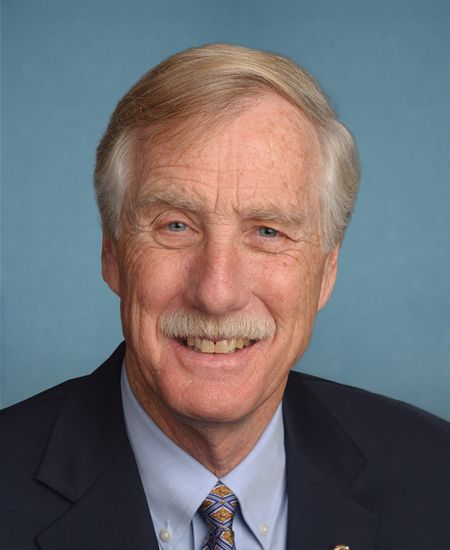
Angus S. King, Jr.
Angus S. King, Jr. Senate
I
Strong +
83% 275
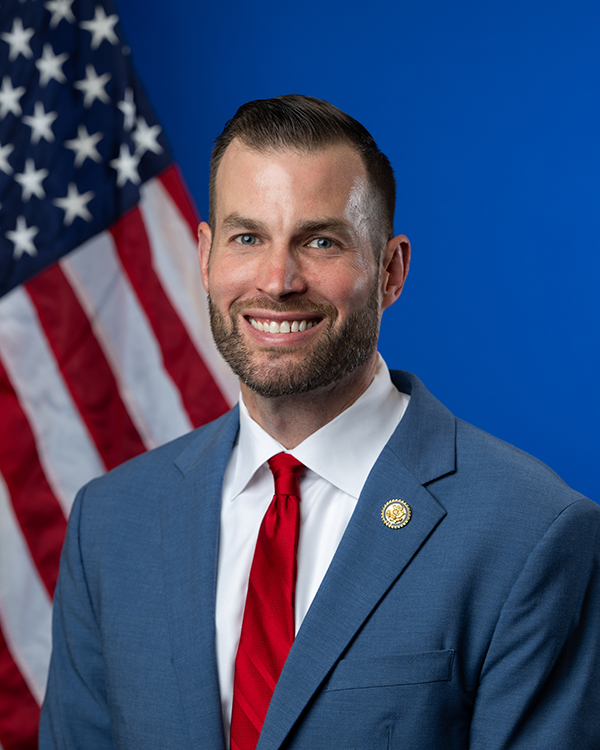
Clay Fuller
Clay Fuller House · District 14
R
Strong +
80% 76
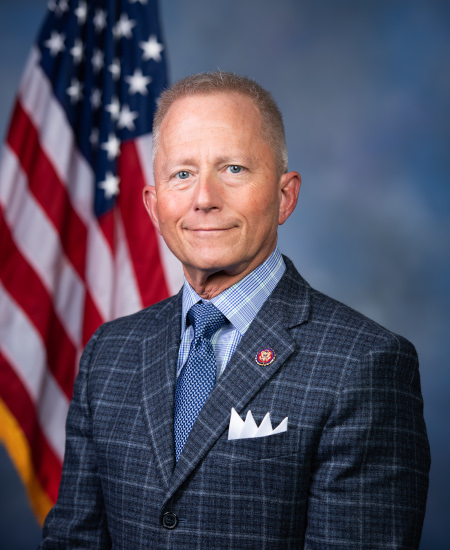
Jefferson Van Drew
Jefferson Van Drew House · District 2
R
Support
76% 221
Rand Paul
Rand Paul Senate
R
Strong −
12% 266
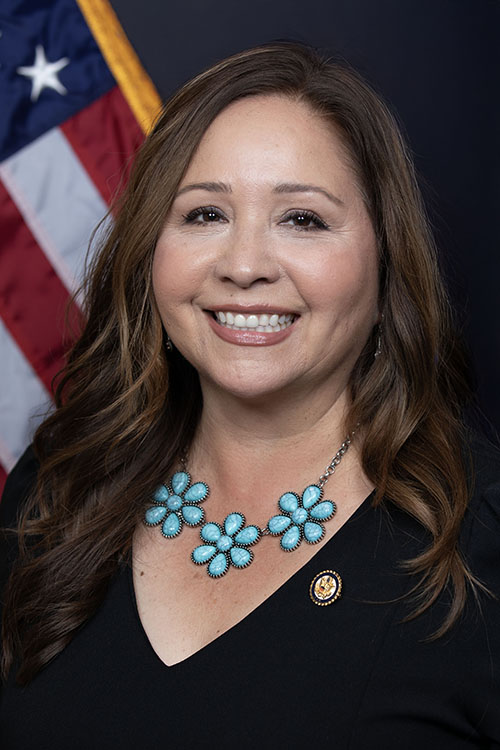
Adelita S. Grijalva
Adelita S. Grijalva House · District 7
D
Strong −
18% 144
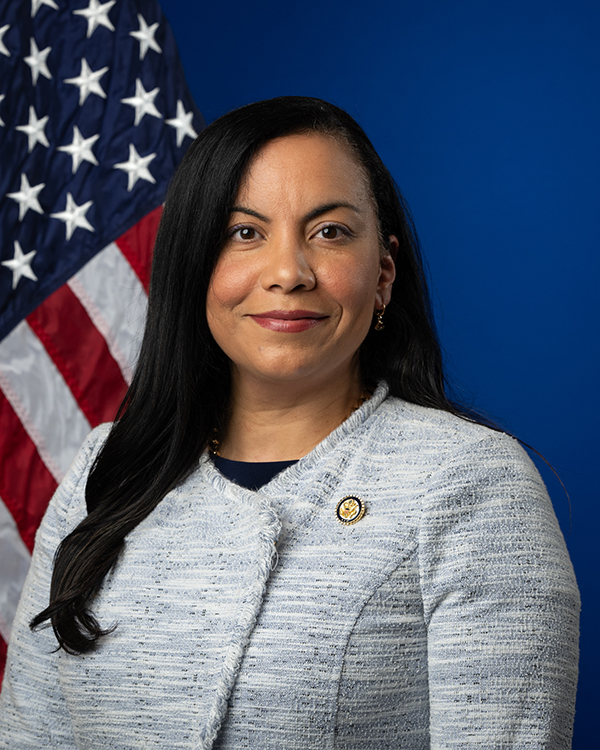
Analilia Mejia
Analilia Mejia House · District 11
D
Strong −
20% 71
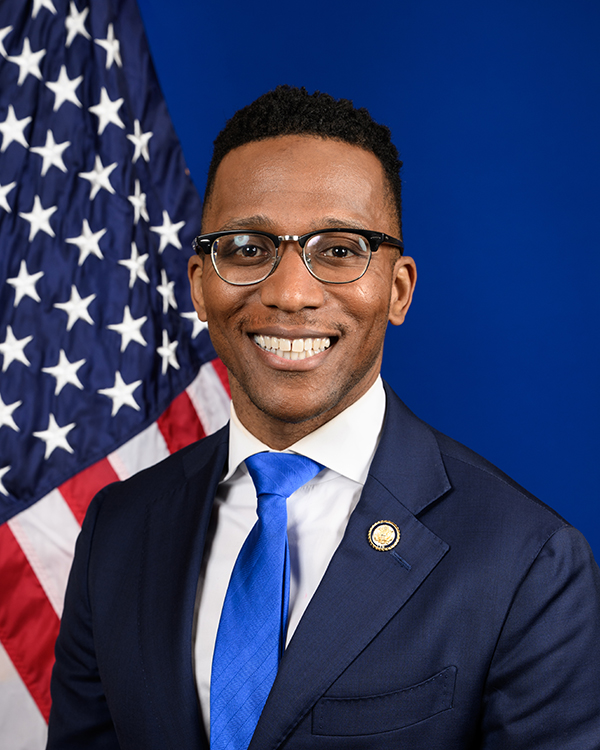
Christian D. Menefee
Christian D. Menefee House · District 18
D
Strong −
20% 95
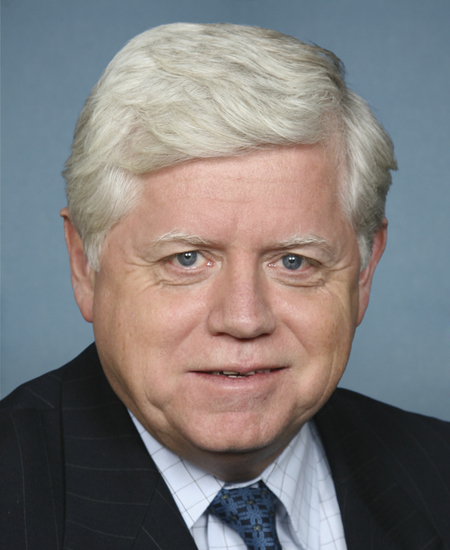
John B. Larson
John B. Larson House · District 1
D
Oppose
25% 217
Showing 1,121–1,130 of 1,148 bills

All veterans bills

passed · United States · Senate Jul 21, 2025

SRES 276: A resolution designating June 12, 2025, as "Women Veterans Appreciation Day".

This resolution designates June 12, 2025, as "Women Veterans Appreciation Day" to recognize the service and sacrifices of women veterans. It does not create new policies or affect specific programs, but symbolically honors women who have served in the military since the Revolutionary War, including their roles in recent conflicts and current service (18% of active duty personnel as of 2023). The resolution highlights women veterans' contributions and unique challenges, such as military sexual trauma, while encouraging their stories to be shared through the Veterans History Project. It is a commemorative gesture without legislative or financial impact.
in committee · United States · Senate Apr 10, 2025

S 1424: Veterans First Act of 2025

This bill, the Veterans First Act of 2025, redirects $2 billion from unobligated funds originally allocated to the U.S. Agency for International Development (USAID) to the Department of Veterans Affairs (VA). The funds are specifically appropriated to provide grants to states for constructing, acquiring, remodeling, or modifying state-run nursing homes, domiciliary facilities, and hospitals that serve veterans. These grants will support facilities operating under existing VA authorization (38 U.S.C. §§ 8131-8138) to provide care for veterans. The bill directly affects state facilities and the VA’s ability to fund infrastructure improvements for veteran care.
in committee · United States · Senate Jul 30, 2025

S 275: Veterans’ Assuring Critical Care Expansions to Support Servicemembers (ACCESS) Act of 2025

Veterans' Assuring Critical Care Expansions to Support Servicemembers (ACCESS) Act of 2025 This bill addresses the administration of the Veterans Community Care Program (VCCP) and other Department of Veterans Affairs (VA) health care matters. Among other provisions regarding the VCCP, the bill establishes in statute access standards that determine when a veteran is eligible to receive non-VA care through the VCCP, requires the VA to notify veterans regarding their eligibility for care within two business days after the VA is aware the veteran is seeking care, and extends the deadline for the submittal of claims under the VCCP by health care entities and providers. The VA must address its mental health treatment programs by establishing a standardized screening process to determine whether a veteran satisfies criteria for priority or routine admission to a mental health residential rehabilitation treatment program or a program for residential care for mental health and substance abuse disorders, tracking the performance of medical facilities and Veterans Integrated Service Networks in meeting the requirements for mental health treatment screenings and timely admission to treatment programs under such screenings, and establishing an appeal process for when a veteran is denied admission to a covered treatment program or is accepted into a program but not offered bed placement in a timely manner. Additionally, the VA must establish an online self-service module for veterans to request and manage appointments, track referrals, and appeal and track decisions related to requests for care.
passed · United States · House Feb 3, 2026

HR 1458: VETS Opportunity Act of 2025

HR 1458, the VETS Opportunity Act of 2025, amends VA education benefits rules to ensure veterans using these benefits for independent study courses receive meaningful instruction. It requires that such courses include regular, substantive interaction between students and instructors, and limits eligibility to programs at institutions approved for federal student aid under the Higher Education Act. This directly affects veterans pursuing online or self-paced courses using VA education benefits. The changes apply to courses starting August 1, 2025, and aim to standardize benefit access for qualifying educational programs.
in committee · United States · House Jun 30, 2026

HR 6588: PROVIDE Act

The PROVIDE Act creates a new priority category for processing veterans' disability claims when a major disaster (like floods or fires) impacts their area. It directly affects veterans living in regions where the President has declared a major disaster under the Stafford Act. The bill requires the VA to establish flexible evidence rules and extended filing deadlines for these veterans, while also adding them to the existing list of priority claimants (e.g., those facing homelessness or terminal illness). The VA must post this new eligibility information on its website within 60 days of the bill becoming law. This change aims to help veterans affected by disasters access benefits faster to aid their recovery.
in committee · United States · House Dec 19, 2025

HR 1230: AG VETS Act

The AG VETS Act (HR 1230) creates a new federal grant program to help military veterans enter or expand farming and ranching careers. It authorizes $5 million annually (2026-2030) for competitive grants to eligible entities like land-grant colleges, cooperative extensions, nonprofits, and state agriculture departments. These grants must be matched with non-Federal funds and will fund training, curriculum development, workshops, and field experiences focused on farm business management. The program directly affects veterans seeking agricultural careers by providing structured education and support through partner organizations.
in committee · United States · House Oct 10, 2025

HR 5734: Hiring Preference for Veterans and Americans With Disabilities Act

This bill allows states and local jurisdictions to give hiring preference to veterans and people with disabilities when filling election worker positions. It also requires jurisdictions to not deny employment to nonresident military spouses or dependents (spouses/dependents of service members living away from the voting area) solely based on lack of local residency. The key provisions clarify that election workers can be chosen based on veteran status, disability status, or military family ties, without requiring local residence for military-connected applicants. This directly affects election workers, veterans, people with disabilities, and military families seeking these roles. The bill makes these hiring preferences explicit in election administration rules.
Sub-Topics Military Families Veteran Employment Veteran Healthcare Tags Elections People with Disabilities
passed · United States · Senate Dec 19, 2025

S 607: Improving Veteran Access to Care Act

This bill requires the Department of Veterans Affairs (VA) to create a new project team within 180 days to overhaul how veterans schedule health care appointments. The team must develop a centralized system showing all available appointments across VA facilities and providers, a self-service online platform for veterans to book appointments (including referrals), and a phone-based scheduling option for veterans to book appointments directly. These changes must be completed within one year of the bill's enactment, with progress reports to Congress on costs, challenges, and metrics. The bill directly affects veterans seeking VA health care by aiming to make scheduling more efficient and accessible across all VA services.
in committee · United States · Senate Jun 3, 2025

S 1933: Informing VETS Act of 2025

S 1933 (Informing VETS Act of 2025) requires the Department of Veterans Affairs to send each eligible veteran a letter explaining their educational benefits and provide a clear comparison of those benefits against the GI Bill (Chapter 33) both in the letter and on a public website. This directly affects veterans transitioning from military service who are entitled to education programs under Title 38. The key mechanism is mandating regular, standardized information about benefit options to help veterans make informed decisions. The policy change focuses on improving transparency and accessibility of educational benefit information for veterans.
in committee · United States · House Jan 15, 2026

HR 7112: Veterans’ Bill of Rights Act of 2026

HR 7112, the Veterans’ Bill of Rights Act of 2026, requires the Department of Veterans Affairs (VA) to clearly inform veterans about their rights regarding VA healthcare, benefits, and services. It codifies 10 specific rights, including access to care (from VA or community providers), respect and dignity, informed consent, awareness of benefits, and the right to file complaints without retaliation. The bill mandates that the VA integrate these rights into all policies, train employees annually, prominently display them at facilities and online, include them in transition programs, and make them accessible via VA apps and portals within 180 days of enactment. This law focuses on improving transparency and accountability in VA interactions but does not create new legal rights or change eligibility requirements for benefits.
Showing 1,121 to 1,130 of 1,148 bills