Issue · Transportation

Transportation (Traffic Safety)

Every transportation bill, vote, and legislator stance in United States, automatically classified by Maddy, our AI policy reader.

Total bills
79
119th Congress
Top supporter
Rand Paul
64% support rate
Top opponent
Ted Budd
33% support rate
Ranked legislators
10
5 support · 5 oppose
Key legislators

Who's moving traffic safety in United States

Legislators moving traffic safety in United States
Legislator Party Stance Support rate Votes
Rand Paul
Rand Paul Senate
R
Support
64% 11
Ashley Moody
Ashley Moody Senate
R
Mixed
58% 12
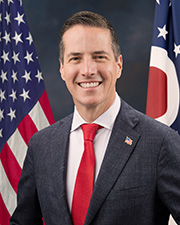
Bernie Moreno
Bernie Moreno Senate
R
Mixed
58% 12
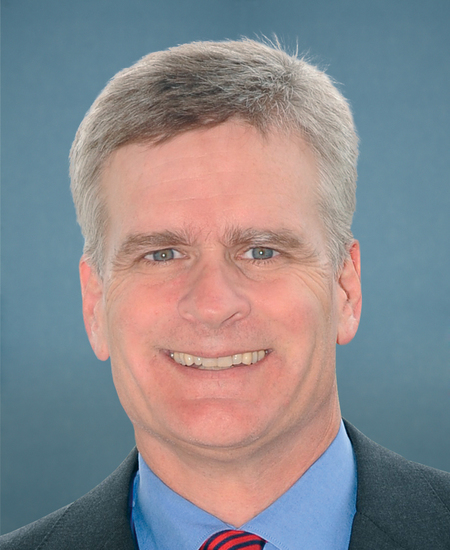
Bill Cassidy
Bill Cassidy Senate
R
Mixed
58% 12
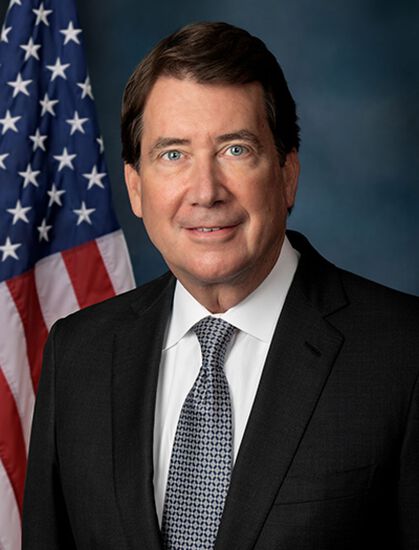
Bill Hagerty
Bill Hagerty Senate
R
Mixed
58% 12
Ted Budd
Ted Budd Senate
R
Oppose
33% 3
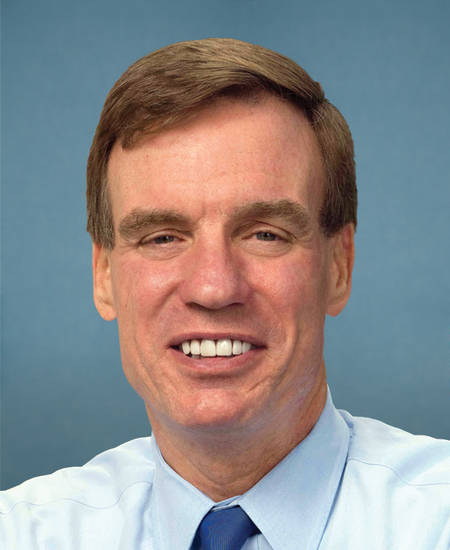
Mark R. Warner
Mark R. Warner Senate
D
Oppose
36% 11
Adam B. Schiff
Adam B. Schiff Senate
D
Mixed −
42% 12
Alex Padilla
Alex Padilla Senate
D
Mixed −
42% 12
Amy Klobuchar
Amy Klobuchar Senate
D
Mixed −
42% 12
Showing 61–70 of 79 bills

All transportation bills

in committee · United States · Senate Feb 9, 2026

S 3806: SECURES Act of 2026

This bill requires the U.S. Department of Transportation to propose new federal safety standards for seat belts on all new school buses within 180 days of enactment. It directs the Secretary to specifically consider lap/shoulder belt systems (Type 2), safety findings from the National Transportation Safety Board, and existing state practices where seat belts are already required. The proposed rules must also evaluate innovative seat belt detection and reminder systems for school bus designs. The bill directly affects manufacturers of new school buses and aims to establish uniform federal seat belt requirements for all new vehicles, regardless of size.
in committee · United States · House Feb 1, 2025

HR 851: DOT Victim and Survivor Advocate Act

HR 851, the DOT Victim and Survivor Advocate Act, creates a new position within the Department of Transportation called the National Roadway Safety Advocate. This role directly serves victims and survivors of road crashes, as well as their family members (broadly defined to include non-immediate relatives), by providing them a dedicated point of contact at DOT. The advocate gathers stakeholder input on roadway safety programs, translates complex DOT processes into plain language, and submits annual reports highlighting systemic safety issues with recommendations for improvement. The position does not make policy decisions or alter existing laws but focuses on improving communication between DOT and those affected by road safety incidents.
in committee · United States · Senate Feb 12, 2026

S 3871: Preventing Roadside and Work Zone Deaths Act of 2026

This bill amends highway safety programs to better protect people near disabled vehicles and in work zones. It expands safety measures to include "occupants of and pedestrians associated with disabled vehicles" in existing programs and requires better data collection on roadside and work zone deaths. The bill creates two working groups - one focused on disabled vehicle crashes and another on work zone crashes - to analyze data, develop safety solutions, and improve data sharing with the National Highway Traffic Safety Administration. It also mandates annual reports tracking how states use work zone safety funds and their effectiveness. The bill directly affects drivers, pedestrians near breakdowns, road construction workers, and state transportation agencies responsible for implementing these safety measures.
in committee · United States · House Feb 2, 2026

HR 6635: Bus Operator Safety and Security Act

HR 6635, the Bus Operator Safety and Security Act, requires new fixed-route buses over 30 feet long (with a 10+ year lifespan) purchased using federal transit funds to have physical barriers at the driver's workstation. These barriers must extend from floor to ceiling, fully enclose the workstation to block entry of people or objects, and not obstruct the driver's view. Transit agencies must install these barriers within two years of the law's enactment, unless the labor union representing bus drivers agrees to waive the requirement. The rule applies only to new buses bought with federal funds (excluding those from rural transportation programs) and directly affects transit agencies and bus drivers operating large fixed-route vehicles.
in committee · United States · House Jul 24, 2025

HR 4699: BIKE Act of 2025

HR 4699, the BIKE Act of 2025, requires federal grant funding to support bicycle safety education programs for elementary and secondary school students. It mandates the Secretary of Transportation to revise Highway Safety Program Guideline No. 14 to include specific provisions for teaching bicycling skills, traffic rules, road navigation, safety precautions, and helmet use. The revised guidelines must be developed with input from educators and disseminated to state education agencies for integration into school curricula. This bill directly affects public school students and school districts through new safety education requirements and federal funding opportunities.
in committee · United States · House Jan 23, 2026

HR 7204: School Bus Stop-Arm Safety Camera Act

HR 7204, the School Bus Stop-Arm Safety Camera Act, directs federal agencies to study the benefits of requiring school buses to have stop-arm safety cameras and establish a grant program for states to adopt the technology. The bill requires the Federal Motor Carrier Safety Administration and National Highway Traffic Safety Administration to publish study findings and recommendations on data privacy, law enforcement sharing, and funding models within one year of enactment. It then authorizes the Transportation Secretary to create a grant program within 18 months, providing funds to state educational agencies to purchase or retrofit school buses with these cameras, or to install/maintain the technology. The law directly affects school districts and state education agencies by enabling financial support for implementing camera systems to improve student safety at bus stops.
in committee · United States · Senate Feb 25, 2025

S 711: Transportation Freedom Act

The Transportation Freedom Act would create a 200% tax deduction for wages paid to U.S. automobile manufacturing workers who meet specific requirements, including health care coverage and pension benefits. It repeals current emissions standards for light-duty, medium-duty, and heavy-duty vehicles, as well as Corporate Average Fuel Economy (CAFE) standards. The bill establishes new standards for greenhouse gas emissions and fuel economy that must be "technologically feasible and economically practicable," requiring consultation with manufacturers and other stakeholders. It also eliminates existing emissions waivers and creates a process for adjusting standards based on market conditions.
passed · United States · Senate Dec 2, 2025

SRES 512: A resolution designating November 30, 2025, as "Drive Safer Sunday".

SRES 512 is a non-binding Senate resolution designating November 30, 2025, as "Drive Safer Sunday" to promote highway safety awareness. It encourages schools, trucking companies, clergy, law enforcement, and the public to participate in educational efforts - such as campus campaigns, driver safety reminders via CB radios, and community outreach - focusing on seat belt use and safe driving habits. The resolution specifically highlights the Sunday after Thanksgiving as a high-traffic period and references the National Highway Traffic Safety Administration's data on seat belts saving over 15,000 lives annually. As a symbolic gesture, it does not create new laws or requirements but aims to foster voluntary safety practices across communities.
in committee · United States · House Feb 10, 2026

HR 7428: SECURES Act of 2026

The SECURES Act of 2026 requires the U.S. Department of Transportation to propose new federal safety standards for seat belts on all new school buses within 180 days of the bill becoming law. The proposed rule must consider evidence showing lap/shoulder belts provide the highest passenger safety benefit, including findings from the National Transportation Safety Board and past guidance from the National Highway Traffic Safety Administration. It specifically directs the rulemaking to evaluate seat belt detection systems and existing state requirements for school bus seat belts. This bill affects all manufacturers of new school buses and school districts purchasing new vehicles, setting the stage for potential future federal seat belt mandates.
in committee · United States · House May 15, 2025

HR 3440: Traffic Safety Enhancement Act of 2025

The Traffic Safety Enhancement Act of 2025 amends the Surface Transportation Block Grant Program to allow states to use federal funds for constructing roundabouts. This change directly affects state transportation departments and local agencies administering federal highway grants. The key provision adds "Construction of roundabouts" as an eligible activity under the program, expanding existing funding options without increasing overall resources. It enables states to allocate block grant funds toward roundabout projects as part of their transportation infrastructure planning.
Showing 61 to 70 of 79 bills
Previous 1 6 7 8 Next