Issue · Transportation

Transportation

Every transportation bill, vote, and legislator stance in United States, automatically classified by Maddy, our AI policy reader.

Total bills
119
119th Congress
Top supporter
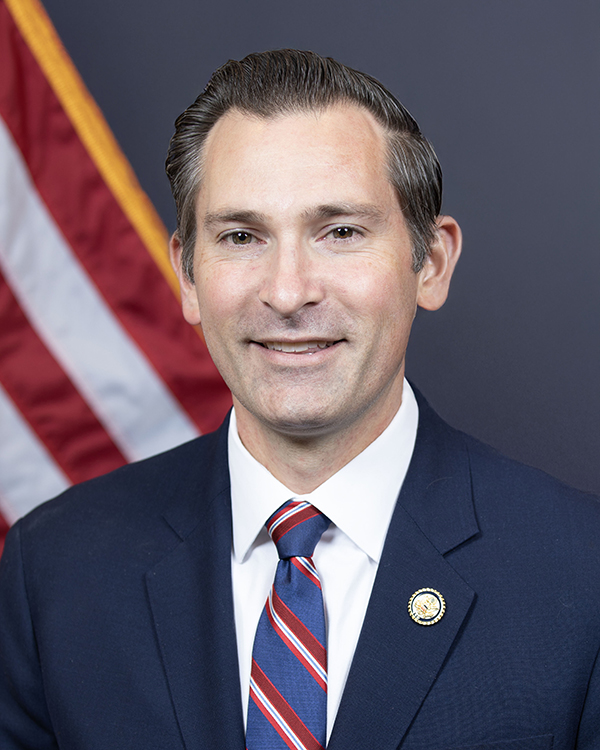
Matt Van Epps
86% support rate
Top opponent
Adelita S. Grijalva
14% support rate
Ranked legislators
10
5 support · 5 oppose
Key legislators

Who's moving transportation in United States

Legislators moving transportation in United States
Legislator Party Stance Support rate Votes
Matt Van Epps
Matt Van Epps House · District 7
R
Strong +
86% 67
Martin Heinrich
Martin Heinrich Senate
D
Support
78% 133
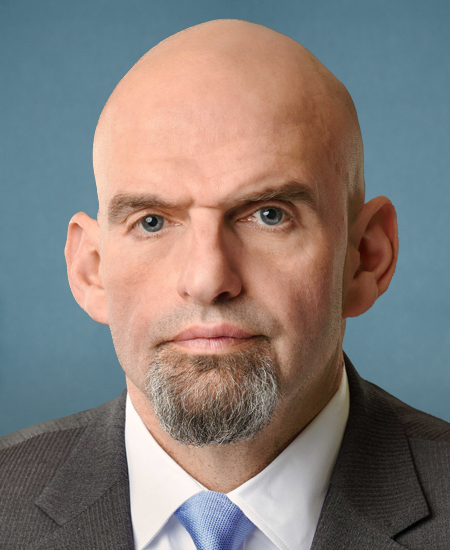
John Fetterman
John Fetterman Senate
D
Support
70% 150
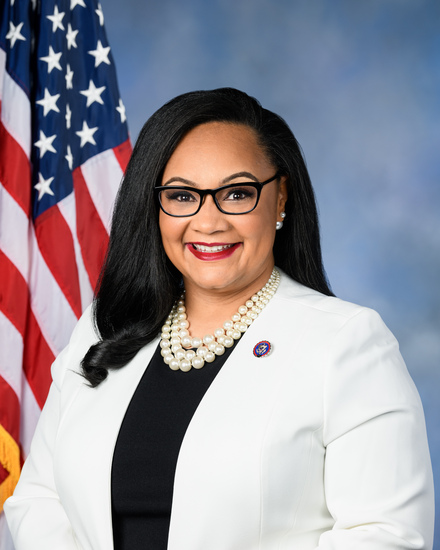
Nikema Williams
Nikema Williams House · District 5
D
Support
70% 113
Greg Casar
Greg Casar House · District 35
D
Support
70% 105
Adelita S. Grijalva
Adelita S. Grijalva House · District 7
D
Strong −
14% 72
James R. Walkinshaw
James R. Walkinshaw House · District 11
D
Strong −
14% 80
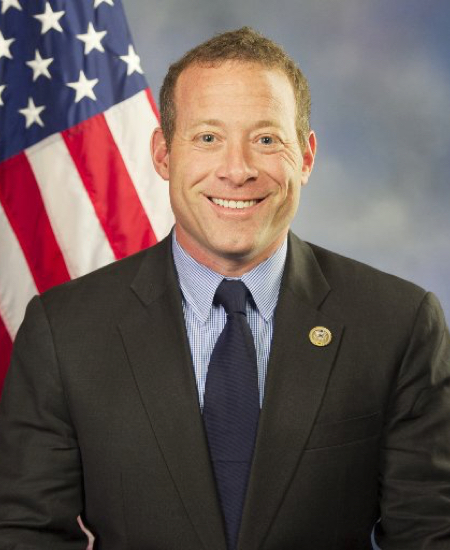
Josh Gottheimer
Josh Gottheimer House · District 5
D
Strong −
14% 109
Marsha Blackburn
Marsha Blackburn Senate
R
Oppose
22% 128
Donald Norcross
Donald Norcross House · District 1
D
Oppose
25% 107
Showing 51–60 of 119 bills

All transportation bills

in committee · United States · House Jan 14, 2025

HR 376: Historic Roadways Protection Act

HR 376, the Historic Roadways Protection Act, prohibits the use of federal funds to finalize or implement specific travel management plans for certain areas in Utah during an ongoing legal period. The bill directly affects the Bureau of Land Management (BLM), blocking funding for 10 designated travel management areas (like the Henry Mountains and San Rafael Swell) and four specific plans (including the Indian Creek and San Rafael Desert plans) until all related R.S. 2477 legal cases are resolved. The restriction applies only to Utah lands and remains in effect from the bill's enactment until the Secretary of the Interior certifies the resolution of all 22 named legal cases. This is a funding prohibition, not a policy change to road access.
Sub-Topics Roads & Highways
in committee · United States · Senate Jul 30, 2025

S 2536: Safeguarding American Tourism Act

This bill exempts large cruise ships (with 800+ passenger berths) from certain U.S. maritime regulations when transporting passengers between U.S. ports, either directly or via foreign ports. Specifically, it removes requirements under the Passenger Vessel Safety Act (PVSA), the Jones Act, and crew citizenship rules for these vessels. The key provision creates a consistent exemption for qualifying large passenger vessels operating domestic U.S. routes, streamlining compliance for cruise operators. The bill does not change other applicable laws, as clarified in its final rule of construction.
Sub-Topics Ports
in committee · United States · House Jan 13, 2025

HR 346: Preserving Choice in Vehicle Purchases Act

HR 346, the Preserving Choice in Vehicle Purchases Act, amends the Clean Air Act to clarify that state emissions standards directly or indirectly limiting sales of new internal combustion engine vehicles (ICE) would not qualify for federal EPA waivers. It adds a specific definition to the law, requiring states to avoid restrictions on ICE vehicle sales to maintain waiver eligibility. The bill also mandates the EPA to revoke existing waivers granted between January 2022 and the bill's enactment if those waivers didn't comply with the new definition. This directly affects states with their own vehicle emission standards (like California), the EPA's waiver approval process, and automakers selling vehicles in those states.
in committee · United States · House Mar 18, 2026

HR 5525: Stop DC CAMERA Act

HR 5525, the Stop DC CAMERA Act, repeals two specific traffic enforcement provisions in Washington D.C. law. It removes the District's authority to use automated traffic enforcement systems (like red-light cameras) and to erect signage prohibiting right turns at red lights. This bill directly affects D.C. traffic enforcement policies and drivers who would be subject to those specific enforcement methods. The legislation makes a concrete policy change by eliminating these two existing enforcement tools from D.C. traffic regulations.
in committee · United States · House Mar 18, 2025

HR 2218: Stop CARB Act of 2025

HR 2218 (Stop CARB Act of 2025) would block California from enforcing its own emissions standards for construction equipment, farm machinery, and locomotives by repealing federal provisions that allow states to set stricter rules. It specifically repeals Section 177 of the Clean Air Act, which authorizes California’s vehicle standards, and invalidates all existing waivers permitting California’s regulations (including those for nonroad engines) upon enactment. The bill also denies any pending waiver applications and removes references to California’s standards from other Clean Air Act sections. This directly affects California’s regulatory authority over emissions for these specific equipment types and vehicle categories.
Sub-Topics Air Quality
in committee · United States · House Jan 3, 2025

HR 199: Implementing DOGE Act

This bill requires automatic, across-the-board spending cuts to nonsecurity federal programs for fiscal years 2026 and beyond. It targets nonsecurity discretionary spending (like education, transportation, and environmental programs) by rescinding the percentage of growth above 1% compared to the previous year's funding. The cuts apply proportionally to all nonsecurity programs after appropriations are made available for the fiscal year (by September 30). Security-related spending (such as defense) is excluded from these reductions.
in committee · United States · House Nov 20, 2025

HR 6200: ESSENTIAL Act

HR 6200, the ESSENTIAL Act, directs the Environmental Protection Agency (EPA) and Transportation Secretary to repeal regulations that encourage or require vehicle manufacturers to install engine idle start-stop technology within one year of enactment. This technology automatically shuts off a vehicle’s engine when stopped and restarts it when accelerating. The bill prohibits new rules promoting this technology but allows exceptions if repeal would increase carbon monoxide poisoning risks. Agencies must submit two reports to Congress detailing their implementation of the repeal by 180 days and one year after enactment. The bill affects federal regulations governing vehicle features but does not directly change vehicle standards or consumer choices.
in committee · United States · House May 5, 2025

HR 3196: Improving Helicopter Safety Act of 2025

HR 3196, the Improving Helicopter Safety Act of 2025, prohibits civil helicopter flights within a 20-mile radius of the Statue of Liberty National Monument, effective 60 days after enactment. This directly affects helicopter tour operators and commercial flight services near the monument, with exceptions for emergency response (law enforcement, medical services), infrastructure maintenance, and certain news/media flights. The bill requires the FAA to issue implementing regulations within 90 days to enforce the no-fly zone. The law aims to enhance safety and reduce disruptions in this high-traffic tourist area while allowing essential operations.
Sub-Topics Airports
in committee · United States · House May 13, 2025

HR 3330: Energy Freedom Act

HR 3330, the Energy Freedom Act, repeals numerous tax credits and incentives related to clean energy and energy efficiency. The bill specifically targets credits for residential energy improvements, clean vehicles, renewable energy production, biofuels, and energy-efficient buildings. These repeals would eliminate tax benefits for individuals and businesses that previously claimed these credits. The changes would take effect for property placed in service, vehicles acquired, or credits claimed after December 31, 2025, depending on the specific provision. The bill does not repeal all energy-related tax provisions, as section 7 modifies the Second Generation Biofuel Producer Credit rather than repealing it.
in committee · United States · House Jan 16, 2025

HR 549: To amend the Internal Revenue Code of 1986 to repeal the clean fuel production credit.

HR 549 repeals a tax credit for clean fuel production from the Internal Revenue Code. It directly affects companies that produce clean fuel, removing a financial incentive they previously received. The bill eliminates Section 45Z of the tax code, which provided this credit, meaning businesses will no longer qualify for this specific tax benefit. The repeal takes effect for tax years beginning after December 31, 2024.
Showing 51 to 60 of 119 bills
Previous 1 5 6 7 12 Next