Issue · Transportation

Transportation

Every transportation bill, vote, and legislator stance in United States, automatically classified by Maddy, our AI policy reader.

Total bills
850
119th Congress
Top supporter
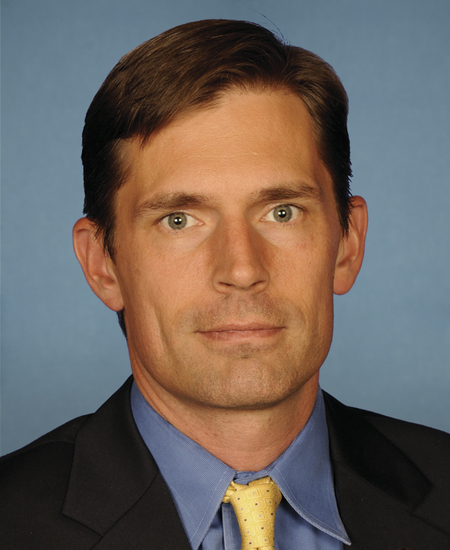
Martin Heinrich
78% support rate
Top opponent
Marsha Blackburn
22% support rate
Ranked legislators
10
5 support · 5 oppose
Key legislators

Who's moving transportation in United States

Legislators moving transportation in United States
Legislator Party Stance Support rate Decisive votes
Martin Heinrich
Martin Heinrich Senate
D
Support
78% 9
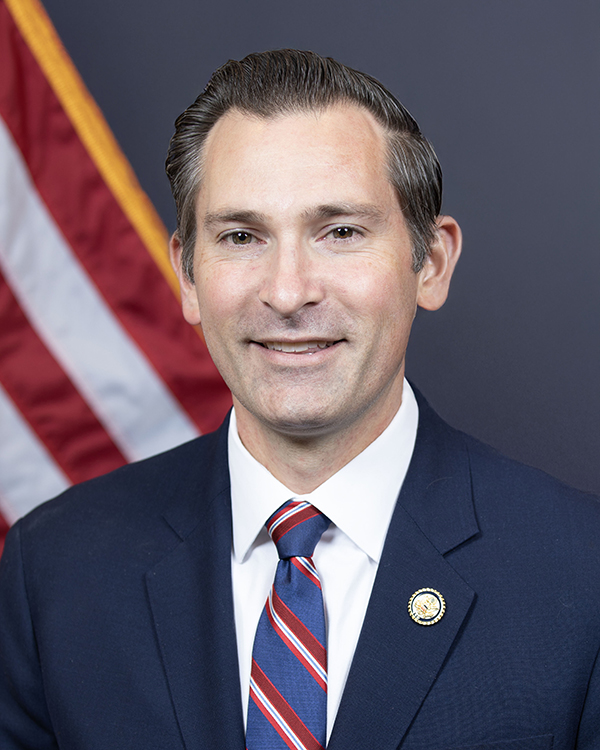
Matt Van Epps
Matt Van Epps House · District 7
R
Support
78% 9
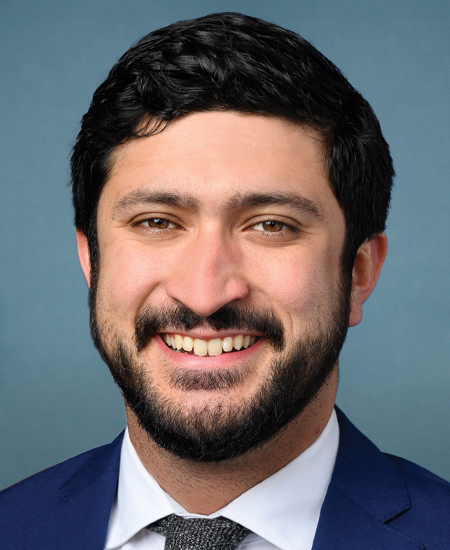
Greg Casar
Greg Casar House · District 35
D
Support
75% 12
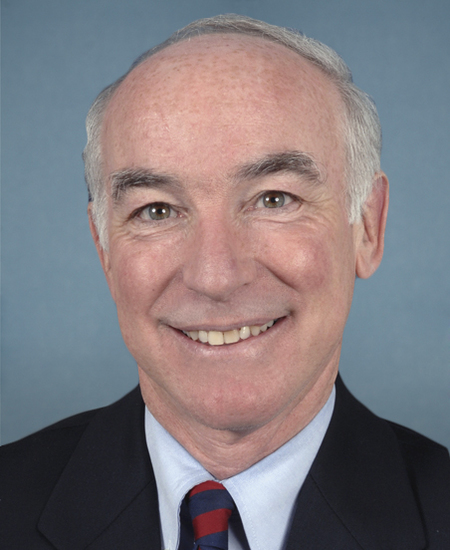
Joe Courtney
Joe Courtney House · District 2
D
Support
75% 12
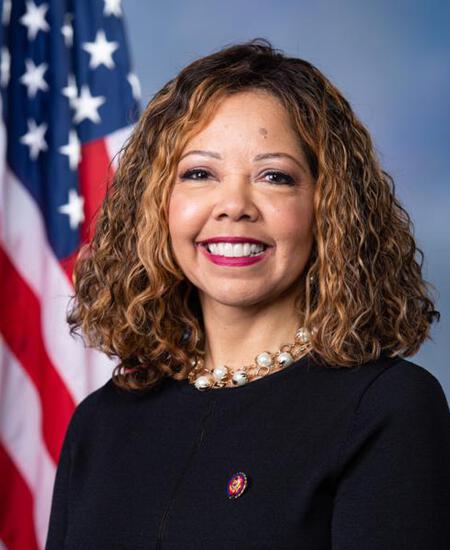
Lucy McBath
Lucy McBath House · District 6
D
Support
75% 12
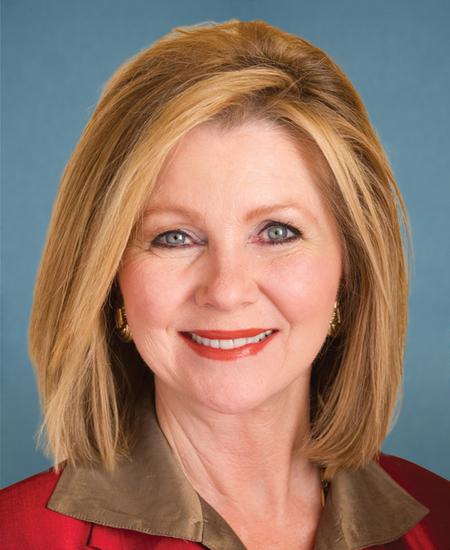
Marsha Blackburn
Marsha Blackburn Senate
R
Oppose
22% 9
Ted Budd
Ted Budd Senate
R
Oppose
25% 12
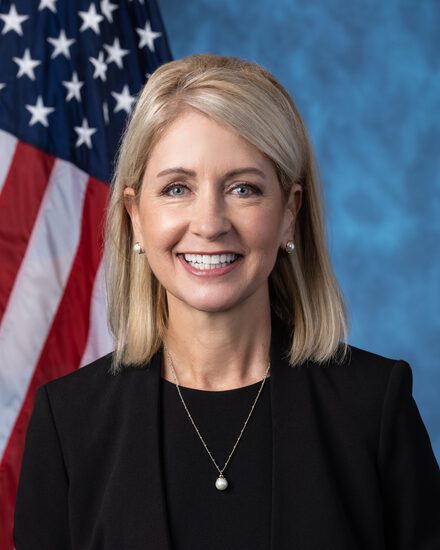
Mary E. Miller
Mary E. Miller House · District 15
R
Oppose
29% 14
Wesley Hunt
Wesley Hunt House · District 38
R
Oppose
30% 10
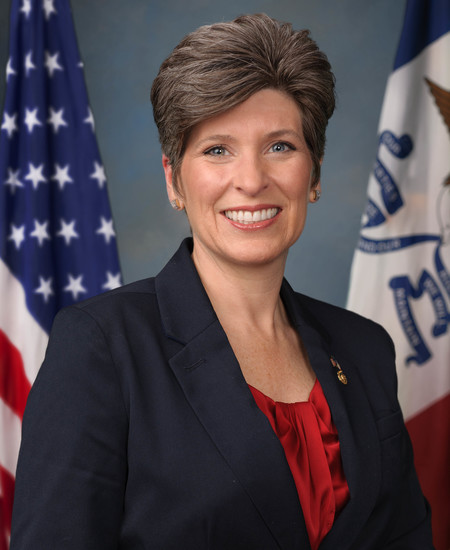
Joni Ernst
Joni Ernst Senate
R
Oppose
31% 26
Showing 291–300 of 850 bills

All transportation bills

in committee · United States · Senate Oct 21, 2025

S 1278: Fog Observations and Geographic Forecasting Act

S 1278, the Fog Observations and Geographic Forecasting Act, directs the Under Secretary of Commerce for Oceans and Atmosphere to improve coastal marine fog forecasts. The bill requires expanding marine fog observations using buoys, weather stations on vessels, satellites, and advanced data analysis, while also enhancing fog modeling accuracy and NOAA's advisory communication. This aims to directly benefit maritime safety and reduce economic disruptions for ships and coastal industries affected by fog events. The project must include stakeholder and tribal engagement, with a detailed implementation plan due within one year of enactment.
Sub-Topics Ports
in committee · United States · House Jul 10, 2025

HR 4344: Resilient LEO PNT Act

HR 4344, the Resilient LEO PNT Act, directs the Air Force to fund a demonstration project with U.S.-based commercial satellite companies to develop a backup system for GPS. The bill requires this system to operate without GPS, work with existing civilian GPS equipment, resist jamming/spoofing better than current GPS, and deliver high-precision timing (under 10 nanoseconds) and positioning (under 30 centimeters). It specifically targets commercial providers meeting U.S. office and service criteria, aiming to create a resilient low-Earth orbit satellite capability. The demonstration must be completed within 18 months, with potential follow-on contracts for successful providers to move toward operational use.
in committee · United States · House Nov 20, 2025

HR 6039: Commonsense Legislating Act

The Commonsense Legislating Act (HR 6039) makes several significant changes to federal programs. It extends the FAST Program through 2030, requires enhanced outreach to minority and Hispanic-serving institutions for small business grants, and expands the work opportunity tax credit to include military spouses. The bill establishes a Working Families Task Force to address challenges like affordability and childcare, and mandates annual mental health consultations for veterans with service-connected mental health disabilities. Additionally, it creates Native American tourism grant programs with $35 million in funding for 2026-2030 and establishes a Fentanyl Disruption Steering Group within the National Security Council.
Sub-Topics Tax Credits Mental Health Military Families Veteran Mental Health Tags Small Business Tribal Nations
passed · United States · House Apr 29, 2025

HR 973: Setting Consumer Standards for Lithium-Ion Batteries Act

This bill requires the Consumer Product Safety Commission (CPSC) to adopt specific existing safety standards for lithium-ion batteries used in e-bikes, scooters, and other personal micromobility devices within 180 days of enactment. It mandates that these standards apply only to consumer products as defined by federal law, directly affecting manufacturers of such devices. The bill also establishes a process for the CPSC to review future revisions to these voluntary standards and requires a report to Congress within five years detailing battery-related fire or explosion incidents involving these products. The law aims to standardize safety requirements without creating new rules, relying instead on established industry guidelines.
Sub-Topics Electric Vehicles
in committee · United States · Senate Oct 29, 2025

S 2235: Diesel Emissions Reduction Act of 2025

This bill extends the deadline for a program under the Energy Policy Act of 2005 from 2024 to 2029. It amends Section 797(a) of that act to reauthorize the existing diesel emissions reduction funding mechanism. The change directly affects the administration of this federal program, which supports projects reducing emissions from diesel engines. No new requirements or policy changes are introduced - only a deadline extension for an existing program.
Sub-Topics Climate Change
in committee · United States · Senate Mar 12, 2025

S 995: Choice in Automobile Retail Sales Act of 2025

This bill repeals the EPA's 2024 emissions standards for light- and medium-duty vehicles and amends the Clean Air Act to prevent future regulations from mandating specific technologies or limiting new vehicle availability based on engine type. It directly affects the EPA's regulatory authority and vehicle manufacturers by blocking technology mandates and restrictions on engine types in new vehicles. Key provisions require the EPA to revise regulations within 24 months to align with these changes, ensuring no federal rules limit vehicle choices based on engine technology. The bill's title is misleading, as it does not address automobile retail sales or consumer choice at dealerships.
in committee · United States · House Oct 21, 2025

HR 5806: Pre-Apprenticeship Wrap-around Support Services Fund Act of 2025

HR 5806, the Pre-Apprenticeship Wrap-around Support Services Fund Act of 2025, provides federal grants to organizations running pre-apprenticeship programs to offer stipends directly to participants. These stipends cover specific costs like transportation, lost wages from reduced work hours, and industry certification fees, primarily targeting individuals facing employment barriers. The bill requires grantees to track key outcomes - such as program completion rates, job placement in relevant industries, and earnings - within 12 months of program completion. It applies to pre-apprenticeship programs aligned with registered apprenticeships and mandates annual reporting to Congress on program effectiveness. The goal is to reduce financial barriers to entering skilled trades through structured support.
in committee · United States · House Jan 20, 2025

HR 568: Auto Theft Prevention Act

This bill creates a federal grant program to help state and local law enforcement combat auto theft and stolen vehicle trafficking. It authorizes $30 million annually (2026-2030) based on each state’s prior year auto theft rates, requiring states to allocate at least 50% of funds to local agencies in high-theft areas and 25% to state agencies. Funds can be used for specific auto theft prevention activities, including purchasing equipment (like license plate readers), hiring staff, training officers, and funding data collection. The program directly affects state and local law enforcement agencies by providing targeted funding for proven anti-theft measures.
died · United States · Senate Oct 9, 2025

S 2882: Continuing Appropriations and Extensions and Other Matters Act, 2026

This bill provides continuing appropriations for federal government operations through October 31, 2025, ensuring that agencies can maintain essential services without interruption. It authorizes funding for departments including Defense, Health and Human Services, Veterans Affairs, and Transportation, while extending specific programs like community health centers, Medicare services, and veterans' benefits. Key provisions include maintaining funding levels for existing programs, extending deadlines for various health and human services initiatives through October 2025, and providing specific amounts for programs like the WIC food assistance program. The bill also includes numerous extensions for programs that would otherwise expire, such as the National Health Service Corps and certain Medicare payment adjustments. This continuing resolution prevents government shutdowns by providing temporary funding until a full fiscal year 2026 appropriations bill can be enacted.
in committee · United States · Senate Feb 5, 2026

S 3800: ePermit Act

The ePermit Act requires federal agencies to adopt standardized digital systems for environmental reviews and authorizations, creating a unified online portal for project sponsors to submit documents, track progress, and access real-time data. It mandates data standards for consistent information sharing, automated tools for screening projects and managing public comments, and a deadline for full implementation by December 2027. The bill directly affects federal agencies (like the EPA and Army Corps of Engineers), project developers seeking permits, and the public by replacing fragmented paper-based processes with a transparent, digital platform. Key provisions include requiring agencies to report on current systems within 90 days, implement minimum functional tools within 180 days, and prioritize vendor-neutral interoperability to reduce delays and redundancy.
Sub-Topics Digital Government
Showing 291 to 300 of 850 bills
Previous 1 29 30 31 85 Next