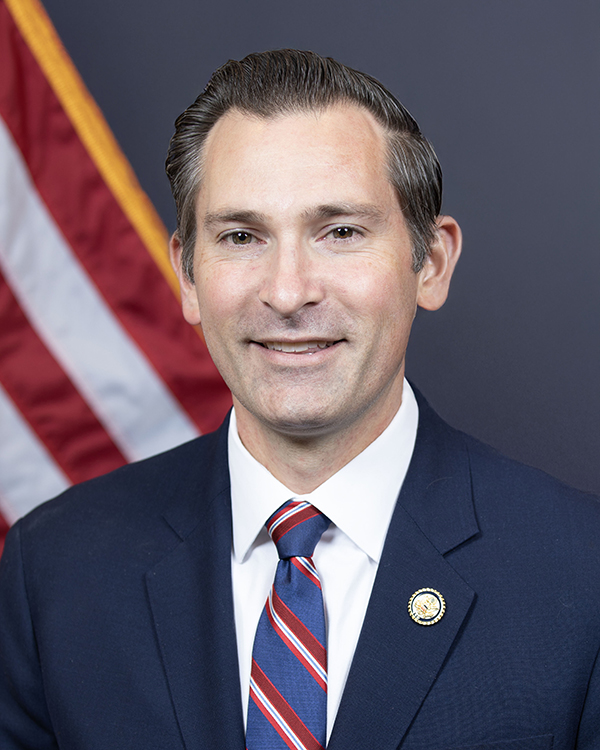
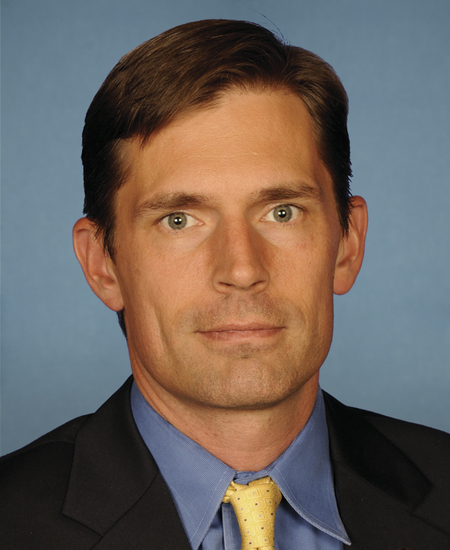
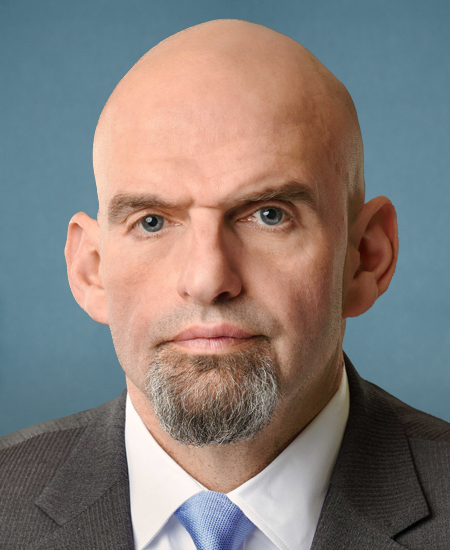
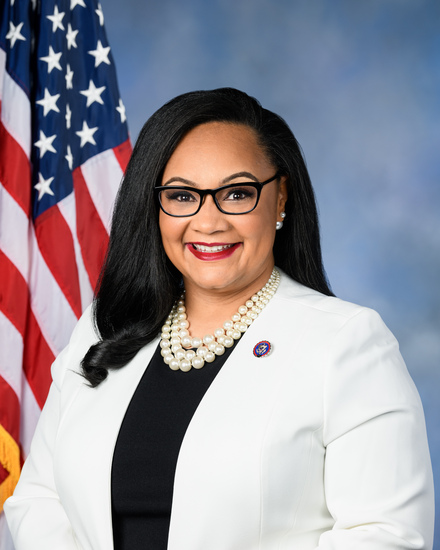
The Jimmy Deal Trafficking Survivors Assistance Act of 2026 requires the Transportation Security Administration to create a dedicated role called a Trafficking Survivor Point of Contact at airports nationwide. This position is designed to help nonprofit organizations that assist human trafficking victims navigate security screenings and travel procedures for individuals who lack proper identification documents. Under the bill, these contacts would work with service providers to verify identities in a trauma-informed manner, accompany survivors through security checkpoints, and waive specific identity verification fees. The law also mandates that the TSA publish online information about these services and ensures that designated contacts receive training on human trafficking and post-traumatic stress disorder.
This joint resolution seeks to block a specific rule issued by the Environmental Protection Agency that sets pollution control standards for nonroad engines used in commercial harbor craft. If passed, the measure would prevent the rule from taking effect, meaning the new regulations for these vessels would not be enforced. The bill directly impacts the EPA and the maritime industry by stopping the implementation of the stated pollution limits. It functions as a legislative veto, using existing federal law to disapprove the agency's decision without creating new policies itself.
This joint resolution seeks to overturn a 2009 Environmental Protection Agency rule that allowed California to set its own stricter greenhouse gas emission standards for new motor vehicles. By using a congressional disapproval process, the bill aims to cancel this waiver, which would force California to adopt the same vehicle pollution rules as the rest of the United States. If passed, the measure would directly affect vehicle manufacturers and the state of California by eliminating their ability to enforce unique environmental regulations for cars and trucks. The legislation does not propose new emission limits but instead restores the federal Clean Air Act's preemption over state-level vehicle standards.
This joint resolution seeks to disapprove a specific rule issued by the Environmental Protection Agency regarding pollution control standards for nonroad engines used in ocean-going vessels while they are at berth. If passed, the measure would legally void the EPA rule, preventing it from taking effect or continuing to apply to the shipping industry. The bill directly impacts the Environmental Protection Agency and maritime operators subject to these emission regulations by removing the federal mandate associated with the California standards.
The DRIVE Across America Act of 2026 establishes the Cleaner TRAILS Initiative to promote zero-emission vehicles and fueling infrastructure on National Forest and National Park lands. This program requires the Forest Service and National Park Service to develop a strategy for installing charging stations, purchasing electric vehicles for their fleets, and offering shuttle services that run on clean energy. The bill also directs the Department of Energy and the Department of Transportation to expand electric vehicle charging access near airports and tourist destinations, while authorizing $1 billion in federal funding between 2027 and 2031 to support these efforts. Additionally, the legislation mandates that agreements for transportation services on federal lands give priority to providers using zero-emission vehicles and requires regular reporting to Congress on progress and spending.
The Safety and Accountability in Freight Enforcement Act creates a new category called "chameleon carriers" to identify trucking companies that repeatedly change their legal identity to avoid safety penalties, insurance hikes, or enforcement actions. To combat this, the bill requires the Federal Motor Carrier Safety Administration to develop a specialized automated tool that analyzes business data to detect these patterns during the registration process. The legislation also mandates a study by the Government Accountability Office to estimate the number of such carriers and their impact on road safety, along with an appeals process for applicants denied registration based on the tool's findings.
The MAP Roads Act creates a pilot program that provides federal grants to states to help digitize and map county roads, directly affecting state and local transportation agencies. To receive funding, states must demonstrate they can distribute money to counties and maintain a centralized, publicly accessible online database for road data. The program prioritizes states with significant gaps in digital road records and requires that the resulting data be compatible with popular mapping platforms and updated at least once a year. Authorized funding of $20 million annually from 2026 to 2031 will support these efforts, while the bill explicitly ensures it does not change existing laws regarding road ownership or jurisdiction.
This bill proposes to reject a specific rule issued by the Environmental Protection Agency regarding pollution control standards for ocean-going vessels at ports in California. If passed, the measure would use a congressional veto to cancel the rule, preventing it from taking legal effect. The legislation directly impacts the EPA's ability to enforce these specific emission limits and affects shipping companies and ports in California that would have been subject to the new standards.
The PATH Act modifies federal funding rules for fixed guideway transit projects, such as light rail and subway lines, to better support high-growth communities. It allows agencies to use population density, population growth rates, and local development plans when forecasting how many people will use a new transit line. By updating these criteria, the bill aims to make it easier for cities with rapidly growing populations to qualify for capital investment grants. This change directly affects transit agencies and local governments seeking federal money to build or expand rail systems in expanding areas.
This bill allows Congress to reject a specific rule issued by the Environmental Protection Agency that concerns vehicle pollution standards in California. The measure would effectively cancel the EPA's decision to reinstate a waiver that previously let California set its own stricter air quality rules for cars. If passed, the rule would have no legal force, meaning California would lose the ability to enforce its Advanced Clean Car Program under the current framework. The legislation directly impacts the relationship between federal environmental regulations and state-level automotive policies.