Issue · Technology

Technology

Every technology bill, vote, and legislator stance in United States, automatically classified by Maddy, our AI policy reader.

Total bills
1,661
119th Congress
Top supporter
Ami Bera
86% support rate
Top opponent
Scott Perry
14% support rate
Ranked legislators
10
5 support · 5 oppose
Key legislators

Who's moving technology in United States

Legislators moving technology in United States
Legislator Party Stance Support rate Decisive votes
Ami Bera
Ami Bera House · District 6
D
Strong +
86% 22
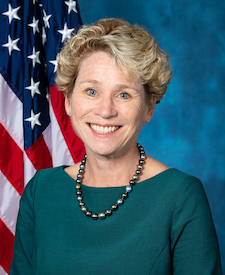
Chrissy Houlahan
Chrissy Houlahan House · District 6
D
Strong +
86% 22
Kim Schrier
Kim Schrier House · District 8
D
Strong +
86% 22
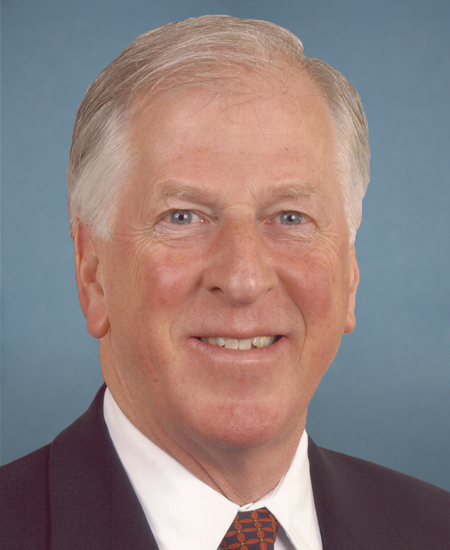
Mike Thompson
Mike Thompson House · District 4
D
Strong +
86% 22
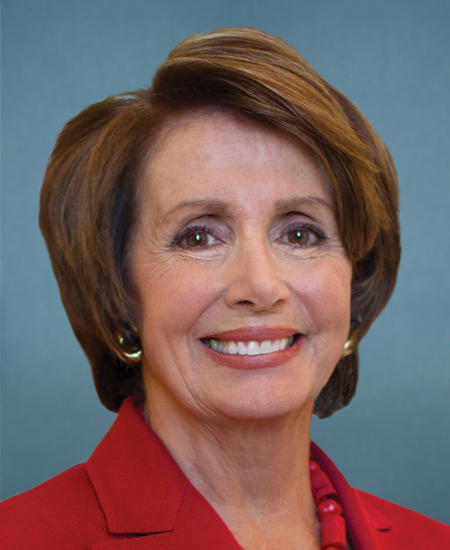
Nancy Pelosi
Nancy Pelosi House · District 11
D
Strong +
86% 22
Scott Perry
Scott Perry House · District 10
R
Strong −
14% 21
AA
Alan Armstrong Senate
R
Strong −
17% 29
Rand Paul
Rand Paul Senate
R
Strong −
17% 46
Josh Hawley
Josh Hawley Senate
R
Strong −
18% 45
Andy Harris
Andy Harris House · District 1
R
Strong −
18% 22
Showing 421–430 of 1,661 bills

All technology bills

in committee · United States · House May 22, 2026

HR 9016: Email Privacy Act

This bill, known as the Email Privacy Act, amends existing federal laws to clarify how information about stored emails can be shared and how government agencies can access email content. It requires internet service providers to use the term "disclose" rather than "divulge" when sharing subscriber data and expands the definition of who can receive this information to include agents of the customer. The legislation also changes rules for government warrants by allowing providers to notify customers about the receipt of a warrant unless the government requests otherwise, while maintaining exceptions for communications made public by the sender. Additionally, the bill removes a specific time limit that previously required a warrant for emails stored for less than 180 days, ensuring consistent warrant requirements for all stored communications.
in committee · United States · House Jul 13, 2026

HR 8720: Campaign Finance Transparency Act

This bill, known as the Campaign Finance Transparency Act, requires political committees in federal elections to collect specific personal information from donors using online credit or debit cards, including card verification codes and billing ZIP codes. It also mandates that the name on the payment card must match the donor's name and bans the acceptance of contributions made with gift cards. Additionally, the legislation lowers the reporting threshold for campaign contributions from $200 to any amount and prohibits individuals from helping others make donations in someone else's name. These rules aim to increase donor transparency by making it harder to conceal the identity of contributors while establishing clear duties for committees to refund non-compliant payments.
Sub-Topics Data Privacy Tags Government Transparency
in committee · United States · House May 4, 2026

HR 8664: SBA AI Adoption Reporting Act of 2026

This bill directs the Small Business Administration to create a plan for disclosing how it uses artificial intelligence in its operations and contracting. The agency must submit this implementation plan to Congress within 45 days of the law's enactment, outlining specific steps to define roles and document AI usage decisions. The requirements are based on a prior government report and existing federal guidelines aimed at increasing transparency in federal AI adoption. Ultimately, the legislation ensures the SBA formally reports its AI strategies and progress to legislative oversight committees.
Sub-Topics Artificial Intelligence Tags Small Business
in committee · United States · Senate Apr 20, 2026

S 4349: Parents Over Platforms Act

The Parents Over Platforms Act requires app stores and developers to verify user ages and restrict access to adult-only content for minors. App stores must ask users to declare their age and allow parents to block specific applications, while developers are prohibited from showing personalized ads to minors and must prevent them from accessing age-gated features. The law grants the Federal Trade Commission authority to enforce these rules and includes a preemption clause that stops states from passing their own conflicting regulations. Developers are solely responsible for identifying which of their apps require age restrictions, and the bill includes protections for companies acting in good faith when technical limitations prevent perfect age verification. These measures will take effect two years after the legislation is enacted.
in committee · United States · Senate May 18, 2026

S 4559: Energy Cost Fairness and Reliability Act of 2026

The Energy Cost Fairness and Reliability Act of 2026 establishes new federal rules to manage the connection of large energy users, specifically data centers and other facilities with peak demand exceeding 50 megawatts, to the national power grid. Under this bill, these large load customers must pay the full cost for any grid upgrades required to accommodate their connection and must demonstrate the ability to reduce or shift their electricity usage when the grid is stressed. The legislation also creates a formal queue system for interconnection requests, prioritizes facilities that use battery backup or hire apprentices, and requires owners to provide proof of financial commitment before proceeding. Additionally, the Department of Energy is tasked with collecting data on data center energy use to track trends and establish a research testbed for developing more efficient artificial intelligence technologies.
in committee · United States · House May 19, 2026

HR 8895: No Rigged Grocery Prices Act

The No Rigged Grocery Prices Act prohibits grocery stores and third-party delivery services from using a customer's personal data to raise prices for specific individuals. While the law allows for standard promotions, loyalty rewards, and objective cost differences like shipping fees, it bans dynamic pricing that targets consumers based on their personal information. Retailers must also inform customers if item availability changes or if prices are calculated by weight, and delivery services need explicit permission before swapping out grocery items. Violations of these rules would be treated as unfair business practices enforceable by the Federal Trade Commission. Additionally, the bill requires the Department of Labor to report on how the adoption of electronic shelf labels affects employment at grocery stores.
in committee · United States · Senate May 14, 2026

S 4539: Protecting Charitable Giving Act

The Protecting Charitable Giving Act strengthens penalties for unauthorized disclosures of donor information from certain tax-exempt organizations, specifically raising fines to a range of $10,000 to $250,000. It also expands legal venue options to allow prosecutions in the district where victims reside and requires the IRS to issue reports detailing audit results and prevention steps for such breaches. These changes directly affect organizations classified under sections 501(c)(3) and 501(c)(4) that maintain records of contributor names or addresses.
in committee · United States · Senate May 14, 2026

S 4527: Improving Emerging Tech Opportunities for Veterans Act of 2026

This bill updates the Department of Veterans Affairs' high technology program to include emerging fields like artificial intelligence and semiconductor manufacturing, aiming to help veterans find jobs in growing industries. It requires the VA, along with the Departments of Defense and Labor, to partner with private sector employers and schools to identify these new job opportunities and the specific training needed to fill them. The agencies must then prominently display this information on their websites and promote it to veterans during their transition from military service. Additionally, the law mandates that the list of relevant industries and occupations be reviewed and updated every quarter to reflect changing market demands, with the entire program set to expire in September 2027.
in committee · United States · House May 20, 2026

HR 8748: Surface Transportation Research and Development Act of 2026

The Surface Transportation Research and Development Act of 2026 updates federal programs to extend their funding periods through fiscal year 2031 and establishes a new Transportation Statistics Coordination Council to oversee data collection across the Department of Transportation. The bill also creates a study on the safety impacts of new headlamp technologies and requires a strategy to increase the use of reclaimed asphalt in road construction. Additionally, it expands rail research to address safety challenges in modern commuter and freight systems while ensuring data standards remain consistent.
in committee · United States · House May 11, 2026

HR 8730: Connected Vehicle Security Act of 2026

The Connected Vehicle Security Act of 2026 restricts the importation, sale, and manufacture of vehicles and related technology from specific countries, including China, Russia, Iran, and North Korea, to address national security concerns. The law defines prohibited items as connected vehicles, their software, and hardware components and sets different effective dates, with vehicle bans starting in 2027 and hardware restrictions beginning in 2030. A government official can grant exceptions for specific items after reviewing security risks and notifying Congress, while the agency must publish annual reports on enforcement actions and compliance.
Showing 421 to 430 of 1,661 bills
Previous 1 42 43 44 167 Next