Issue · Technology

Technology

Every technology bill, vote, and legislator stance in United States, automatically classified by Maddy, our AI policy reader.

Total bills
1,647
119th Congress
Top supporter
Ami Bera
86% support rate
Top opponent
Alan Armstrong
14% support rate
Ranked legislators
10
5 support · 5 oppose
Key legislators

Who's moving technology in United States

Legislators moving technology in United States
Legislator Party Stance Support rate Decisive votes
Ami Bera
Ami Bera House · District 6
D
Strong +
86% 22
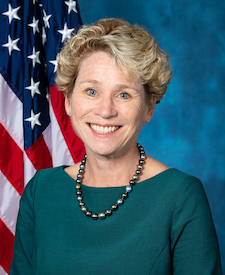
Chrissy Houlahan
Chrissy Houlahan House · District 6
D
Strong +
86% 22
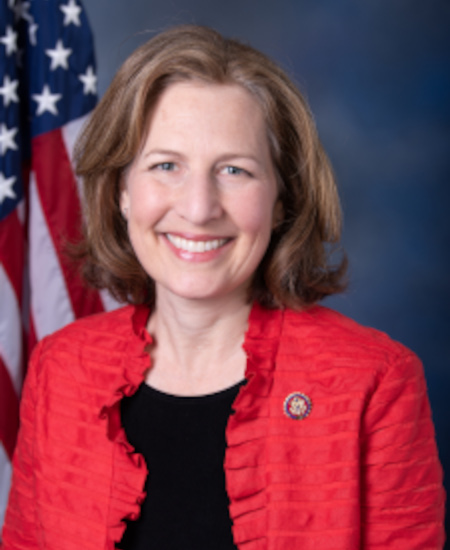
Kim Schrier
Kim Schrier House · District 8
D
Strong +
86% 22
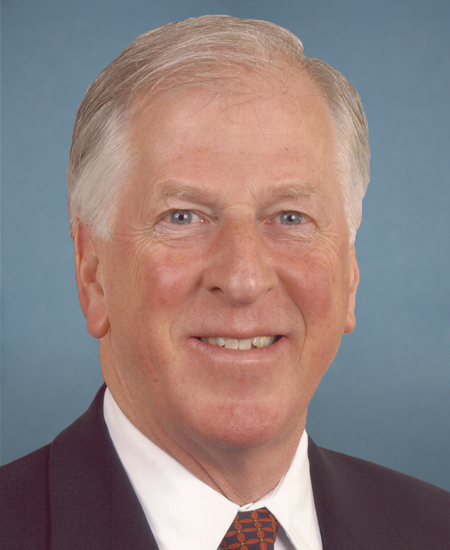
Mike Thompson
Mike Thompson House · District 4
D
Strong +
86% 22
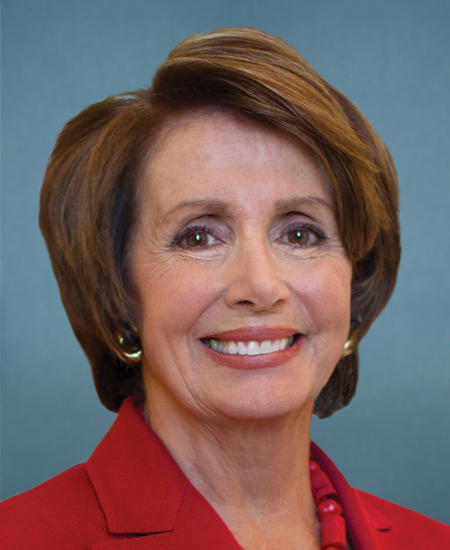
Nancy Pelosi
Nancy Pelosi House · District 11
D
Strong +
86% 22
AA
Alan Armstrong Senate
R
Strong −
14% 28
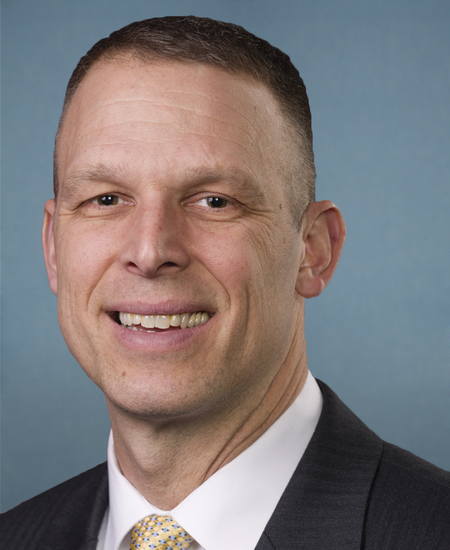
Scott Perry
Scott Perry House · District 10
R
Strong −
14% 21
Rand Paul
Rand Paul Senate
R
Strong −
16% 45
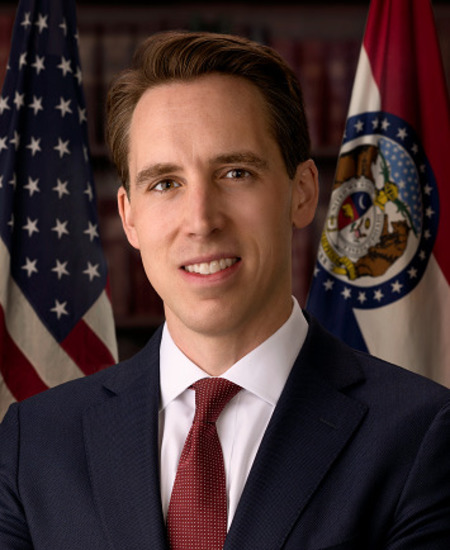
Josh Hawley
Josh Hawley Senate
R
Strong −
18% 44
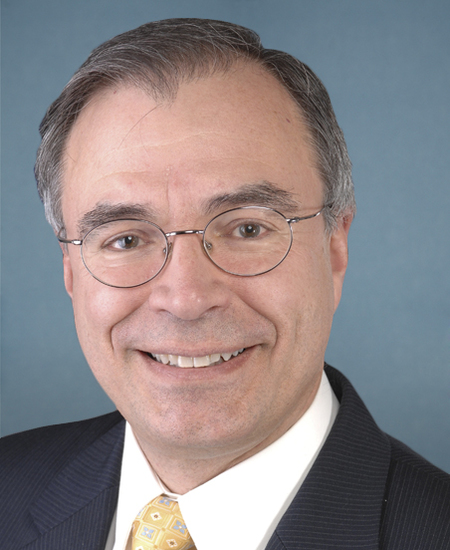
Andy Harris
Andy Harris House · District 1
R
Strong −
18% 22
Showing 301–310 of 1,647 bills

All technology bills

in committee · United States · House Jun 3, 2026

HR 9125: Sectoral AI Governance Act of 2026

The Sectoral AI Governance Act of 2026 gives federal agencies with enforcement powers the ability to create specific rules targeting algorithmic decision-making systems that are likely to cause violations of existing federal laws. Under this bill, agencies must publish a public notice at least 60 days before proposing rules to allow for feedback, while also consulting with other agencies and technical experts to ensure consistency and avoid conflicts. The legislation requires agencies to periodically review these rules every five years and submit biennial reports to Congress detailing their rulemaking activities, enforcement actions, and assessments of potential discriminatory impacts. By clarifying regulatory authority and mandating transparency, the bill aims to improve coordination across the federal government without preempting state laws on the same topics.
in committee · United States · House Jun 3, 2026

HR 9134: Protecting Student Privacy Act

The Protecting Student Privacy Act prevents federal student aid data from being shared with immigration enforcement agencies for the purpose of enforcing immigration laws. This rule applies to information held by the Department of Education regarding students and their financial contributors, such as parents or spouses, and blocks its use for arrests, interviews, or surveillance by the Department of Homeland Security and other authorized entities. The law includes specific exceptions for court orders related to criminal offenses and for cases where a student or contributor voluntarily and without pressure consents to sharing their information. Additionally, the bill requires the Secretary of Education to report any unauthorized disclosures to Congress and states that this new rule overrides any conflicting state or local laws.
in committee · United States · House Sep 8, 2026

HR 9098: Congressional Records Protection Act of 2026

This bill, known as the Congressional Records Protection Act, aims to shield the personal and official communications of Members of Congress and their employees from government searches and subpoenas. It directly affects federal, state, and local law enforcement agencies by prohibiting them from obtaining records related to these individuals unless the person is the specific target of a criminal investigation. Under the new rules, agencies must notify the affected Member or employee before searching their records, except in urgent cases where notice could endanger lives or destroy evidence. Additionally, any materials found during a search that belong to a protected individual cannot be reviewed for 30 days to ensure they are not accessed without proper oversight.
Sub-Topics Law Enforcement
in committee · United States · House Sep 1, 2026

HR 9129: GUARD Act of 2026

The GUARD Act of 2026 requires U.S. national security agencies to evaluate whether humanoid or quadruped robots made by foreign entities pose a risk to national security. If a robot is determined to be unsafe or comes from a country of concern, the Federal Communications Commission will add it to a banned list, preventing its use in U.S. communications networks. The law mandates that agencies report their findings to Congress within specific timeframes, ensuring transparency about these security assessments. Importantly, the rule does not apply to allies such as NATO members or designated Major Non-NATO Allies.
in committee · United States · House May 20, 2026

HR 8926: State and Local Public Sector Innovation Act

The State and Local Public Sector Innovation Act creates a grant program to help state and local governments upgrade their technology systems to improve security and service efficiency. Funded by $500 million over four years, the program distributes money equally based on population and specific needs, with at least 70% of funds directed directly to local political subdivisions. Recipients can use the money for tasks such as buying new technology, updating cybersecurity, hiring staff, and ensuring compliance with data privacy and post-quantum cryptography standards. The Assistant Secretary of Commerce for Communications and Information will oversee the program, conduct surveys to assess state needs, and provide technical guidance on data security and artificial intelligence usage.
in committee · United States · Senate Jun 1, 2026

S 4649: Email Privacy Act

The Email Privacy Act amends federal law to clarify how electronic communication providers must handle user data disclosures and government requests. It changes the definition of when a provider can share information, ensuring that voluntary disclosures are limited to the people involved in the communication or their agents, and it updates the terminology used to describe how data is stored. The bill also modifies the rules for government access, requiring warrants for obtaining the contents of stored communications and allowing providers to notify users about certain warrants and legal requests. Additionally, the legislation includes specific exceptions for communications related to public advertisements and ensures that the act does not restrict Congress's power to issue subpoenas.
in committee · United States · Senate May 21, 2026

S 4633: Unmanned and Autonomous Systems Strategy Act of 2026

The Unmanned and Autonomous Systems Strategy Act of 2026 requires the Secretary of Defense to create a comprehensive plan for deploying unmanned and autonomous systems in the Indo-Pacific and Western Hemisphere regions. This strategy must involve coordination with military commanders, the Coast Guard, and other government officials, covering areas such as artificial intelligence integration, supply chain security, and partnerships with allies like Japan, Australia, and Ukraine. The bill mandates that the Defense Department submit this strategy to Congress within 180 days and provide annual updates through 2030 on implementation progress and changes in enemy capabilities.
in committee · United States · House Jun 2, 2026

HR 9112: CREATOR Act

The CREATOR Act establishes a new federal intellectual property right that allows visual artists to control the commercial use of their distinctive visual style. This right applies specifically to works created using artificial intelligence that are intentionally designed to imitate an artist's style and marketed in a way that could mislead viewers about the work's origin. The law protects this right for the artist's lifetime and for up to 50 years after their death, while explicitly excluding general artistic influence, parody, and the mere capability of AI systems to produce similar outputs. Online platforms are granted safe harbors from liability if they remove flagged content promptly upon receiving valid notices, and the Act includes provisions to prevent abuse through penalties for false claims.
in committee · United States · House May 20, 2026

HR 8915: NO FAKES Act of 2026

The NO FAKES Act of 2026 grants individuals and their heirs a new property right to control the creation and use of digital replicas of their voice or visual likeness, preventing unauthorized use in computer-generated media. This right lasts for the individual's lifetime plus 10 years after death, with potential extensions for continued commercial use, and applies to both living and deceased people. Online platforms and companies distributing such content must register with the Copyright Office, remove unauthorized replicas upon receiving valid notices, and face civil penalties of up to $750,000 per work if they fail to comply or knowingly distribute unauthorized replicas. The law also preempts most existing state laws protecting voice and likeness rights, though it preserves protections for sexually explicit content and election-related uses.
in committee · United States · Senate May 21, 2026

S 4627: FARM AI Act of 2026

The FARM AI Act of 2026 directs the U.S. Department of Agriculture to integrate artificial intelligence into its research, education, and extension programs to help farmers improve productivity and resource management. This legislation mandates that federal funding for agricultural sciences include specific projects focused on AI adoption, workforce training, and the development of precision farming tools. To coordinate these efforts, the bill creates a new position called the Artificial Intelligence Agriculture Advisor, who will work with other agencies to promote AI use and establish national standards for the sector. Ultimately, the law aims to support small and family-run farms by providing technical assistance and ensuring access to modern digital technologies.
Sub-Topics Workforce Development Artificial Intelligence Tags Agriculture
Showing 301 to 310 of 1,647 bills
Previous 1 30 31 32 165 Next