Issue · Technology

Technology

Every technology bill, vote, and legislator stance in United States, automatically classified by Maddy, our AI policy reader.

Total bills
1,647
119th Congress
Top supporter
Ami Bera
86% support rate
Top opponent
Alan Armstrong
14% support rate
Ranked legislators
10
5 support · 5 oppose
Key legislators

Who's moving technology in United States

Legislators moving technology in United States
Legislator Party Stance Support rate Decisive votes
Ami Bera
Ami Bera House · District 6
D
Strong +
86% 22
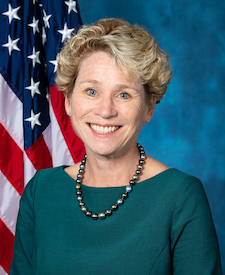
Chrissy Houlahan
Chrissy Houlahan House · District 6
D
Strong +
86% 22
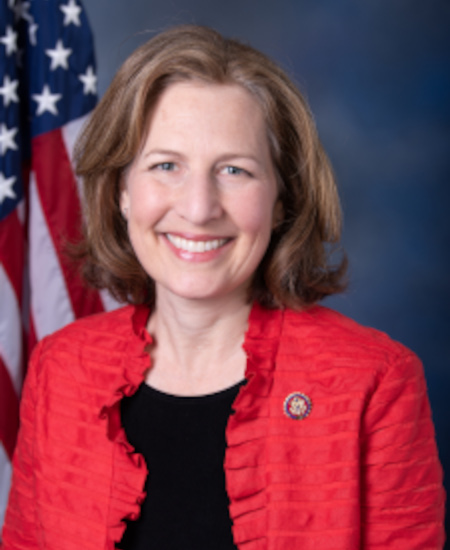
Kim Schrier
Kim Schrier House · District 8
D
Strong +
86% 22
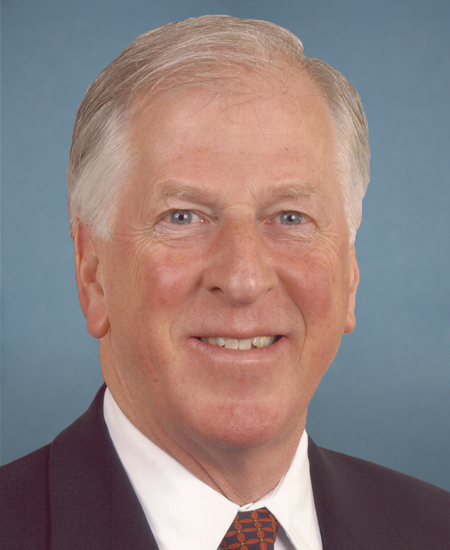
Mike Thompson
Mike Thompson House · District 4
D
Strong +
86% 22
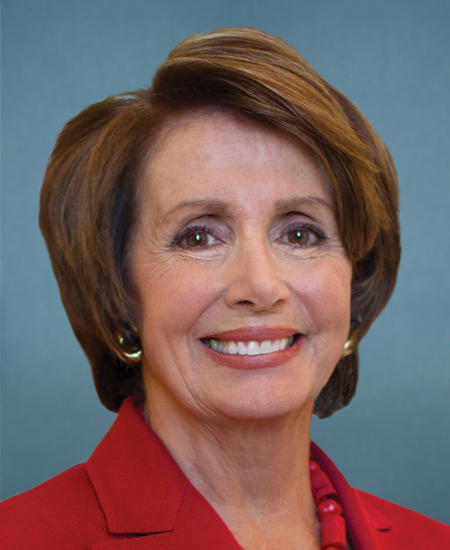
Nancy Pelosi
Nancy Pelosi House · District 11
D
Strong +
86% 22
AA
Alan Armstrong Senate
R
Strong −
14% 28
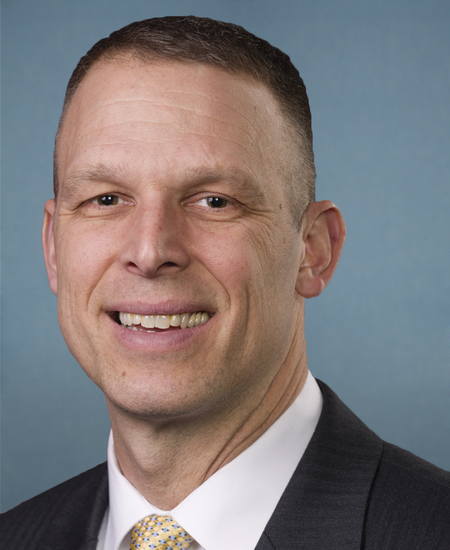
Scott Perry
Scott Perry House · District 10
R
Strong −
14% 21
Rand Paul
Rand Paul Senate
R
Strong −
16% 45
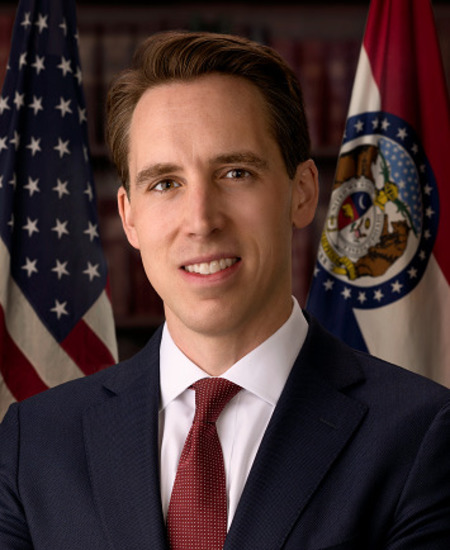
Josh Hawley
Josh Hawley Senate
R
Strong −
18% 44
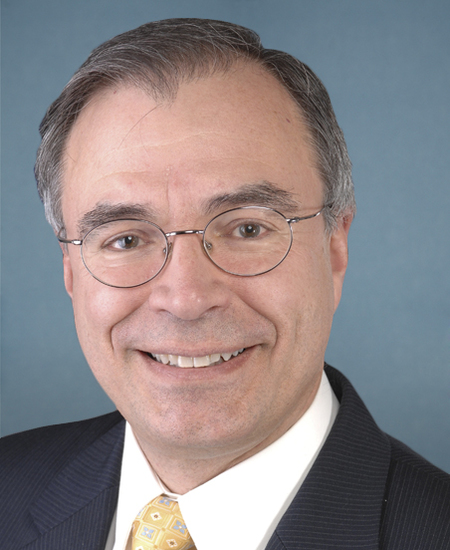
Andy Harris
Andy Harris House · District 1
R
Strong −
18% 22
Showing 1,441–1,450 of 1,647 bills

All technology bills

in committee · United States · House May 21, 2025

HR 3539: Leadership in CET Act

The Leadership in CET Act creates a temporary program to fast-track patent reviews for applications in critical technology areas like artificial intelligence, semiconductors, and quantum computing. To qualify, applications must be new utility patents without domestic benefit claims and submitted by non-foreign entities of concern (as defined by national security law). The program will accept up to 15,000 applications or run for five years, whichever comes first, and requires the U.S. Patent Office to report on its effectiveness to Congress. This policy change aims to accelerate patent processing for strategic technologies to support U.S. innovation leadership.
passed · United States · House Jul 15, 2025

HR 1765: Promoting United States Wireless Leadership Act of 2025

HR 1765, the Promoting United States Wireless Leadership Act of 2025, requires the Assistant Secretary of Commerce for Communications and Information to enhance U.S. representation and leadership in international wireless standards bodies (like 3GPP, IEEE, and ISO) that set rules for 5G and future wireless networks. It mandates encouraging participation and offering technical expertise to U.S. companies and stakeholders in these bodies, while excluding entities deemed "not trusted" due to national security concerns (based on existing government determinations). The bill also requires the Assistant Secretary to brief relevant congressional committees within 60 days of enactment on implementation strategy. This directly affects U.S. technology companies and experts participating in global wireless standard-setting, aiming to strengthen U.S. influence in developing next-generation network standards.
Sub-Topics Telecommunications
in committee · United States · Senate Dec 3, 2025

S 3340: 21st Century STEM for Girls and Underrepresented Minorities Act

This bill creates a federal grant program to expand STEM (science, technology, engineering, and math) opportunities for girls and underrepresented minorities in K-12 schools. Qualified local school districts (those serving at least 40% students eligible for free/reduced lunch) can apply for competitive 4-year grants of $250,000 annually to fund specific activities. Key provisions include teacher training to address bias, mentorship programs, parental engagement, summer and after-school STEM activities, field trips to STEM workplaces, and support for advanced course enrollment. The program requires annual evaluations tracking student engagement and academic progress in STEM fields. It directly affects schools serving high-poverty communities with significant underrepresented student populations.
in committee · United States · Senate Jan 15, 2026

S 3680: Eliminating Bias in Algorithmic Systems Act of 2026

S 3680, the *Eliminating Bias in Algorithmic Systems Act of 2026*, requires federal agencies using or funding complex algorithms (like AI systems) to establish civil rights offices focused on bias. These offices must monitor and address algorithmic bias related to protected characteristics (e.g., race, gender, disability) that affect government programs or economic opportunities. Agencies must submit biennial reports to Congress detailing bias risks, mitigation steps, stakeholder engagement, and recommendations, and join an interagency working group on algorithmic fairness. The bill directly affects covered federal agencies, not private companies or the general public.
in committee · United States · Senate Feb 10, 2026

S 3360: FREEDOM Act

This bill requires the U.S. State Department, working with the FCC and Treasury, to submit a report to Congress within 120 days of enactment. The report must update previous assessments and specifically analyze: (1) using direct-to-cell wireless technology to expand internet access in Iran, (2) how drone-based systems and signal jamming might affect that technology, and (3) the ownership and foreign involvement of telecom providers operating in Iran. The report will assess the feasibility, security, and implications for communications freedom. It does not change U.S. law or policy but mandates a detailed study on internet access opportunities in Iran.
in committee · United States · House Dec 18, 2025

HRES 967: Expressing the sense of the House of Representatives that European laws and regulations unfairly and unreasonably burden American speech and innovation.

HRES 967 is a non-binding resolution expressing the House's disapproval of European digital regulations like the EU's Digital Services Act and Digital Markets Act. It claims these laws unfairly burden American speech, innovation, and tech companies (citing examples like Meta and Alphabet), while harming U.S. workers and consumers. The resolution calls on the Trump administration to use diplomatic and economic tools to protect U.S. free speech rights and prevent foreign laws from undermining First Amendment principles. It also urges the Department of Justice and FTC to reject European antitrust principles and avoid cooperating with foreign enforcement of such regulations. This resolution directly affects American tech companies and free expression interests by framing European policies as a threat to U.S. digital freedoms.
Sub-Topics Digital Government
in committee · United States · House Aug 5, 2025

HR 4873: To codify Executive Order 14319 (relating to preventing woke AI in the Federal Government).

HR 4873 would make Executive Order 14319 - which prohibits the use of "woke AI" in federal government operations - legally binding as a law, rather than relying on presidential directive. This requires all federal agencies using artificial intelligence systems to comply with the order's restrictions as a mandatory legal requirement. The bill directly affects federal departments and agencies that develop or deploy AI tools, ensuring they adhere to the policy without needing repeated executive action. By codifying the order, the bill provides a permanent legal basis for the policy, removing reliance on future executive decisions.
in committee · United States · Senate Jun 25, 2025

S 2159: Tech Safety for Victims of Domestic Violence, Dating Violence, Sexual Assault, and Stalking Act

This bill establishes a 5-year pilot program to address technological abuse against victims of domestic violence, dating violence, sexual assault, and stalking. It authorizes the Director of the Office on Violence Against Women to award up to 15 grants (max $2 million each) to "eligible consortia" - partnerships between tech-focused institutions (like universities or private tech groups) and domestic violence/sexual assault centers - to provide tech devices for victims and develop safety tools. A separate $20 million grant program funds nonprofits and schools to create training curricula for organizations supporting victims. The bill directly affects victims experiencing digital stalking or harassment and the service providers who assist them, with both programs requiring congressional review after completion.
Sub-Topics Online Safety
in committee · United States · House Jan 20, 2026

HR 7158: Expanding AI Voices Act

This bill creates a new grant program to increase U.S. artificial intelligence research capacity by funding specific institutions. It provides competitive funding to institutions not in the top 100 for federal research spending, historically Black colleges, minority-serving institutions, Tribal Colleges, or consortia of these entities. Funds can be used for AI research programs, faculty development, student bridge programs, research resources, and integrating ethical AI practices. The program aims to broaden participation in AI from underserved communities and avoid duplicating existing federal AI initiatives.
in committee · United States · House Aug 5, 2025

HR 4906: USA Act

This bill amends a section of the Research and Development, Competition, and Innovation Act to direct federal agencies to prioritize specific principles in international standards development. It requires the Director (likely of NIST) to advance openness, transparency, and consensus, promote existing voluntary private-sector standards, strengthen U.S. public-private partnerships, and coordinate agency efforts for emerging technologies. The bill directly affects federal agencies involved in standards development and private sector standards developers. It mandates concrete policy changes in how the U.S. engages with international standards bodies, emphasizing existing voluntary processes over new government mandates.
Showing 1,441 to 1,450 of 1,647 bills