Issue · Technology

Technology

Every technology bill, vote, and legislator stance in United States, automatically classified by Maddy, our AI policy reader.

Total bills
1,647
119th Congress
Top supporter
Ami Bera
86% support rate
Top opponent
Alan Armstrong
14% support rate
Ranked legislators
10
5 support · 5 oppose
Key legislators

Who's moving technology in United States

Legislators moving technology in United States
Legislator Party Stance Support rate Decisive votes
Ami Bera
Ami Bera House · District 6
D
Strong +
86% 22
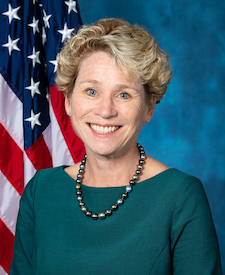
Chrissy Houlahan
Chrissy Houlahan House · District 6
D
Strong +
86% 22
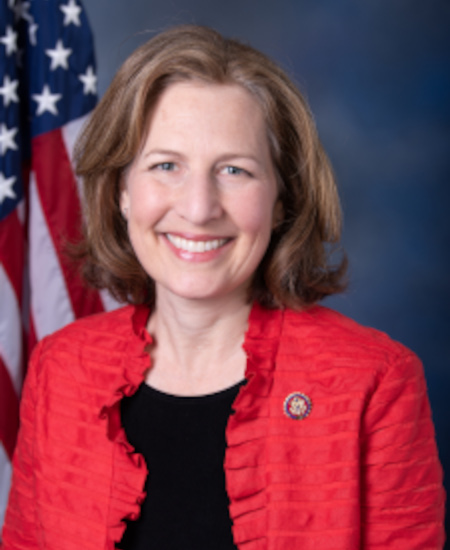
Kim Schrier
Kim Schrier House · District 8
D
Strong +
86% 22
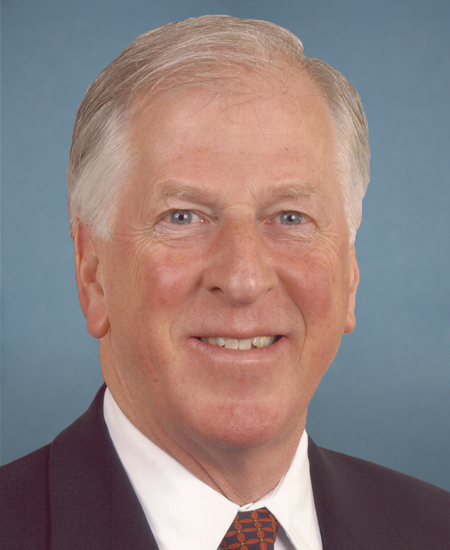
Mike Thompson
Mike Thompson House · District 4
D
Strong +
86% 22
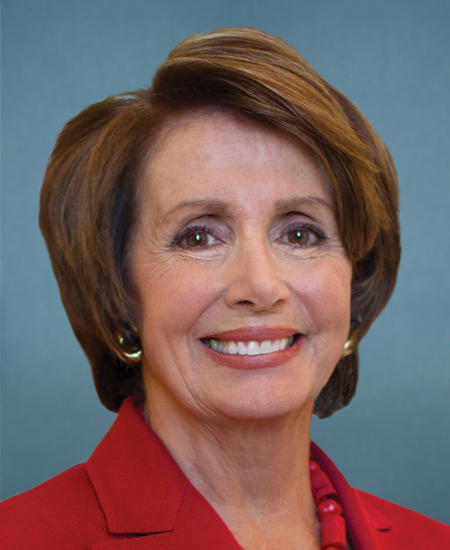
Nancy Pelosi
Nancy Pelosi House · District 11
D
Strong +
86% 22
AA
Alan Armstrong Senate
R
Strong −
14% 28
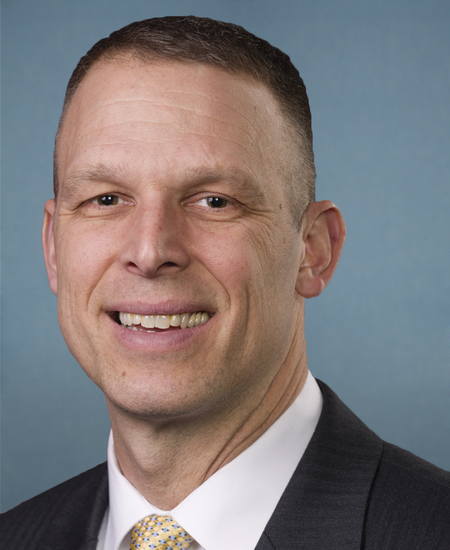
Scott Perry
Scott Perry House · District 10
R
Strong −
14% 21
Rand Paul
Rand Paul Senate
R
Strong −
16% 45
Josh Hawley
Josh Hawley Senate
R
Strong −
18% 44
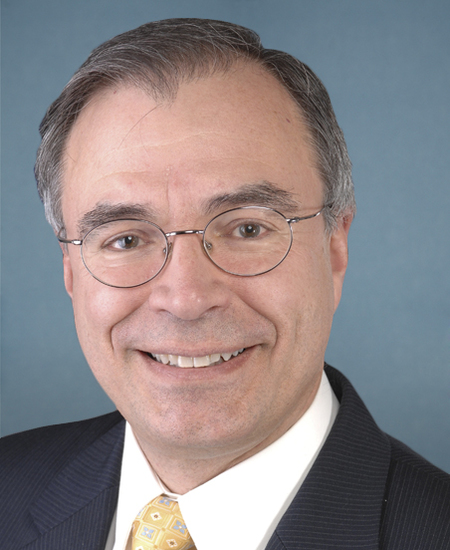
Andy Harris
Andy Harris House · District 1
R
Strong −
18% 22
Showing 1,401–1,410 of 1,647 bills

All technology bills

passed · United States · House Jan 13, 2026

HR 2683: Remote Access Security Act

HR 2683, the Remote Access Security Act, amends the Export Control Reform Act of 2018 to regulate how foreign entities remotely access U.S.-controlled technology. It defines "remote access" as foreign persons accessing U.S. items (like sensitive technology) via internet or cloud services from outside the item's physical location. The bill updates existing export control rules to include remote access as a regulated activity, requiring oversight similar to physical exports or in-country transfers. This primarily affects foreign companies, cloud providers, and technology firms handling U.S.-jurisdiction items.
Sub-Topics Cybersecurity
in committee · United States · Senate Dec 17, 2025

S 3540: LISTOS Act of 2025

S 3540, the LISTOS Act of 2025, requires major online platforms (those with 10 million+ U.S. monthly active users) to ensure consistent content moderation across languages where they generate revenue. It mandates annual public reports detailing staffing levels, language proficiency, translation practices, automated system performance, and moderation outcomes for each monetized language. Platforms must also make reporting tools and policies accessible in all supported languages. Enforcement falls to the Federal Trade Commission and state attorneys general, with penalties for noncompliance.
Sub-Topics Social Media
in committee · United States · House Feb 20, 2026

HR 7622: Iran Human Rights, Internet Freedom, and Accountability Act of 2026

This bill directs U.S. agencies to support Iranian people's access to uncensored information and hold Iranian officials accountable for human rights abuses. It requires the State Department and FCC to report on technologies (like satellite networks and mesh systems) that could bypass internet restrictions in Iran, and authorizes $2 million annually to develop such tools. The bill also establishes a new "Iran Kleptocracy Initiative" at FinCEN to track corruption, freeze assets of Iranian regime officials and state-owned businesses, and coordinate with international partners. These measures apply to U.S. policy toward Iran but do not alter Iran's domestic laws; they focus on U.S. sanctions, technology development, and anti-corruption efforts targeting the Iranian regime.
passed · United States · House Jul 13, 2026

HR 7305: Energy Threat Analysis Center Act of 2026

This bill establishes an Energy Threat Analysis Center to enhance cybersecurity collaboration between the U.S. government and the energy sector. It creates mechanisms for sharing classified and unclassified threat information, conducting joint threat analysis, and developing technical infrastructure for real-time threat detection and mitigation. The Center’s activities are exempt from public disclosure laws, and the Secretary has sole discretion over providing assistance to energy entities without creating enforceable rights for other entities. The bill directly affects energy sector operators (both private companies and government entities) by enabling structured threat intelligence sharing to improve sector-wide cyberresilience.
Sub-Topics Cybersecurity
in committee · United States · House Sep 1, 2026

HR 6152: Foreign Robocall Elimination Act

HR 6152, the Foreign Robocall Elimination Act, establishes an interagency task force to address foreign robocalls entering the United States. The task force, composed of the FCC, FTC, DOJ, and private sector representatives, will study the origins, impacts, and potential solutions to foreign robocalls and must submit a report to Congress within 360 days. The bill also modifies existing law to require FCC notices about robocall mitigation every three years instead of annually, and introduces a bond requirement for providers using the Robocall Mitigation Database. This legislation affects telecommunications providers, federal agencies, and all U.S. telephone users who receive unwanted calls. The bill aims to improve coordination between U.S. agencies and foreign countries in combating illegal robocalls through concrete policy changes.
Sub-Topics Telecommunications
in committee · United States · Senate Jan 14, 2026

S 3633: Middle Mile for Rural America Act

This bill extends the timeframe for funding middle-mile broadband infrastructure projects in rural areas under the Rural Electrification Act. It amends Section 602(g) by changing the period from 2018-2023 to 2026-2031, allowing rural communities more time to access and deploy this critical internet backbone infrastructure. Middle-mile infrastructure connects local networks to the broader internet, directly benefiting rural residents and businesses lacking reliable high-speed internet access. The change is a simple extension of an existing program's timeline without creating new funding or requirements.
Sub-Topics Broadband Access Telecommunications Tags Rural Communities
in committee · United States · Senate May 6, 2025

S 1616: PRECISE Act of 2025

This bill, the PRECISE Act of 2025, increases financial incentives for farmers and ranchers to adopt precision agriculture technologies through existing USDA conservation programs. It defines "precision agriculture" as managing crop or livestock inputs (like fertilizer or water) with high spatial and temporal detail to improve efficiency, and "precision agriculture technology" as tools including GPS systems, soil sensors, and data software. Key provisions allow up to 90% cost coverage for adopting these technologies under the Environmental Quality Incentives Program (EQIP) and add precision agriculture to eligibility for supplemental payments in the Conservation Stewardship Program. The bill directly affects agricultural producers participating in USDA conservation programs by expanding their access to funding for technology that aims to reduce input waste and support environmental quality.
Sub-Topics Conservation Tags Agriculture
in committee · United States · House Mar 10, 2025

HR 2019: TLDR Act

The TLDR Act requires major online platforms (excluding small businesses) to provide simplified, accessible summaries of their terms of service. These summaries must appear at the top of terms pages and include key details like categories of user data processed, legal liabilities (e.g., arbitration clauses), historical terms changes, recent data breaches, and estimated reading time. Platforms must also display interactive data flow diagrams showing how user data is shared with third parties and provide full terms in an interactive format. Enforcement will be handled by the Federal Trade Commission under existing FTC Act provisions, with states allowed to pursue cases affecting 1,000+ residents.
in committee · United States · House Jan 16, 2026

HR 7124: Realigning Mobile Phone Biometrics for American Privacy Protection Act

HR 7124 prohibits the use of specific mobile biometric apps (Mobile Fortify and Mobile Identify) outside U.S. ports of entry, restricting them solely for border identification. It requires Homeland Security to remove these apps from all non-Department devices, ban sharing with other agencies, and destroy U.S. citizens' captured biometric data (photos/fingerprints) within 12 hours of collection at ports of entry. The bill directly affects U.S. citizens whose biometric data is collected during border processing. Key mechanisms include mandatory app removal, remote deactivation of unauthorized installations, and strict data destruction timelines.
in committee · United States · Senate Apr 3, 2025

S 1290: Artificial Intelligence and Critical Technology Workforce Framework Act of 2025

This bill requires the National Institute of Standards and Technology (NIST) to develop and maintain workforce frameworks for critical and emerging technologies, including a mandatory artificial intelligence framework published within 540 days of enactment. The frameworks must define skills, roles, and pathways for technical and non-technical fields like ethics, supply chain security, and career transitions for individuals with nontraditional backgrounds. NIST must update frameworks every three years, include professional skills and multilingual resources, and report to Congress on progress. These frameworks aim to guide education, training, and hiring across government, industry, and educational institutions. The bill specifically mandates an AI workforce framework and updates to the existing cybersecurity framework (NICE), with regular congressional reporting.
Showing 1,401 to 1,410 of 1,647 bills