Issue · Labor & Employment

Labor & Employment

Every labor & employment bill, vote, and legislator stance in United States, automatically classified by Maddy, our AI policy reader.

Total bills
1,583
119th Congress
Top supporter
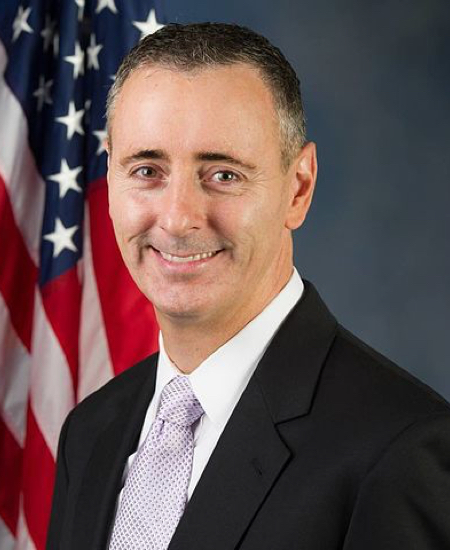
Brian K. Fitzpatrick
93% support rate
Top opponent
Bernard Sanders
23% support rate
Ranked legislators
10
5 support · 5 oppose
Key legislators

Who's moving labor & employment in United States

Legislators moving labor & employment in United States
Legislator Party Stance Support rate Decisive votes
Brian K. Fitzpatrick
Brian K. Fitzpatrick House · District 1
R
Strong +
93% 14
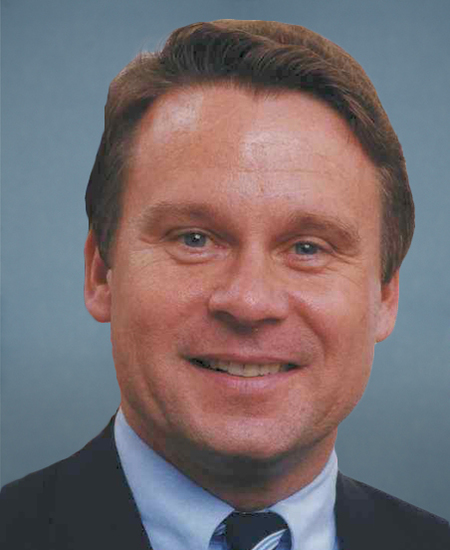
Christopher H. Smith
Christopher H. Smith House · District 4
R
Strong +
93% 14
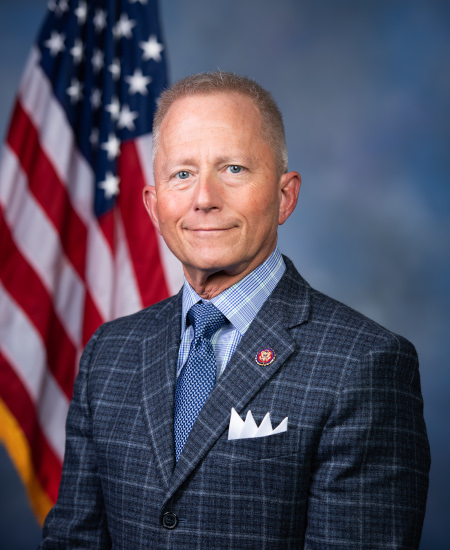
Jefferson Van Drew
Jefferson Van Drew House · District 2
R
Strong +
93% 14
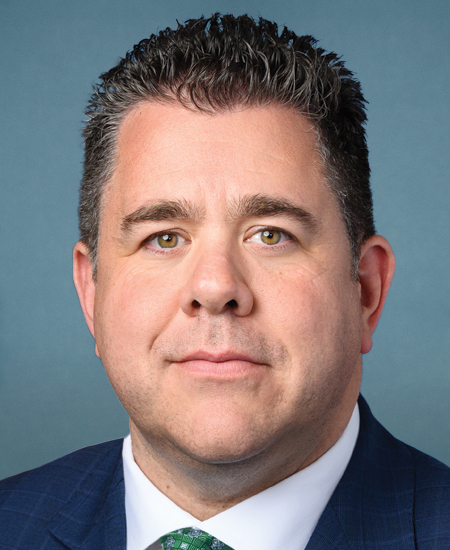
Nick LaLota
Nick LaLota House · District 1
R
Strong +
93% 14
Robert P. Bresnahan, Jr.
Robert P. Bresnahan, Jr. House · District 8
R
Strong +
93% 14
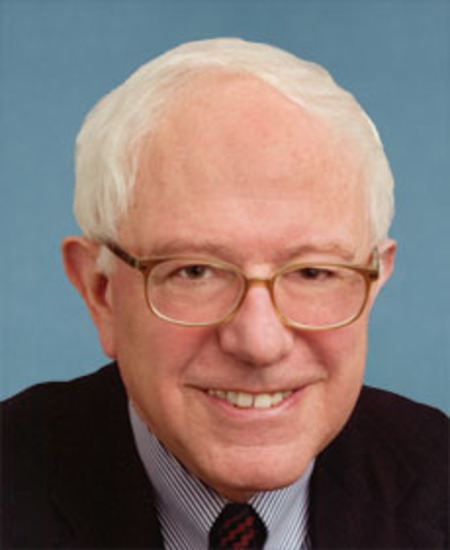
Bernard Sanders
Bernard Sanders Senate
I
Oppose
23% 13
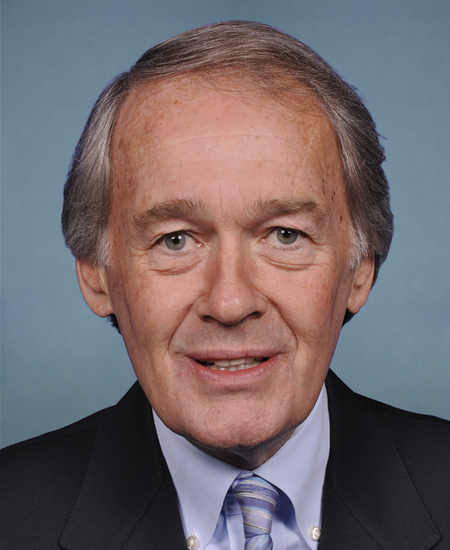
Edward J. Markey
Edward J. Markey Senate
D
Oppose
23% 13
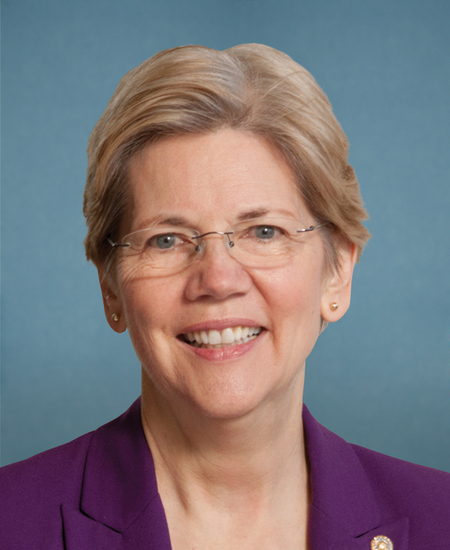
Elizabeth Warren
Elizabeth Warren Senate
D
Oppose
23% 13
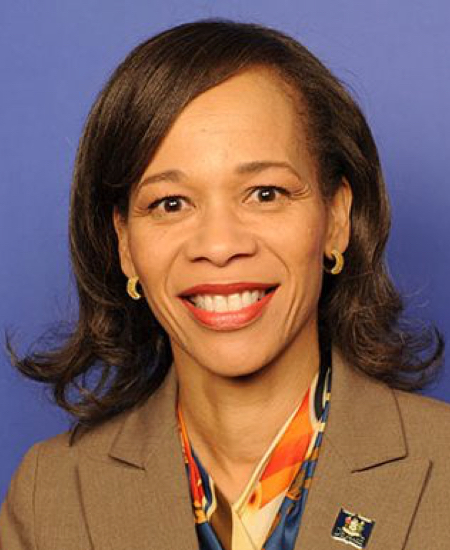
Lisa Blunt Rochester
Lisa Blunt Rochester Senate
D
Oppose
23% 13
Rand Paul
Rand Paul Senate
R
Oppose
25% 12
Showing 971–980 of 1,583 bills

All labor & employment bills

in committee · United States · House Feb 11, 2026

HR 7516: No Funds for Forced Labor Act

HR 7516, the "No Funds for Forced Labor Act," requires the U.S. Treasury to direct American representatives at international financial institutions (like the World Bank) to oppose loans for projects that use or risk using forced labor, particularly those involving state-run entities in Xinjiang. It mandates these institutions to vet projects for forced labor risks, explain their vetting process, and detail mitigation steps before funding. The bill directly affects international financial institutions and the projects they fund, especially those linked to Xinjiang. It does not ban all loans but targets projects with documented forced labor concerns, requiring annual reports to Congress on implementation. The law focuses on policy changes to prevent U.S.-aligned financial support for forced labor practices.
in committee · United States · House Aug 5, 2025

HR 4905: Energy Workers Health Improvement and Compensation Fund Act

HR 4905 creates a federal trust fund to reimburse oil and gas workers and their families for medical expenses related to specific health conditions linked to industry exposure. Oil companies with over $50 million in annual revenue must pay into the fund based on the compensation of their top 10 executives each year, with penalties for underpayment. The fund covers costs for asthma, heat illness, and other respiratory/cardiovascular diseases tied to methane emissions, smog, particulate matter, and volatile organic compounds. Eligible workers (or family members living within 20 miles of extraction sites for at least a year) receive reimbursements in the order claims are submitted. The bill also establishes a commission of health and labor experts to study worker health outcomes and submit recommendations to Congress within 18 months.
in committee · United States · House Apr 29, 2025

HR 3076: Strengthening Local Processing Act of 2025

The Strengthening Local Processing Act of 2025 provides targeted support to small and very small poultry and meat processing businesses (defined by a 1996 rule). It creates a free, searchable database of safety validation studies and scale-appropriate model food safety plans for these businesses, and increases federal funding for state inspection programs from 50% to 65%. The bill establishes a grant program offering up to $500,000 per grant to help small processors improve safety, expand capacity, and build resilience. Additionally, it funds training programs to develop workforce skills in meat and poultry processing through partnerships with educational institutions.
Tags Agriculture
in committee · United States · House May 8, 2025

HR 3296: MIL FMLA Act

The MIL FMLA Act expands the Family and Medical Leave Act to provide military families with additional leave options. It allows eligible employees to take up to 26 workweeks of leave during a 12-month period to care for a covered servicemember (active duty member or veteran), regardless of the employee's family relationship to the servicemember. The bill adds new definitions to include domestic partners, grandparents, siblings, and other extended family members as eligible caregivers, and creates a new "veteran leave" provision for employees who are covered servicemembers needing leave due to service-related serious injury or illness. These changes aim to better support military families by providing more comprehensive leave options for caregiving needs related to military service.
in committee · United States · House Apr 24, 2025

HR 2994: Child and Dependent Care Tax Credit Enhancement Act of 2025

HR 2994, the Child and Dependent Care Tax Credit Enhancement Act of 2025, increases financial support for families covering childcare costs. It raises the credit rate to 50% (reduced for higher incomes), boosts the maximum creditable amount from $3,000 to $8,000 per child under 13 (or $6,000 to $16,000 for other dependents), and adjusts these limits annually for inflation starting in 2026. The bill also ensures married couples filing separately calculate their credit as if filing jointly, preventing reduced benefits. It directly affects low- and middle-income taxpayers with childcare expenses who itemize deductions. The changes take effect for tax years beginning after December 31, 2024.
Sub-Topics Tax Credits
in committee · United States · House Feb 6, 2025

HR 1067: LITTLE Act of 2025

The LITTLE Act of 2025 creates a tax credit for childcare providers and expands tax relief for families with childcare costs. It provides a 30% credit (capped at $10,000 lifetime) for childcare businesses to cover startup expenses like facility setup, if they serve at least two children and comply with state regulations. For families, it increases the dependent care credit to 50% of eligible childcare expenses (adjusted for income) up to $7,500 for one child or $15,000 for two or more children, and makes the credit refundable. These changes apply to taxable years beginning after enactment, directly affecting childcare businesses and families with young children or dependents requiring care.
Sub-Topics Tax Credits
in committee · United States · House Jan 15, 2025

HR 413: CHILD Act of 2025

HR 413, the CHILD Act of 2025, increases the annual tax benefit limit for dependent care assistance programs from $5,000 to $10,000 (with $2,500 to $5,000 for single filers) for taxpayers using employer-sponsored dependent care accounts. It adds automatic annual cost-of-living adjustments to these limits based on inflation, rounding increases to the nearest $50. The bill also removes an outdated provision (previously referenced as subparagraph (D)) from the tax code. These changes directly affect working parents and caregivers who use dependent care benefits, applying to tax years beginning after December 31, 2024.
Tags Children
in committee · United States · Senate Feb 4, 2025

S 383: JOBS Act of 2025

S 383 (the JOBS Act of 2025) expands Federal Pell Grant eligibility to students enrolled in certain short-term job training programs at eligible institutions of higher education. The bill creates a "job training Federal Pell Grant" for programs meeting specific criteria: 150-600 clock hours over 8-15 weeks, aligned with high-demand industry sectors, and leading to recognized postsecondary credentials that meet employer hiring requirements or licensure prerequisites. It also lowers the minimum Pell Grant award from 10% to 5% of the full annual amount. This directly affects students seeking career-focused training and institutions offering qualifying programs that validate industry partnerships.
in committee · United States · Senate Apr 29, 2025

S 1509: Strengthening Local Processing Act of 2025

The Strengthening Local Processing Act of 2025 supports smaller and very small poultry and meat processing establishments through several key provisions. It requires the creation of a free, searchable database of validation studies and model HACCP plans, increases federal funding for state inspection programs from 50% to 65%, and establishes a $20 million annual grant program to help small processors improve health and safety, increase capacity, and comply with regulations. The bill also modifies cooperative shipment rules to better accommodate smaller operations and creates a $10 million annual training program to develop workforce skills in meat and poultry processing. These provisions aim to strengthen the resilience of the small meat and poultry processing sector and improve access to processing facilities for farmers and ranchers. The bill directly affects small meat and poultry processors, state inspection programs, and workers in these industries.
in committee · United States · House Feb 27, 2025

HR 1753: Community News and Small Business Support Act

HR 1753 creates two new tax credits to support local journalism and small businesses. It offers a 80% credit (up to $5,000) for eligible small businesses (with <50 full-time employees) that advertise in qualifying local media like community newspapers or FCC-licensed radio/TV stations, reducing to 50% ($2,500 max) after the first year. A separate credit provides 50% (then 30%) of wages paid to local news journalists (at least 200 hours quarterly) for employers whose primary income comes from local newspaper publishing, capped at $12,500 per journalist per quarter. Both credits expire after 5 years and require strict definitions of "local" media to qualify, including having in-community journalists and limiting corporate ownership. The bill directly affects small local news publishers and qualifying small businesses seeking tax relief for local advertising and journalism staffing.
Sub-Topics Business Taxes Tax Credits Paid Leave Tags Small Business
Showing 971 to 980 of 1,583 bills
Previous 1 … 97 98 99 … 159 Next