

Issue · Labor & Employment
Labor & Employment
Every labor & employment bill, vote, and legislator stance in United States, automatically classified by Maddy, our AI policy reader.
Total bills
1,420
119th Congress
Top supporter
Brian K. Fitzpatrick
93% support rate
Top opponent
Bernard Sanders
27% support rate
Ranked legislators
10
5 support · 5 oppose
Key legislators
Who's moving labor & employment in United States
| Legislator | Party | Stance | Support rate | Decisive votes |
|---|---|---|---|---|

Brian K. Fitzpatrick
House · District 1
|
R |
Strong +
|
93% | 14 |
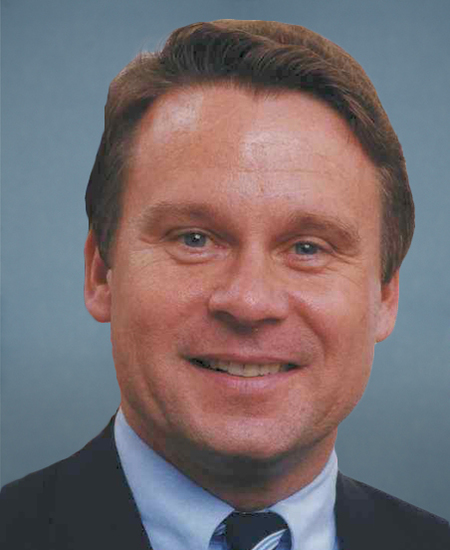
Christopher H. Smith
House · District 4
|
R |
Strong +
|
93% | 14 |
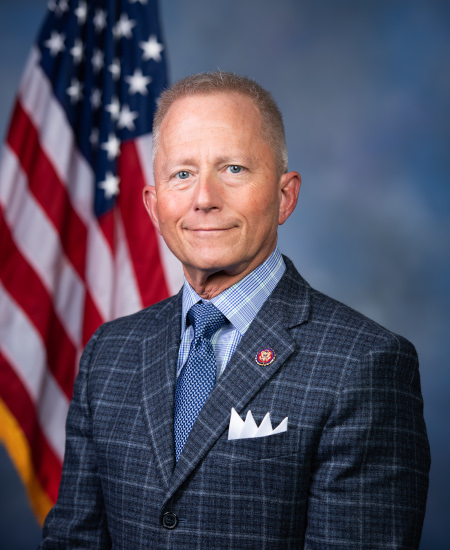
Jefferson Van Drew
House · District 2
|
R |
Strong +
|
93% | 14 |
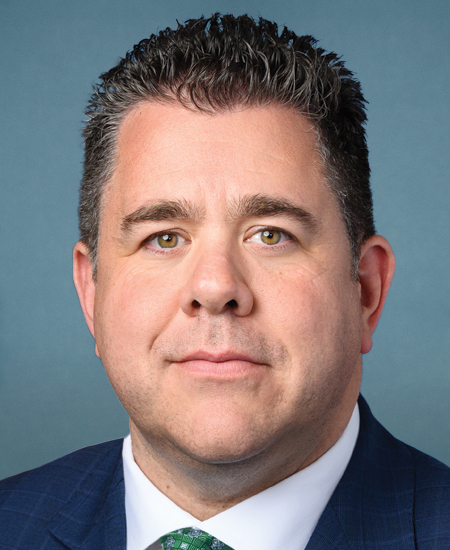
Nick LaLota
House · District 1
|
R |
Strong +
|
93% | 14 |

Robert P. Bresnahan, Jr.
House · District 8
|
R |
Strong +
|
93% | 14 |
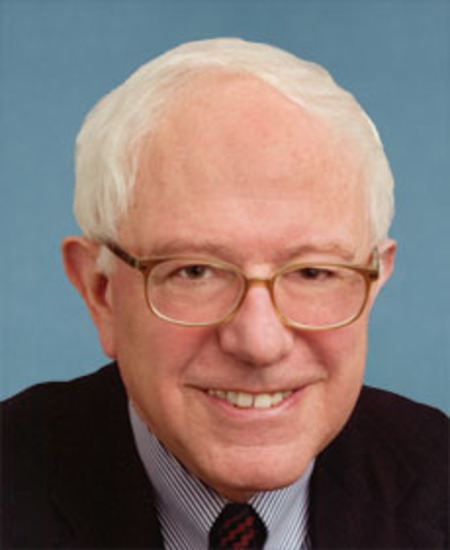
Bernard Sanders
Senate
|
I |
Oppose
|
27% | 11 |
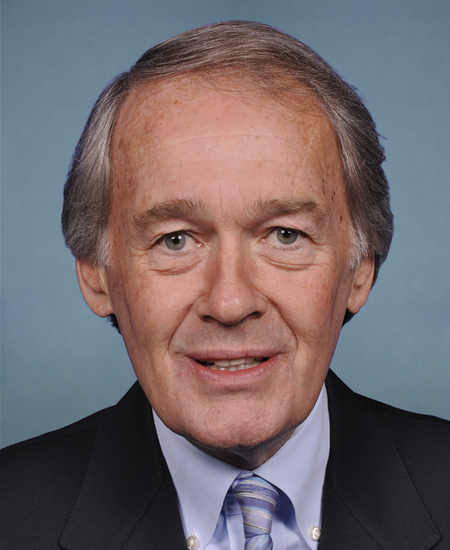
Edward J. Markey
Senate
|
D |
Oppose
|
27% | 11 |
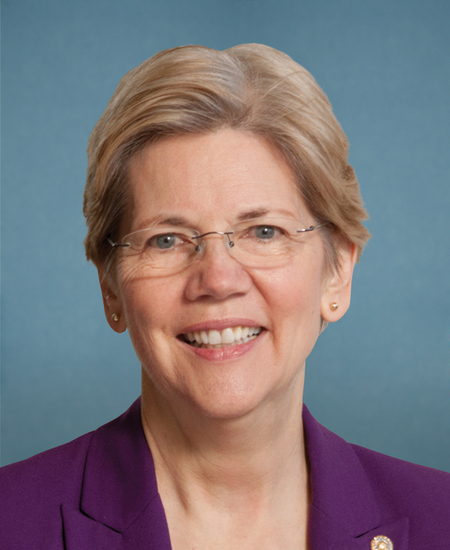
Elizabeth Warren
Senate
|
D |
Oppose
|
27% | 11 |

Lisa Blunt Rochester
Senate
|
D |
Oppose
|
27% | 11 |

Chip Roy
House · District 21
|
R |
Oppose
|
29% | 14 |
Showing 841–850 of 1,420
bills
All labor & employment bills
S 1676: RETAIN Act
Topics
✓ Budget & TaxesSupports Budget & TaxesRefundable tax credit for educators in high-need schools provides tax relief and funds public education, aligning with tax relief and public service funding indicators.
✓ EducationSupports EducationCreates refundable tax credit for educators in high-need schools, increasing with service years to retain teachers and support staff in underserved areas.
✓ HealthcareSupports HealthcareFunds school-based mental health providers via tax credit, directly supporting mental health services in educational settings.
✓ Labor & EmploymentSupports Labor & EmploymentProvides refundable tax credit increasing with service years for educators in high-need schools, directly boosting compensation and retention in critical workforce roles.
HR 5372: DEMO Act
Topics
✓ Budget & TaxesSupports Budget & TaxesBill creates federal grants to fund demonstration projects for health professions careers, directly advancing government spending on workforce development programs.
✓ Criminal JusticeSupports Criminal JusticeFunds programs to help individuals with criminal records enter health careers, reducing employment barriers and promoting rehabilitation - directly advancing criminal justice reform goals.
✓ HealthcareSupports HealthcareBill creates grants to help low-income individuals with records enter health professions, directly expanding healthcare workforce access and removing barriers to healthcare careers.
✓ Labor & EmploymentSupports Labor & EmploymentFunds job training, legal assistance, and post-employment support to help individuals with records enter health professions, advancing employment opportunities for a disadvantaged group.
Sub-Topics
Workforce Development
HR 7322: True Shutdown Fairness Act
S 3471: EFFECTIVE Food Procurement Act
Topics
✓ EnvironmentSupports EnvironmentBill mandates USDA to prioritize foods using sustainable practices, directly advancing environmental sustainability goals
✓ Labor & EmploymentSupports Labor & EmploymentMandates USDA procurement to prioritize 'worker well-being' and support disadvantaged farmers/veterans, directly advancing labor protections in food systems.
✓ VeteransSupports VeteransBill mandates USDA to prioritize purchasing foods from veterans, directly supporting veteran employment and economic benefits through federal procurement.
S 1752: EdCOPS Act of 2025
Topics
✓ EducationSupports EducationProvides direct financial aid for higher education via GI Bill-style formula, expanding access for public safety officers and families.
✓ Labor & EmploymentSupports Labor & EmploymentProvides education benefits to public safety officers, expanding employment-related financial support through GI Bill-equivalent aid for workforce development.
Sub-Topics
Student Financial Aid
S 2003: Strengthening Benefit Plans Act of 2025
Topics
✓ HealthcareSupports HealthcareBill allows transfer of surplus health funds to support active employee benefits, strengthening healthcare coverage for active workers.
✓ Labor & EmploymentSupports Labor & EmploymentTransfers surplus retiree health funds to active employee benefits without reducing them, strengthening current worker benefits per bill title and summary.
Sub-Topics
Retirement Benefits
HR 6445: Fast Track Healthcare Apprenticeships Act
Topics
✓ HealthcareSupports HealthcareStreamlines healthcare apprenticeship registration, facilitating workforce development for medical professionals, directly supporting healthcare system capacity and access.
✓ Labor & EmploymentSupports Labor & EmploymentStreamlines healthcare apprenticeship registration and digitizes forms, improving access to training and employment opportunities for workers in healthcare.
HR 4170: Bridge Corrosion Prevention and Repair Act of 2025
Topics
✓ Labor & EmploymentSupports Labor & EmploymentMandates certified training for hazardous material handling and corrosion tasks, directly improving workplace safety standards for bridge construction workers.
✓ TransportationSupports TransportationRequires certified contractors for corrosion prevention on federally funded bridges, enhancing infrastructure safety and longevity per industry standards.
HR 2338: WRCR Act of 2025
Topics
✓ Budget & TaxesSupports Budget & TaxesExpands EITC to include qualifying students (lower income), lowers age requirement, and increases credit percentages, providing tax relief for lower-income individuals.
✓ Labor & EmploymentSupports Labor & EmploymentExpands EITC to include students (age 18+), treats care-giving/learning as 'compensated work', and increases credit percentages. Directly strengthens worker benefits and income support for low-income earners.