Issue · Labor & Employment

Labor & Employment

Every labor & employment bill, vote, and legislator stance in United States, automatically classified by Maddy, our AI policy reader.

Total bills
1,439
119th Congress
Top supporter
Brian K. Fitzpatrick
93% support rate
Top opponent
Bernard Sanders
23% support rate
Ranked legislators
10
5 support · 5 oppose
Key legislators

Who's moving labor & employment in United States

Legislators moving labor & employment in United States
Legislator Party Stance Support rate Decisive votes
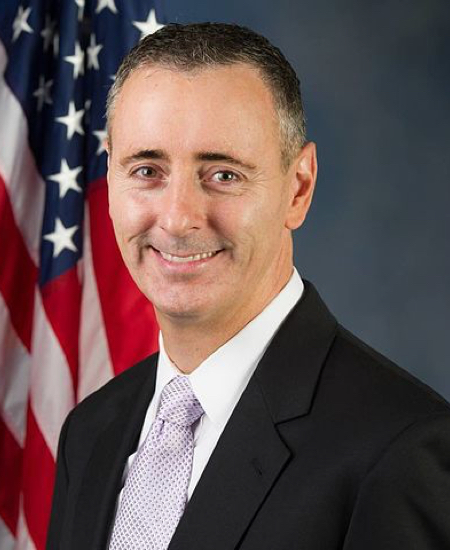
Brian K. Fitzpatrick
Brian K. Fitzpatrick House · District 1
R
Strong +
93% 14
Christopher H. Smith
Christopher H. Smith House · District 4
R
Strong +
93% 14
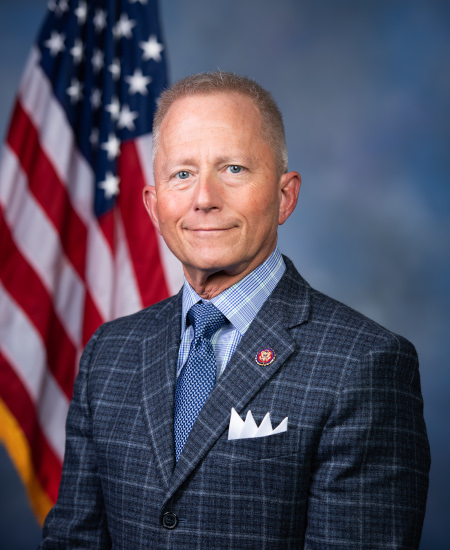
Jefferson Van Drew
Jefferson Van Drew House · District 2
R
Strong +
93% 14
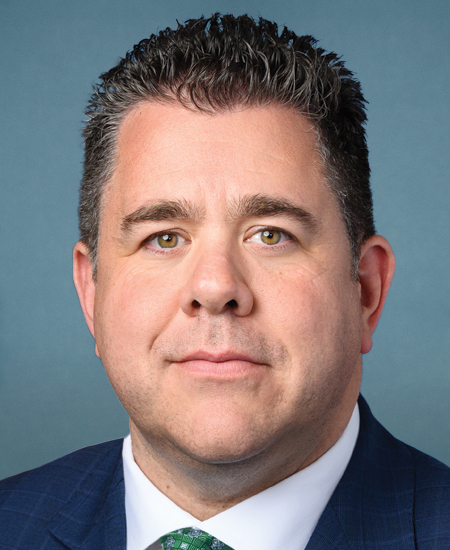
Nick LaLota
Nick LaLota House · District 1
R
Strong +
93% 14
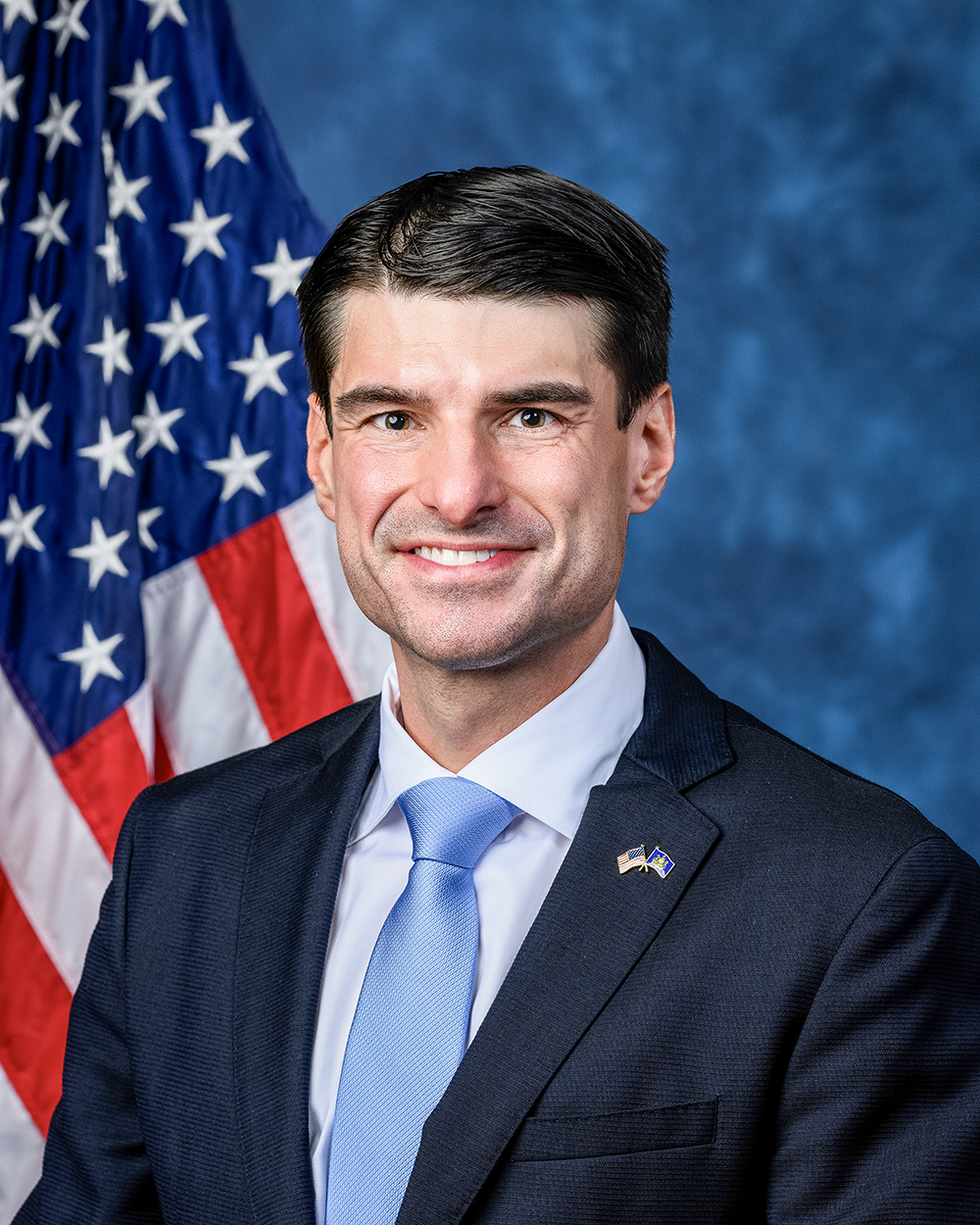
Robert P. Bresnahan, Jr.
Robert P. Bresnahan, Jr. House · District 8
R
Strong +
93% 14
Bernard Sanders
Bernard Sanders Senate
I
Oppose
23% 13
Edward J. Markey
Edward J. Markey Senate
D
Oppose
23% 13
Elizabeth Warren
Elizabeth Warren Senate
D
Oppose
23% 13
Lisa Blunt Rochester
Lisa Blunt Rochester Senate
D
Oppose
23% 13
Rand Paul
Rand Paul Senate
R
Oppose
25% 12
Showing 801–810 of 1,439 bills

All labor & employment bills

in committee · United States · House Sep 2, 2025

HR 5088: Union Participation for All Act

HR 5088, the "Union Participation for All Act," repeals a provision in the 1959 Labor-Management Reporting and Disclosure Act (LMRDA) that barred individuals convicted of certain crimes (like bribery or fraud) from holding union leadership positions. This change directly affects union members with specific criminal convictions who previously could not serve in union offices. The bill removes Section 504 of the LMRDA, eliminating the ban on their eligibility for union leadership roles. It does not alter other union governance rules or create new requirements.
in committee · United States · Senate Jun 11, 2025

S 2022: Tribal Tax and Investment Reform Act of 2025

The Tribal Tax and Investment Reform Act of 2025 establishes tax parity between Indian tribes and state governments by allowing tribes to issue tax-exempt bonds with a $400 million annual cap (adjusted for inflation) and treating tribes as states for excise tax purposes. The bill affects tribal governments, citizens, and tribal organizations by clarifying that tribal pension plans and employee benefits are treated like state plans, creating a $175 million annual tax credit for investments in tribal areas, and including Indian lands as "difficult development areas" for certain building incentives. Key mechanisms include allowing tribes to finance infrastructure projects with bonds, expanding access to tax credits for tribal economic development, and clarifying that certain tribal benefits are excluded from income calculations. The bill aims to address historical disadvantages tribes face in accessing capital for infrastructure development and economic growth, with provisions taking effect for taxable years beginning after 2025.
Sub-Topics Pensions Sales Tax Tax Credits Tags Tribal Nations
in committee · United States · House May 11, 2026

HR 7343: Foster Youth Workforce Opportunity Act

This bill expands education and job training support for youth who have been in foster care since age 14 or older. It allows funding for apprenticeships, GED programs, and remedial education to help them earn diplomas or enter postsecondary training. The changes lower the eligibility age from 16 to 14 and extend participation time for remedial education (up to 6 years). It directly affects foster youth transitioning to adulthood by broadening access to workforce preparation programs.
in committee · United States · House Feb 12, 2026

HR 7559: To amend the Internal Revenue Code of 1986 to deny deduction for outsourcing payments.

HR 7559 would deny U.S. businesses a federal income tax deduction for payments made to foreign companies or individuals for labor or services primarily benefiting U.S. consumers. Specifically, it targets payments like fees, royalties, or service charges to foreign entities when the labor or services directly support consumers in the United States. The bill defines "outsourcing payments" broadly, including cases where services partially benefit foreign consumers, with the deductible portion calculated based on U.S.-focused service share. This rule applies to payments made after December 31, 2025, affecting businesses that outsource work to foreign providers for U.S. markets.
Sub-Topics Income Tax
in committee · United States · Senate May 7, 2025

S 1645: American Ownership and Resilience Act

The American Ownership and Resilience Act establishes a licensing program for "ownership investment companies" that provide capital to help create employee stock ownership plans (ESOPs) and worker-owned cooperatives. The bill creates a Department of Commerce facility to provide leverage (up to $500 million per company) to licensed investment firms that make investments resulting in ESOPs or worker cooperatives holding majority ownership in covered business concerns. Key provisions require independent financial advisors and trustees for transactions, prohibit employee financing of investments, and mandate annual reporting on demographic data of participants. The program has a sunset provision ending 20 years after the first license is issued, with strict requirements for oversight and reporting to ensure investments align with worker ownership goals.
in committee · United States · Senate Mar 25, 2025

S 1121: Performing Artist Tax Parity Act of 2025

This bill creates a new tax deduction for individual performing artists (such as actors, musicians, and dancers) to deduct work-related expenses directly from their taxable income. It includes a phaseout that reduces the deduction by 10% for every $2,000 earned above $100,000 annually (or $200,000 for joint filers). The bill also raises the threshold for small employer tax breaks from $200 to $500 per year and clarifies that commissions paid to an artist’s manager or agent count as deductible expenses. These changes apply to tax years beginning after December 31, 2024.
in committee · United States · House Jan 21, 2026

HR 7179: Historic Infrastructure Management and Jobs Training Act

HR 7179, the Historic Infrastructure Management and Jobs Training Act, creates a competitive grant program to fund workforce training in historic preservation. The program provides grants to states, tribes, nonprofits, and educational institutions for projects developing specialized skills like historic masonry, timber framing, and archival conservation for preserving culturally significant properties. Priority is given to projects serving high-unemployment areas and underserved communities, with grantees required to track participants and certification completions. The bill directly supports workers entering preservation trades and organizations managing historic resources.
passed · United States · Senate Oct 17, 2025

S 1440: Uniformed Services Leave Parity Act

S 1440, the Uniformed Services Leave Parity Act, aligns leave policies for Public Health Service (PHS) officers with those for military personnel. It amends the Public Health Service Act to add Chapter 40 (Leave) to Section 221(a), granting PHS members the same uniformed services leave rights as active-duty military. This directly affects PHS officers (including doctors and public health workers in federal service), who previously had different leave rules. The bill repeals outdated Section 219 of the Public Health Service Act to implement this parity. The change creates a concrete policy shift by standardizing leave provisions between these two federal service groups.
in committee · United States · Senate Feb 27, 2025

S 768: Invest to Protect Act of 2025

The Invest to Protect Act of 2025 establishes a federal grant program to support local law enforcement agencies with fewer than 175 officers. Eligible communities - including counties, municipalities, and Tribal governments - can use funds for de-escalation training, mental health and domestic violence response training, officer retention bonuses, graduate education stipends, and access to behavioral health services for officers. The program requires grantees to report on outcomes and publicly disclose bonus amounts, with strict audit requirements to prevent misuse of funds. It authorizes $50 million annually from 2026 to 2030 to advance these concrete safety and support initiatives.
in committee · United States · House Jun 6, 2025

HR 3558: Veteran Jobs Training Act

HR 3558, the Veteran Jobs Training Act, increases funding for programs helping homeless veterans reintegrate into the workforce. It amends Title 38 of the U.S. Code to authorize $75 million annually for fiscal years 2024 and beyond for homeless veterans' reintegration programs, replacing previous language that only covered 2024. This direct funding increase affects homeless veterans seeking employment assistance through federal programs. The bill’s key provision is the specific annual appropriation amount, ensuring sustained financial support for these services. It does not create new programs but expands existing funding mechanisms.
Showing 801 to 810 of 1,439 bills
Previous 1 … 80 81 82 … 144 Next