Issue · Labor & Employment

Labor & Employment (Child Labor)

Every labor & employment bill, vote, and legislator stance in United States, automatically classified by Maddy, our AI policy reader.

Total bills
71
119th Congress
Top supporter
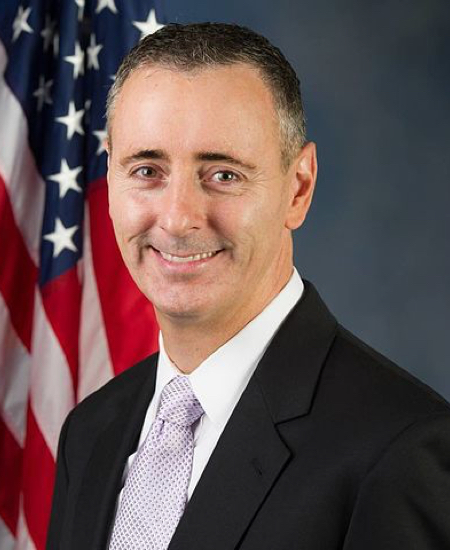
Brian K. Fitzpatrick
100% support rate
Top opponent
Adam Gray
33% support rate
Ranked legislators
10
5 support · 5 oppose
Key legislators

Who's moving child labor in United States

Legislators moving child labor in United States
Legislator Party Stance Support rate Votes
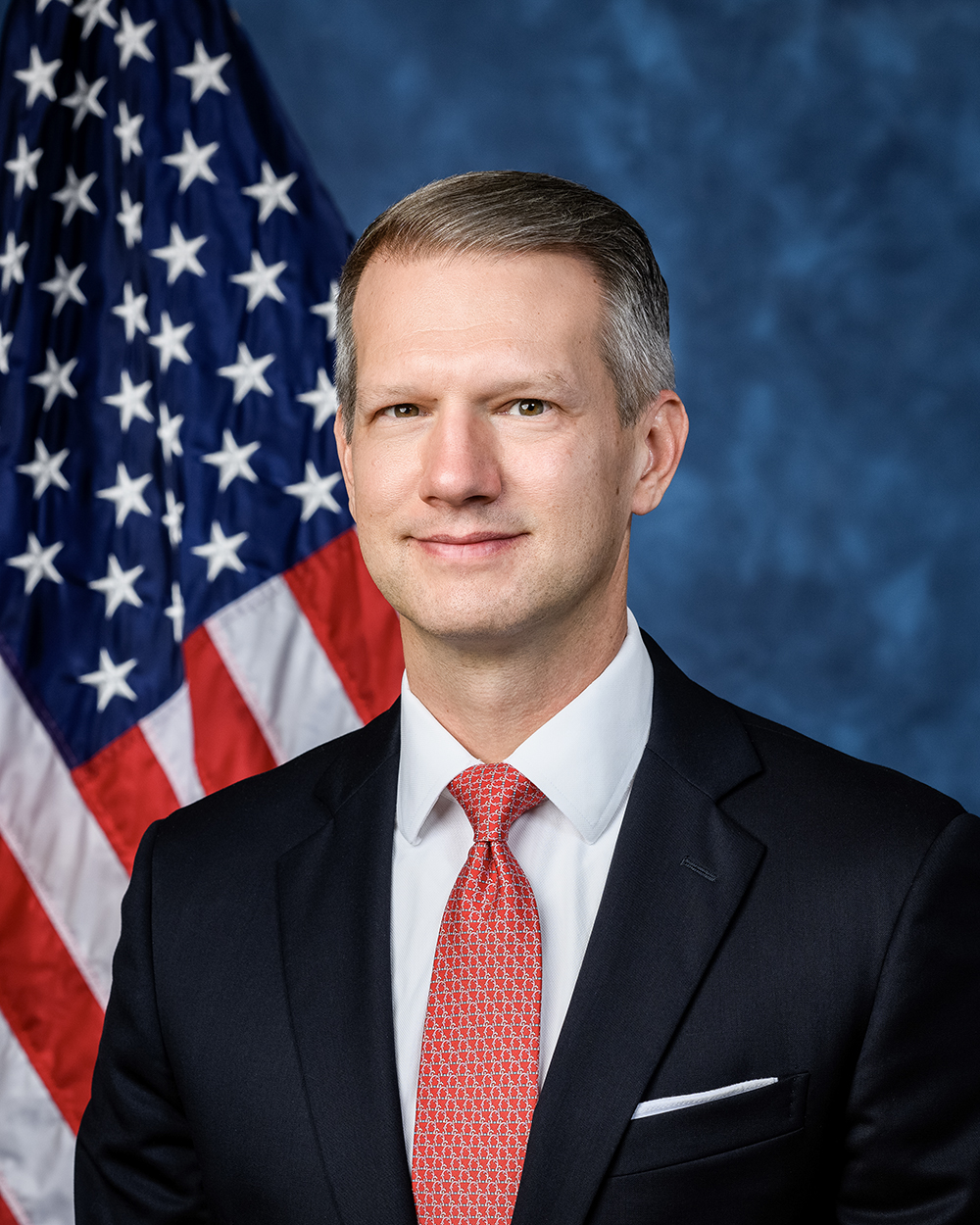
Brian K. Fitzpatrick
Brian K. Fitzpatrick House · District 1
R
Strong +
100% 3
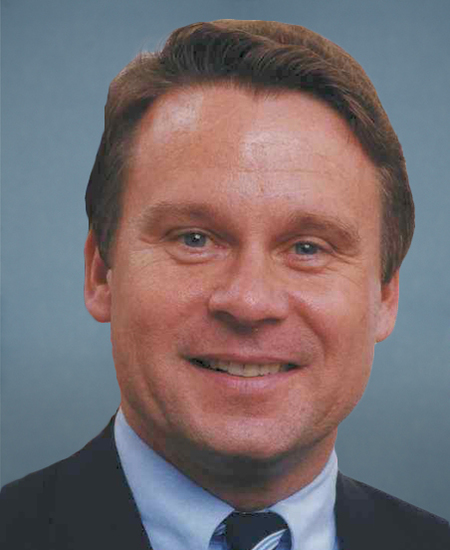
Christopher H. Smith
Christopher H. Smith House · District 4
R
Strong +
100% 3
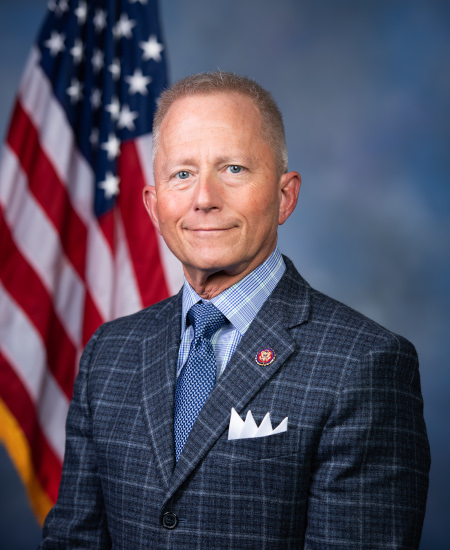
Jefferson Van Drew
Jefferson Van Drew House · District 2
R
Strong +
100% 3
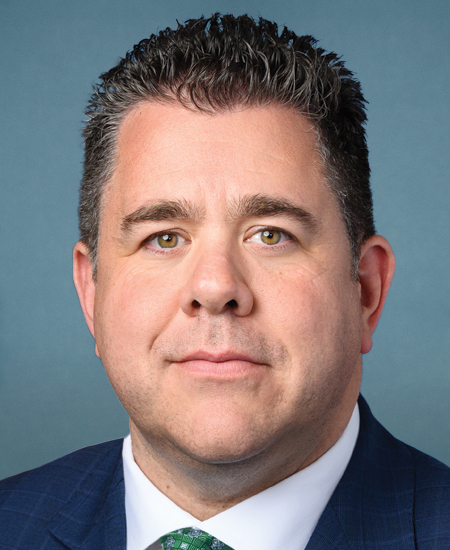
Nick LaLota
Nick LaLota House · District 1
R
Strong +
100% 3
Riley M. Moore
Riley M. Moore House · District 2
R
Strong +
100% 3
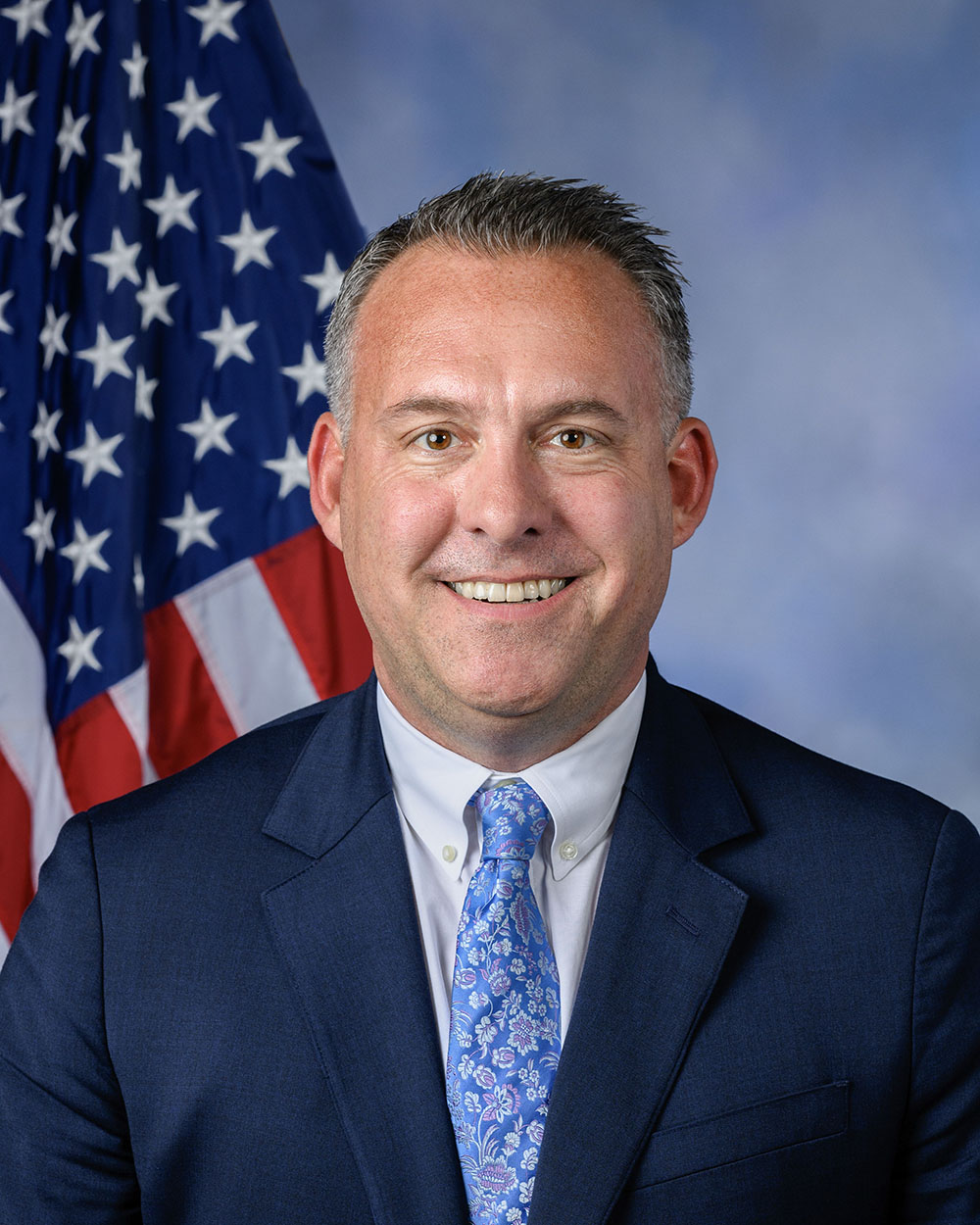
Adam Gray
Adam Gray House · District 13
D
Oppose
33% 3
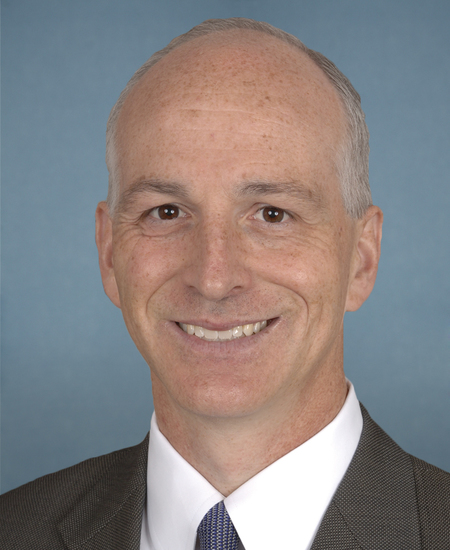
Adam Smith
Adam Smith House · District 9
D
Oppose
33% 3
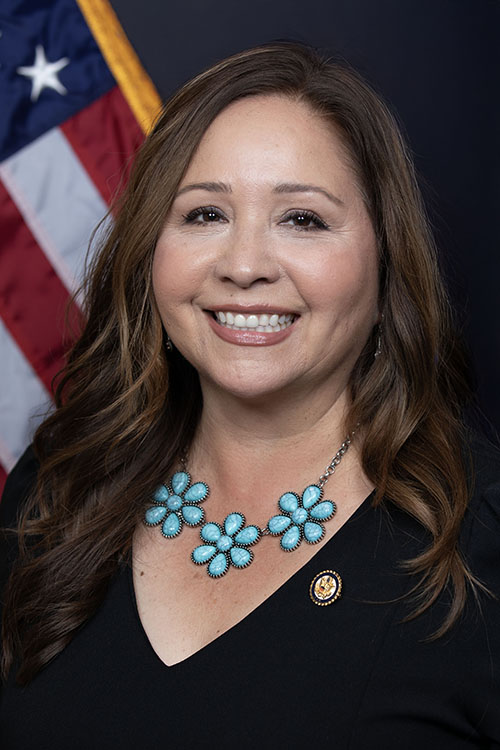
Adelita S. Grijalva
Adelita S. Grijalva House · District 7
D
Oppose
33% 3
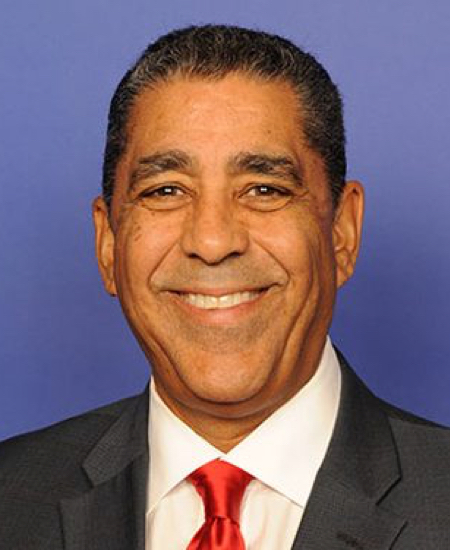
Adriano Espaillat
Adriano Espaillat House · District 13
D
Oppose
33% 3
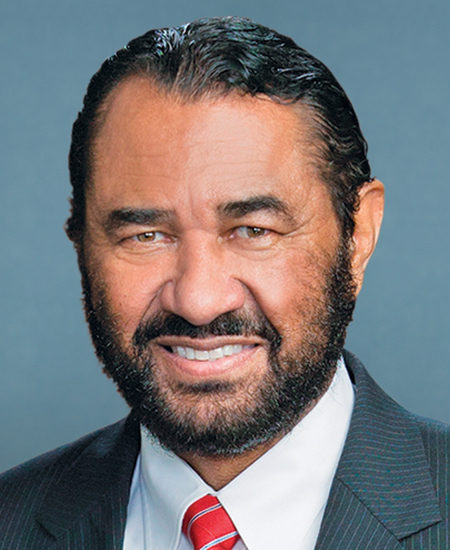
Al Green
Al Green House · District 9
D
Oppose
33% 3
Showing 51–60 of 71 bills

All labor & employment bills

in committee · United States · House Jan 7, 2025

HR 240: Protect Local Farms Act

HR 240, the Protect Local Farms Act, amends federal labor law to override certain state regulations affecting agricultural workers. It adds a provision stating that federal overtime rules preempt any state law setting a maximum workweek of less than 60 hours for farm employees. This means states with stricter rules (like limiting workweeks to 50 or 55 hours) would no longer be able to enforce those limits for agricultural workers. The bill directly affects farm employees in states that currently have shorter workweek requirements under their own laws.
in committee · United States · House May 29, 2025

HR 3662: Labor Income Fairness and Transparency Act

The Labor Income Fairness and Transparency Act (HR 3662) increases the federal minimum wage to $10.25 per hour after one year, $13.75 after two years, and $17.00 after three years, with future increases tied to median wage growth. It eliminates subminimum wage rates for youth workers (previously allowed for first 90 days), student-learners, and special certificate programs, requiring all workers to receive the standard minimum wage. The bill also increases minimum wage rates for tipped employees and raises civil penalties for wage law violations from $1,100 to $2,200. It establishes a National Advisory Committee on the Hospitality Industry to advise on worker issues in that sector and makes temporary Earned Income Tax Credit improvements permanent. This legislation directly affects all covered workers and employers across the United States who must comply with federal wage laws.
in committee · United States · House Nov 17, 2025

HR 6066: CARE Act of 2025

HR 6066, the CARE Act of 2025, strengthens child labor protections for children working in agriculture. It raises the minimum age for non-family farm work from 14 to 16 years, eliminates existing exemptions for hand-harvest labor, and prohibits children under 18 from handling pesticides. The bill increases civil penalties for violations (up to $60,115 for serious harm/death) and imposes new employer reporting requirements for child injuries, illnesses, or deaths in farm work. It also mandates annual reports to Congress on child farmworker injuries, using data from labor and health agencies.
in committee · United States · Senate Jun 10, 2025

S 2013: Higher Wages for American Workers Act of 2025

This bill raises the federal minimum wage to $15 per hour, effective January 1 of the first year after enactment. It then automatically adjusts the minimum wage annually on January 1 based on the previous year's inflation rate (using the Consumer Price Index for Urban Wage Earners), rounding to the nearest $0.05. The policy directly affects most hourly workers covered under the Fair Labor Standards Act, including those in retail, hospitality, and other service sectors. The changes take effect on the first January 1 following the bill's enactment date.
in committee · United States · House Jan 13, 2026

HR 2270: Empowering Employer Child and Elder Care Solutions Act

This bill amends the Fair Labor Standards Act to exclude the value of employer-provided child or dependent care services from overtime pay calculations. It directly affects employers who offer such care benefits, allowing them to exclude the cost of these services when determining overtime wages for eligible employees. The key change adds a new exclusion (paragraph (9)) to the overtime calculation rules, meaning the value of childcare or elder care provided by an employer is no longer counted toward an employee's regular rate for overtime purposes. The change applies to overtime pay required for workweeks beginning after the bill's enactment date.
in committee · United States · Senate Feb 11, 2025

S 509: Future Logging Careers Act

This bill amends the Fair Labor Standards Act to create a specific exemption for 16- and 17-year-olds working in family-owned logging operations. It defines "logging operation" to include mechanized equipment (like skidders and processors) but explicitly excludes manual chainsaw work and cable skidders. The exemption allows teens to work in these family businesses without applying standard child labor restrictions for hazardous occupations, provided the employer is their parent or legal guardian. This change directly affects young workers in small, family-run logging operations across the logging industry.
in committee · United States · House Dec 3, 2025

HR 6406: Parental Workforce Training Act

HR 6406, the Parental Workforce Training Act, provides federal grants to local workforce boards to help parents cover childcare costs while participating in job training programs. It directly affects parents with dependent children who are enrolled in employment and training activities under the Workforce Innovation and Opportunity Act (WIOA). The bill authorizes $10 million in funding to award competitive grants, allowing local boards to provide direct childcare subsidies to eligible individuals through their chosen providers (as long as they meet state/local quality standards). Local boards must report on participant enrollment and program completion rates within one year of grant implementation. This is a concrete policy change establishing a new childcare support mechanism within existing workforce programs.
in committee · United States · House Aug 1, 2025

HR 4844: Farmworker Smoke and Excessive Heat Protection Act of 2025

HR 4844 requires agricultural employers to protect farmworkers from wildfire smoke and excessive heat by providing certified respirators (like N95 masks) and cooling facilities when air quality or heat levels become dangerous. It mandates training on proper equipment use, health risks, and mandatory 10-minute rest breaks every two hours in shaded or cooler areas during hazardous conditions. The law applies directly to farmworkers and their employers in agricultural operations across the U.S. The standard will be enforced under existing OSHA rules, with the Labor Secretary developing final rules within 90 days to ensure protections meet or exceed state standards.
in committee · United States · House Jan 9, 2026

HR 7002: Justice for Exploited Children Act

HR 7002, the Justice for Exploited Children Act, amends the Fair Labor Standards Act to increase penalties for employers violating child labor laws involving minors under 18. It adds criminal penalties for repeated or willful violations, including fines up to $100,000 or 5 years in prison, and significantly higher fines for violations causing death or serious injury to child employees (up to $500,000 or 10 years imprisonment). Civil penalties are also raised, with minimum fines of $1,000 for standard violations and $50,000 for violations causing a child’s death (doubled for repeat or willful cases). The bill directly affects employers who violate child labor protections, aiming to strengthen enforcement through steeper financial and criminal consequences.
in committee · United States · House Feb 10, 2026

HR 7471: Give America a Raise Act

The Give America a Raise Act raises the federal minimum wage in a phased schedule: starting at $10.00 per hour, increasing to $13.00 after one year, $16.50 after two years, and $20.00 after three years. After the fourth year, the wage would automatically adjust annually based on the higher of inflation (CPI) or GDP growth. It eliminates the separate lower minimum wage for tipped workers (currently $2.13/hour) by phasing it to match the standard minimum wage by year six, and ends the sub-minimum wage for workers under 20 years old by year six. The bill also phases out special certificates allowing sub-minimum wages for workers with disabilities, requiring full minimum wage by year six while providing transition support. This directly affects all covered hourly workers, employers, and current recipients of sub-minimum wage arrangements under existing law.
Showing 51 to 60 of 71 bills
Previous 1 5 6 7 8 Next