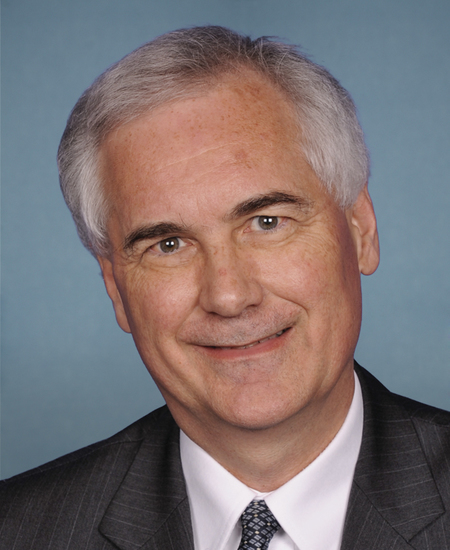
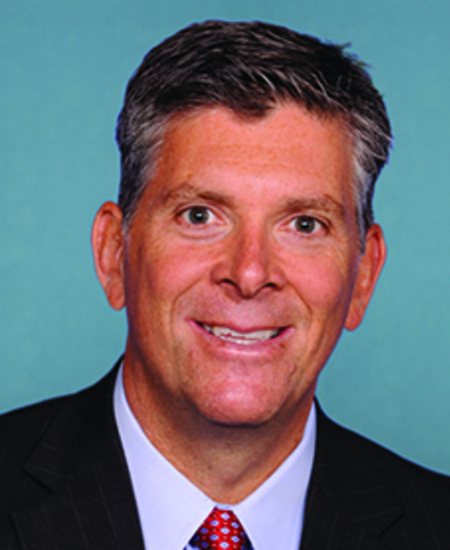
HR 674 prohibits new commercial offshore wind energy development in Lobster Management Area 1 (a specific fishing zone in the Gulf of Maine critical to the New England lobster and seafood industry). The bill directly affects commercial fishermen, seafood processors, and coastal communities dependent on this area’s fisheries, which support thousands of jobs and generate over $500 million annually in lobster harvest alone. Key provisions include banning new wind energy leases in the area and requiring a federal study within 120 days to evaluate how current environmental reviews for Gulf of Maine wind projects consider impacts on marine life, fishing industries, and coastal communities. The study will assess existing agency processes for reviewing wind projects, not change those processes.
Fairness for High-Skilled Americans Act of 2025 This bill eliminates the Optional Practical Training Program or any successor program, unless Congress expressly authorizes such a program. (The program provides an F-1 student visa holder temporary employment authorization before or after completion of the student's studies, or both.)
This bill requires the Treasury Department to publish an annual public report listing federal employees (including military personnel and retirees) with unpaid tax debt or unfiled returns, broken down by agency. It makes individuals with "seriously delinquent tax debt" ineligible for federal employment or continued service, unless they certify they have no such debt or provide authorization for tax verification. The law includes due process protections, allowing 180 days to resolve debt issues and exemptions for financial hardship cases. It applies to all federal civilian and military roles, including new hires and current employees, with enforcement beginning 270 days after enactment.
HR 5863, the "No CDLs for Illegals Act," requires states to deny commercial driver's license (CDL) applications to individuals without proof of U.S. citizenship, lawful permanent residency, or valid work authorization, plus proof of state domicile. It mandates states to use the federal SAVE system to verify immigration status for non-citizen applicants and prohibits issuing CDLs to non-domiciles. States violating these rules risk losing federal transportation funds, with the Secretary of Transportation required to annually review compliance and suspend funds until corrections are made. The bill directly affects CDL applicants and state licensing agencies, creating concrete policy changes for CDL issuance and enforcement.
HR 2367, the College Employment Accountability Act, requires colleges and universities receiving federal student aid or institutional funds to comply with immigration laws or risk losing that funding. Specifically, it prohibits institutions from receiving federal aid if they hire individuals without legal work authorization (violating Section 274A of immigration law) and mandates participation in the E-Verify employment verification program. The Department of Homeland Security must monitor compliance every six months and notify the Education Secretary within 10 days if an institution violates immigration rules or fails to use E-Verify. This directly affects all higher education institutions seeking federal financial assistance under the Higher Education Act.
This bill requires all commercial driver's license (CDL) tests - including knowledge tests, entry-level training exams, and third-party provider assessments - to be administered exclusively in English. It also mandates that new CDL applicants must hold a regular driver's license for at least one year prior to receiving a CDL, affecting most first-time commercial drivers. The Secretary of Transportation can revoke a state's authority to issue non-domiciled CDLs or commercial learner's permits (CLPs) if the state fails to comply with these requirements. These provisions directly impact new CDL applicants, particularly non-English speakers and those without prior driving experience.
S 2567 (CAP Act of 2025) removes a special exception that allowed colleges and universities to hire foreign workers on H-1B visas without being subject to annual visa caps. This change means institutions of higher education will now face the same annual limits on H-1B visas as other employers. The bill directly affects U.S. colleges and universities that employ foreign workers through the H-1B program. It modifies existing immigration law to eliminate this exemption, requiring these institutions to compete within the standard H-1B visa quota system.
This bill requires commercial motor vehicle drivers to demonstrate English proficiency to pass knowledge tests or receive certification. It directly affects drivers seeking commercial licenses by mandating they understand English for key tasks: reading traffic signs, communicating with officers (like border patrol), and exchanging directions. The law prohibits administering these tests in any language other than English, effective two years after enactment. The Secretary of Transportation must update federal regulations to implement these requirements.
HJRES 23 is a congressional resolution disapproving a specific rule issued by the Department of Homeland Security (DHS). The rule in question would have extended the automatic period allowing certain immigrants to continue working while renewing their employment authorization documents. This resolution, if passed, would cancel that DHS rule, meaning the extension period would not apply to immigrants renewing their work permits. It directly affects non-citizens in the U.S. who are waiting for their work permit renewals to be processed.
HR 3579 requires veterans to submit an application before the VA can begin an initial evaluation for vocational rehabilitation services. It limits employment assistance under the program to a maximum of 365 days per veteran. The bill also mandates the VA to annually report veterans' regional office assignments, pre- and post-program wages, and average wait times for counselor meetings to Congress and the public. Additionally, it requires an independent review of VA rehabilitation programs within one year of enactment to recommend improvements.