Issue · Labor & Employment

Labor & Employment (Child Labor)

Every labor & employment bill, vote, and legislator stance in United States, automatically classified by Maddy, our AI policy reader.

Total bills
71
119th Congress
Top supporter
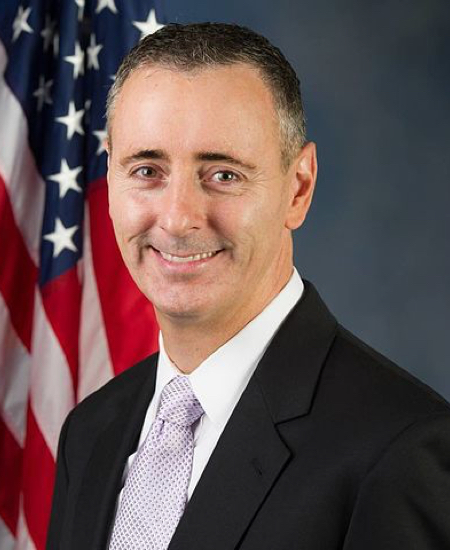
Brian K. Fitzpatrick
100% support rate
Top opponent
Adam Gray
33% support rate
Ranked legislators
10
5 support · 5 oppose
Key legislators

Who's moving child labor in United States

Legislators moving child labor in United States
Legislator Party Stance Support rate Votes
Brian K. Fitzpatrick
Brian K. Fitzpatrick House · District 1
R
Strong +
100% 3
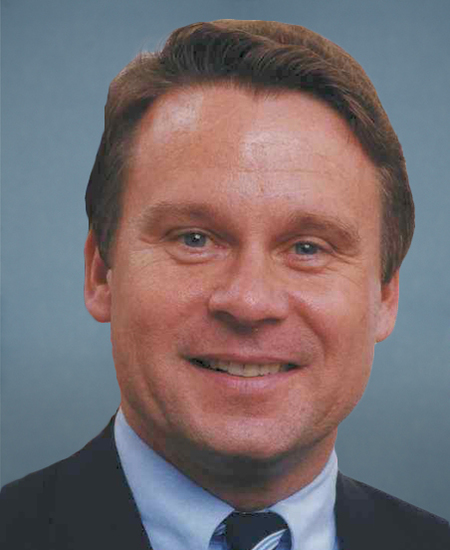
Christopher H. Smith
Christopher H. Smith House · District 4
R
Strong +
100% 3
Jefferson Van Drew
Jefferson Van Drew House · District 2
R
Strong +
100% 3
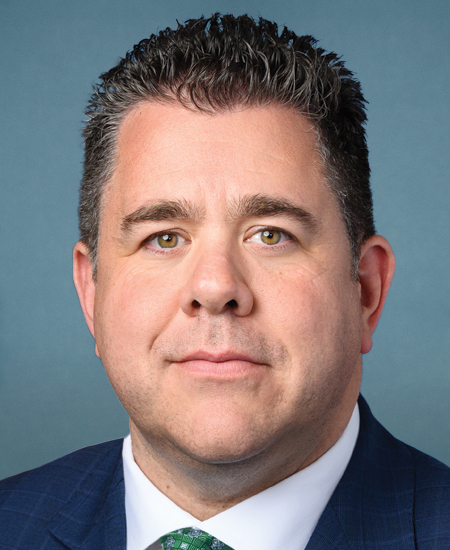
Nick LaLota
Nick LaLota House · District 1
R
Strong +
100% 3
Riley M. Moore
Riley M. Moore House · District 2
R
Strong +
100% 3
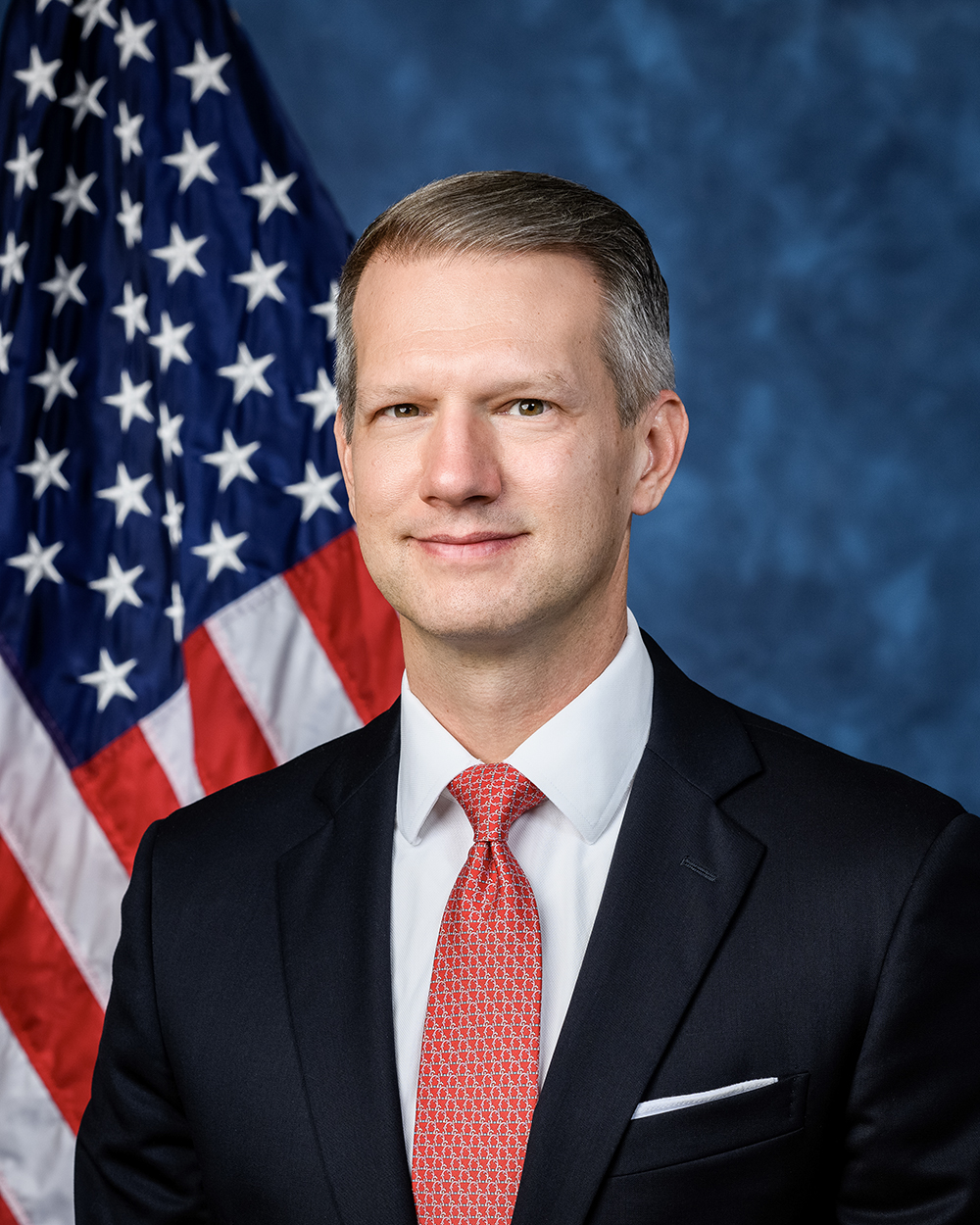
Adam Gray
Adam Gray House · District 13
D
Oppose
33% 3
Adam Smith
Adam Smith House · District 9
D
Oppose
33% 3
Adelita S. Grijalva
Adelita S. Grijalva House · District 7
D
Oppose
33% 3
Adriano Espaillat
Adriano Espaillat House · District 13
D
Oppose
33% 3
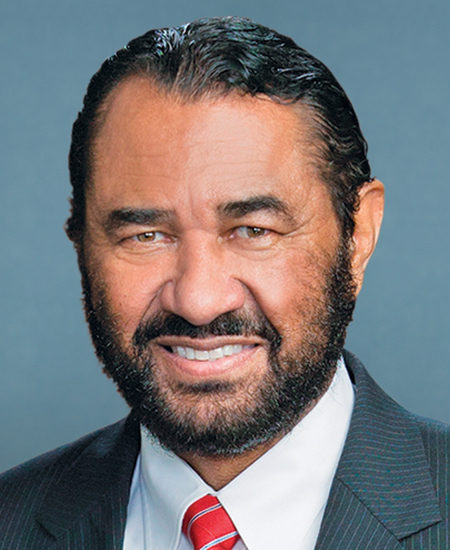
Al Green
Al Green House · District 9
D
Oppose
33% 3
Showing 21–30 of 71 bills

All labor & employment bills

in committee · United States · House Mar 24, 2025

HR 2310: COBALT Supply Chain Act

HR 2310, the COBALT Supply Chain Act, prohibits the import of cobalt-containing goods refined in China due to documented child labor and forced labor in the Democratic Republic of Congo (DRC) cobalt supply chain. It creates a legal presumption that such goods are made with forced labor unless importers provide clear evidence they are not derived from Chinese-refined cobalt. The bill requires federal agencies to develop an enforcement strategy within 120 days to trace supply chains and block imports, and mandates annual certification that all U.S. government-vehicle parts are free of cobalt mined or refined using forced labor in the DRC or China’s Xinjiang region. This directly affects U.S. importers of cobalt-based products (like electric vehicle batteries), Chinese firms operating in DRC mines, and federal procurement practices.
in committee · United States · Senate Feb 3, 2025

S 377: Students Helping Young Students Act of 2025

This bill amends the Higher Education Act to expand the Federal Work-Study program, allowing colleges to use funds for student-led after-school programs at public K-12 schools. It directly affects colleges participating in the work-study program and public elementary/secondary schools that partner with them. Key provisions require colleges to prioritize schools in low-income communities, cover student compensation (including training/travel) for these after-school activities, and allow federal funding to exceed 75% of costs. The Secretary must establish a registration process for schools within 180 days of enactment.
in committee · United States · House Nov 19, 2025

HR 6122: BARN Act

HR 6122, the BARN Act, reforms the H-2A agricultural visa program. It shifts oversight from the Labor Department to the Agriculture Department, requires employers to provide housing or pay HUD-based housing allowances (based on 2-bedroom fair market rents), and shortens application processing to 30 days. The bill also limits visa stays to 2 years (with one 1-year extension), mandates workers leave after 2 years, and penalizes employers for hiring workers with expired visas. These changes directly affect agricultural employers and temporary farm workers seeking H-2A status.
in committee · United States · House Mar 26, 2025

HR 2380: Building Youth Workforce Skills Act

This bill amends the Workforce Innovation and Opportunity Act to expand access to job training funds for young people. It allows local workforce programs to use existing individual training accounts - previously used for adult workers - to pay for career training for youth aged 16-21 who are still in school or not in school. The training must be provided by approved providers for skills aligned with local job market needs. This change directly affects young people seeking work experience or education beyond high school, making it easier to access subsidized training through existing systems.
in committee · United States · House Jul 21, 2025

HR 4575: Jobs in the Woods Act

The Jobs in the Woods Act establishes a federal grant program to fund career training in forestry operations and products industries. It provides competitive grants (ranging from $500,000 to $2 million over up to 4 years) to eligible entities like nonprofits, states, tribes, or community colleges in targeted rural areas. These areas must be nonmetropolitan low-income communities, have broadband access, or have populations under 50,000. Grants require applicants to demonstrate regional need, plan for program sustainability, partner with schools, and address aging workforces or youth migration. The program is funded at $10 million annually from 2026 through 2030.
in committee · United States · House May 19, 2025

HR 3499: Outdoor Recreational Outfitting and Guiding Act

This bill amends the Fair Labor Standards Act to exempt certain employees in the outdoor recreation industry from overtime pay requirements. It specifically applies to employees primarily engaged in outdoor recreational outfitting (like equipment rentals) or guiding services, but only if their business meets one of two seasonal criteria: operating for fewer than seven months annually, or having average receipts for six months that don't exceed 33 1/3% of receipts during the other six months. The exemption applies to wages and overtime compensation for workweeks starting after the bill's enactment date. This change directly affects small seasonal outdoor recreation businesses and their employees who meet the specified operational thresholds.
in committee · United States · House Dec 2, 2025

HR 5363: Expanding Childcare in Rural America Act of 2025

This bill establishes the "Expanding Childcare in Rural America Initiative" under the USDA, directing the Secretary of Agriculture to prioritize funding through six existing USDA programs (like rural business grants and essential community facilities loans) for projects addressing childcare availability, quality, or cost in rural and agricultural communities. It specifically prioritizes applications from providers in farming-dependent counties (using USDA 2015 county typology) and requires balanced geographic distribution of funds across rural areas. The initiative runs from fiscal years 2026 through 2030, with the USDA required to evaluate outcomes and report findings to Congress within three years. It directly affects rural childcare providers, families in underserved communities, and existing USDA grant programs.
Sub-Topics Child Labor Tags Rural Communities
in committee · United States · Senate Mar 26, 2025

S 1158: Working Families Flexibility Act of 2025

The Working Families Flexibility Act of 2025 allows private sector employees to earn time off instead of cash for overtime hours, at a rate of 1.5 hours of time off for every hour of overtime worked. To qualify, employees must have worked at least 1,000 hours for their employer in the prior 12 months, and agreements for time off must be voluntary, in writing, and not tied to employment conditions. Employers must pay cash for unused time off by January 31 each year (or another agreed 12-month period), with a cap of 160 hours of accrued time. The bill excludes public employees, includes enforcement provisions for violations, and expires 5 years after enactment.
in committee · United States · Senate Sep 18, 2025

S 2909: Seasonal Agriculture CDL Modernization Act

This bill modernizes restrictions on commercial driver's licenses (CDLs) for seasonal agricultural workers. It requires the Transportation Secretary to create online systems for farm-related businesses and seasonal workers to easily renew restricted CDLs within one year of enactment. The bill also clarifies that agricultural equipment ("implements of husbandry") are not considered commercial vehicles and are exempt from weight calculations. These changes directly affect seasonal farm workers and agricultural service businesses that rely on specialized vehicle operations. The policy focuses on simplifying license renewals and removing regulatory confusion around farm equipment.
Sub-Topics Child Labor Driver Licensing Freight Tags Agriculture
in committee · United States · Senate Apr 9, 2025

S 1372: Tax Cut for Workers Act of 2025

This bill, the Tax Cut for Workers Act of 2025, expands the Earned Income Credit (EIC) to make it more accessible and generous for low-income workers without children. It lowers the minimum age for the credit from 25 to 19 (with exceptions for students, former foster youth, and homeless youth), removes the maximum age limit, and increases the credit amount and income thresholds. The bill also adjusts these amounts for inflation and allows taxpayers to use their prior year’s earned income if it was higher, applying to taxable years starting after 2025. These changes extend the credit to U.S. territories like Puerto Rico and American Samoa without prior time limits.
Showing 21 to 30 of 71 bills
Previous 1 2 3 4 8 Next