Issue · Labor & Employment

Labor & Employment (Labor Standards)

Every labor & employment bill, vote, and legislator stance in United States, automatically classified by Maddy, our AI policy reader.

Total bills
257
119th Congress
Top supporter
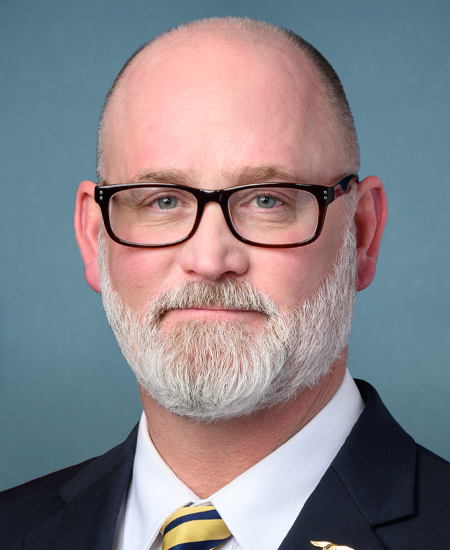
Derrick Van Orden
100% support rate
Top opponent
Julie Fedorchak
33% support rate
Ranked legislators
10
5 support · 5 oppose
Key legislators

Who's moving labor standards in United States

Legislators moving labor standards in United States
Legislator Party Stance Support rate Votes
Derrick Van Orden
Derrick Van Orden House · District 3
R
Strong +
100% 3
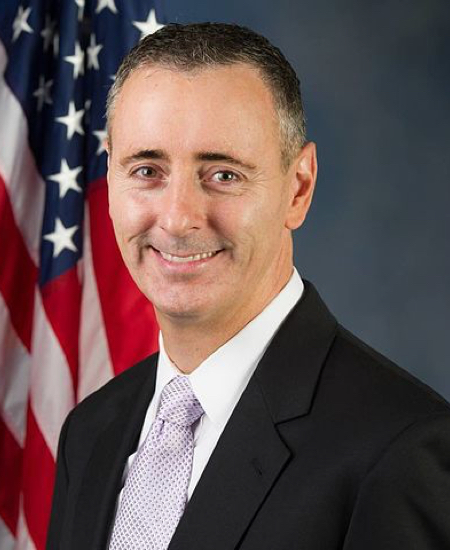
Brian K. Fitzpatrick
Brian K. Fitzpatrick House · District 1
R
Strong +
86% 7
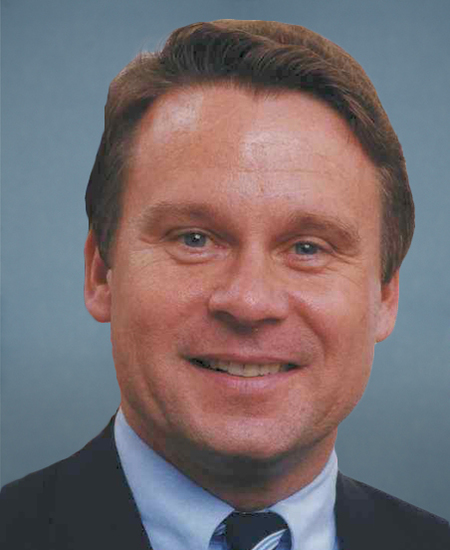
Christopher H. Smith
Christopher H. Smith House · District 4
R
Strong +
86% 7
Jefferson Van Drew
Jefferson Van Drew House · District 2
R
Strong +
86% 7
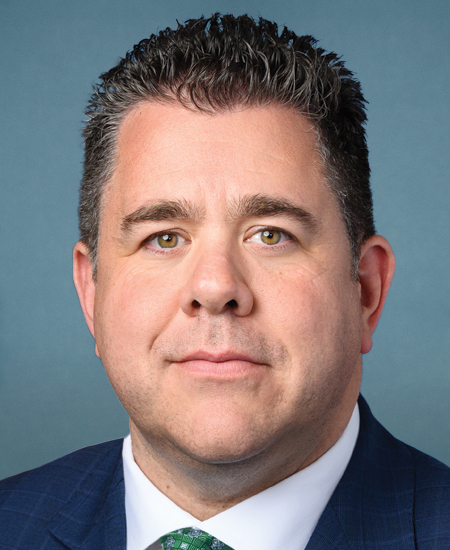
Nick LaLota
Nick LaLota House · District 1
R
Strong +
86% 7
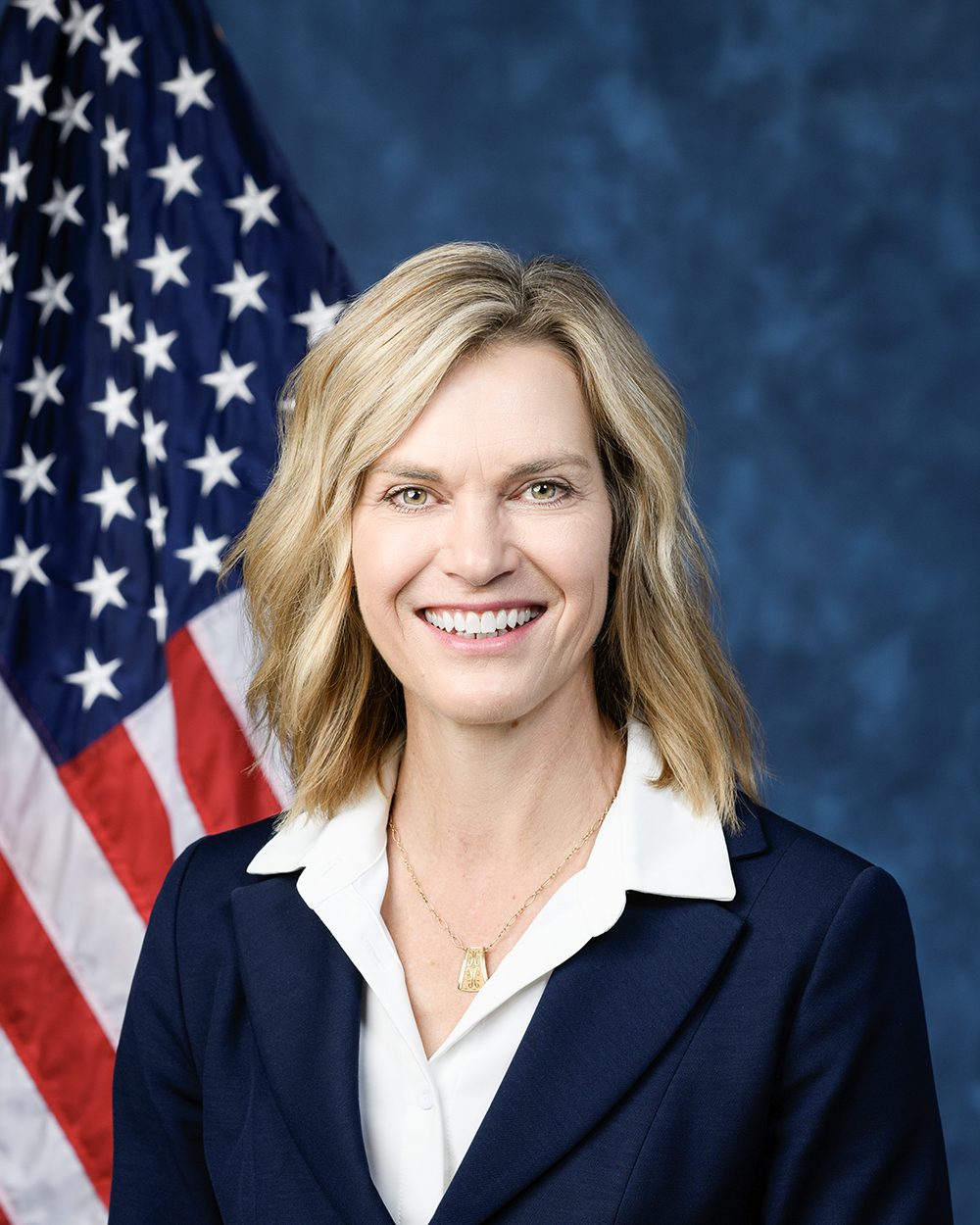
Julie Fedorchak
Julie Fedorchak House · District At-Large
R
Oppose
33% 6
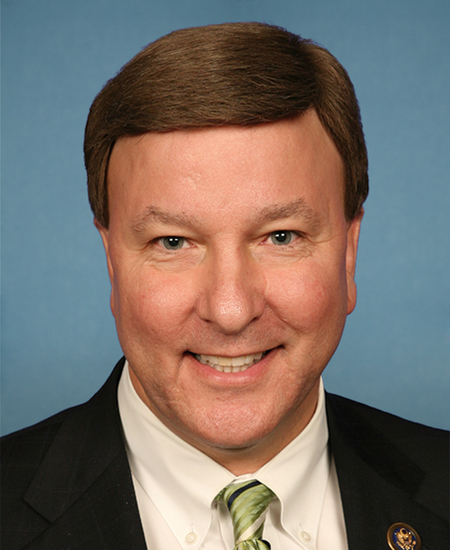
Mike Rogers
Mike Rogers House · District 3
R
Oppose
33% 6
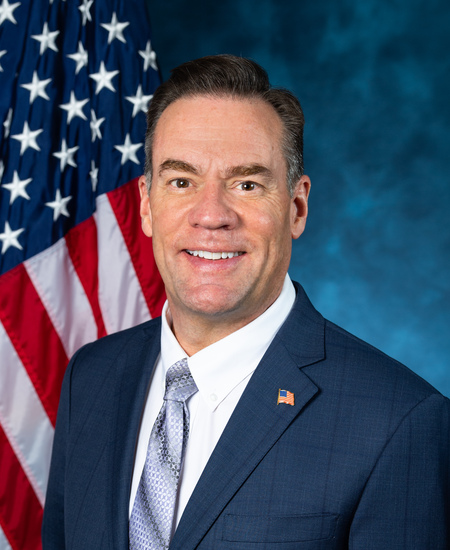
Russ Fulcher
Russ Fulcher House · District 1
R
Oppose
33% 6
Gregory F. Murphy
Gregory F. Murphy House · District 3
R
Oppose
33% 3
Wesley Hunt
Wesley Hunt House · District 38
R
Oppose
33% 3
Showing 191–200 of 257 bills

All labor & employment bills

in committee · United States · House Jul 23, 2025

HR 4693: College Athlete Right to Organize Act

This bill amends the National Labor Relations Act to recognize college athletes as employees eligible for collective bargaining rights. It directly affects athletes receiving athletic scholarships (grant-in-aid) who perform services for their institution, including those at public and private universities. Key provisions establish that athletes meeting specific criteria (receiving compensation for athletic participation) are employees, allow multiemployer bargaining units across athletic conferences, and prohibit waivers of these rights in scholarship agreements. The bill explicitly states it will not change tax treatment of athletic compensation or affect eligibility for federal financial aid.
in committee · United States · House Apr 8, 2025

HR 2736: Public Service Freedom to Negotiate Act of 2025

This bill establishes federal minimum standards for collective bargaining rights for public employees and supervisors. The Federal Labor Relations Authority would determine if state laws provide these rights, and if not, would establish them for affected employees. The bill guarantees public employees the right to form unions, bargain collectively, and engage in concerted activities, while requiring public employers to recognize unions and put agreements in writing. It also prohibits strikes or lockouts that would disrupt emergency services. This would apply to public employees in states that don't meet the federal standards for collective bargaining rights.
in committee · United States · House Feb 20, 2026

HR 1320: Modern Worker Security Act

HR 1320, the Modern Worker Security Act, changes how federal law determines if a worker is an employee or independent contractor. It prohibits considering whether a worker has access to "portable benefits" (like health insurance, retirement savings, or paid leave that they can keep after leaving a job) when making this classification. This directly affects workers who might currently be misclassified as independent contractors, denying them employee benefits. The key mechanism is removing portable benefits from the employee status determination process, aiming to ensure workers who perform regular work for an employer qualify for standard employee protections.
in committee · United States · House Aug 1, 2025

HR 4844: Farmworker Smoke and Excessive Heat Protection Act of 2025

HR 4844 requires agricultural employers to protect farmworkers from wildfire smoke and excessive heat by providing certified respirators (like N95 masks) and cooling facilities when air quality or heat levels become dangerous. It mandates training on proper equipment use, health risks, and mandatory 10-minute rest breaks every two hours in shaded or cooler areas during hazardous conditions. The law applies directly to farmworkers and their employers in agricultural operations across the U.S. The standard will be enforced under existing OSHA rules, with the Labor Secretary developing final rules within 90 days to ensure protections meet or exceed state standards.
in committee · United States · Senate Oct 8, 2025

S 2987: American Workforce Act

The American Workforce Act establishes a federal program that provides paid, full-time workforce training for U.S. citizens with high school diplomas (but no bachelor's degrees or higher) in high-wage, high-demand industries. The program requires employers to enter into approved American workforce contracts with trainees, providing structured on-the-job work and educational training while paying trainees at or above minimum wage standards. It authorizes workforce education subsidies to employers (up to $9,000 per trainee) to cover training costs, with specific requirements for training quality, credentialing, and transparency about wages and job outcomes. Employers must provide detailed public disclosure about their programs and meet certain standards for training and compliance, with oversight by the Director of the American Workforce Division. The program is set to sunset after 11 years or when the Secretary submits the 10-year report to Congress.
in committee · United States · House Mar 25, 2025

HR 17: Paycheck Fairness Act

The Paycheck Fairness Act strengthens equal pay protections by expanding the definition of "sex" to include pregnancy, childbirth, sexual orientation, gender identity, and sex characteristics. It modifies employer defenses for pay disparities to require proof that any pay difference is job-related, not based on sex, and accounts for the entire pay gap. The bill prohibits employers from asking about salary history, enhances penalties for violations, and requires employers with 100+ employees to collect and report detailed pay data by race, sex, and job category. It also establishes training programs for employers on eliminating pay bias and creates a National Equal Pay Enforcement Task Force to coordinate enforcement efforts. This legislation directly affects employers, particularly those with 100+ employees, and aims to address pay disparities impacting women, people of color, and other underrepresented groups.
in committee · United States · Senate Jul 9, 2025

S 2228: Modern Worker Empowerment Act

This bill amends the Fair Labor Standards Act (FLSA) to clarify key definitions. It adds "as determined under the usual common law rules" to the definition of "employee" (Section 3(e)(1)) and inserts "employee" after "permit" in the definition of "employ" (Section 3(g)). These changes aim to standardize how worker classification is determined under existing law, directly affecting how the FLSA's minimum wage and overtime protections apply to workers. The bill does not create new benefits but refines the legal framework for applying current protections.
in committee · United States · House Mar 5, 2025

HR 1859: Apprenticeship Opportunity Act

This bill requires states to ignore income earned during the first year of a registered apprenticeship when determining eligibility for Temporary Assistance for Needy Families (TANF) welfare benefits. It directly affects low-income individuals entering apprenticeships who might otherwise lose welfare support due to their first-year earnings. The law mandates states to disregard this income in eligibility calculations, with a penalty of a 1% reduction in federal TANF funding for states that fail to comply. The policy change takes effect in the first federal fiscal year after the bill becomes law, ensuring apprentices can maintain welfare access while starting their training.
in committee · United States · House Feb 21, 2025

HR 1505: Public Safety Employer-Employee Cooperation Act

HR 1505, the Public Safety Employer-Employee Cooperation Act, establishes federal standards for collective bargaining rights for public safety officers (including police, firefighters, and emergency medical personnel) in states that do not meet minimum requirements. The Federal Labor Relations Authority (FLRA) will determine after 180 days whether a state law "substantially provides" key rights, such as forming unions, negotiating wages/hours, and using binding arbitration to resolve disputes. If a state fails this assessment, federal bargaining rules apply within two years, but existing state laws with stronger protections remain valid. The bill explicitly respects state laws that exceed its standards and exempts small jurisdictions (under 5,000 population or 25 full-time employees).
in committee · United States · Senate Feb 5, 2025

S 408: Job Protection Act

This bill expands access to job-protected leave under the Family and Medical Leave Act (FMLA) by reducing the required employment duration from 12 months to 90 days for most workers. It also broadens coverage to apply to all employers, regardless of size (down from the previous 50+ employee threshold), affecting nearly all private and public sector workers. Key provisions include modifying FMLA eligibility rules, adjusting federal employee leave requirements, and updating congressional employee provisions to align with the new 90-day standard. The changes apply to leave taken on or after the bill's enactment date.
Showing 191 to 200 of 257 bills
Previous 1 19 20 21 26 Next