Issue · Labor & Employment

Labor & Employment (Labor Standards)

Every labor & employment bill, vote, and legislator stance in United States, automatically classified by Maddy, our AI policy reader.

Total bills
257
119th Congress
Top supporter
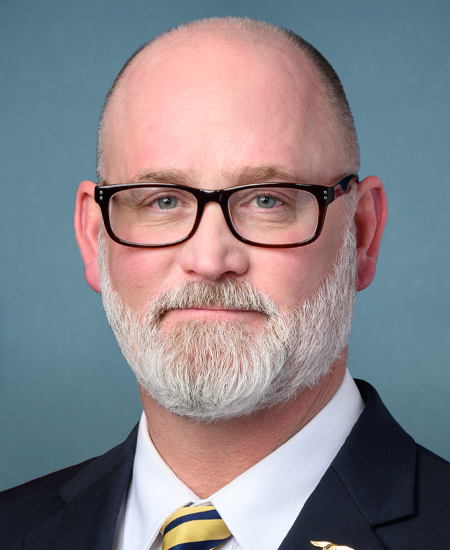
Derrick Van Orden
100% support rate
Top opponent
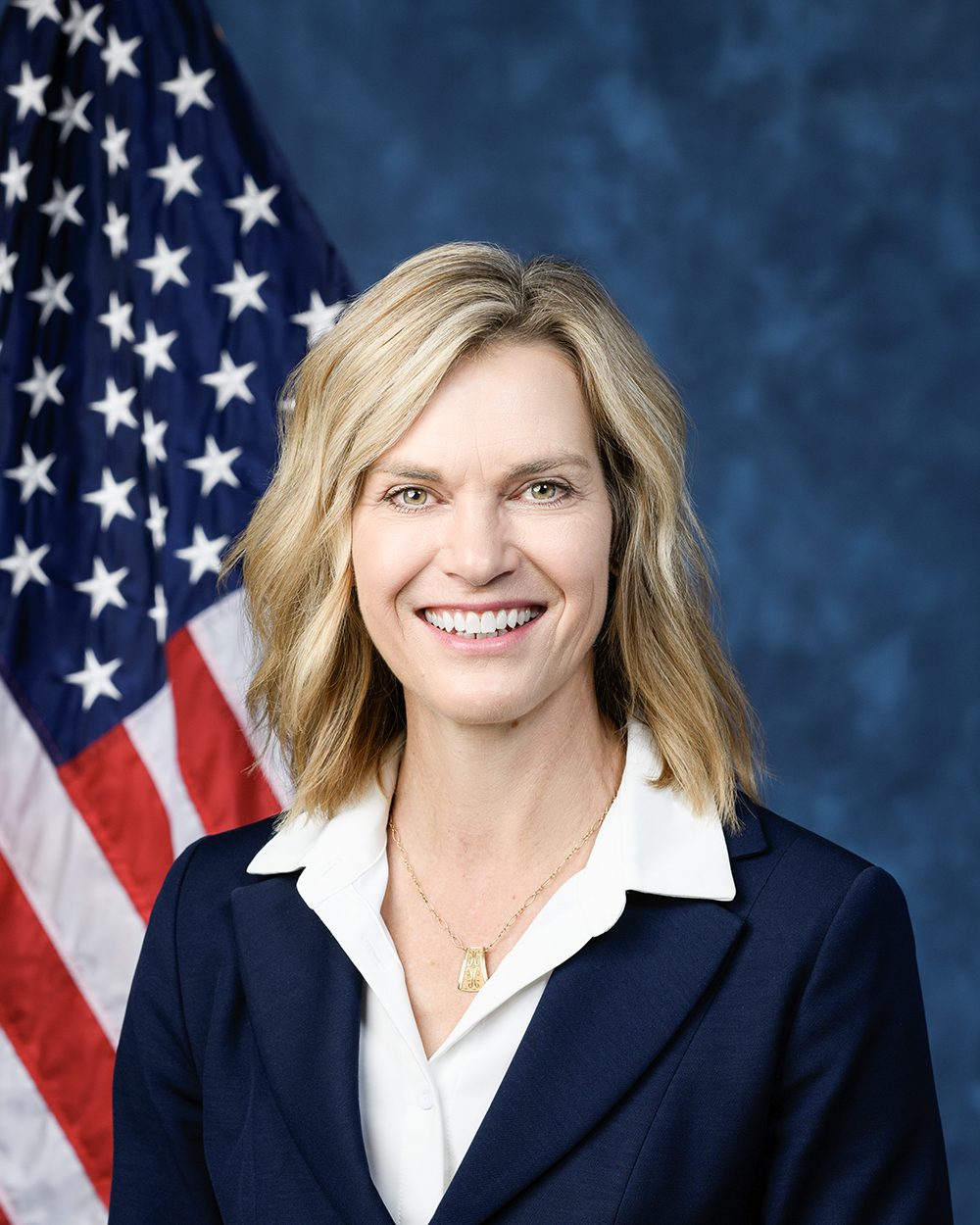
Julie Fedorchak
33% support rate
Ranked legislators
10
5 support · 5 oppose
Key legislators

Who's moving labor standards in United States

Legislators moving labor standards in United States
Legislator Party Stance Support rate Votes
Derrick Van Orden
Derrick Van Orden House · District 3
R
Strong +
100% 3
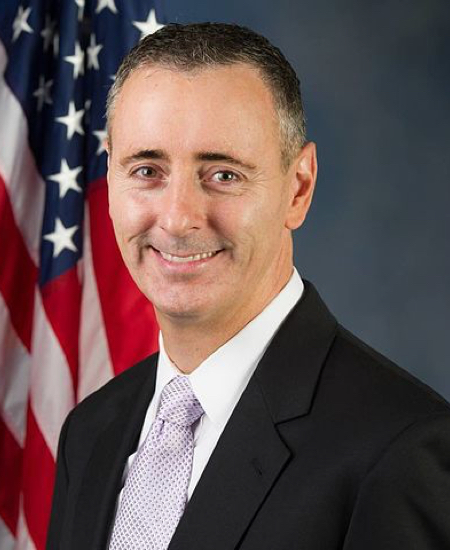
Brian K. Fitzpatrick
Brian K. Fitzpatrick House · District 1
R
Strong +
86% 7
Christopher H. Smith
Christopher H. Smith House · District 4
R
Strong +
86% 7
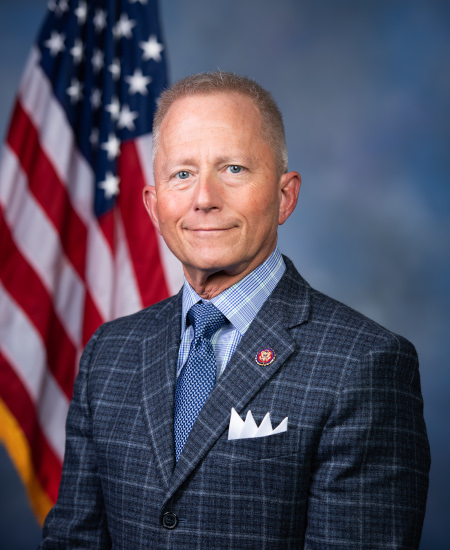
Jefferson Van Drew
Jefferson Van Drew House · District 2
R
Strong +
86% 7
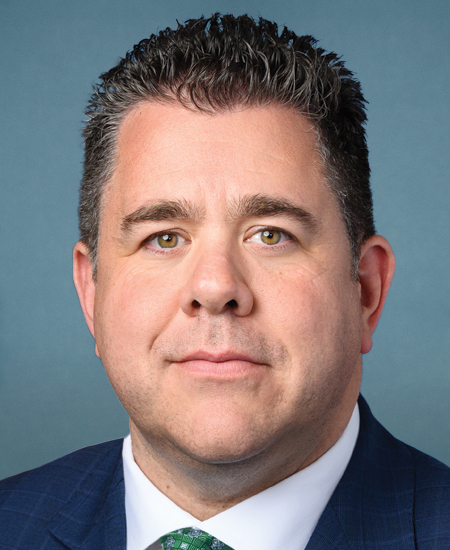
Nick LaLota
Nick LaLota House · District 1
R
Strong +
86% 7
Julie Fedorchak
Julie Fedorchak House · District At-Large
R
Oppose
33% 6
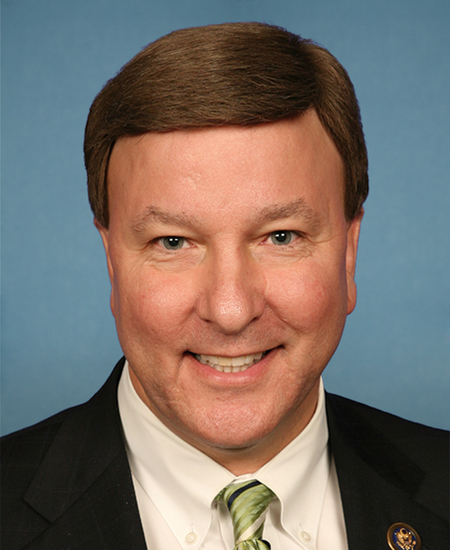
Mike Rogers
Mike Rogers House · District 3
R
Oppose
33% 6
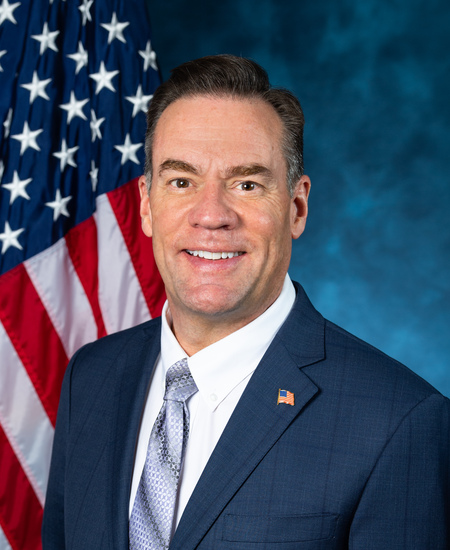
Russ Fulcher
Russ Fulcher House · District 1
R
Oppose
33% 6
Gregory F. Murphy
Gregory F. Murphy House · District 3
R
Oppose
33% 3
Wesley Hunt
Wesley Hunt House · District 38
R
Oppose
33% 3
Showing 161–170 of 257 bills

All labor & employment bills

in committee · United States · House Nov 19, 2025

HR 6139: Union Members Right to Know Act

This bill requires labor unions to provide members with key documents related to union operations and collective bargaining agreements. Specifically, unions must share copies of their contracts with employers (or post them online) within 18 months of enactment, and provide members with the union's constitution, bylaws, and a summary of the law itself - either by mail/email or via a website hyperlink. New members must receive these materials within 30 days of joining, while all members get annual updates. The law applies to all unions with employer contracts and mandates annual compliance reports to the Department of Labor.
in committee · United States · House Jan 13, 2026

HR 2312: Tipped Employee Protection Act

This bill amends the Fair Labor Standards Act to change how tipped employees' wages are calculated. It removes the previous requirement that tipped workers must "customarily and regularly receive more than $30 a month in tips" to qualify for the lower cash wage rate. Instead, it requires that the combined cash wage plus tips must equal or exceed the standard federal minimum wage for the pay period chosen by the employer (ranging from daily to monthly). The bill directly affects restaurant servers, bartenders, and other tipped workers who receive cash wages plus tips. It simplifies wage calculations for employers while ensuring tipped employees earn at least the full minimum wage when tips are included.
in committee · United States · Senate Oct 1, 2025

S 2963: Fair Pay for Federal Contractors Act of 2025

This bill requires federal agencies to adjust contract prices for contractors affected by government funding lapses (like shutdowns), ensuring contractors can cover costs for employees who were furloughed, laid off, or had reduced hours. It mandates that contractors receive reimbursement for paying employees at their standard rate during the lapse or restoring paid leave used instead of work. The reimbursement is capped at $1,442 per week (pro-rated for part-time workers), and contractors must provide proof of costs to the agency. Agencies must report to Congress within a year on how many contractor employees were impacted and how compensation was handled.
in committee · United States · Senate Mar 4, 2025

S 844: Faster Labor Contracts Act

The Faster Labor Contracts Act requires employers and newly certified unions to begin negotiating an initial collective bargaining agreement within 10 days of a written request. If no agreement is reached within 90 days, the parties may request mediation from the Federal Mediation and Conciliation Service, which must act within 30 days. If mediation fails, the dispute moves to a binding arbitration panel whose decision - based on factors like employer finances, business type, and industry wages - remains enforceable for two years. This law directly affects employees represented by newly certified unions and their employers by reducing delays in securing first contracts, which historically averaged 465 days.
in committee · United States · Senate May 5, 2025

S 1597: Paycheck Protection Act

This bill prohibits federal agencies and the U.S. Postal Service from deducting labor organization dues, fees, or political contributions from employee paychecks. It directly affects federal workers and postal employees by ensuring their union dues are not automatically withheld from their pay. The key provision amends existing laws (5 U.S.C. § 7115 and 39 U.S.C. § 1205) to explicitly ban these payroll deductions. The policy change ensures employees retain full control over how they pay union dues, without automatic payroll withholding.
in committee · United States · House Mar 11, 2025

HR 2086: Rights for the TSA Workforce Act

This bill requires the Transportation Security Administration (TSA) to transition its workforce from a special personnel management system to the standard federal personnel system under Title 5 of the U.S. Code by December 31, 2025. It protects TSA employees by ensuring no reduction in pay, benefits, or retirement rights during the transition, while preserving collective bargaining rights for screening agents. The legislation also mandates consultation with labor unions during the process and requires several reports on workforce issues including recruitment, harassment policies, and workplace safety.
in committee · United States · Senate Sep 9, 2025

S 2738: ESP, Paraprofessional, and Education Support Staff Family Leave Act

This bill expands eligibility for family and medical leave under the FMLA for paraprofessionals and education support staff (ESP) in schools. It lowers the required work hours for eligibility from 1,250 hours per year to 60% of the expected monthly hours for their specific role (based on the previous school year’s schedule). Employers must document each employee’s expected monthly hours in a file for the Secretary’s review. The law specifically covers school staff providing services like clerical work, food services, custodial duties, or student health support, aligning with existing definitions from education law.
in committee · United States · House Apr 8, 2025

HR 2743: Raise the Wage Act of 2025

The Raise the Wage Act of 2025 gradually increases the federal minimum wage from $9.50 to $17.00 per hour over six years, with annual adjustments based on median wage growth. It raises the base wage for tipped workers from $6.00 to $17.00 per hour, phasing out their separate minimum wage structure by 2029. The bill also eliminates special minimum wage certificates for disabled workers after 2029, requiring employers to pay the standard minimum wage. These changes apply to most covered workers, including tipped employees and those under 20, with specific transition timelines for each group.
in committee · United States · Senate Sep 16, 2025

S 2818: Tax Excessive CEO Pay Act of 2025

S 2818, the Tax Excessive CEO Pay Act of 2025, imposes a corporate tax penalty on large U.S. corporations with a CEO-to-worker pay ratio exceeding 50:1. The penalty increases the standard 21% corporate tax rate by 0.5% to 5% based on how high the ratio climbs (e.g., 0.5% for 50-100:1, up to 5% for ratios over 500:1). It directly affects corporations with average annual gross receipts over $100 million, requiring them to calculate a 5-year average pay ratio using SEC-mandated methodology. Smaller companies with under $100 million in average revenue are exempt from reporting requirements. The law takes effect for taxable years beginning after December 31, 2025, with regulations to prevent avoidance tactics like shifting to contractor labor.
in committee · United States · House Feb 12, 2026

HR 7524: Older Workers’ Bureau Act

HR 7524, the Older Workers’ Bureau Act, establishes a new bureau within the Department of Labor to address workplace challenges for older workers. The bureau will conduct research on issues like age discrimination, wage disparities, retirement readiness, and access to workplace flexibility for workers aged 55 and older, and administer grant programs to combat structural ageism and improve employment opportunities. It requires annual reports on federal programs supporting older workers and prioritizes grants for organizations serving disadvantaged older workers in areas lacking targeted training. The act authorizes $10 million annually for these research and grant activities starting in fiscal year 2028. This directly affects older workers (55+) and organizations providing services to them, focusing on concrete policy research and program coordination.
Showing 161 to 170 of 257 bills
Previous 1 16 17 18 26 Next