Issue · Labor & Employment

Labor & Employment

Every labor & employment bill, vote, and legislator stance in United States, automatically classified by Maddy, our AI policy reader.

Total bills
1,399
119th Congress
Top supporter
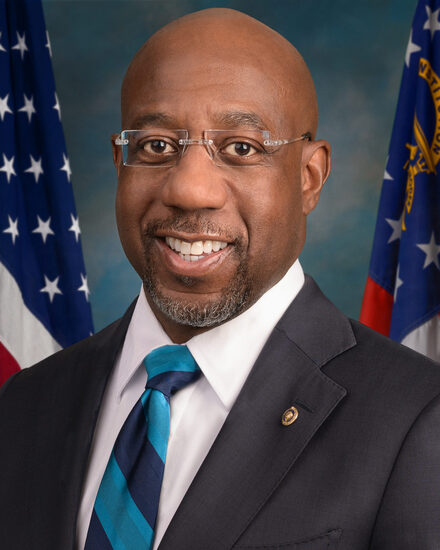
Raphael G. Warnock
100% support rate
Top opponent
Eric Burlison
31% support rate
Ranked legislators
10
5 support · 5 oppose
Key legislators

Who's moving labor & employment in United States

Legislators moving labor & employment in United States
Legislator Party Stance Support rate Votes
Raphael G. Warnock
Raphael G. Warnock Senate
D
Strong +
100% 211
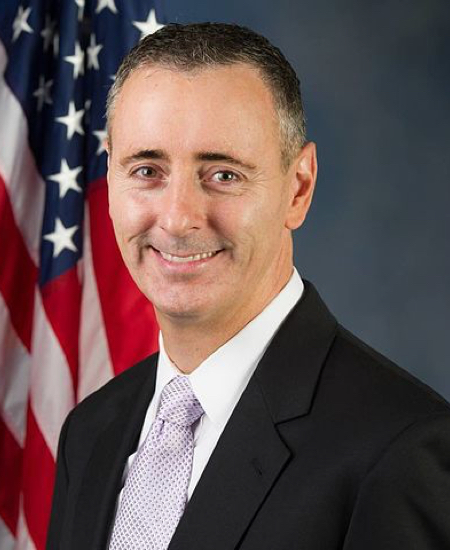
Brian K. Fitzpatrick
Brian K. Fitzpatrick House · District 1
R
Strong +
92% 194
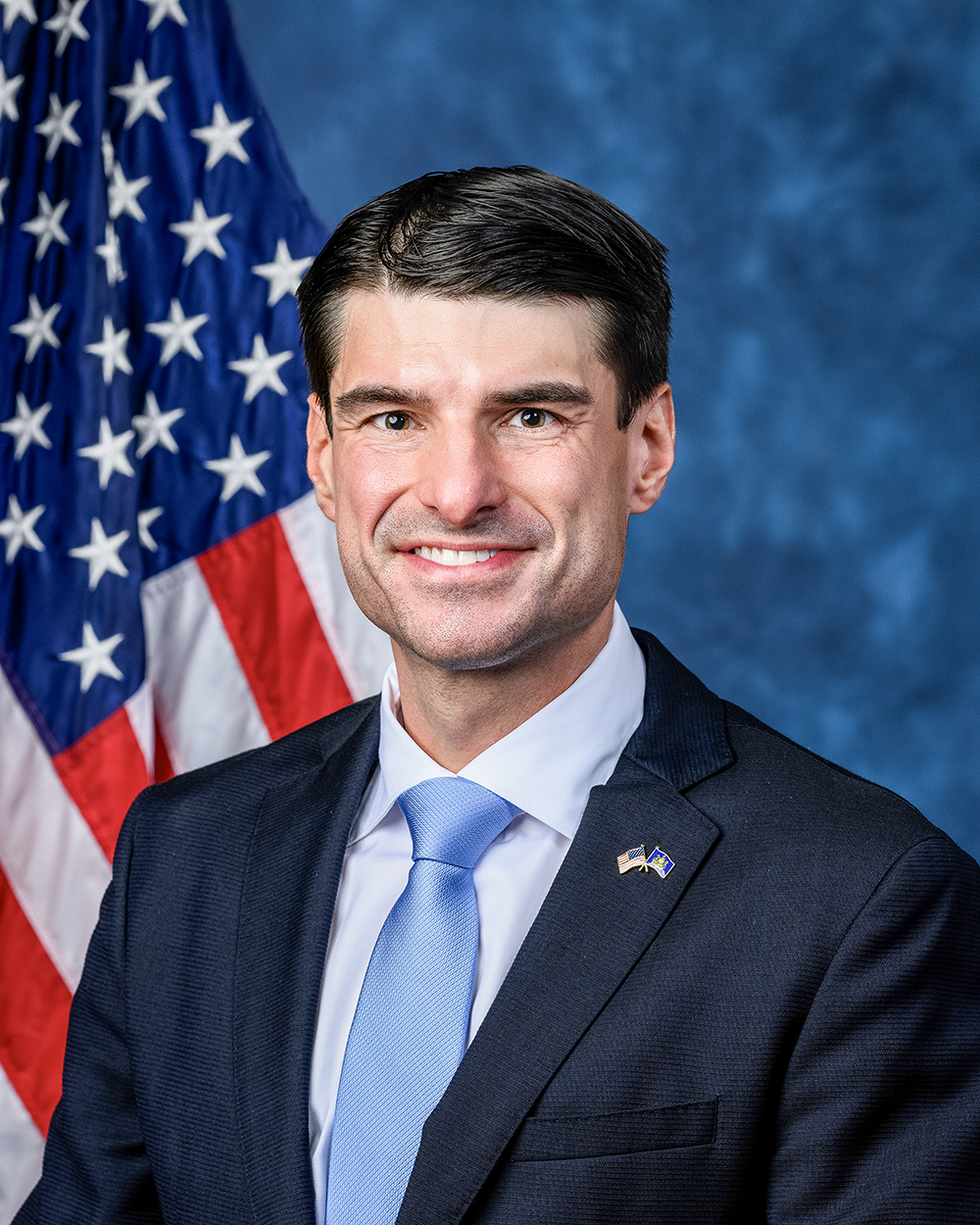
Robert P. Bresnahan, Jr.
Robert P. Bresnahan, Jr. House · District 8
R
Strong +
92% 197
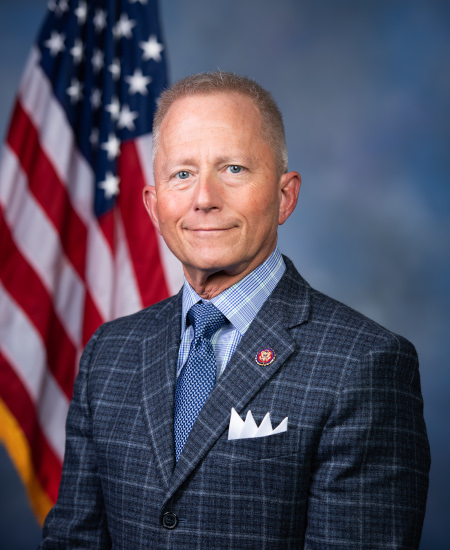
Jefferson Van Drew
Jefferson Van Drew House · District 2
R
Strong +
92% 197
Nick LaLota
Nick LaLota House · District 1
R
Strong +
92% 195
Eric Burlison
Eric Burlison House · District 7
R
Oppose
31% 197
Chip Roy
Chip Roy House · District 21
R
Oppose
31% 190
Scott Perry
Scott Perry House · District 10
R
Oppose
31% 194
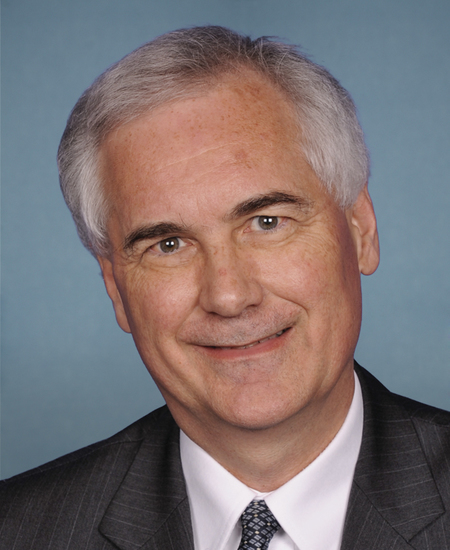
Tom McClintock
Tom McClintock House · District 5
R
Oppose
31% 190
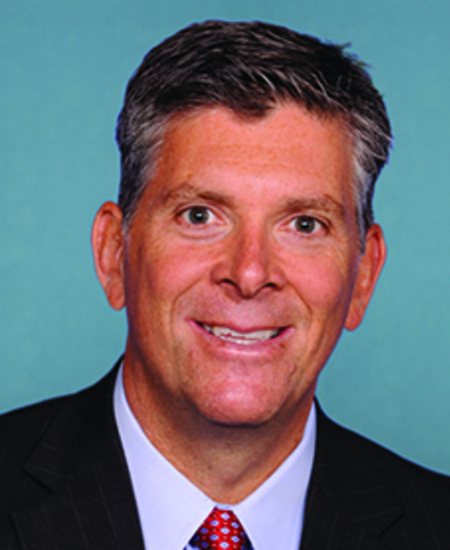
Darin LaHood
Darin LaHood House · District 16
R
Oppose
33% 175
Showing 1,191–1,200 of 1,399 bills

All labor & employment bills

in committee · United States · House Feb 5, 2025

HR 989: To codify Executive Order 11246 titled "Equal Employment Opportunity".

HR 989 would turn Executive Order 11246 into law, requiring federal contractors and subcontractors to follow its equal employment nondiscrimination rules. This bill directly affects businesses working with the U.S. government by making these requirements legally binding. The key provision ensures the existing order has the full force of law, rather than being subject to executive changes.
in committee · United States · Senate Feb 4, 2026

S 3775: Stop Underrides Act 2.0

The Stop Underrides Act 2.0 requires new safety standards for side underride guards on commercial trucks and trailers to prevent passenger vehicles from sliding under them during collisions. The bill mandates that the Secretary of Transportation finalize regulations requiring these guards within 18 months, with full compliance required within two years. The regulations must meet specific performance standards to prevent intrusion into passenger vehicle occupant space during side collisions at speeds up to 40 mph. This law directly affects commercial truck manufacturers, trucking companies, and all road users, particularly vulnerable road users like cyclists and pedestrians who are at higher risk in underride crashes. The bill also establishes a public website for underride crash resources and requires studies to better understand and prevent these crashes.
in committee · United States · Senate Jun 17, 2025

S 2086: Health Marketplace for All Act of 2025

This bill redefines certain health marketplace pools as "employers" under federal law, enabling them to offer group health coverage to members without discriminating based on health status. It requires these pools to provide uniform coverage to all members (including employees and dependents of participating employers), prohibit health-based enrollment barriers, and allow plans offering only prescription or over-the-counter drug coverage as a primary benefit. Key provisions include standardized pricing rules, geographic flexibility for pool operations, and clarifying that participation does not create employer or joint-employer relationships under other laws. The policy directly affects entities forming these pools (e.g., community cooperatives) and their members, such as small business employees and their dependents.
Sub-Topics Insurance Prescription Drugs Tags Small Business
in committee · United States · Senate May 7, 2025

S 1650: VA Employee Fairness Act of 2025

S 1650, the VA Employee Fairness Act of 2025, modifies collective bargaining rules for Veterans Health Administration (VHA) employees. It removes existing subsections (b), (c), and (d) from Section 7422 of Title 38 and redesignates the current subsection (e) as (b). This change directly affects VHA health care workers who negotiate with management over wages, hours, and working conditions. The bill clarifies that these modifications do not impact the Secretary's existing authority over incentive pay and expedited hiring under Section 706 of Title 38.
in committee · United States · House Nov 19, 2025

HR 6139: Union Members Right to Know Act

This bill requires labor unions to provide members with key documents related to union operations and collective bargaining agreements. Specifically, unions must share copies of their contracts with employers (or post them online) within 18 months of enactment, and provide members with the union's constitution, bylaws, and a summary of the law itself - either by mail/email or via a website hyperlink. New members must receive these materials within 30 days of joining, while all members get annual updates. The law applies to all unions with employer contracts and mandates annual compliance reports to the Department of Labor.
in committee · United States · Senate Feb 11, 2026

S 3845: After Hours Child Care Act

The After Hours Child Care Act creates a new federal grant program to expand child care access for parents working nontraditional hours (like evenings, nights, or weekends). It provides competitive grants of $25,000-$500,000 to eligible child care providers or partnerships to fund activities such as expanding existing programs, establishing workplace child care, or improving facility safety and staffing. The grants, awarded for five years with a 25% non-Federal match, specifically target families where parents work outside standard 9-to-5 schedules. This directly helps working parents with young children who face limited care options, aiming to support their continued workforce participation and career advancement.
in committee · United States · House Jan 13, 2026

HR 2312: Tipped Employee Protection Act

This bill amends the Fair Labor Standards Act to change how tipped employees' wages are calculated. It removes the previous requirement that tipped workers must "customarily and regularly receive more than $30 a month in tips" to qualify for the lower cash wage rate. Instead, it requires that the combined cash wage plus tips must equal or exceed the standard federal minimum wage for the pay period chosen by the employer (ranging from daily to monthly). The bill directly affects restaurant servers, bartenders, and other tipped workers who receive cash wages plus tips. It simplifies wage calculations for employers while ensuring tipped employees earn at least the full minimum wage when tips are included.
in committee · United States · House Feb 18, 2025

HR 1426: To amend the Internal Revenue Code of 1986 to increase the amount allowed as a credit under the expenses for household and dependent care services credit and the employer-provided child care credit.

HR 1426 increases two federal tax credits to help families with childcare costs. It raises the household care credit from $3,000 to $6,000 per child (and $6,000 to $12,000 for two or more children) and the employer-provided childcare credit from $150,000 to $400,000. These changes directly benefit working parents who pay for childcare and employers who offer on-site childcare programs. The increased credits apply to taxable years starting after the bill’s enactment. This is a concrete policy change that lowers tax burdens for eligible households and businesses.
in committee · United States · House Dec 16, 2025

HR 6757: Relief for Survivors of Miners Act of 2025

HR 6757, the Relief for Survivors of Miners Act of 2025, simplifies the process for survivors to receive black lung benefits by changing how deaths from pneumoconiosis (black lung disease) are proven. It creates a rebuttable presumption that a miner’s death was caused by black lung if they worked 10+ years in coal mines or were totally disabled by the disease before death, making it harder for claims to be denied. The bill also establishes a program to pay up to $4,500 in attorneys’ fees and $3,000 in medical expenses for qualifying claims through a federal fund, with operators later reimbursing the fund if benefits are approved. Additionally, it requires the Government Accountability Office to review interim payments, benefit adequacy, and potential policy changes for black lung survivors.
in committee · United States · House Nov 20, 2025

HR 6231: Improve and Enhance the Work Opportunity Tax Credit Act

HR 6231 extends and enhances the Work Opportunity Tax Credit (WOTC), a federal tax credit for employers hiring from specific target groups like veterans, SNAP recipients, and summer youth workers. The bill extends the program through 2030 (from 2025), increases the credit rate to 50% for certain wages (up from 40%), adds automatic inflation adjustments to the $6,000 wage cap, and expands eligibility to include military spouses and removes age limits for SNAP recipients. Key provisions also modify credit calculations for veterans, agricultural workers, and long-term assistance recipients, while requiring federal agencies to promote hiring from target groups in critical sectors like healthcare and construction. This bill directly affects employers who hire from these designated groups, making the tax credit more valuable and accessible.
Showing 1,191 to 1,200 of 1,399 bills