Issue · Labor & Employment

Labor & Employment

Every labor & employment bill, vote, and legislator stance in United States, automatically classified by Maddy, our AI policy reader.

Total bills
1,409
119th Congress
Top supporter
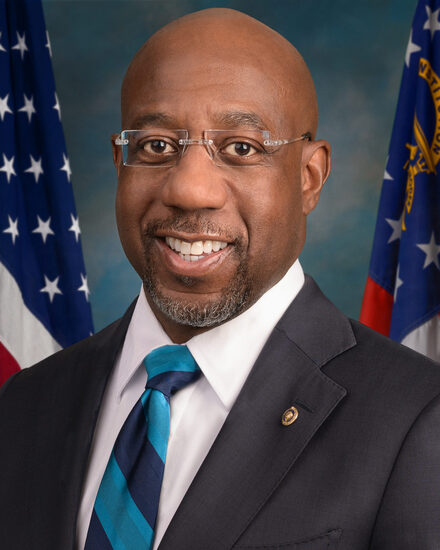
Raphael G. Warnock
100% support rate
Top opponent
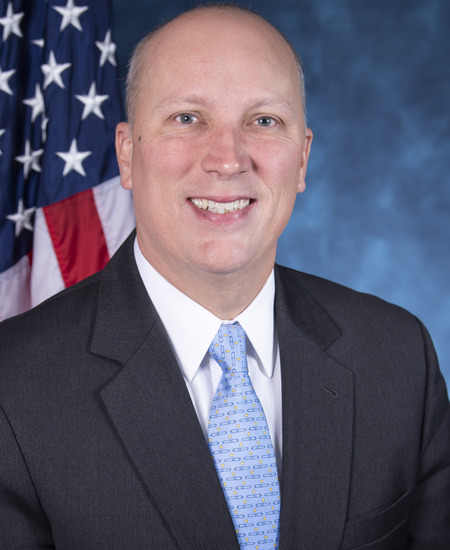
Chip Roy
29% support rate
Ranked legislators
10
5 support · 5 oppose
Key legislators

Who's moving labor & employment in United States

Legislators moving labor & employment in United States
Legislator Party Stance Support rate Decisive votes
Raphael G. Warnock
Raphael G. Warnock Senate
D
Strong +
100% 8
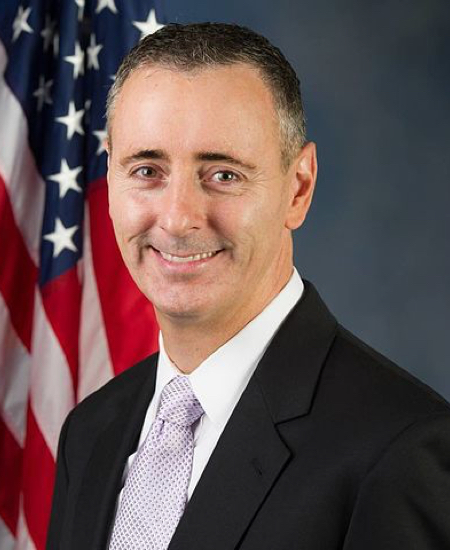
Brian K. Fitzpatrick
Brian K. Fitzpatrick House · District 1
R
Strong +
93% 14
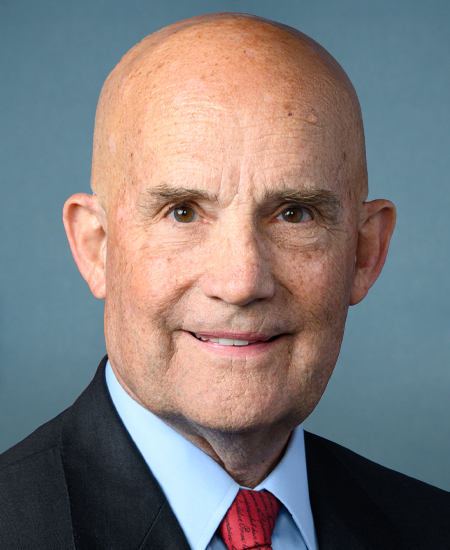
Christopher H. Smith
Christopher H. Smith House · District 4
R
Strong +
93% 14
Jefferson Van Drew
Jefferson Van Drew House · District 2
R
Strong +
93% 14
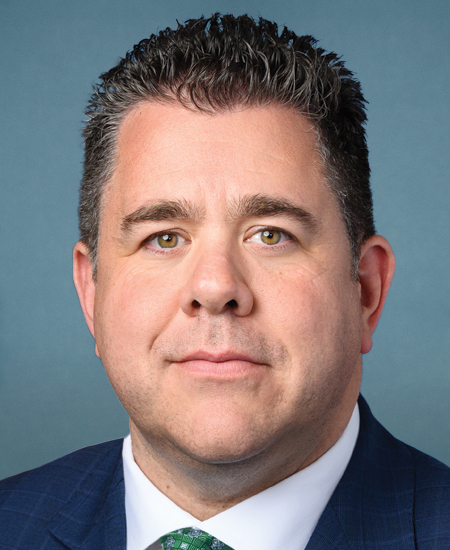
Nick LaLota
Nick LaLota House · District 1
R
Strong +
93% 14
Chip Roy
Chip Roy House · District 21
R
Oppose
29% 14
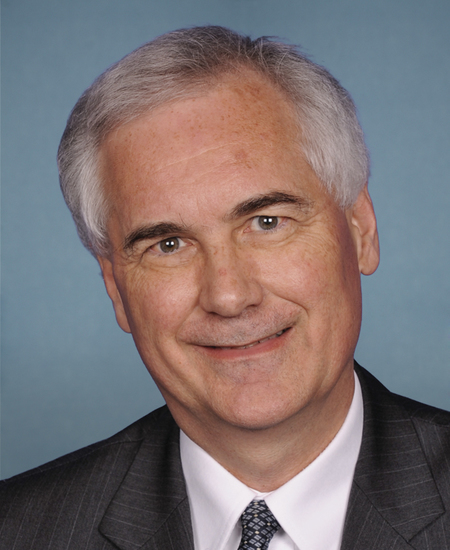
Tom McClintock
Tom McClintock House · District 5
R
Oppose
29% 14
Keith Self
Keith Self House · District 3
R
Oppose
31% 13
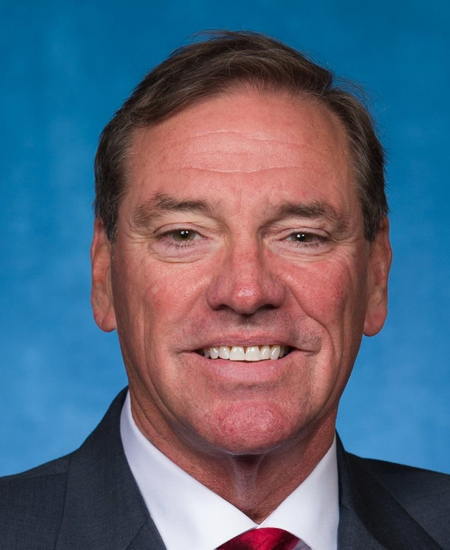
Neal P. Dunn
Neal P. Dunn House · District 2
R
Oppose
33% 9
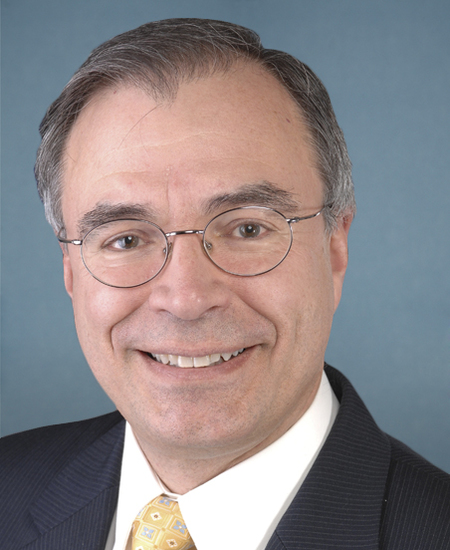
Andy Harris
Andy Harris House · District 1
R
Oppose
36% 14
Showing 1,131–1,140 of 1,409 bills

All labor & employment bills

in committee · United States · House Sep 19, 2025

HR 5514: POJA Act of 2025

The POJA Act of 2025 amends the Age Discrimination in Employment Act to explicitly prohibit age discrimination against job applicants, not just current employees. It directly affects job seekers aged 40 and older who face bias during hiring. The bill requires the Equal Employment Opportunity Commission to conduct a study within one year of enactment, counting age discrimination claims filed since 2015 (including closed cases), and issue a public report with prevention recommendations for employers. This study aims to address gaps in protecting applicants during the hiring process.
in committee · United States · Senate Apr 9, 2025

SRES 166: A resolution demanding the immediate reinstatement of all veteran Federal employees involuntarily removed or otherwise dismissed without cause since January 20, 2025.

This Senate resolution (SRES 166) demands the immediate reinstatement of veteran federal employees who were dismissed without cause since January 20, 2025. It directly affects veterans employed across the federal government, including those in critical roles like Veterans Crisis Line workers, following mass dismissals announced by the Department of Veterans Affairs. The resolution requires affected employees to be reinstated with full back pay and clear communication about their positions and next steps. As a non-binding Senate resolution, it expresses the chamber’s position but does not create new law.
in committee · United States · Senate Jul 9, 2025

S 2217: Independent Retirement Fairness Act

The Independent Retirement Fairness Act (S 2217) creates new retirement savings options for independent workers - such as freelancers, gig workers, and contractors - who typically lack employer-sponsored plans. It allows these workers to join "pooled employer plans" (managed by trade associations or employers) as if they were employees, without changing their independent status, and adjusts Simplified Employee Pension (SEP) plans to include them. Key provisions let employers treat independent workers as eligible for retirement contributions, exclude them from employee count calculations for plan rules, and redirect cash bonuses into retirement savings. The bill also establishes pilot programs to automate retirement savings through rounding down payments or scheduled deductions.
in committee · United States · Senate Mar 13, 2025

S 1027: Military Spouse Hiring Act

This bill expands the Work Opportunity Tax Credit to include military spouses. It adds "qualified military spouse" as a new category eligible for the credit, meaning employers who hire spouses of active-duty service members can claim the tax benefit. To qualify, a spouse must be certified by a local agency as married to an Armed Forces member at the time of hire. The change applies to hires occurring after the law's effective date, directly affecting military spouses seeking employment and employers who hire them.
Sub-Topics Tax Credits
in committee · United States · House Dec 11, 2025

HR 6606: Opportunities for Success Act of 2025

The Opportunities for Success Act of 2025 amends the Higher Education Act to increase funding for work-based learning programs, authorizing $1.5 billion in 2027 and rising to $2.5 billion annually by 2031. The bill requires institutions to allocate at least 7% of work-study funds to compensate students in work-based learning positions and at least 3% to students with "exceptional need" during periods of nonenrollment. It defines "work-based learning" to include internships, fellowships, and apprenticeships, and establishes new metrics for determining which institutions qualify as "improved institutions" for funding allocation. The legislation also mandates new surveys to evaluate program effectiveness and requires institutions to prioritize students with Federal Pell Grants and exceptional need.
in committee · United States · House Apr 30, 2025

HR 3118: No Tax on Overtime Act

HR 3118, the "No Tax on Overtime Act," creates a new tax deduction for workers who earn overtime pay under the Fair Labor Standards Act (FLSA). It allows taxpayers to deduct up to $100 per 100 hours of overtime (capped at 300 hours yearly) from their taxable income, with a phaseout for higher earners ($100 reduction for every $1,000 over $100,000 AGI). Employers must report overtime amounts on W-2 forms, and taxpayers must include the recipient’s Social Security number to claim the deduction. The deduction applies to tax years beginning after December 31, 2024.
in committee · United States · House Mar 31, 2025

HR 2507: Helping to Encourage Real Opportunities (HERO) for Youth Act of 2025

HR 2507 (HERO for Youth Act of 2025) expands a federal tax credit for employers hiring youth. It allows the credit for year-round employment (not just summer) for young workers attending school 20+ hours weekly between September 16 and April 30. The bill also creates a new credit for employers hiring "disconnected youth" - defined as individuals aged 16-25 not enrolled in school or employed for six months, or foster youth aged 16-21. The credit amount is increased, and related tax code provisions are updated to reflect these changes.
in committee · United States · Senate Dec 2, 2025

S 3308: Artificial Intelligence Civil Rights Act of 2025

The Artificial Intelligence Civil Rights Act of 2025 regulates AI systems that make decisions affecting people's lives, such as employment, housing, healthcare, credit, and education. It requires developers and deployers to conduct pre-deployment evaluations and annual impact assessments by independent auditors to prevent discrimination and harm. The law mandates clear consumer disclosures about AI use, provides the right to human alternatives for AI-driven decisions, and creates enforcement mechanisms through the Federal Trade Commission and state attorneys general. It also includes whistleblower protections for employees reporting violations and requires transparency about how AI systems operate.
in committee · United States · Senate Feb 25, 2025

S 711: Transportation Freedom Act

The Transportation Freedom Act would create a 200% tax deduction for wages paid to U.S. automobile manufacturing workers who meet specific requirements, including health care coverage and pension benefits. It repeals current emissions standards for light-duty, medium-duty, and heavy-duty vehicles, as well as Corporate Average Fuel Economy (CAFE) standards. The bill establishes new standards for greenhouse gas emissions and fuel economy that must be "technologically feasible and economically practicable," requiring consultation with manufacturers and other stakeholders. It also eliminates existing emissions waivers and creates a process for adjusting standards based on market conditions.
in committee · United States · House Nov 7, 2025

HR 5958: National Worker Cooperative Development and Support Act

This bill establishes a federal council to coordinate support for worker cooperatives - businesses owned and controlled by their employees - and requires key agencies like the Small Business Administration and Treasury to remove barriers, provide capital access, and offer training to help these businesses form and grow. It amends existing laws to expand a small business lending program for worker cooperatives and directs community development funds to include cooperative support. The council must identify regulatory obstacles, develop a national strategy, and report progress to Congress annually. These changes aim to make federal resources more accessible for employee-owned businesses through concrete policy adjustments.
Tags Small Business
Showing 1,131 to 1,140 of 1,409 bills