Issue · Labor & Employment

Labor & Employment

Every labor & employment bill, vote, and legislator stance in United States, automatically classified by Maddy, our AI policy reader.

Total bills
1,564
119th Congress
Top supporter
Brian K. Fitzpatrick
93% support rate
Top opponent
Bernard Sanders
27% support rate
Ranked legislators
10
5 support · 5 oppose
Key legislators

Who's moving labor & employment in United States

Legislators moving labor & employment in United States
Legislator Party Stance Support rate Decisive votes
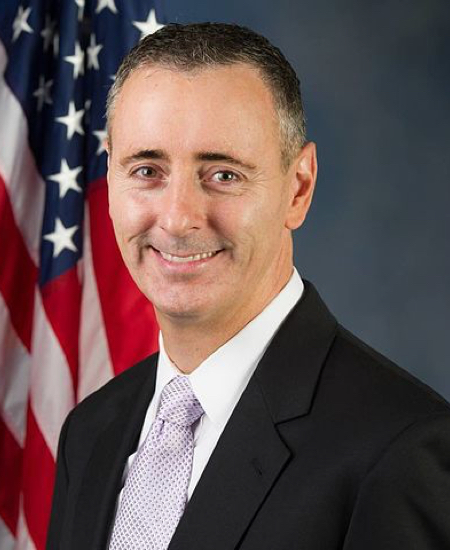
Brian K. Fitzpatrick
Brian K. Fitzpatrick House · District 1
R
Strong +
93% 14
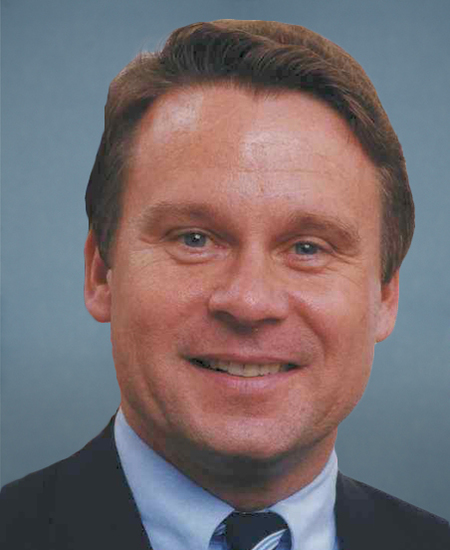
Christopher H. Smith
Christopher H. Smith House · District 4
R
Strong +
93% 14
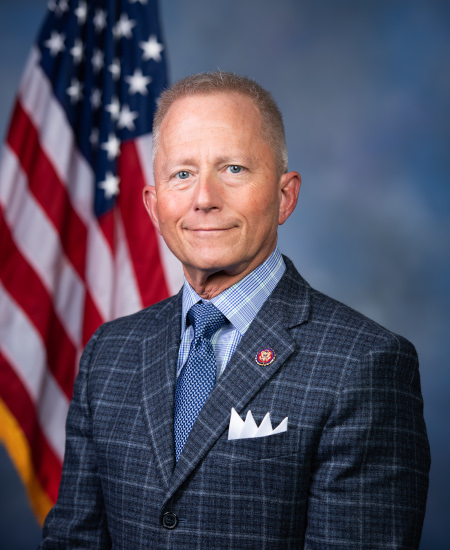
Jefferson Van Drew
Jefferson Van Drew House · District 2
R
Strong +
93% 14
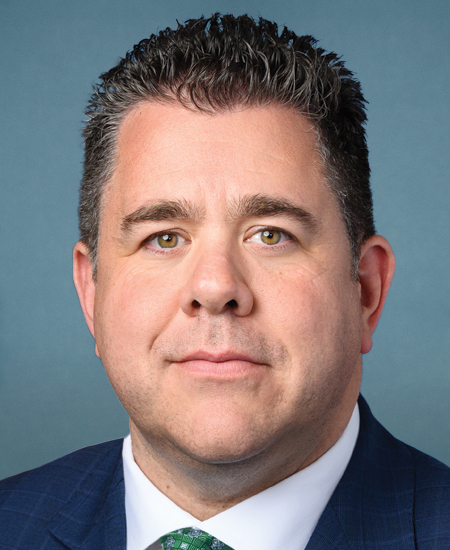
Nick LaLota
Nick LaLota House · District 1
R
Strong +
93% 14
Robert P. Bresnahan, Jr.
Robert P. Bresnahan, Jr. House · District 8
R
Strong +
93% 14
Bernard Sanders
Bernard Sanders Senate
I
Oppose
27% 11
Edward J. Markey
Edward J. Markey Senate
D
Oppose
27% 11
Elizabeth Warren
Elizabeth Warren Senate
D
Oppose
27% 11
Lisa Blunt Rochester
Lisa Blunt Rochester Senate
D
Oppose
27% 11
Chip Roy
Chip Roy House · District 21
R
Oppose
29% 14
Showing 1,131–1,140 of 1,564 bills

All labor & employment bills

in committee · United States · House Feb 11, 2026

HR 7498: After Hours Child Care Act

HR 7498, the After Hours Child Care Act, creates a new Child Care and Development Innovation Fund to expand child care access for parents working nontraditional hours (like evenings, nights, or weekends). The bill directly affects working parents with young children who struggle to find care outside standard 9-to-5 hours, aiming to help them stay employed and advance in their careers. It authorizes $25,000-$500,000 grants for up to 5 years to eligible entities (such as child care providers or partnerships with businesses) to expand existing programs, establish new onsite workplace child care, or improve facilities and staff training. Grantees must cover 25% of costs, and the Secretary of Health and Human Services must report every two years on the program’s impact, including children served and changes in child care availability.
Tags Children
in committee · United States · House Sep 16, 2025

HR 5370: To provide low-income individuals with opportunities to enter and follow a career pathway in the health professions, and for other purposes.

The Pathways to Health Careers Act creates federal grants to help low-income individuals (with family income up to 200% of the Federal poverty level) enter health profession careers. It funds training programs that include adult basic education, career coaching, child care, transportation, and legal assistance for people with arrest or conviction records. The bill specifically supports two demonstration projects: one helping individuals with criminal records enter health careers, and another focused on training doulas and midwives for pregnancy, birth, and postpartum care. Programs must provide structured career pathways to recognized health profession credentials and include support services like case management. The bill requires evaluations to assess effectiveness in addressing workforce shortages and improving participant outcomes.
in committee · United States · House Jul 21, 2025

HR 4575: Jobs in the Woods Act

The Jobs in the Woods Act establishes a federal grant program to fund career training in forestry operations and products industries. It provides competitive grants (ranging from $500,000 to $2 million over up to 4 years) to eligible entities like nonprofits, states, tribes, or community colleges in targeted rural areas. These areas must be nonmetropolitan low-income communities, have broadband access, or have populations under 50,000. Grants require applicants to demonstrate regional need, plan for program sustainability, partner with schools, and address aging workforces or youth migration. The program is funded at $10 million annually from 2026 through 2030.
in committee · United States · House Jan 3, 2025

HR 99: Protecting Businesses From Frivolous COVID Lawsuits Act of 2025

HR 99 requires federal courts to instruct juries in civil lawsuits alleging business negligence related to COVID-19 transmission that simply opening a business is legally reasonable. It mandates that juries cannot find businesses negligent solely for remaining open, and must apply the standard that a business owner acted reasonably if they followed public health guidance. This bill directly affects businesses facing such lawsuits by altering jury instructions to favor defendants, without changing the underlying negligence standard itself.
in committee · United States · Senate Apr 10, 2025

S 1421: Child and Dependent Care Tax Credit Enhancement Act of 2025

This bill enhances the Child and Dependent Care Tax Credit to help more families afford childcare. It increases the credit percentage to 50% for lower-income families (up from 35%), raises the income threshold for full credit ($125,000 to $400,000 phaseout), and doubles the maximum credit amounts ($3,000/$6,000 to $8,000/$16,000 for one/two or more children). The credit becomes refundable for qualifying families, meaning those who owe little or no income tax can receive the full credit as a refund. It also includes annual inflation adjustments to maintain the credit's value over time.
Sub-Topics Income Tax Tax Credits
in committee · United States · Senate Feb 10, 2025

S 500: CAREER Act of 2025

This bill reauthorizes and updates the CAREER Act, focusing on supporting individuals with substance use disorders through employment and recovery services. It increases annual funding for treatment, recovery, and workforce support grants from $5 million to $12 million (2026-2030), prioritizing areas with the highest 2018-2022 drug overdose deaths, unemployment, and low job market participation. The bill allows up to 5% of grant funds for transportation to work, job training, or recovery services, and extends the Recovery Housing Pilot Program through 2030. It directly affects communities and individuals impacted by substance use disorders by linking federal funding to measurable local needs.
in committee · United States · House May 21, 2025

HR 3192: RESTORE Act

The RESTORE Act entitles reinstated Department of Veterans Affairs (VA) employees to back pay for periods they were involuntarily removed and later reinstated. It applies to employees removed between January 20, 2025, and the bill's enactment date, covering all positions except political appointees. Back pay is calculated under existing federal law (5 U.S.C. §5596), not new benefits. The bill explicitly excludes political positions, defined as Executive Schedule roles, noncareer appointees, or confidential/policy-determining roles under Schedule C.
in committee · United States · House Apr 7, 2025

HR 2688: Protecting Student Athletes’ Economic Freedom Act of 2025

HR 2688, the Protecting Student Athletes’ Economic Freedom Act of 2025, prevents student athletes (and former athletes) from being classified as employees under federal or state law solely due to their participation in varsity intercollegiate athletics. The bill explicitly states that institutions, conferences, or associations cannot treat athletes as employees based on their athletic involvement, competition, or team membership. This directly affects current and former college athletes participating in NCAA or similar varsity sports programs. The law overrides conflicting state or federal employment laws to maintain their non-employee status, focusing solely on clarifying legal classification without altering athletic eligibility or compensation rules.
Sub-Topics Gig Economy
in committee · United States · House May 20, 2025

HR 3517: Social Security Enhancement and Protection Act of 2025

The Social Security Enhancement and Protection Act of 2025 increases benefits for low-wage workers based on years of work, with minimum benefits ranging from 36.7% for 11 years of work to 100% for 30+ years. It creates a new benefit for beneficiaries with 16+ years of coverage after eligibility, with increases from 20% to 100% based on years covered. The bill extends child benefits for full-time post-secondary students up to age 26 (previously 19), changes how high earnings are taxed with decreasing taxable percentages from 90% in 2026 to 0% after 2035, and increases Social Security tax rates for employees, employers, and self-employed individuals.
Sub-Topics Retirement Benefits
in committee · United States · House Sep 26, 2025

HR 5572: Help FEDS Act

HR 5572, the Help FEDS Act, ensures federal employees who must work during government shutdowns (but aren't paid due to the shutdown) can access unemployment benefits through their state's program. The bill requires states to allow these "excepted" employees to apply for and receive unemployment compensation during fiscal years 2026-2027, while also mandating repayment if they later receive pay under a separate federal provision. The federal government will reimburse states 100% of the unemployment benefits paid to these employees plus related administrative costs, funded from the Unemployment Trust Fund. This directly affects federal workers performing emergency work during shutdowns and state unemployment systems managing these claims.
Sub-Topics Unemployment
Showing 1,131 to 1,140 of 1,564 bills