Issue · Immigration

Immigration

Every immigration bill, vote, and legislator stance in United States, automatically classified by Maddy, our AI policy reader.

Total bills
819
119th Congress
Top supporter
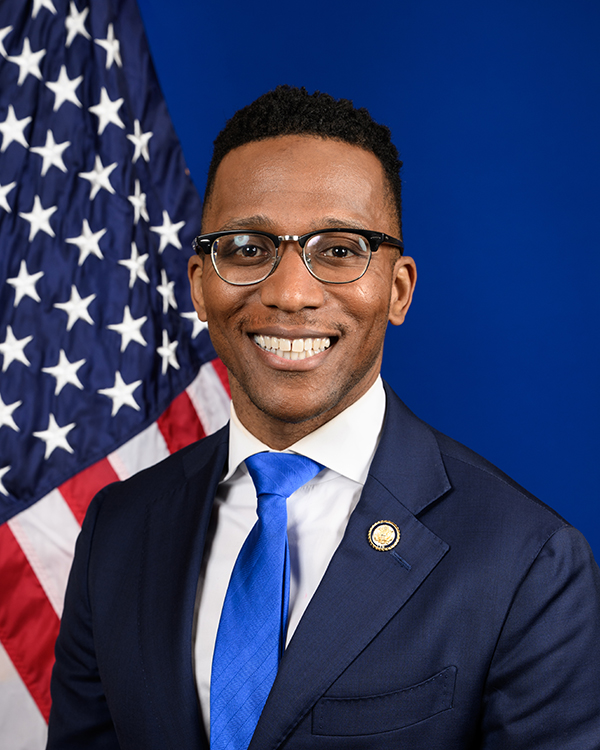
Christian D. Menefee
88% support rate
Top opponent
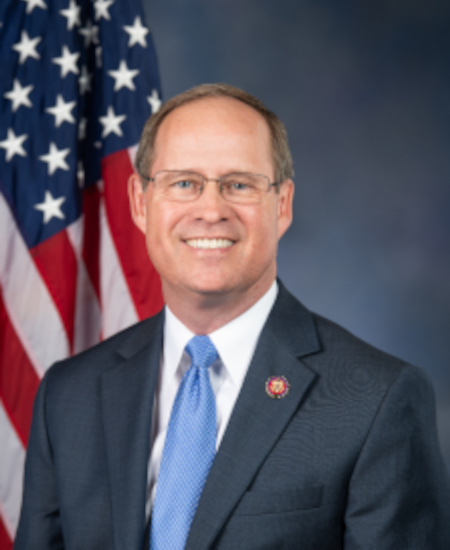
Gregory F. Murphy
14% support rate
Ranked legislators
10
5 support · 5 oppose
Key legislators

Who's moving immigration in United States

Legislators moving immigration in United States
Legislator Party Stance Support rate Votes
Christian D. Menefee
Christian D. Menefee House · District 18
D
Strong +
88% 66
Nancy Pelosi
Nancy Pelosi House · District 11
D
Strong +
86% 139
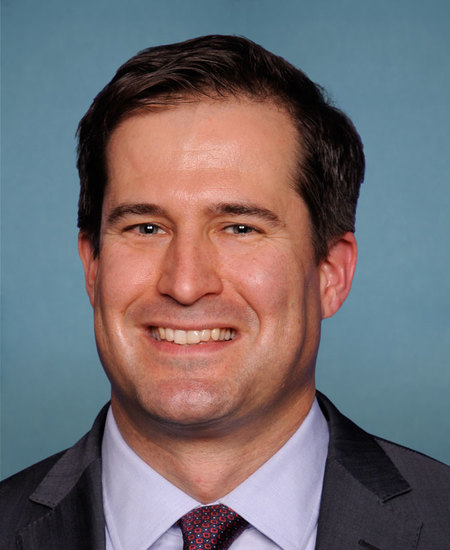
Seth Moulton
Seth Moulton House · District 6
D
Strong +
85% 127
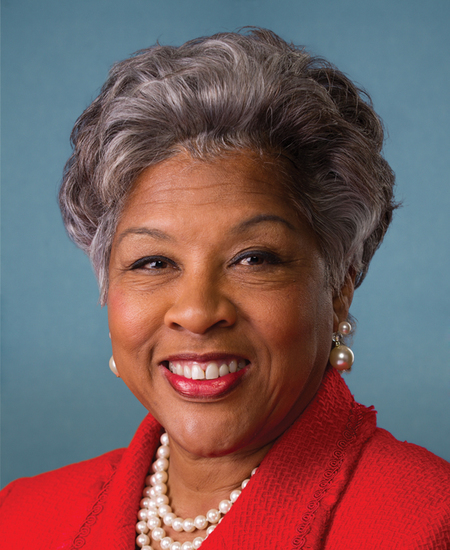
Joyce Beatty
Joyce Beatty House · District 3
D
Strong +
84% 135
Mike Quigley
Mike Quigley House · District 5
D
Strong +
84% 146
Gregory F. Murphy
Gregory F. Murphy House · District 3
R
Strong −
14% 123
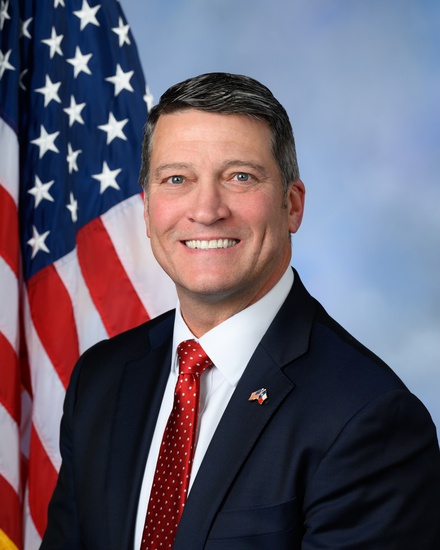
Ronny Jackson
Ronny Jackson House · District 13
R
Strong −
15% 145
Elise M. Stefanik
Elise M. Stefanik House · District 21
R
Strong −
16% 132
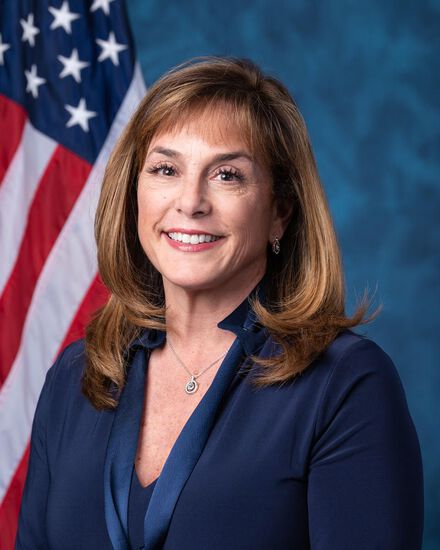
Lisa C. McClain
Lisa C. McClain House · District 9
R
Strong −
16% 147
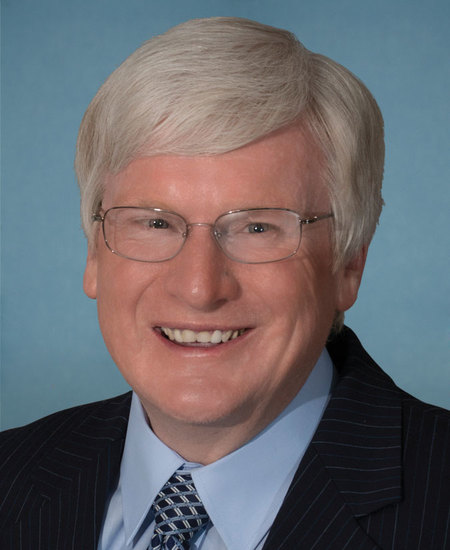
Glenn Grothman
Glenn Grothman House · District 6
R
Strong −
16% 147
Showing 611–620 of 819 bills

All immigration bills

in committee · United States · House Jan 13, 2025

HR 355: Justice for Jocelyn Act

HR 355, the "Justice for Jocelyn Act," restricts the use of Alternatives to Detention (ATD) programs for immigrants in U.S. immigration proceedings. It requires that detention beds be fully occupied, no detention options remain, and all reasonable efforts to detain have been exhausted before an immigrant can be released under ATD. The bill mandates continuous GPS tracking for all ATD participants throughout immigration proceedings and until removal, plus a nightly curfew (10 p.m. to 5 a.m.) requiring them to stay at a designated home address. Violating release conditions triggers automatic removal in absentia without further court hearing. This directly affects immigrants eligible for ATD, altering how they are monitored and held during immigration cases.
in committee · United States · Senate Nov 19, 2025

S 3215: Putting American Workers First Act

S 3215, the "Putting American Workers First Act," amends the National Labor Relations Act to prohibit employers from hiring unauthorized workers (individuals without legal work status) and labor organizations from representing them in collective bargaining. It makes these actions unfair labor practices, unless the employer or labor organization used a good-faith verification system like E-Verify to confirm the individual’s legal status. The bill directly affects employers and labor unions by requiring proof of work authorization before hiring or representing workers. Key provisions clarify that using the existing immigration verification system (Section 274A of the Immigration and Nationality Act) satisfies the good-faith requirement for avoiding penalties. The bill does not ban hiring unauthorized workers outright but mandates verification to avoid unfair labor practice claims.
introduced · United States · Senate Feb 10, 2026

S 3805: End Sanctuary Cities Act of 2026

S 3805, the End Sanctuary Cities Act of 2026, requires state and local government officials to provide "reasonable advance notice" to federal immigration authorities about the release of non-citizens convicted of crimes. It specifically prohibits officials from blocking such notice through policies or actions, targeting jurisdictions that limit cooperation with federal immigration enforcement. Violations carry criminal penalties: up to 25 years in prison for releases involving murder, rape, or sex offenses against minors, 5-10 years for serious violent felonies, and 30 days-6 months for other crimes. The bill directly affects state and local law enforcement officials who implement policies restricting immigration cooperation. It does not change existing immigration laws but adds penalties for obstructing their enforcement.
in committee · United States · Senate Jan 14, 2025

S 84: Sarah's Law

This bill requires mandatory detention for certain noncitizens (aliens) charged with crimes resulting in death or serious bodily injury, specifically those who entered without inspection, had a revoked temporary visa, or fall under specific immigration categories. It directly affects noncitizens facing such criminal charges and crime victims or their families. Key provisions mandate U.S. Immigration and Customs Enforcement (ICE) to notify victims (or their families if deceased) about the alien’s identity, immigration status, custody details, and removal efforts. The bill also clarifies that these requirements do not override existing victim rights under other laws.
in committee · United States · Senate Jul 15, 2025

S 2274: Constitutional Citizenship Clarification Act of 2025

This bill would amend the Immigration and Nationality Act to exclude certain children born in the U.S. from automatic birthright citizenship. Specifically, it targets children born to parents who are: (1) unlawfully present in the U.S., (2) present for diplomatic purposes, or (3) engaged in hostile operations like spying or terrorism. The change directly affects the citizenship status of these children by adding explicit statutory exceptions to the current birthright citizenship rule. It codifies existing judicial interpretations (like the diplomat exception) and expands the scope to include illegal immigrants and hostile actors.
in committee · United States · Senate Jul 17, 2025

S 2350: Protect DREAMer Confidentiality Act of 2025

This bill requires the Department of Homeland Security (DHS) to keep all personal information from DACA applications confidential. It prohibits sharing this data with U.S. Immigration and Customs Enforcement (ICE), U.S. Customs and Border Protection (CBP), or state/local law enforcement for any purpose other than administering the DACA program. Limited exceptions allow sharing only to prevent fraud, address specific national security threats, or investigate felonies unrelated to immigration status. The law directly protects DACA applicants and recipients by preventing their personal details from being used against them by law enforcement.
in committee · United States · House Jul 23, 2025

HR 4748: Agriculture Workforce Reform Act of 2025

HR 4748, the Agriculture Workforce Reform Act of 2025, creates a pathway for certain agricultural workers to obtain temporary nonimmigrant status. It directly affects undocumented workers who performed agricultural labor in the U.S. for at least two years between January 2021 and their departure or removal, provided they did not unlawfully receive public benefits. Key provisions waive past inadmissibility grounds, grant immunity from prosecution for prior immigration violations for both workers and employers, and require a $2,500 fee per applicant and employer. The temporary status allows up to three years of work authorization, renewable in three-year increments, during a three-year covered period starting from the bill's enactment date.
in committee · United States · House Feb 5, 2025

HR 992: PATROL Act

HR 992, the PATROL Act, prohibits the federal Attorney General from suing states that build border barriers (like walls or fences) to prevent illegal entry or protect state territory. It specifically blocks civil lawsuits under existing border laws (33 U.S.C. 401/403) against states for such barrier projects. The bill defines key terms like "barrier" (including walls or fences) and "immigration laws" to clarify its scope. This directly affects states constructing border infrastructure and limits federal legal actions against those efforts. The bill does not create new border policies but changes the legal landscape for state-led border security measures.
in committee · United States · House Jan 23, 2025

HR 707: Deport Illegal Voters Act of 2025

HR 707, the "Deport Illegal Voters Act of 2025," would amend U.S. immigration law to make illegal voting by non-citizens a basis for deportation. Specifically, it adds "voting in violation of any Federal, State, or local constitutional provision, statute, ordinance, or regulation" to the definition of an "aggravated felony" under immigration law. This change would make non-citizens who vote illegally in U.S. elections inadmissible (preventing entry) and deportable (allowing removal). The bill directly affects non-citizens who participate in elections where they lack voting eligibility under applicable law.
in committee · United States · Senate Mar 26, 2025

S 1151: Accountability Through Electronic Verification Act

Accountability Through Electronic Verification Act This bill expands the E-Verify program by requiring all employers to use it and permanently reauthorizes the program. Currently, E-Verify use is voluntary for most employers, although some states mandate its use. All employers must use E-Verify to confirm the identity and employment eligibility of all recruited, referred, or hired individuals, including current employees who were never verified under the program. Failure to use E-Verify shall create a rebuttable presumption that the employer is violating immigration law. U.S. Citizenship and Immigration Services must generate weekly reports about individuals who have received a final nonconfirmation of employment eligibility. The Department of Homeland Security (DHS) must use the report to enforce immigration laws. The bill increases civil and criminal penalties for hiring non-U.S. nationals ( aliens under federal law) who are not authorized to work. DHS must bar repeat offenders and those criminally convicted from holding federal contracts, grants, or cooperative agreements. The Social Security Administration, Internal Revenue Service, Department of the Treasury, and DHS must jointly establish a program to share information to help identify non-U.S. nationals who are not authorized to work. The bill establishes the Employer Compliance Inspection Center within Homeland Security Investigations of U.S. Immigration and Customs Enforcement. The center's duties include processing I-9 employment eligibility verification forms and ensuring compliance with employment eligibility laws. DHS must report to Congress on ways to simplify procedures relating to I-9 forms and on whether the I-9 process should be eliminated.
Showing 611 to 620 of 819 bills
Previous 1 61 62 63 82 Next