Issue · Immigration

Immigration (Border Security)

Every immigration bill, vote, and legislator stance in United States, automatically classified by Maddy, our AI policy reader.

Total bills
127
119th Congress
Top supporter
Mitch McConnell
93% support rate
Top opponent
Kristen McDonald Rivet
0% support rate
Ranked legislators
10
5 support · 5 oppose
Key legislators

Who's moving border security in United States

Legislators moving border security in United States
Legislator Party Stance Support rate Votes
Mitch McConnell
Mitch McConnell Senate
R
Strong +
93% 28
AA
Alan Armstrong Senate
R
Strong +
86% 28
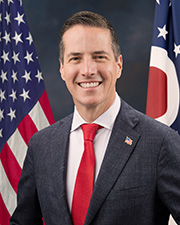
Bernie Moreno
Bernie Moreno Senate
R
Strong +
86% 28
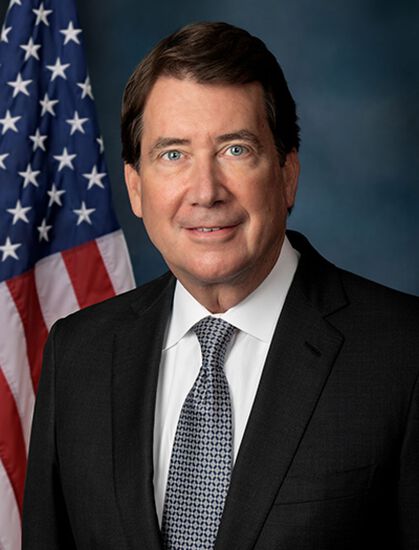
Bill Hagerty
Bill Hagerty Senate
R
Strong +
86% 28
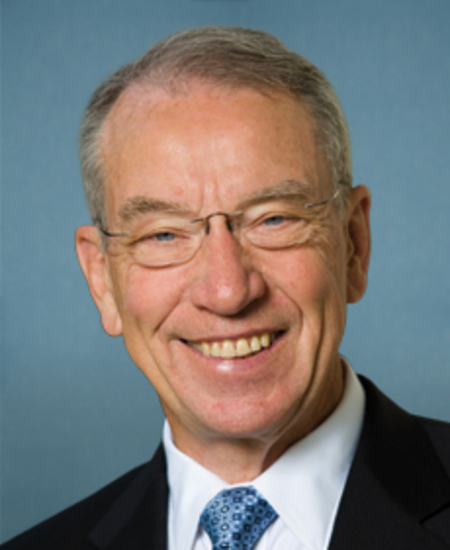
Chuck Grassley
Chuck Grassley Senate
R
Strong +
86% 28
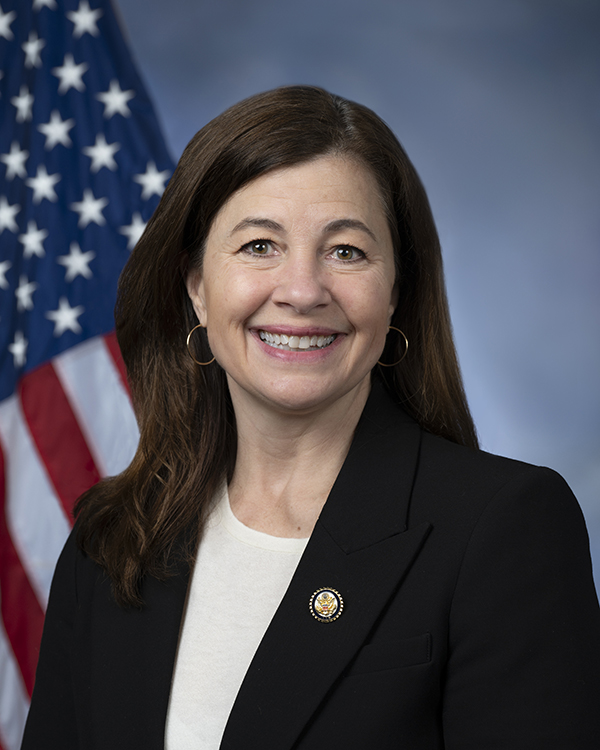
Kristen McDonald Rivet
Kristen McDonald Rivet House · District 8
D
Strong −
0% 3
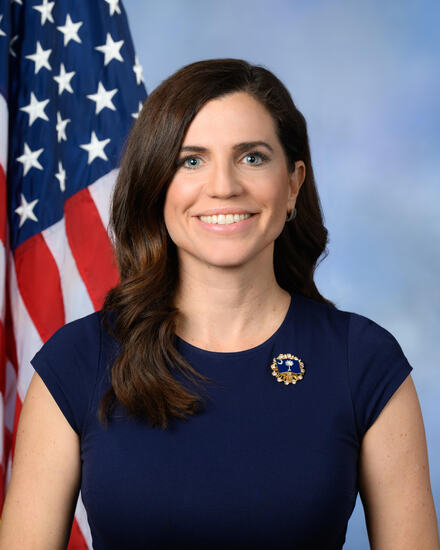
Nancy Mace
Nancy Mace House · District 1
R
Strong −
0% 3
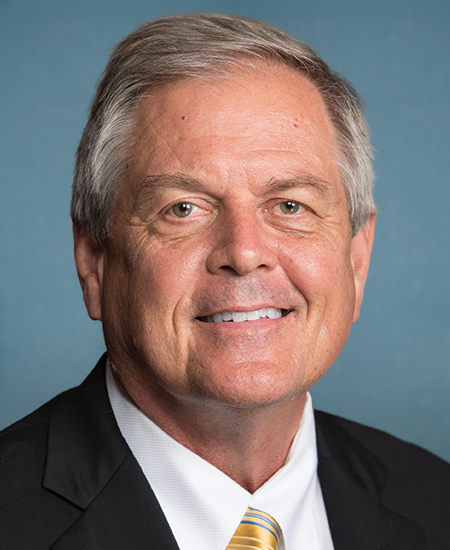
Ralph Norman
Ralph Norman House · District 5
R
Strong −
0% 3
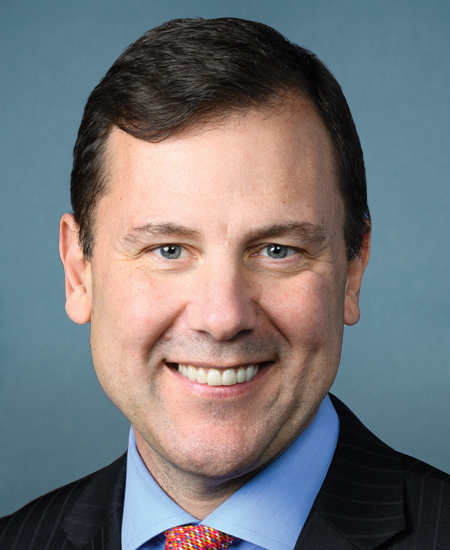
Thomas H. Kean, Jr.
Thomas H. Kean, Jr. House · District 7
R
Strong −
0% 3
Amy Klobuchar
Amy Klobuchar Senate
D
Strong −
14% 28
Showing 51–60 of 127 bills

All immigration bills

in committee · United States · House Jan 9, 2025

HR 259: No Funding for Illegal Migrant Billboards Act

HR 259 prohibits using federal funds to advertise the Immigration Detention Ombudsman's office or functions through billboards or other public advertising. The bill amends the Homeland Security Act to prevent the Secretary from obligating or spending money on such advertisements. This directly affects the Ombudsman's ability to publicly promote their office using federal resources. The provision is strictly procedural, restricting how existing funds may be spent, not changing the Ombudsman's role or responsibilities.
in committee · United States · House Jul 28, 2025

HR 4765: Securing our Border Act

HR 4765, the "Securing our Border Act," allocates federal funds to enhance border security at land ports of entry. It directs one-third of unobligated funds toward achieving 100% scanning of vehicles using nonintrusive inspection systems by 2034, and two-thirds toward constructing a border wall along the southwest border, requiring quarterly reports on progress and costs. The bill also authorizes recruitment, retention, and relocation bonuses for U.S. Customs and Border Protection agents, with specific limits (e.g., up to $15,000 for recruitment). Additionally, it amends immigration law to require returning certain migrants to contiguous territory or a safe third country while processing their cases, rather than allowing immediate release. These provisions directly affect CBP operations, border infrastructure, and immigration processing procedures.
in committee · United States · House Jun 9, 2025

HR 3837: EO 14218 Act of 2025

HR 3837, the "EO 14218 Act of 2025," is a procedural bill that codifies Executive Order 14218 into law. It states that Executive Order 14218 (which addresses ending taxpayer subsidization of open borders) shall have the force and effect of law. The bill does not create new policy or specify affected groups; it simply makes the existing executive order legally binding. This is a formal codification without new substantive provisions.
in committee · United States · House Jan 9, 2025

HR 245: Grant Integrity and Border Security Act

HR 245, the Grant Integrity and Border Security Act, requires all applicants for federal grants to certify they have not violated U.S. immigration laws related to harboring or bringing in undocumented immigrants in the past decade. It directly affects state and local governments, nonprofits, and other entities receiving federal grants by mandating this certification and enabling agencies to withhold funds if violations are confirmed. Key provisions include requiring agencies to withhold funds based on information from Homeland Security, convictions under immigration law, or credible reports, and obligating the Attorney General to share conviction details with the Office of Management Budget within 90 days. The bill aims to prevent federal grant funds from supporting organizations that breach immigration laws, focusing on accountability for grant recipients.
in committee · United States · Senate May 15, 2025

S 1790: State Border Security Assistance Act

S 1790, the State Border Security Assistance Act, creates two federal funds to provide grants to states, local governments, and National Guard units for border security activities. The Department of Homeland Security fund ($11 billion) supports physical barriers (like walls or fencing), surveillance, and border preparation along the southern U.S. border. The Department of Justice fund ($3.5 billion) covers locating, apprehending, prosecuting, and detaining individuals unlawfully present or involved in crimes, including gang activity and human trafficking. Both funds are authorized for fiscal year 2025 through 2034, with unspent balances returning to the Treasury by January 2029.
Sub-Topics Border Security
in committee · United States · House Sep 10, 2025

HR 5279: THE DON-ument Act

HR 5279, the "THE DON-ument Act," designates the existing southern border wall as a National Monument covering approximately 289,920 acres across California, Arizona, New Mexico, and Texas. It directs the Bureau of Land Management (within the Department of the Interior) to administer the monument, protect the wall from alteration, and coordinate with federal agencies and tribal governments over adjacent lands. The bill requires the Secretary of the Interior to develop a management plan within three years and submit it to Congress. This is a procedural designation that formally treats the border wall as a protected monument, not a policy change affecting people or programs.
Sub-Topics Border Security
in committee · United States · House Jul 8, 2025

HR 4160: Veterans Border Patrol Training Act

HR 4160, the Veterans Border Patrol Training Act, creates a 5-year pilot program to train and hire transitioning military service members as U.S. Border Patrol agents. The bill directs the Department of Homeland Security, working with the Departments of Defense and Veterans Affairs, to use the existing Defense Department's SkillBridge program to prepare service members for Border Patrol roles. It requires annual reports to Congress tracking participation numbers and demographics, including active-duty members, veterans, and their families. The program terminates automatically after five years unless extended. This bill directly affects military personnel transitioning to civilian careers and aims to streamline their path into Border Patrol employment.
in committee · United States · House Jan 7, 2026

HR 6958: PROTECT Military Families Act

HR 6958, the PROTECT Military Families Act, creates a new immigration parole pathway for family members of military personnel. It allows the Secretary of Homeland Security to parole into the U.S. spouses, parents, children, or widows/widowers of current active-duty service members, Selected Reserve members, or veterans (with non-dishonorable discharge) in one-year increments. The bill requires joint written justification from DHS, Defense, and VA for denials and mandates public posting of denial reasons without personal details. This policy change directly affects military families seeking temporary U.S. entry under specific military service conditions.
in committee · United States · House Jan 3, 2025

HR 116: Stopping Border Surges Act

Stopping Border Surges Act This bill modifies immigration law provisions relating to unaccompanied alien minors and to asylum seekers. The bill requires the Department of Homeland Security (DHS) to repatriate certain unaccompanied, inadmissible alien children, generally those not at risk of being trafficking victims nor having a fear of persecution. Currently, only inadmissible unaccompanied aliens from neighboring countries are subject to repatriation, and DHS has discretion whether to repatriate. When the Department of Health and Human Services releases an unaccompanied child to an individual, it shall provide DHS with certain information about that individual, including Social Security number and immigration status. The bill requires a stricter standard to find a credible fear of persecution and imposes additional rules on credible fear interviews. If an alien is granted asylum because of fear of persecution in a country, the alien shall be deemed to have renounced asylum status by returning to that country, if there has been no change in the country's conditions. The bill also (1) expands the definition of what constitutes a frivolous asylum application, (2) imposes additional limitations on eligibility for asylum, (3) shortens the deadline for applying for asylum, and (4) extends the time period an alien seeking asylum must wait before receiving employment authorization. Any individual who knowingly and willfully makes materially false statements or uses fraudulent documents in asylum-related proceedings shall be fined or imprisoned up to 10 years, or both.
in committee · United States · Senate Jan 9, 2025

S 41: Advanced Border Coordination Act of 2025

S 41, the Advanced Border Coordination Act of 2025, requires the Department of Homeland Security to establish at least two Joint Operations Centers along the southern border within six months of enactment. These centers will coordinate border operations among federal agencies (like DHS, Defense, and Justice), state, local, and tribal law enforcement to address issues including drug trafficking, human trafficking, illegal crossings, and transnational criminal activity. The bill mandates that centers facilitate information sharing between agencies, track personnel deployments, and coordinate training to improve communication and interoperability. Additionally, the Secretary must report annually to Congress on center operations, resource use, and recommendations for improving coordination.
Sub-Topics Border Security
Showing 51 to 60 of 127 bills
Previous 1 5 6 7 13 Next