Issue · Immigration

Immigration

Every immigration bill, vote, and legislator stance in United States, automatically classified by Maddy, our AI policy reader.

Total bills
819
119th Congress
Top supporter
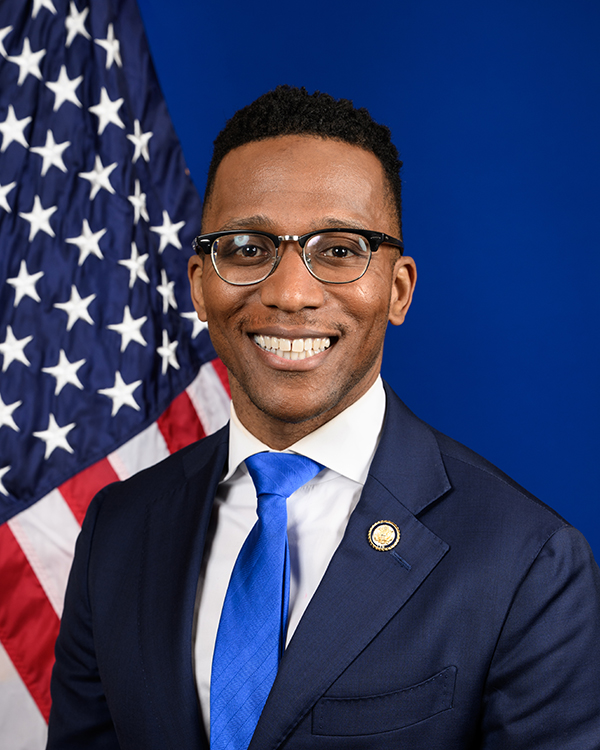
Christian D. Menefee
88% support rate
Top opponent
Gregory F. Murphy
14% support rate
Ranked legislators
10
5 support · 5 oppose
Key legislators

Who's moving immigration in United States

Legislators moving immigration in United States
Legislator Party Stance Support rate Votes
Christian D. Menefee
Christian D. Menefee House · District 18
D
Strong +
88% 66
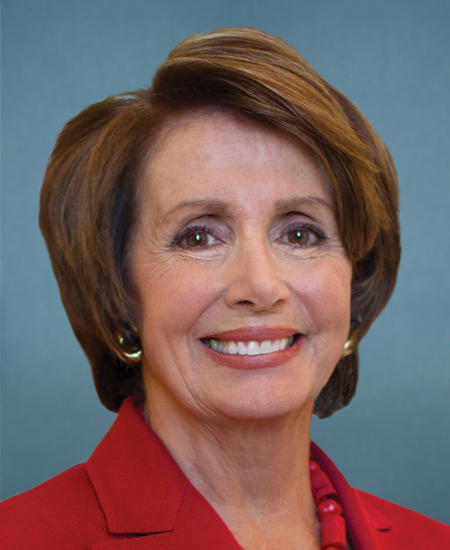
Nancy Pelosi
Nancy Pelosi House · District 11
D
Strong +
86% 139
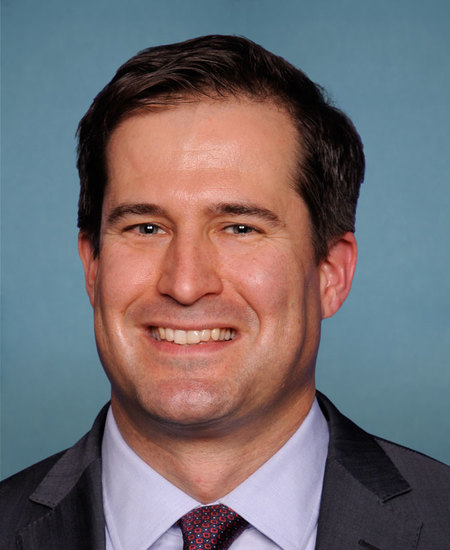
Seth Moulton
Seth Moulton House · District 6
D
Strong +
85% 127
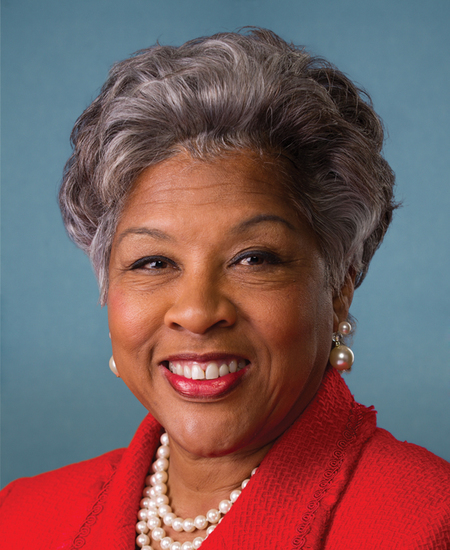
Joyce Beatty
Joyce Beatty House · District 3
D
Strong +
84% 135
Mike Quigley
Mike Quigley House · District 5
D
Strong +
84% 146
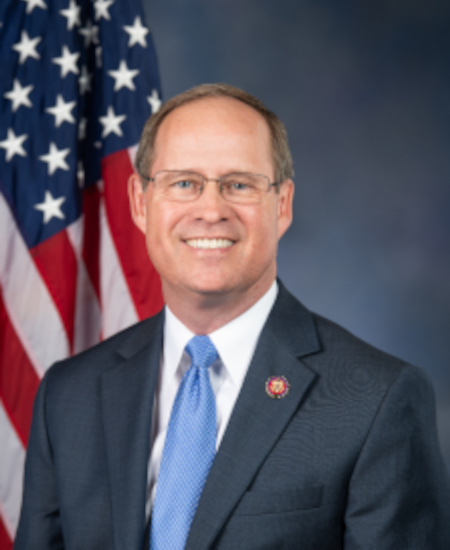
Gregory F. Murphy
Gregory F. Murphy House · District 3
R
Strong −
14% 123
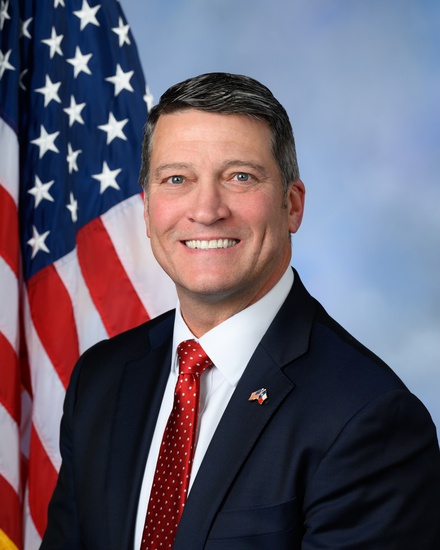
Ronny Jackson
Ronny Jackson House · District 13
R
Strong −
15% 145
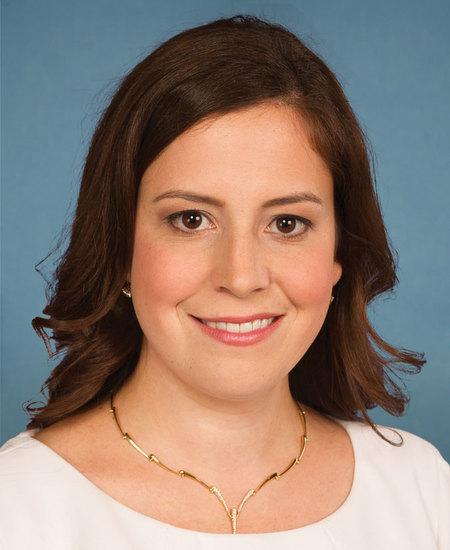
Elise M. Stefanik
Elise M. Stefanik House · District 21
R
Strong −
16% 132
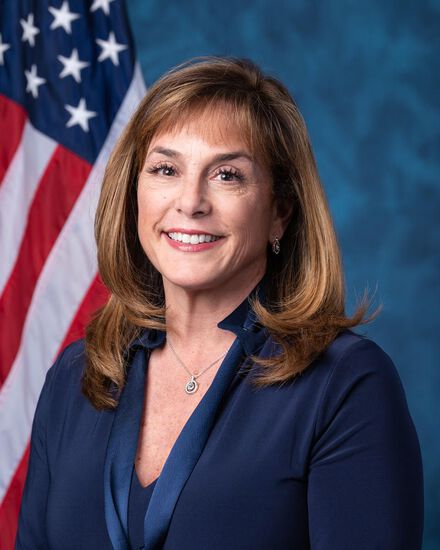
Lisa C. McClain
Lisa C. McClain House · District 9
R
Strong −
16% 147
Glenn Grothman
Glenn Grothman House · District 6
R
Strong −
16% 147
Showing 51–60 of 819 bills

All immigration bills

in committee · United States · House Jul 23, 2026

HJRES 206: Proposing an amendment to the Constitution of the United States to require that any Representative or Senator be a natural born citizen.

This bill proposes adding a new requirement to the U.S. Constitution that only natural-born citizens can serve as members of the House of Representatives or the Senate. It would change the current rules by explicitly stating that anyone who is not a natural-born citizen is ineligible for these offices, though it allows current officeholders to finish their existing terms before the ban takes effect. If passed and ratified, this change would prevent naturalized citizens from ever holding a seat in Congress, regardless of how long they have lived in the country.
in committee · United States · Senate Jul 22, 2026

S 5071: Children's Safe Welcome Act of 2026

The Children's Safe Welcome Act of 2026 establishes comprehensive standards for the treatment, care, and placement of noncitizen children in immigration custody, primarily affecting the Departments of Homeland Security and Health and Human Services. Key provisions include a prohibition on separating children from their parents or guardians unless there is clear and convincing evidence of an imminent threat, alongside requirements for rapid family reunification and the elimination of family detention facilities. The bill mandates that children be housed in state-licensed facilities that provide trauma-informed care, adequate medical and educational services, and access to legal representation, while also phasing out large congregate care settings in favor of family-based placements. Furthermore, it creates an independent Office of the Ombudsperson to monitor compliance, investigates age assessments that ban invasive medical procedures, and enforces strict data privacy rules to prevent information from custody cases from being used in immigration removal proceedings.
Sub-Topics DACA & Dreamers Detention Sanctuary Policies Tags Children
in committee · United States · Senate Jul 21, 2026

S 5037: MediKids Act

The MediKids Act expands Medicaid eligibility to cover children and young adults up to age 26, regardless of their immigration status, and establishes a system for automatic enrollment of newborns that allows parents to opt out if other qualifying health coverage is available. The bill ensures that states provide full federal funding for these expanded groups and extends specific pediatric health services, such as Early and Periodic Screening, Diagnostic, and Treatment (EPSDT), to individuals up to age 26. Additionally, the legislation modifies tax rules to prevent this new Medicaid coverage from counting as minimum essential coverage for the purpose of individual health insurance tax penalties.
in committee · United States · House Jul 23, 2026

HR 9928: No Discounts for Foreigners Act

The No Discounts for Foreigners Act prohibits the Secretary of Homeland Security from waiving or reducing fees for U.S. citizenship applications, with the exception of current or former members of the Armed Forces. This law directly affects individuals seeking naturalization by ensuring they pay the full standard fee, while military personnel retain their existing fee reduction benefits. The bill removes the discretion to offer financial relief for citizenship applications but maintains special provisions for those who have served in the military.
in committee · United States · House Jul 22, 2026

HR 9805: Children’s Safe Welcome Act of 2026

The Children's Safe Welcome Act of 2026 establishes comprehensive protections for noncitizen children in immigration custody, primarily affecting families at the border and children placed in government care. The bill mandates that children remain with their parents or family members unless there is clear evidence of an imminent threat to national security or serious harm to the child, while also requiring the federal government to phase out large congregate care facilities in favor of smaller, family-like settings. Key provisions include strict standards for detention and housing conditions, such as 24-hour access to medical care, nutritious food, and recreational activities, alongside the creation of an independent Ombudsperson office to monitor compliance and investigate complaints. Additionally, the legislation ensures that children receive free legal representation, prohibits the use of welfare records in immigration proceedings, and establishes rigorous oversight for any emergency influx facilities used during surges in arrivals.
Sub-Topics Border Security Detention Sanctuary Policies Tags Children
in committee · United States · House Jul 22, 2026

HR 9883: Private Detention Corporate Accountability Act of 2026

This bill establishes financial liability for private detention centers and their employees if they cause the wrongful death of a person held there. It allows families of deceased individuals to sue in federal court for at least $5 million in statutory damages plus economic and punitive damages. The law removes the ability of detention staff to use immunity defenses to avoid responsibility and holds the facility itself responsible for the actions of its workers. These rules apply specifically to private companies contracted by the federal government to detain people accused of breaking civil, criminal, or immigration laws.
in committee · United States · House Jul 22, 2026

HR 9876: BAN Act

This bill, known as the BAN Act, aims to stop the practice of "birth tourism," which it defines as entering the United States primarily to give birth to a child who would otherwise not be eligible for citizenship. The legislation makes it illegal for pregnant individuals to enter the country for this purpose and extends bans to their family members and any businesses or facilitators who help arrange these trips. Additionally, the bill introduces criminal penalties, including up to ten years in prison, for anyone who lies about a pregnancy or runs a commercial operation that assists in birth tourism. By adding birth tourism as a specific ground of inadmissibility, the law seeks to prevent unauthorized entry while maintaining that legitimate medical travel for necessary treatment remains allowed.
in committee · United States · House Jul 14, 2026

HR 9667: Securing Healthcare and Income Entitlements for Lawfully Domiciled Citizens (SHIELD Citizens) Act

The SHIELD Citizens Act aims to restrict access to federal welfare programs, such as food assistance, Medicaid, and housing aid, exclusively to United States citizens. By amending existing laws, the bill removes eligibility for noncitizens, including lawfully domiciled residents, while preserving access to emergency medical care, disaster relief, and services like soup kitchens. The legislation includes a transition period allowing current recipients to keep their benefits for up to 180 days after the law takes effect, which is set to begin 180 days after enactment. This change directly impacts noncitizen families who currently rely on these safety net programs, narrowing the pool of eligible individuals to citizens only.
Sub-Topics Medicaid
in committee · United States · House Jul 31, 2026

HR 10011: No PREJUDICE Act

The No PREJUDICE Act prohibits Department of Homeland Security officers from detaining, arresting, or investigating individuals based on their race, ethnicity, job, or use of a non-English language or an accented English. It specifically bans profiling at locations like bus stops or agricultural sites and forbids targeting people for hobbies or careers. If someone in immigration removal proceedings claims they were stopped for these reasons, they can request a court hearing to prove the violation. A judge who finds the profiling unlawful must dismiss the removal case, while the case continues only if no violation is found.
in committee · United States · House Jul 22, 2026

HR 9853: Right to Learn Act of 2026

The Right to Learn Act of 2026 creates a grant program to help schools and community organizations support students and staff affected by immigration enforcement actions. Funds awarded by the Department of Education can be used to hire trauma-informed counselors, provide emergency assistance like food and legal referrals, and train educators on culturally responsive care. The bill strictly prohibits schools from collecting or sharing personal data about a student's immigration status and forbids denying services based on that status. Eligible recipients include public schools, early childhood programs, universities, and legal service providers, with a total funding authorization of $250 million over five years.
Sub-Topics Enforcement
Showing 51 to 60 of 819 bills
Previous 1 5 6 7 82 Next