Issue · Immigration

Immigration

Every immigration bill, vote, and legislator stance in United States, automatically classified by Maddy, our AI policy reader.

Total bills
827
119th Congress
Top supporter
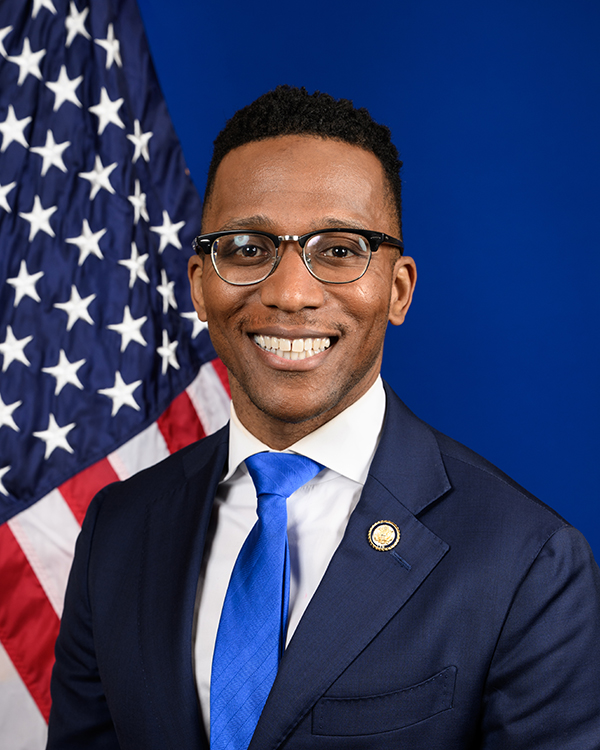
Christian D. Menefee
89% support rate
Top opponent
Gregory F. Murphy
13% support rate
Ranked legislators
10
5 support · 5 oppose
Key legislators

Who's moving immigration in United States

Legislators moving immigration in United States
Legislator Party Stance Support rate Decisive votes
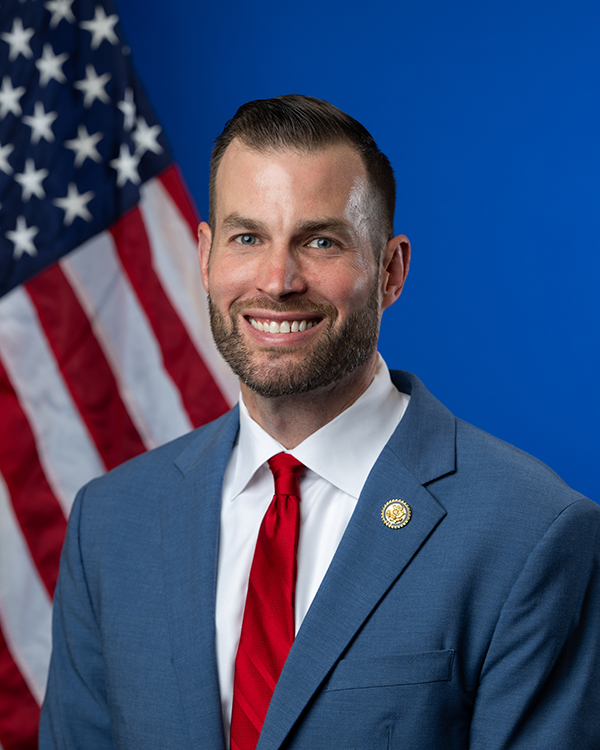
Christian D. Menefee
Christian D. Menefee House · District 18
D
Strong +
89% 9
Nancy Pelosi
Nancy Pelosi House · District 11
D
Strong +
86% 21
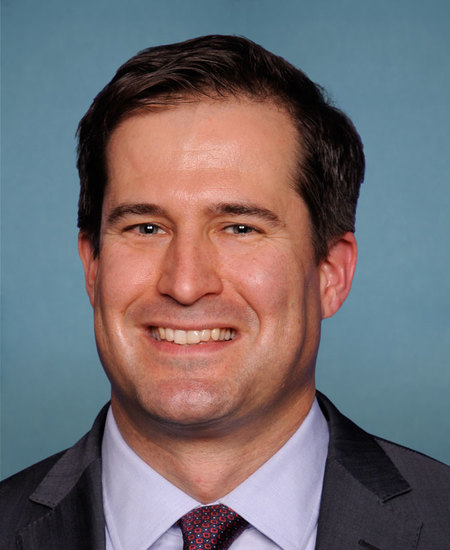
Seth Moulton
Seth Moulton House · District 6
D
Strong +
86% 21
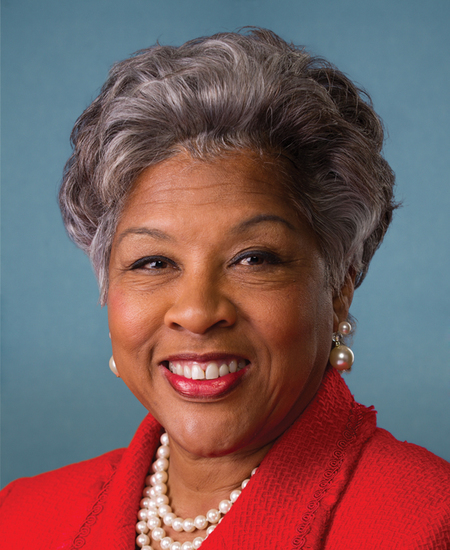
Joyce Beatty
Joyce Beatty House · District 3
D
Strong +
85% 20
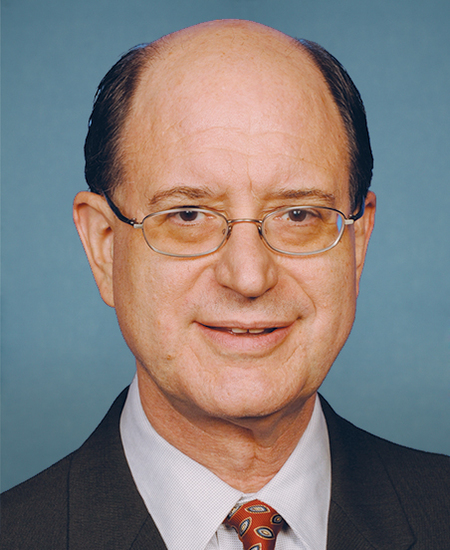
Brad Sherman
Brad Sherman House · District 32
D
Strong +
85% 26
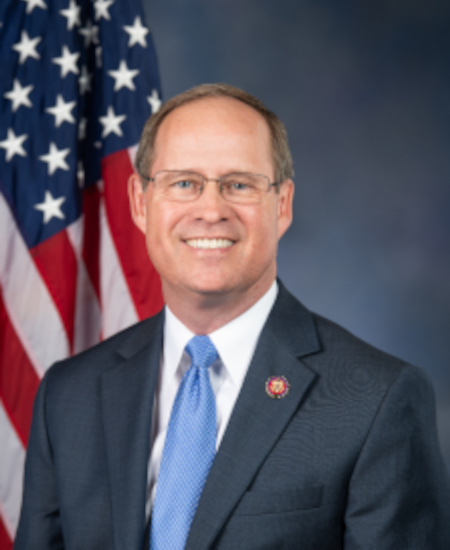
Gregory F. Murphy
Gregory F. Murphy House · District 3
R
Strong −
13% 23
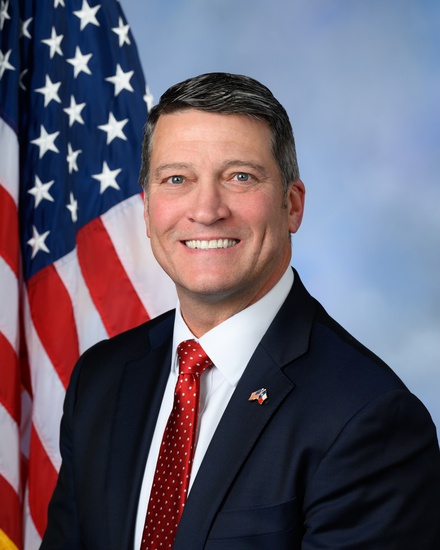
Ronny Jackson
Ronny Jackson House · District 13
R
Strong −
14% 28
Clay Fuller
Clay Fuller House · District 14
R
Strong −
14% 7
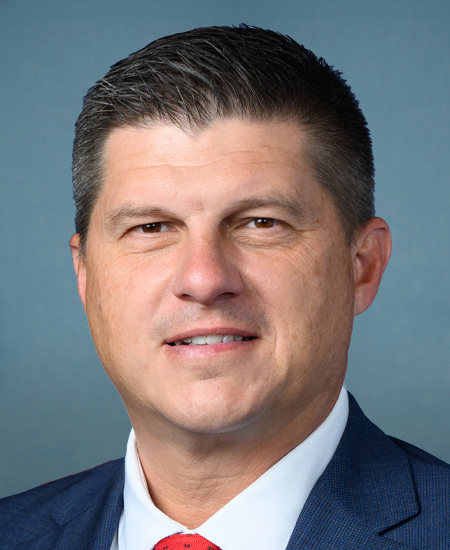
Brad Finstad
Brad Finstad House · District 1
R
Strong −
15% 26
Elise M. Stefanik
Elise M. Stefanik House · District 21
R
Strong −
15% 26
Showing 481–490 of 827 bills

All immigration bills

passed · United States · House Dec 2, 2025

HR 176: No Immigration Benefits for Hamas Terrorists Act of 2025

This bill denies immigration benefits to individuals who participated in, supported, or facilitated Hamas attacks against Israel starting October 7, 2023. It amends immigration law to make such individuals inadmissible (barred from entering the U.S.) and ineligible for any immigration relief, including asylum or other protections. The law requires annual reports from the Homeland Security Secretary tracking how many people are denied entry or removed under these provisions. It directly affects non-U.S. nationals involved in Hamas-related violence against Israel since the October 7, 2023, attacks.
Sub-Topics Refugees & Asylum
in committee · United States · Senate Jan 9, 2025

S 53: PRINTS Act

This bill requires U.S. Customs and Border Protection officers to obtain fingerprints from noncitizen children under 14 years old if they suspect the child is a trafficking victim. It also creates a new federal crime for adults (18+) who knowingly use a minor for entry into the U.S. when not a blood relative or guardian, punishable by fines or up to 10 years in prison. The law mandates sharing fingerprints with health officials for unaccompanied children and requires annual reports to Congress and monthly public updates on trafficking apprehensions involving false relative claims. It directly affects children entering the U.S., potential traffickers, and federal agencies handling border security and child welfare.
in committee · United States · House Feb 4, 2026

HR 7359: Somalia Immigration Moratorium Act

This bill prohibits most Somali citizens and nationals from obtaining U.S. visas or immigration status for 25 years after enactment. It amends immigration laws to block new admissions while allowing exceptions for those already lawfully admitted, lawful permanent residents, and individuals with specific diplomatic visas (A-1, G-1, etc.). The law directly affects Somali nationals seeking to immigrate to the U.S. and takes effect immediately upon passage. It creates a permanent policy change to restrict immigration from Somalia, with limited exceptions for existing residents and certain travelers.
in committee · United States · House Jun 10, 2025

HR 3882: RIPPLE Act of 2025

This bill (HR 3882) creates a federal reimbursement program for state and local law enforcement agencies that participate in immigration enforcement under existing 287(g) agreements. It directly affects police departments and sheriff's offices that partner with federal immigration authorities, allowing them to seek reimbursement from the Attorney General for specific costs. Key provisions specify that reimbursements cover wages, overtime pay (as defined by federal labor law), and salaries paid to officers performing immigration-related duties under these agreements. The bill does not expand enforcement authority but changes how costs are covered for current 287(g) partnerships.
in committee · United States · House Jun 4, 2025

HR 3725: Preventing the Abuse of Immigration Parole Act

This bill would reform immigration parole by requiring the Secretary of Homeland Security to grant temporary entry only on a case-by-case basis for urgent humanitarian needs or significant public benefit, reversing what the bill describes as systemic overuse. It imposes a strict annual cap of 3,000 paroles starting in fiscal year 2029, restricts parole for nationals of designated "countries of concern" without a State Department waiver, and allows states to sue if they claim financial harm exceeding $100 from parole decisions. The bill directly affects immigrants seeking temporary entry and DHS officials administering the program. Key mechanisms include the new cap, country restrictions, and state lawsuit provisions to enforce compliance.
in committee · United States · House Feb 6, 2026

HR 7395: NO ICE ADs Act

HR 7395, the NO ICE ADs Act, prohibits the Department of Homeland Security (DHS) from spending federal funds on television advertisements promoting U.S. Immigration and Customs Enforcement (ICE), recruiting for ICE, or improving ICE's public image. This bill directly affects DHS by restricting how it can use its budget for communication activities related to ICE. The key provision bans the obligation or expenditure of funds for any TV ads intended to advance ICE's brand, programs, or personnel recruitment. It does not alter immigration enforcement policies or create new legal requirements, only limiting specific advertising spending. The bill aims to prevent federal resources from being used to support ICE's public outreach efforts.
in committee · United States · House Jun 12, 2025

HR 3987: No Community Development Block Grants for Sanctuary Cities Act

This bill amends federal law to block Community Development Block Grants (CDBG) from going to local governments that qualify as "sanctuary jurisdictions." A sanctuary jurisdiction is defined as a city or county that restricts sharing immigration status information with federal authorities or refuses to comply with certain immigration detainer requests. The law requires grant recipients to certify they are not sanctuary jurisdictions during the grant period. This directly affects cities and counties with policies limiting cooperation on immigration enforcement, potentially withholding federal funds for housing, infrastructure, and community programs. The exception for jurisdictions not sharing information when victims or witnesses of crimes come forward is included.
in committee · United States · House Mar 18, 2026

HR 5713: Expedited Removal of Criminal Aliens Act

This bill creates a new provision (Section 238A) in immigration law requiring the Department of Homeland Security to expedite the removal (deportation) of certain non-citizens. It directly affects individuals who are: (1) criminal gang members or members of a foreign terrorist organization, or (2) convicted of specific serious crimes including felonies, assaults against vulnerable groups (defined as children under 16, pregnant women, disabled individuals, or seniors over 65), sexual offenses, domestic violence, or child exploitation crimes. The bill mandates mandatory detention and faster removal proceedings for these individuals, and explicitly states they cannot seek withholding of removal (a form of protection from deportation). It does not change existing immigration categories but adds these specific grounds for expedited removal.
in committee · United States · House Jan 16, 2025

HR 547: No Child Tax Credit for Illegals Act of 2025

This bill amends the Internal Revenue Code to require a valid Social Security Number (SSN) for all qualifying children claimed on the Child Tax Credit. Specifically, it mandates that taxpayers must include the SSN of both the taxpayer (or both spouses on a joint return) and each qualifying child on their tax return to claim the credit. The requirement applies to all taxpayers except members of the Armed Forces (who may use a spouse's SSN), and excludes individuals without an SSN issued to a U.S. citizen or under specific Social Security Act provisions. The change takes effect for taxable years beginning after the bill's enactment date.
in committee · United States · Senate Sep 11, 2025

S 2785: A Chance To Serve Act

This bill, the "A Chance To Serve Act," provides expanded benefits for Peace Corps and AmeriCorps volunteers. It extends job eligibility for 3 years after service, increases readjustment allowances from $125 to $425, and provides one year of health care coverage after service. The bill also suspends student loan payments and interest during service, doubles the Segal AmeriCorps Education Award, and ensures no discrimination based on immigration status. Additionally, it increases living allowances to 200% of the poverty line and expands student loan forgiveness for national service. These changes directly benefit current and former Peace Corps and AmeriCorps volunteers.
Showing 481 to 490 of 827 bills
Previous 1 48 49 50 83 Next