Issue · Immigration

Immigration

Every immigration bill, vote, and legislator stance in United States, automatically classified by Maddy, our AI policy reader.

Total bills
827
119th Congress
Top supporter
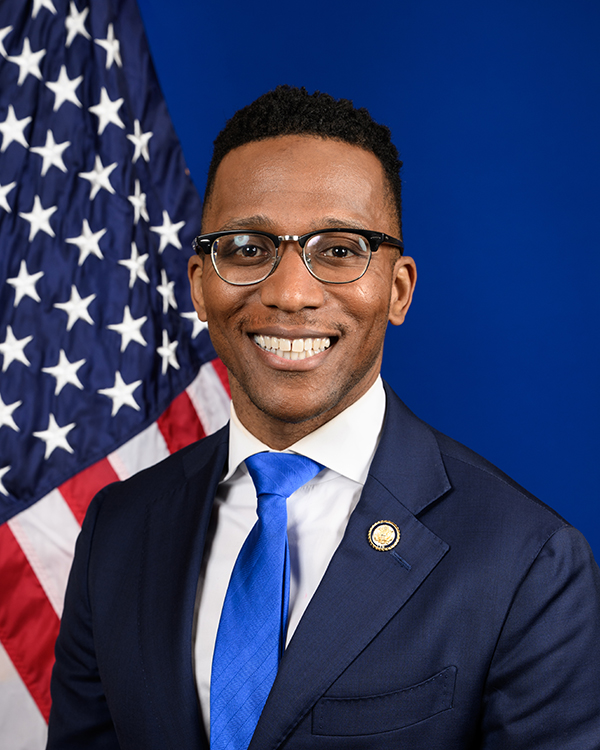
Christian D. Menefee
89% support rate
Top opponent
Gregory F. Murphy
13% support rate
Ranked legislators
10
5 support · 5 oppose
Key legislators

Who's moving immigration in United States

Legislators moving immigration in United States
Legislator Party Stance Support rate Decisive votes
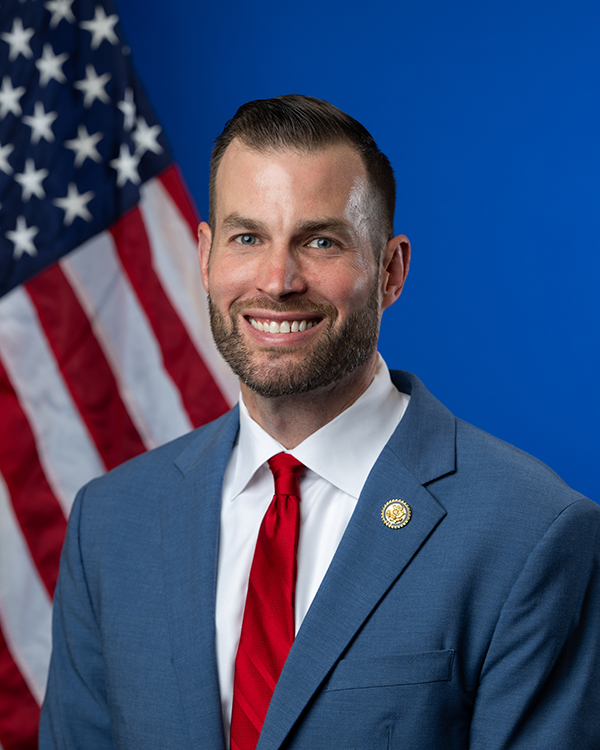
Christian D. Menefee
Christian D. Menefee House · District 18
D
Strong +
89% 9
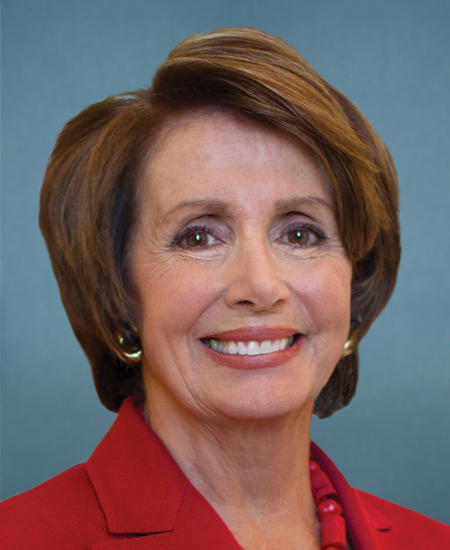
Nancy Pelosi
Nancy Pelosi House · District 11
D
Strong +
86% 21
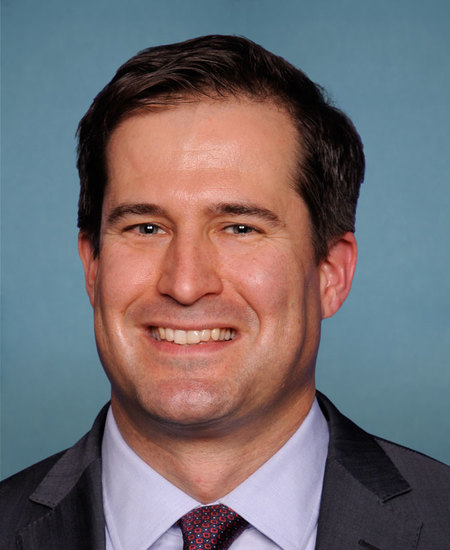
Seth Moulton
Seth Moulton House · District 6
D
Strong +
86% 21
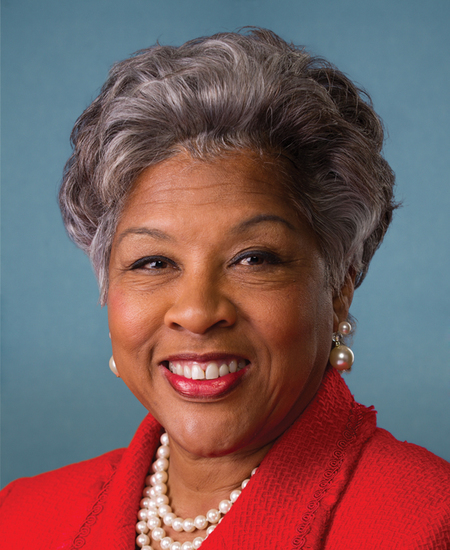
Joyce Beatty
Joyce Beatty House · District 3
D
Strong +
85% 20
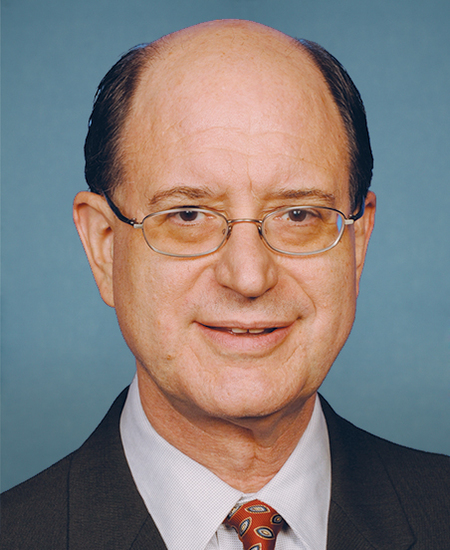
Brad Sherman
Brad Sherman House · District 32
D
Strong +
85% 26
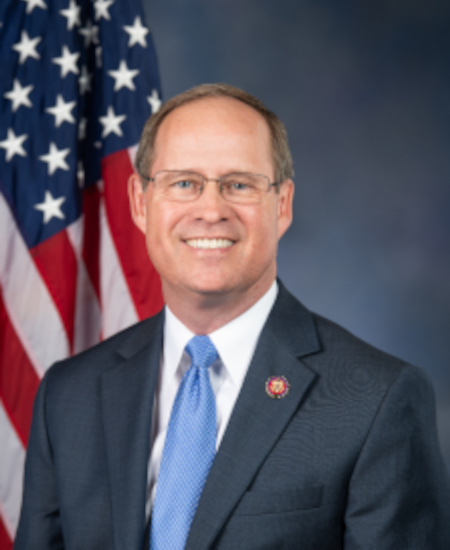
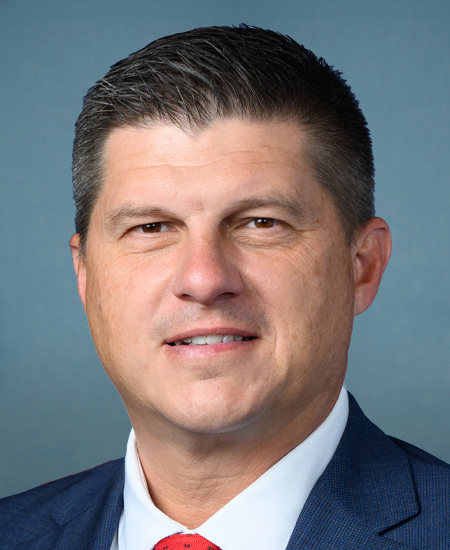
Gregory F. Murphy
Gregory F. Murphy House · District 3
R
Strong −
13% 23
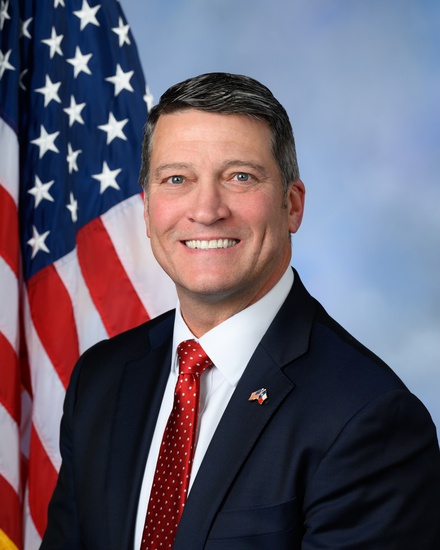
Ronny Jackson
Ronny Jackson House · District 13
R
Strong −
14% 28
Clay Fuller
Clay Fuller House · District 14
R
Strong −
14% 7
Brad Finstad
Brad Finstad House · District 1
R
Strong −
15% 26
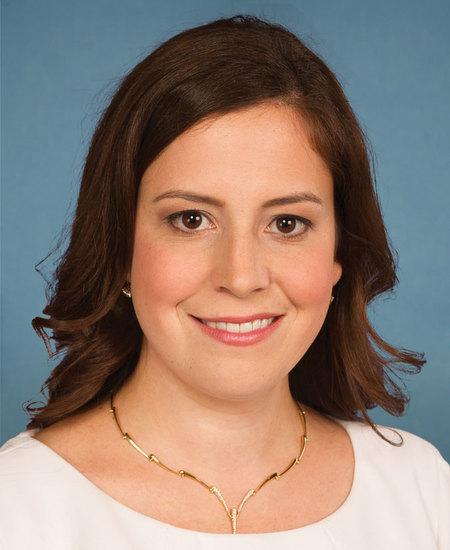
Elise M. Stefanik
Elise M. Stefanik House · District 21
R
Strong −
15% 26
Showing 431–440 of 827 bills

All immigration bills

introduced · United States · Senate Sep 10, 2025

S 2748: Make the District of Columbia Safe and Beautiful Act

S 2748, the "Make the District of Columbia Safe and Beautiful Act," establishes a program to coordinate federal and local efforts for cleaning public spaces, restoring monuments, and encouraging private sector involvement in the District of Columbia. It creates the District of Columbia Safe and Beautiful Commission, composed of federal and local law enforcement and agency representatives, to monitor sanctuary city compliance, improve police recruitment, address transit crime, and enhance monument security. The program and Commission require annual progress reports to Congress and expire on January 2, 2029. This bill directly affects the maintenance of DC's public spaces, monuments, and law enforcement coordination.
Sub-Topics Sanctuary Policies
in committee · United States · House Jan 3, 2025

HR 116: Stopping Border Surges Act

Stopping Border Surges Act This bill modifies immigration law provisions relating to unaccompanied alien minors and to asylum seekers. The bill requires the Department of Homeland Security (DHS) to repatriate certain unaccompanied, inadmissible alien children, generally those not at risk of being trafficking victims nor having a fear of persecution. Currently, only inadmissible unaccompanied aliens from neighboring countries are subject to repatriation, and DHS has discretion whether to repatriate. When the Department of Health and Human Services releases an unaccompanied child to an individual, it shall provide DHS with certain information about that individual, including Social Security number and immigration status. The bill requires a stricter standard to find a credible fear of persecution and imposes additional rules on credible fear interviews. If an alien is granted asylum because of fear of persecution in a country, the alien shall be deemed to have renounced asylum status by returning to that country, if there has been no change in the country's conditions. The bill also (1) expands the definition of what constitutes a frivolous asylum application, (2) imposes additional limitations on eligibility for asylum, (3) shortens the deadline for applying for asylum, and (4) extends the time period an alien seeking asylum must wait before receiving employment authorization. Any individual who knowingly and willfully makes materially false statements or uses fraudulent documents in asylum-related proceedings shall be fined or imprisoned up to 10 years, or both.
in committee · United States · Senate Sep 30, 2025

S 2941: Visa Cap Enforcement Act

S 2941, the Visa Cap Enforcement Act, tightens rules for H-1B visa holders by requiring them to be re-counted against the annual visa quota if they exceed three years in H-1B status. It removes an existing exception for workers employed by colleges and research institutions, eliminates a provision allowing status changes without counting toward the cap, and mandates that new employers count H-1B positions against the cap when an employee changes jobs. This directly affects H-1B visa holders nearing the three-year limit and employers hiring them, particularly in academic settings. The bill enforces stricter adherence to the numerical cap by modifying specific sections of immigration law to prevent circumventing the quota.
Sub-Topics Enforcement
in committee · United States · House Nov 18, 2025

HR 6071: Safer Truckers Act of 2025

HR 6071, the Safer Truckers Act of 2025, requires commercial driver's license (CDL) applicants to be U.S. citizens, lawful permanent residents, or authorized by U.S. Citizenship and Immigration Services to work in the U.S. driving commercial vehicles. This directly affects individuals seeking to operate trucks or other commercial motor vehicles. The bill adds this residency and work authorization requirement to existing CDL eligibility rules and mandates that states submit annual reports to the federal government detailing how they enforce English-language proficiency for commercial drivers. These reports must be submitted within 180 days of the bill's enactment and by December 31 each year thereafter. The law aims to establish clearer eligibility standards and oversight for commercial truck drivers.
in committee · United States · Senate Jan 9, 2025

S 41: Advanced Border Coordination Act of 2025

S 41, the Advanced Border Coordination Act of 2025, requires the Department of Homeland Security to establish at least two Joint Operations Centers along the southern border within six months of enactment. These centers will coordinate border operations among federal agencies (like DHS, Defense, and Justice), state, local, and tribal law enforcement to address issues including drug trafficking, human trafficking, illegal crossings, and transnational criminal activity. The bill mandates that centers facilitate information sharing between agencies, track personnel deployments, and coordinate training to improve communication and interoperability. Additionally, the Secretary must report annually to Congress on center operations, resource use, and recommendations for improving coordination.
Sub-Topics Border Security
in committee · United States · House May 13, 2025

HR 3362: Justice for Angel Families Act

This bill amends the Victims of Crime Act to expand compensation for "angel families" - immediate family members of homicide victims caused by undocumented immigrants (under INA 212(a)(6)(A)(i)) or international drug cartel members (under Controlled Substances Act). It adds coverage for emotional distress-related wage loss and medical expenses, alongside existing medical, funeral, and physical injury costs. The bill also creates a new Victims of Immigration Crime Engagement Office within Homeland Security to provide victims and families with support services, referrals, and criminal history information, while requiring annual reports tracking crime demographics, locations, and perpetrator patterns. These changes directly affect families of homicide victims where the perpetrator fits the specified categories of immigration or drug trafficking violations.
Sub-Topics Enforcement
in committee · United States · House Mar 26, 2025

HR 2366: American Families United Act

HR 2366, the American Families United Act, amends immigration law to expand discretion for the Attorney General and Secretary of Homeland Security regarding family-related cases. It allows them to halt removal proceedings or grant relief for spouses and children of U.S. citizens if removal would cause "hardship" (with family separation presumed to constitute hardship), including special provisions for widows/orphans of deceased citizens. The bill also permits waiving certain inadmissibility grounds and excludes cases involving serious violations like terrorism or criminal offenses. This policy change directly affects noncitizens facing removal proceedings who have U.S. citizen family members, without creating new benefits but modifying existing discretionary authority.
Sub-Topics Detention Enforcement
passed · United States · House Apr 21, 2026

HR 1689: To require the Secretary of Homeland Security to designate Haiti for temporary protected status.

This bill mandates that the Secretary of Homeland Security grant temporary protected status (TPS) to Haitian nationals already residing in the United States. It requires the designation to begin on August 3, 2025, and last for 18 months, allowing eligible individuals to legally stay and work during that period. The bill directly affects Haitian nationals in the U.S. who qualify under TPS criteria, providing them temporary relief from deportation. The key provision is the mandatory 18-month TPS period with a specific start date, overriding other legal provisions that might otherwise prevent such a designation.
in committee · United States · House Feb 13, 2025

HR 1348: Venezuelan Adjustment Act

HR 1348, the Venezuelan Adjustment Act, allows certain Venezuelans already in the U.S. to apply for permanent residency. It directly affects Venezuelans who entered the U.S. before December 31, 2021, and have lived there continuously for at least one year, plus their spouses and children. Key provisions include waiving specific inadmissibility grounds (like some criminal convictions), granting work authorization after 180 days of pending applications, and halting removal proceedings during processing. The bill also ensures no reduction in available immigrant visas and establishes a record of permanent residence upon approval.
in committee · United States · House Sep 18, 2025

HR 5494: Essential Workers for Economic Advancement Act

The Essential Workers for Economic Advancement Act creates a new H-2C nonimmigrant visa category for foreign workers in non-agricultural jobs requiring little or moderate preparation (classified as zone 1-3 occupations), directly affecting employers in full employment areas (where unemployment is ≤7.9%) and workers in those occupations. To hire an H-2C worker, employers must first recruit U.S. workers through specific methods (advertising for 30 days and using at least 3 recruiting activities), pay a 5% "scarcity recruitment fee" if they can't find a U.S. worker, and register with the government. The bill sets an annual limit of 65,000 H-2C positions for the first year, with potential increases based on how quickly positions are filled, and includes worker protections like minimum wage requirements, prohibitions on treating workers as independent contractors, and whistleblower protections. Employers must also use E-Verify and participate in an electronic monitoring system to track H-2C workers' employment status.
Sub-Topics Work Authorization
Showing 431 to 440 of 827 bills
Previous 1 43 44 45 83 Next