Issue · Immigration

Immigration

Every immigration bill, vote, and legislator stance in United States, automatically classified by Maddy, our AI policy reader.

Total bills
819
119th Congress
Top supporter
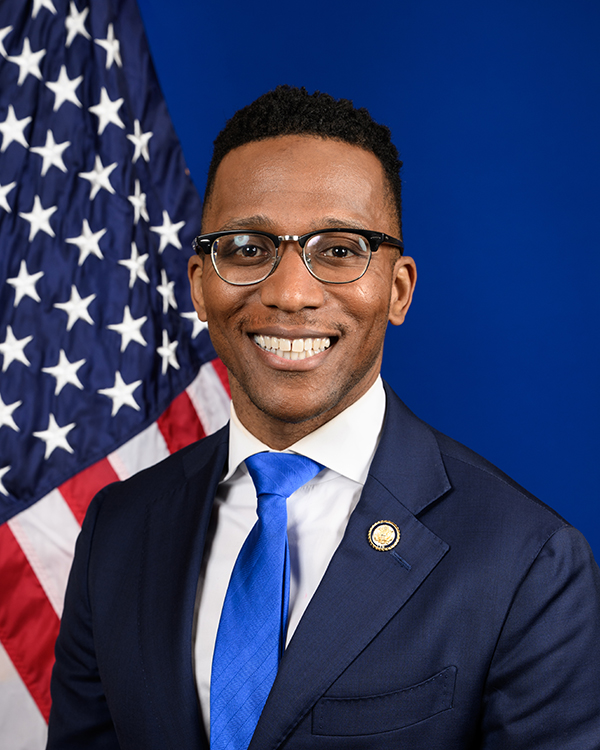
Christian D. Menefee
88% support rate
Top opponent
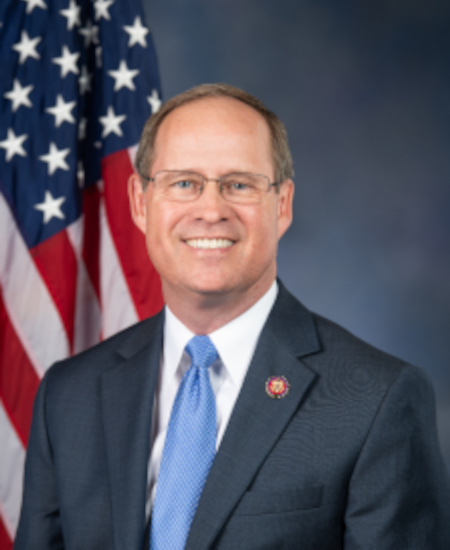
Gregory F. Murphy
14% support rate
Ranked legislators
10
5 support · 5 oppose
Key legislators

Who's moving immigration in United States

Legislators moving immigration in United States
Legislator Party Stance Support rate Votes
Christian D. Menefee
Christian D. Menefee House · District 18
D
Strong +
88% 66
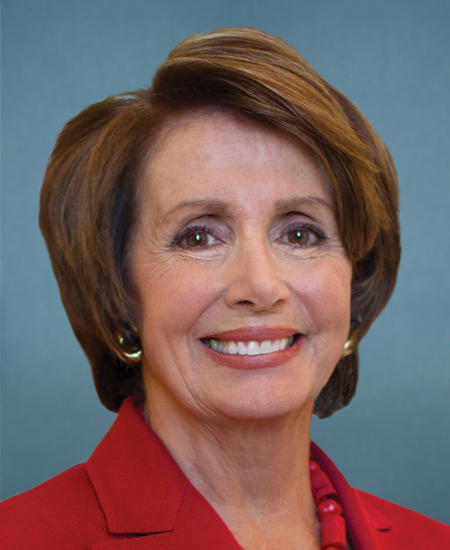
Nancy Pelosi
Nancy Pelosi House · District 11
D
Strong +
86% 139
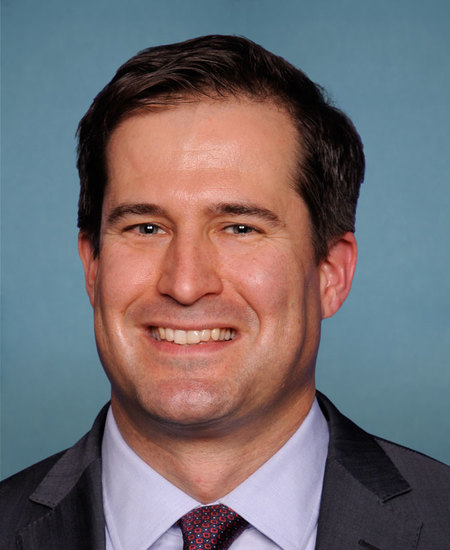
Seth Moulton
Seth Moulton House · District 6
D
Strong +
85% 127
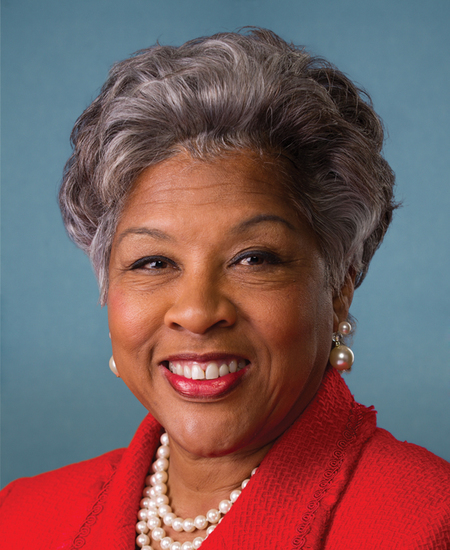
Joyce Beatty
Joyce Beatty House · District 3
D
Strong +
84% 135
Mike Quigley
Mike Quigley House · District 5
D
Strong +
84% 146
Gregory F. Murphy
Gregory F. Murphy House · District 3
R
Strong −
14% 123
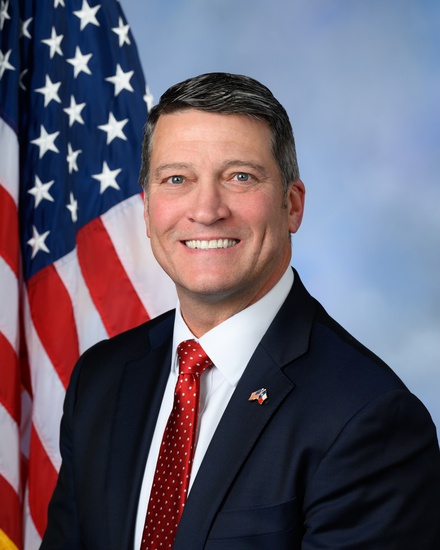
Ronny Jackson
Ronny Jackson House · District 13
R
Strong −
15% 145
Elise M. Stefanik
Elise M. Stefanik House · District 21
R
Strong −
16% 132
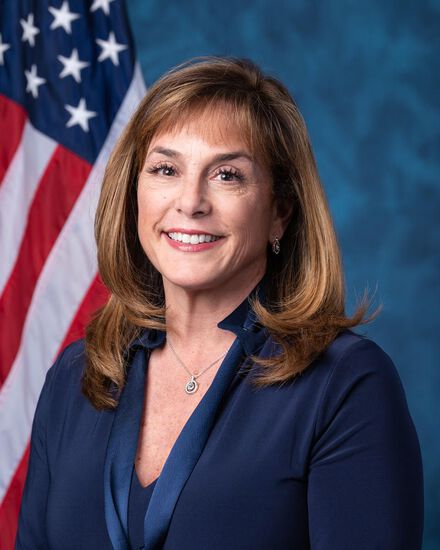
Lisa C. McClain
Lisa C. McClain House · District 9
R
Strong −
16% 147
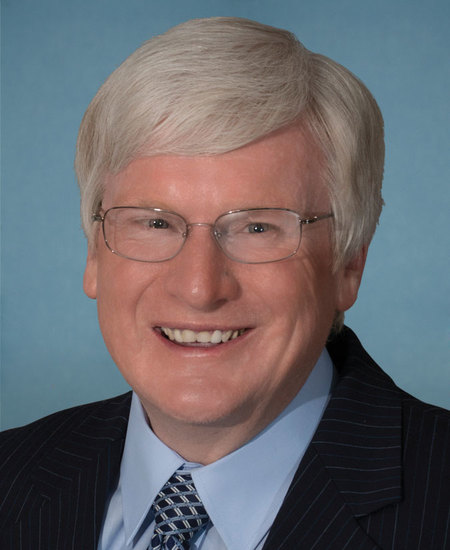
Glenn Grothman
Glenn Grothman House · District 6
R
Strong −
16% 147
Showing 331–340 of 819 bills

All immigration bills

in committee · United States · House Jan 9, 2025

HR 285: Advanced Border Coordination Act of 2025

HR 285, the Advanced Border Coordination Act of 2025, requires the Department of Homeland Security to establish at least two Joint Operations Centers along the southern border within six months of enactment. These centers will enable coordinated operations between federal (including DHS, Defense, and Justice), state, local, and tribal law enforcement agencies to address threats like drug trafficking, human trafficking, illegal border crossings, and weapons seizures. Key mechanisms include centralized communication for field operations, shared information protocols, personnel deployment tracking, and annual reporting to Congress on center operations, resource use, and communication gaps. The bill directly affects border agencies and tribes participating in these coordinated efforts, aiming to improve interagency collaboration without specifying new enforcement powers.
in committee · United States · House Jan 21, 2025

HR 569: Birthright Citizenship Act of 2025

Birthright Citizenship Act of 2025 This bill limits birthright citizenship by redefining what it means to be subject to the jurisdiction of the United States. Currently, a person born in the United States and subject to U.S. jurisdiction is entitled to citizenship. Under the bill, a person is subject to U.S. jurisdiction if he or she is born to a parent who is (1) a U.S. citizen or national, (2) a lawful permanent resident residing in the United States, or (3) a non-U.S. national ( alien under federal law) with a lawful immigration status who is performing active service in the Armed Forces. The bill does not affect the citizenship or nationality status of any person born before the bill's enactment date.
in committee · United States · House Jun 11, 2025

HR 3926: Terrorist Inadmissibility Codification Act

This bill amends the Immigration and Nationality Act to expand the list of groups whose members or spokespeople are barred from entering the U.S. It specifically adds Hamas, Hezbollah, Al-Qaeda, ISIS, and Palestine Islamic Jihad to the existing list of terrorist organizations. The amendment clarifies that individuals affiliated with these groups, or who endorse their activities, are considered "aliens engaged in terrorist activity." This change directly affects foreign nationals affiliated with these designated groups or their successors/affiliates seeking U.S. entry.
in committee · United States · House Mar 11, 2025

HR 2050: Homeland Heroes Pay Act

HR 2050, the Homeland Heroes Pay Act, ensures that U.S. Customs and Border Protection (CBP) agents and Immigration and Customs Enforcement (ICE) officers continue receiving pay during federal budget gaps. It directly affects CBP agents working at Southwest, Northern, and maritime border ports (preventing terrorism, drug trafficking, and illegal entry) and ICE officers handling immigration enforcement (detaining/removing individuals) and criminal investigations (drug trafficking, human smuggling). The bill automatically funds their salaries and expenses using existing Treasury money if discretionary appropriations lapse after the bill passes. This prevents pay interruptions for these frontline personnel during budget shutdowns while they perform critical border security and enforcement duties.
in committee · United States · House Feb 12, 2026

HR 7541: U.S. Farmworker Protection Act

HR 7541, the U.S. Farmworker Protection Act, sets a 400,000 annual cap on H-2A visa positions for temporary agricultural workers, with exceptions for jobs covered by union collective bargaining agreements. This directly affects agricultural employers seeking H-2A workers and U.S. farmworkers who may face wage or job competition from the program. The key mechanism limits total certified H-2A positions per fiscal year (excluding union-represented roles), addressing concerns about the program's rapid growth - from 82,099 jobs in 2008 to 384,865 in 2024 - potentially impacting U.S. farmworker wages and conditions. The bill does not change existing H-2A rules but adds this numerical restriction to Congress's stated policy concerns.
in committee · United States · House Sep 10, 2025

HR 5283: Healthcare Workforce Resilience Act

The Healthcare Workforce Resilience Act (HR 5283) increases U.S. immigration visas for healthcare workers by recapturing unused employment-based visas from 1992-2024. It directly affects foreign nurses and physicians who filed petitions before 2027 (three years after enactment), reserving 25,000 visas for nurses and 15,000 for physicians. Key provisions include exempting these visas from country caps, requiring labor attestations to ensure no U.S. worker displacement, and establishing fee-free premium processing for applications. The bill aims to address healthcare staffing shortages by making these visas immediately available to qualifying professionals and their families.
in committee · United States · House Jul 14, 2025

HR 4367: Bracero Program 2.0 Act

HR 4367, the Bracero Program 2.0 Act, reforms the H-2A agricultural visa program to improve employer processes and worker mobility. It requires an online portal for employers to file petitions and post jobs (replacing current ad requirements), raises the H-2A wage rate to the state minimum wage plus $2.00 per hour, and creates a 6-year pilot program allowing H-2A workers to move between registered agricultural employers within the same state without restarting visa paperwork. The pilot limits portable H-2A status to 10,000 workers at a time and mandates employers to provide workers' compensation if state coverage doesn’t apply. This directly affects agricultural employers seeking seasonal workers and H-2A workers who may switch employers more easily under the pilot.
in committee · United States · House Jan 13, 2025

HR 374: DIRECT Act

HR 374, the DIRECT Act, redirects unused funds originally allocated to the IRS for enforcement under the Inflation Reduction Act toward border security. It rescinds unobligated IRS enforcement funds and appropriates the exact same amount to U.S. Customs and Border Protection (CBP) for hiring new border agents. This bill directly affects the IRS by reducing its enforcement budget and CBP by increasing its funding for border personnel. The key mechanism is a simple transfer of existing, unspent funds without creating new spending. The bill makes no changes to tax law or policy, only reallocating previously authorized resources.
in committee · United States · House Mar 11, 2025

HR 1820: FLASH Act

The FLASH Act authorizes construction of navigable roads along federal border lands to improve U.S. Customs and Border Protection access and operational control. It requires federal agencies to develop protocols for reducing trash accumulation and environmental degradation from unauthorized border crossings, while targeting illegal cannabis cultivation sites with environmental response initiatives. The bill prohibits using federal funds to provide housing for undocumented immigrants on federal lands and establishes criminal penalties for illegal pesticide use. The legislation affects how federal land management agencies (National Park Service, Bureau of Land Management, etc.) operate along the southern border, with specific reporting requirements for environmental impacts and trash collection.
in committee · United States · House May 29, 2025

HR 3646: Guam Temporary Workforce Act

HR 3646, the Guam Temporary Workforce Act, requires employers in Guam seeking H-2B temporary foreign workers to first obtain a labor certification from the Governor of Guam before filing with U.S. immigration authorities. This certification must confirm that no U.S. workers are available for the position at fair wages and working conditions, and that the employer has a qualifying need (like seasonal or peak demand). The bill directly affects Guam-based employers hiring temporary foreign workers under the H-2B visa program. Approved Guam labor certifications are valid for one year and can only be invalidated for fraud or misconduct, streamlining the visa process for eligible employers.
Showing 331 to 340 of 819 bills
Previous 1 33 34 35 82 Next