Issue · Immigration

Immigration

Every immigration bill, vote, and legislator stance in United States, automatically classified by Maddy, our AI policy reader.

Total bills
819
119th Congress
Top supporter
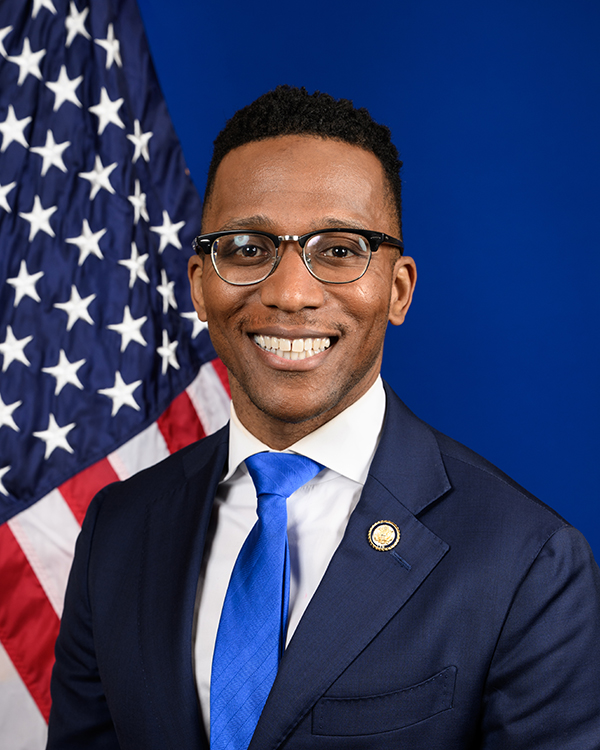
Christian D. Menefee
88% support rate
Top opponent
Gregory F. Murphy
14% support rate
Ranked legislators
10
5 support · 5 oppose
Key legislators

Who's moving immigration in United States

Legislators moving immigration in United States
Legislator Party Stance Support rate Votes
Christian D. Menefee
Christian D. Menefee House · District 18
D
Strong +
88% 66
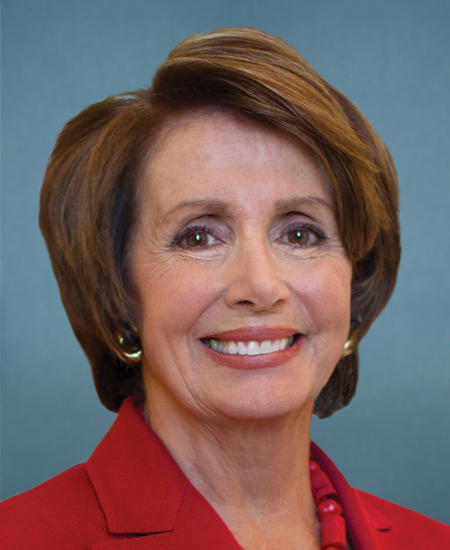
Nancy Pelosi
Nancy Pelosi House · District 11
D
Strong +
86% 139
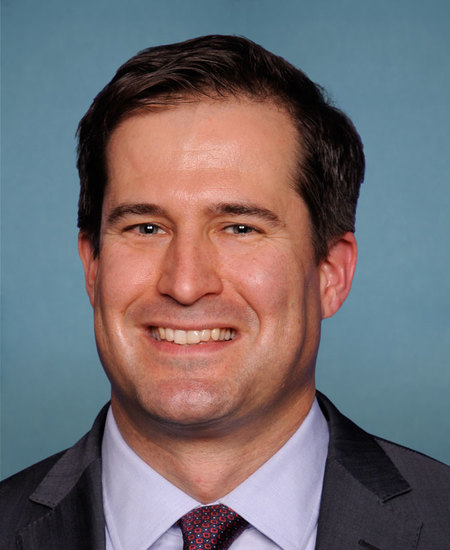
Seth Moulton
Seth Moulton House · District 6
D
Strong +
85% 127
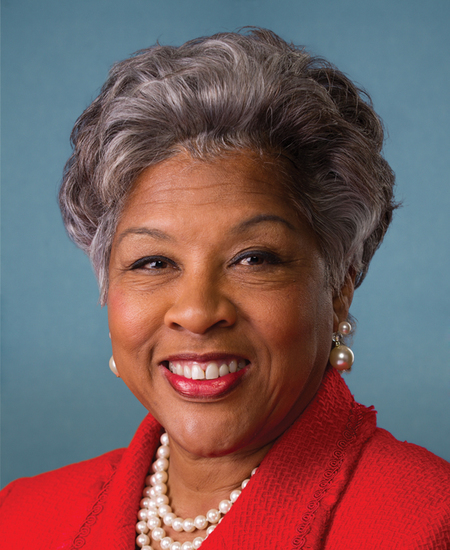
Joyce Beatty
Joyce Beatty House · District 3
D
Strong +
84% 135
Mike Quigley
Mike Quigley House · District 5
D
Strong +
84% 146
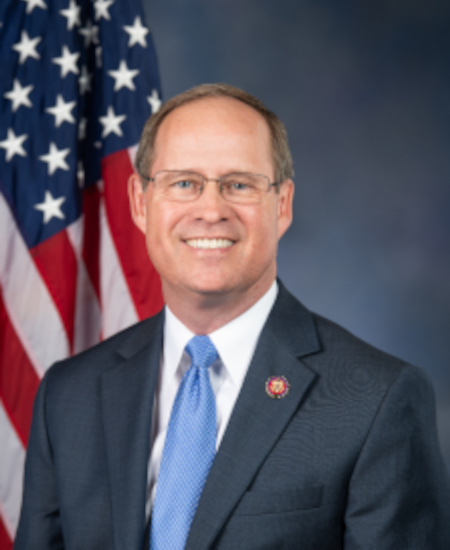
Gregory F. Murphy
Gregory F. Murphy House · District 3
R
Strong −
14% 123
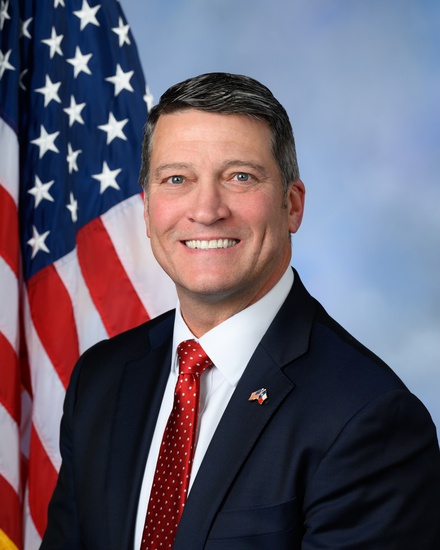
Ronny Jackson
Ronny Jackson House · District 13
R
Strong −
15% 145
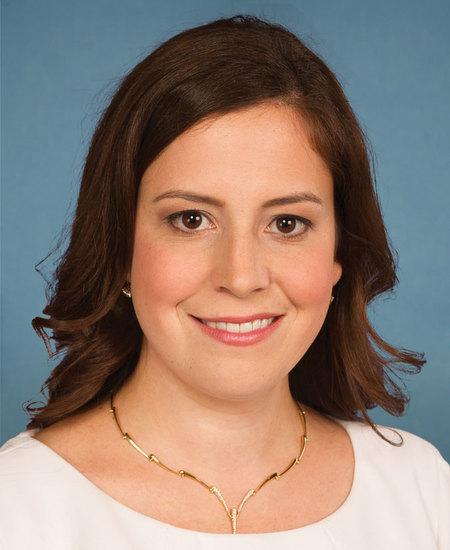
Elise M. Stefanik
Elise M. Stefanik House · District 21
R
Strong −
16% 132
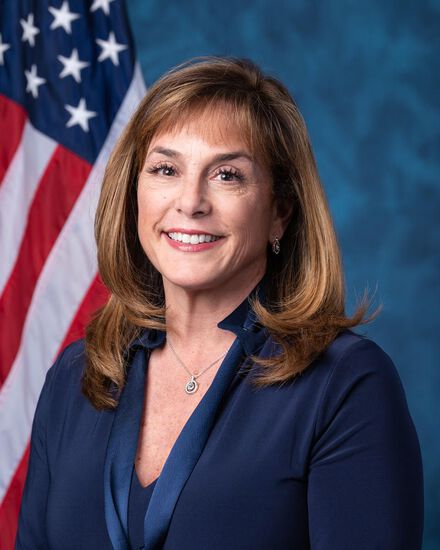
Lisa C. McClain
Lisa C. McClain House · District 9
R
Strong −
16% 147
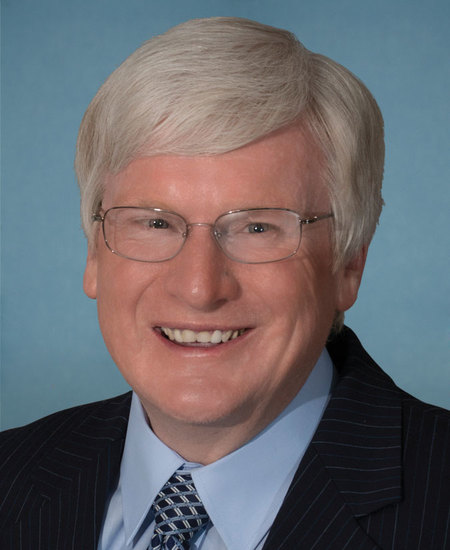
Glenn Grothman
Glenn Grothman House · District 6
R
Strong −
16% 147
Showing 151–160 of 819 bills

All immigration bills

in committee · United States · Senate Apr 30, 2026

S 4450: Financial Access Protection Act

The Financial Access Protection Act prevents banks, credit unions, and other covered financial institutions from asking customers about their citizenship or immigration status to open or maintain accounts. It also bars these institutions from collecting, storing, or sharing such information with government agencies. Additionally, the law stops federal banking regulators from requiring these institutions to gather immigration data or using such data to influence regulatory decisions. While the bill restricts the collection of personal status information, it explicitly preserves existing rules for preventing money laundering and other financial crimes.
in committee · United States · House Apr 30, 2026

HR 8639: COOL IT Act

The COOL IT Act requires immigration officers to complete an annual, scenario-based training curriculum focused on skills like de-escalation, community relations, and officer safety. This mandatory training, which must be developed by the Department of Homeland Security within 90 days, applies to federal immigration officers and state officers participating in federal immigration enforcement programs. Additionally, the bill mandates that all immigration officers finish at least 67 days of training before they can begin enforcing immigration laws. The legislation also directs the Department of Homeland Security to consult with law enforcement and community groups while submitting a report to Congress on the training's benefits and implementation challenges within 180 days.
in committee · United States · House Jul 7, 2026

HR 9099: DHS Release Transparency Act

The DHS Release Transparency Act requires the Department of Homeland Security to inform a designated contact person when a detained individual is released from Customs and Border Protection or Immigration and Customs Enforcement custody, provided the person was held for more than 12 hours. Under this bill, individuals in custody can choose to name a contact and provide their information, with the government obligated to attempt notification at least twice. The law also mandates that translation services be available in the detainee's preferred language for both selecting a contact and receiving release notifications. Additionally, the act specifies that any information gathered under this process cannot be used for law enforcement purposes.
in committee · United States · House May 8, 2026

HR 8690: Pregnant Women in Custody Act

The Pregnant Women in Custody Act establishes new federal standards to protect the health and rights of pregnant women held in Bureau of Prisons facilities, immigration detention centers, and refugee shelters. It mandates comprehensive medical care, including mandatory pregnancy testing, access to contraception, and specialized dietary and housing accommodations tailored to pregnancy needs. A central provision prohibits the use of restrictive housing and physical restraints during pregnancy, labor, and the postpartum recovery period, with limited exceptions only for immediate safety threats. The legislation also requires facilities to provide nursery programs allowing mothers and infants to remain together, offers education on parental rights, and mandates regular reporting on health outcomes and the use of restrictive measures.
in committee · United States · Senate Apr 28, 2026

S 4411: Investing in the American Dream Act

The Investing in the American Dream Act expands eligibility for Small Business Administration loans to include businesses owned by certain immigrants, such as refugees, asylees, and individuals with deferred action. To qualify, these businesses must be located in the United States and at least 51 percent owned and controlled by U.S. citizens or nationals of the United States. The law explicitly states that businesses meeting these ownership and location requirements cannot be denied loans solely because they are owned by eligible immigrants. Additionally, the bill clarifies that it does not grant the SBA authority to increase the 51 percent ownership threshold for any type of loan.
Sub-Topics DACA & Dreamers Tags Small Business
in committee · United States · Senate Apr 29, 2026

SJRES 189: A joint resolution proposing an amendment to the Constitution of the United States to protect United States citizenship.

This joint resolution proposes a new amendment to the U.S. Constitution to clarify who qualifies as a citizen at birth. It would restrict automatic citizenship to children born in the United States only if at least one parent is a U.S. citizen, a lawful permanent resident, or an alien with lawful status serving in the military. The bill aims to limit the scope of the 14th Amendment's citizenship clause and explicitly grants Congress the authority to pass laws enforcing these new requirements. If ratified, this change would alter the legal definition of birthright citizenship for children born to undocumented immigrants or other non-citizen parents.
in committee · United States · House May 4, 2026

HJRES 172: Proposing an amendment to the Constitution of the United States to protect United States citizenship.

This bill proposes a constitutional amendment to clarify how citizenship is determined at birth, directly affecting individuals born in the United States and their parents. It would restrict automatic citizenship to children born to parents who are U.S. citizens, lawful permanent residents, or active-duty military members, while also granting Congress the authority to pass laws enforcing these rules. By modifying the interpretation of the 14th Amendment, the measure aims to establish specific criteria for birthright citizenship that align with current immigration laws.
in committee · United States · House Apr 22, 2026

HR 8443: End H–1B Visa Abuse Act of 2026

This bill proposes a comprehensive overhaul of the H-1B visa program by pausing new issuances for three years and capping the annual limit at 25,000 visas. It would eliminate the current lottery system, replacing it with a process that prioritizes employers offering the highest wages, while also restricting visa holders to a maximum stay of three years and banning them from holding multiple jobs simultaneously. The legislation further mandates that all H-1B workers be paid at least $200,000 annually, prohibits staffing agencies from sponsoring these visas, and bars federal agencies from hiring or petitioning for H-1B workers. Additionally, the bill would end employment authorization for foreign students and interns, and generally prevent most nonimmigrants from adjusting their status to become permanent residents while in the United States.
Sub-Topics Work Authorization
in committee · United States · House May 20, 2026

HR 8941: No Housing Welfare for Illegal Aliens Act

This bill, titled the No Housing Welfare for Illegal Aliens Act, restricts federal housing assistance for individuals who are not U.S. citizens or permanent residents. It requires that all family members applying for assistance must be verified as eligible before any funds are released, preventing partial payments while checks are pending. Additionally, the legislation prohibits grants to states or local governments that provide housing help to undocumented immigrants or refuse to cooperate with federal immigration enforcement requests. These measures aim to limit access to specific federal housing programs for non-citizens and condition funding on compliance with immigration detention protocols.
in committee · United States · Senate May 20, 2026

S 4590: KIDS Act

The KIDS Act prohibits the Department of Homeland Security from detaining children, individuals with cognitive disabilities, or their primary caregivers, with limited exceptions for criminal warrants. It also bans immigration enforcement actions within 1,000 feet of sensitive locations such as schools, hospitals, places of worship, and polling places, including during travel to or from these sites. If the Department violates these rules, any evidence gathered from the illegal action cannot be used in court, and the affected individuals must be released immediately. The bill requires that any necessary detentions be reported to Congress within 24 hours and prioritizes releasing children to their parents or designated caregivers.
Sub-Topics Courts Detention Enforcement Sanctuary Policies Tags Children
Showing 151 to 160 of 819 bills
Previous 1 15 16 17 82 Next