Issue · Immigration

Immigration

Every immigration bill, vote, and legislator stance in United States, automatically classified by Maddy, our AI policy reader.

Total bills
819
119th Congress
Top supporter
Christian D. Menefee
88% support rate
Top opponent
Gregory F. Murphy
14% support rate
Ranked legislators
10
5 support · 5 oppose
Key legislators

Who's moving immigration in United States

Legislators moving immigration in United States
Legislator Party Stance Support rate Votes
Christian D. Menefee
Christian D. Menefee House · District 18
D
Strong +
88% 66
Nancy Pelosi
Nancy Pelosi House · District 11
D
Strong +
86% 139
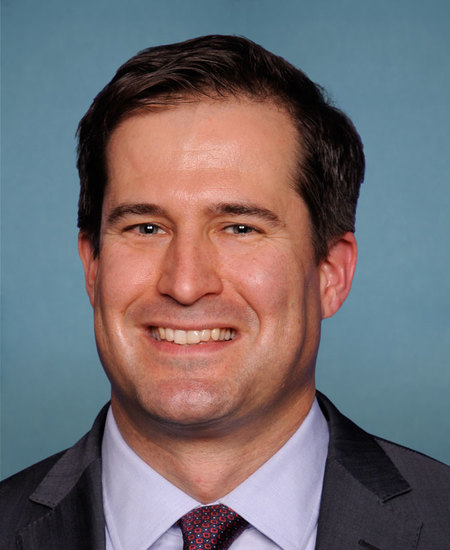
Seth Moulton
Seth Moulton House · District 6
D
Strong +
85% 127
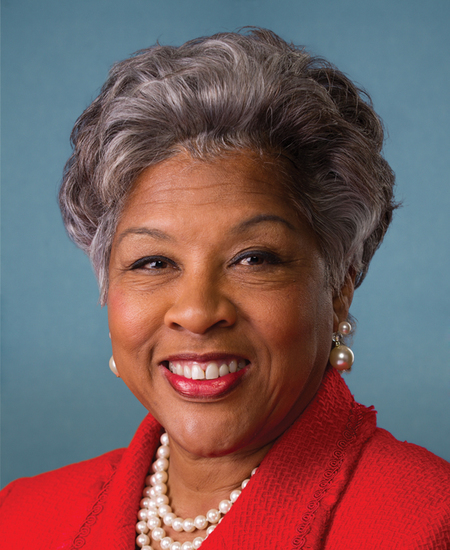
Joyce Beatty
Joyce Beatty House · District 3
D
Strong +
84% 135
Mike Quigley
Mike Quigley House · District 5
D
Strong +
84% 146
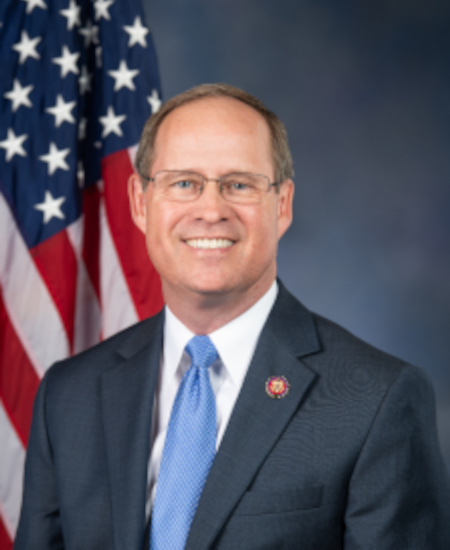
Gregory F. Murphy
Gregory F. Murphy House · District 3
R
Strong −
14% 123
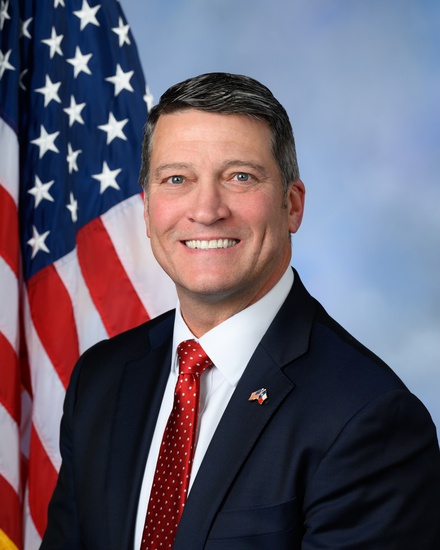
Ronny Jackson
Ronny Jackson House · District 13
R
Strong −
15% 145
Elise M. Stefanik
Elise M. Stefanik House · District 21
R
Strong −
16% 132
Lisa C. McClain
Lisa C. McClain House · District 9
R
Strong −
16% 147
Glenn Grothman
Glenn Grothman House · District 6
R
Strong −
16% 147
Showing 141–150 of 819 bills

All immigration bills

in committee · United States · Senate Jun 16, 2026

SJRES 190: A joint resolution providing for congressional disapproval under chapter 8 of title 5, United States Code, of the rule submitted by the Executive Office for Immigration Review relating to "Appellate Procedures for the Board of Immigration Appeals".

This joint resolution seeks to officially reject a specific rule issued by the Executive Office for Immigration Review that governs appellate procedures at the Board of Immigration Appeals. By invoking a statutory mechanism known as a "congressional disapproval resolution," the bill aims to prevent the new rule from taking effect or having any legal force. If passed, it would directly impact immigration judges and attorneys who rely on the Board's appellate processes by nullifying the Executive Office's proposed changes. The measure represents a legislative check on executive agency authority rather than creating new immigration policies itself.
in committee · United States · House May 26, 2026

HRES 1324: Recognizing the 1885 Rock Springs Chinese Massacre.

This resolution formally recognizes the 1885 Rock Springs Chinese Massacre, honoring the memory of the Chinese immigrant workers who were murdered and acknowledging the event as one of the deadliest acts of anti-Asian violence in U.S. history. The bill directs the House of Representatives to condemn the racist mob violence and the historical failure of authorities to protect the victims or hold perpetrators accountable. Additionally, it encourages the documentation and preservation of the massacre site through archaeological research and federal historic programs while promoting education about this event in schools to prevent future erasure of this history.
in committee · United States · Senate Apr 16, 2026

S 4317: No Licenses for Illegal Drivers or Truckers Act of 2026

This bill requires states to verify that applicants for driver's licenses, commercial licenses, and state ID cards have lawful presence in the United States before issuing them. To enforce this, the legislation mandates that states use approved methods to electronically validate biometric data, conduct background checks, and cross-reference tax and social security records with federal agencies. If a state fails to implement and enforce these verification procedures by October 1, 2026, the federal government will withhold 10% of the state's transportation funding until compliance is achieved. Any withheld funds are then redistributed proportionally to states that have met the new requirements. The bill does not alter existing REAL ID standards but adds a specific layer of immigration status verification to the licensing process.
in committee · United States · House Apr 28, 2026

HR 8557: Short-Term Holding Facility Standards Restoration Act.

This bill requires U.S. Immigration and Customs Enforcement to limit the use of short-term holding facilities to a maximum of 12 hours for detainees, unless specific exceptional circumstances like medical emergencies or natural disasters occur. To enforce this rule, the Department of Homeland Security must ensure facilities remain safe and provide meals every six hours, along with constant access to water and appropriate food for vulnerable individuals such as minors and pregnant women. The legislation also mandates that officials document any instances where a detainee is held longer than 12 hours and submit annual reports to Congress detailing the number of such cases, their duration, and the reasons given for the extended custody. Additionally, the Department's Inspector General will conduct periodic audits to verify compliance with these new standards.
in committee · United States · Senate May 20, 2026

S 4593: Detention Authority Clarification Act

The Detention Authority Clarification Act amends immigration laws to change the term 'alien seeking admission' to 'applicant for admission' in specific sections. It also updates the list of individuals subject to mandatory detention by adding a new category for applicants seeking entry. These changes aim to clarify the terminology and scope of who can be detained under current immigration statutes.
in committee · United States · Senate Apr 28, 2026

S 4405: 287(g) Expansion Act

The 287(g) Expansion Act allows states and local law enforcement agencies that have partnered with U.S. Immigration and Customs Enforcement to receive additional federal funding. Specifically, eligible jurisdictions can apply for up to a 10 percent increase in their annual Edward Byrne Memorial Justice Assistance Grant if they maintain an active 287(g) agreement. The legislation authorizes $20 million per year from 2027 to 2033 to support these increased allocations, which are intended to enhance immigration enforcement efforts within participating communities.
in committee · United States · House Apr 2, 2026

HR 8172: Federal Benefits Repatriation Verification Act of 2026

The Federal Benefits Repatriation Verification Act of 2026 restricts noncitizens receiving federal benefits from sending more than $1,000 in monetary assets to foreign accounts or individuals within any 12-month period. To enforce this limit, the bill requires noncitizen recipients to annually certify their compliance and mandates that financial institutions, including banks and cryptocurrency exchanges, check a new Treasury database before processing transfers. If a noncitizen exceeds the limit or fails to provide certification, they become ineligible for programs such as Social Security, SNAP, and Medicaid, while financial institutions face civil penalties for non-compliance. The legislation also directs the Treasury to create a secure database to track these transactions and share data with benefit agencies to verify eligibility in real time.
in committee · United States · Senate May 20, 2026

S 4589: OPEN Act

The OPEN Act establishes new oversight and accountability measures for immigration enforcement by granting Members of Congress unrestricted, unannounced access to all immigration detention facilities and requiring the Department of Homeland Security to publicly report incidents involving excessive force or misconduct. It mandates specific rights for detained individuals, including timely notification of family members, guaranteed access to legal counsel and medical care within set timeframes, and strict regulations on transfers and transportation conditions. The legislation also restricts the use of administrative warrants for entering private residences, requires judicial warrants for most arrests and detentions, and imposes financial penalties on contractors who fail to meet federal detention standards. Additionally, the bill reconstitutes the Office for Civil Rights and Civil Liberties within the Department and requires rigorous independent inspections before any new detention centers can begin operations.
in committee · United States · House Apr 29, 2026

HR 8586: Americans First Immigration Act

This bill fundamentally restructures the U.S. immigration system by replacing the current employment-based visa categories with a new points-based program that prioritizes applicants with high salaries, advanced degrees, English proficiency, and U.S. military service. Under this new system, employers must attest that they have attempted to hire qualified American workers first and guarantee that hiring an immigrant will not result in layoffs of existing U.S. employees. Additionally, the bill eliminates the Diversity Lottery program, restricts certain family sponsorship categories for citizens, and imposes conditional permanent resident status on new immigrants who must prove they are not receiving public benefits and remain employed within two years. The legislation also mandates that undocumented students pay out-of-state tuition rates at colleges and requires immigrants to sign statements affirming their loyalty to U.S. constitutional principles and opposition to specific forms of persecution.
in committee · United States · House Apr 10, 2026

HR 8223: RECOUP Act of 2026

The RECOUP Act of 2026 requires the Department of Homeland Security to pay local first responders for their time and resources when they assist federal immigration agents. Under this bill, agencies that help enforce immigration laws can submit detailed requests for reimbursement, which must include information about the number of officers involved, the duration of the response, and their pay rates. The law also mandates that the government protect the personal details of these responders and prohibits releasing that information without a court order. Funding for these payments would come from existing budgets allocated to immigration enforcement agencies, allowing the money to be used until January 2029.
Showing 141 to 150 of 819 bills
Previous 1 14 15 16 82 Next