Issue · Housing

Housing (Affordable Housing)

Every housing bill, vote, and legislator stance in United States, automatically classified by Maddy, our AI policy reader.

Total bills
226
119th Congress
Top supporter
Adam B. Schiff
100% support rate
Top opponent
Brian Schatz
0% support rate
Ranked legislators
10
5 support · 5 oppose
Key legislators

Who's moving affordable housing in United States

Legislators moving affordable housing in United States
Legislator Party Stance Support rate Decisive votes
Adam B. Schiff
Adam B. Schiff Senate
D
Strong +
100% 3
Alex Padilla
Alex Padilla Senate
D
Strong +
100% 3
Amy Klobuchar
Amy Klobuchar Senate
D
Strong +
100% 3
Andy Kim
Andy Kim Senate
D
Strong +
100% 3
Angela D. Alsobrooks
Angela D. Alsobrooks Senate
D
Strong +
100% 3
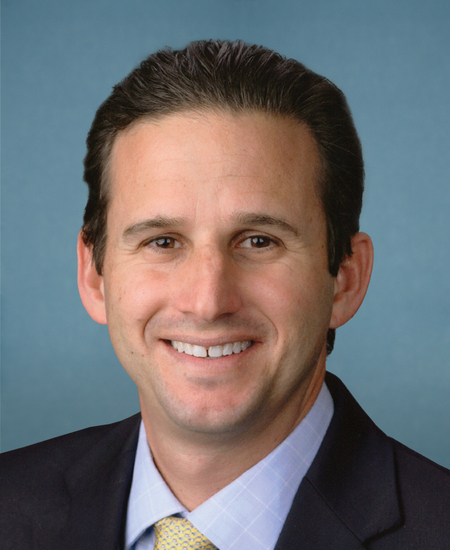
Brian Schatz
Brian Schatz Senate
D
Strong −
0% 3
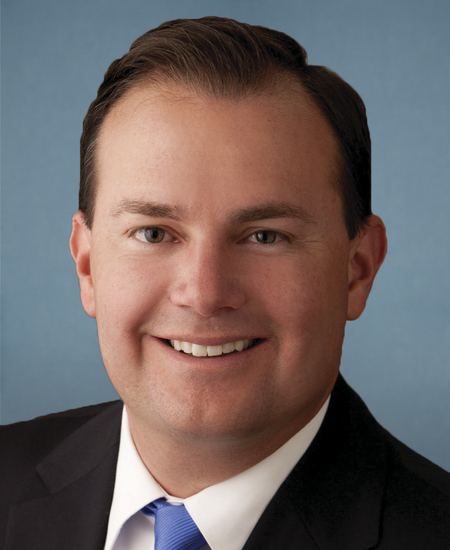
Mike Lee
Mike Lee Senate
R
Strong −
0% 3
Rand Paul
Rand Paul Senate
R
Strong −
0% 3
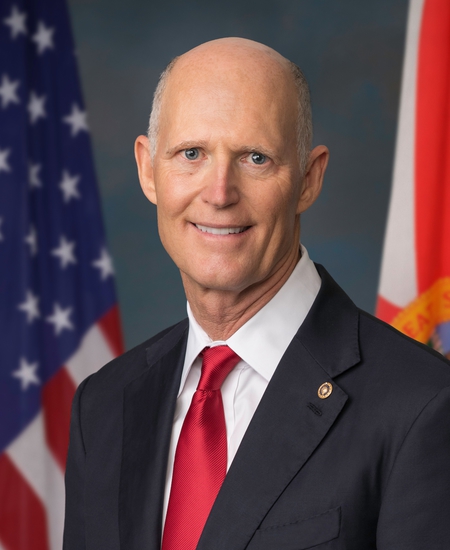
Rick Scott
Rick Scott Senate
R
Strong −
0% 3
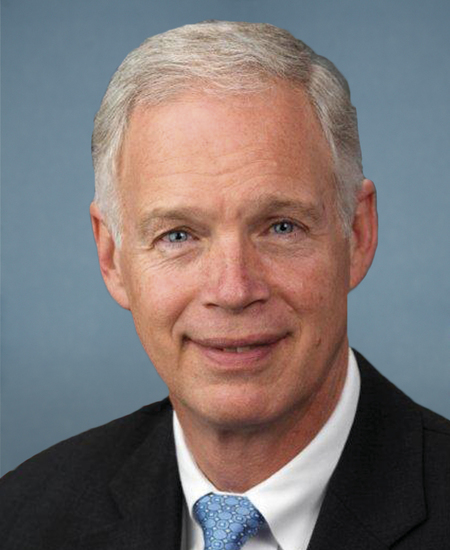
Ron Johnson
Ron Johnson Senate
R
Strong −
0% 3
Showing 71–80 of 226 bills

All housing bills

in committee · United States · House Jan 16, 2026

HR 7139: Housing Choice Voucher Fairness Act of 2025

The Housing Choice Voucher Fairness Act of 2025 (HR 7139) requires housing agencies to continue providing tenant-based rental assistance to voucher recipients who move outside their jurisdiction after January 1, 2026, unless the new rent exceeds 10% higher than the previous rent. This directly affects families using housing choice vouchers and the public housing agencies administering the program. The key provision establishes a 10% cost threshold for rent differences, preventing agencies from terminating assistance solely due to relocation outside their area. The bill applies only to moves occurring on or after the 2026 effective date, with no changes to existing rules for prior relocations.
in committee · United States · House Feb 2, 2026

HR 6671: REPAIR Infrastructure Act

HR 6671, the REPAIR Infrastructure Act, reauthorizes $3 billion annually (2027-2031) for infrastructure projects that reconnect communities divided by highways or other "divisive roadway infrastructure" (like high-speed roads or viaducts). It directly affects local governments, tribes, and community groups seeking funding to rebuild access to jobs, healthcare, schools, and parks - especially in neighborhoods historically cut off by transportation projects. Key provisions prohibit using funds for new highway lanes, require projects to address historic inequities, and prioritize affordable housing, disability access, and community input. Projects must demonstrate how they prevent displacement, support low-income residents, and integrate with local land use (e.g., preserving affordable housing or limiting parking requirements).
in committee · United States · House Jun 5, 2025

HR 3745: American Neighborhoods Protection Act of 2025

This bill imposes an annual $10,000 tax on large residential property owners who own more than 75 single-family homes (defined as properties with up to 4 units), excluding nonprofits, construction companies, and owners of federally subsidized housing. Revenue from this tax funds a new Housing Trust Fund, which provides down payment assistance grants to homebuyers. Priority for these grants goes to families purchasing homes sold by owners subject to the tax. The tax applies to taxable years beginning after December 2025.
in committee · United States · House Jul 17, 2025

HR 4498: Ensuring Continued Access to Funding for Colonias Act

HR 4498 increases the annual funding cap for the Colonia Set-Aside Program from $1 million to $2 million. This change directly affects colonias - unincorporated, low-income communities along the U.S.-Mexico border that often lack basic infrastructure like water and sewage systems. The bill amends Section 916(e)(4) of the Cranston-Gonzalez National Affordable Housing Act to raise the funding limit. This adjustment provides more resources to support housing improvements in these underserved border areas.
Sub-Topics Affordable Housing
in committee · United States · House Sep 3, 2025

HR 5085: To exempt Federal actions related to the construction of infill housing from the requirements of the National Environmental Policy Act of 1969, and for other purposes.

HR 5085 exempts federal agencies from conducting environmental reviews under the National Environmental Policy Act (NEPA) for infill housing projects that meet specific criteria. These projects must be located on previously developed urban sites (under 20 acres, with 75% urban adjacency), pass required environmental assessments, and avoid high-risk wildfire/flood zones per FEMA data. The bill also shortens FEMA’s natural hazard risk assessment update cycle from every 5 to every 3 years. This directly affects federal agencies approving housing developments and developers seeking streamlined project approvals.
in committee · United States · Senate Mar 24, 2025

S 1091: Rural Housing Accessibility Act

This bill requires rural public housing agencies (PHAs) to handle housing vouchers when families move from one area to another. Specifically, if a family holds a voucher from an original PHA and seeks housing in a new rural area, the new PHA must either cover the cost using its own funds or bill the original PHA for up to 12 months. It directly affects rural PHAs and families using housing vouchers who relocate within rural communities. The key change limits billing from the original PHA to a maximum of 12 months, reducing financial barriers for rural housing mobility.
Sub-Topics Affordable Housing Tags Rural Communities
in committee · United States · House Feb 9, 2026

HR 7422: NEST Act

The NEST Act creates a new tax-advantaged savings account specifically for first-time homebuyers, allowing them to deduct contributions from their taxable income. Contributions would be limited to 20% of a state's median home price, with tax-free distributions available for qualified home ownership expenses like down payments and closing costs. Employer contributions to these accounts would be excluded from both income tax and employment taxes. The bill includes safeguards such as a 20% additional tax on funds withdrawn for non-homebuying purposes and rules preventing misuse of the accounts. It would take effect for taxable years beginning after December 31, 2025.
in committee · United States · House Jan 27, 2026

HR 7244: First-Time Home Buyers Match Act

HR 7244, the First-Time Home Buyers Match Act, establishes a 5-year pilot program to help low-to-moderate-income first-time homebuyers save for a home purchase. Eligible buyers (earning ≤120% of local median income, with ≤$75,000 in liquid assets) can receive annual matching funds equal to 50% of their savings - up to $5,000 per year - into a qualifying savings account. Funds must be used for down payments, closing costs, or specific home repairs, and function as a second mortgage repaid over 36 months. The program limits account balances to 10% of local median home values and requires HUD to report on participation, outcomes, and demographics.
in committee · United States · Senate Mar 27, 2025

S 1174: Local Zoning Decisions Protection Act of 2025

This bill nullifies specific Department of Housing and Urban Development (HUD) rules related to fair housing implementation, including the 2015 "Affirmatively Furthering Fair Housing" final rule and related 2021 and 2023 regulations. It also prohibits federal funding for a database tracking racial disparities in housing access and requires HUD to consult with state, local, and public housing officials before developing new fair housing policies. The bill directly affects local governments, state housing agencies, and HUD by blocking enforcement of existing fair housing rules and mandating collaborative policy development. Key mechanisms include eliminating specific HUD regulations, banning a federal disparity database, and requiring consensus-based recommendations through structured federal-state-local consultations.
in committee · United States · House Aug 12, 2025

HR 4969: Keep Mobile Homes Affordable Act

This bill requires the Department of Housing and Urban Development (HUD) to investigate whether prices for rental spaces (pad sites) in mobile home communities are being manipulated or artificially raised through practices like price gouging. HUD must also monitor if any single buyer (including large investors) purchases over 2,500 mobile homes or pad sites in one area, and investigate potential issues like unjustified rent hikes or utility failures. The investigation findings will lead to reports for Congress and public websites, specifically analyzing impacts on seniors and underserved communities. The bill directly affects residents of manufactured home communities, particularly those in areas with high institutional investment, by mandating federal oversight of pricing practices.
Showing 71 to 80 of 226 bills
Previous 1 7 8 9 23 Next