

Issue · Healthcare
Healthcare
Every healthcare bill, vote, and legislator stance in United States, automatically classified by Maddy, our AI policy reader.
Total bills
3,150
119th Congress
Top supporter
Darline Graham
82% support rate
Top opponent
Rick Scott
19% support rate
Ranked legislators
10
5 support · 5 oppose
Key legislators
Who's moving healthcare in United States
| Legislator | Party | Stance | Support rate | Decisive votes |
|---|---|---|---|---|
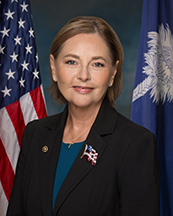
Darline Graham
Senate
|
R |
Strong +
|
82% | 11 |
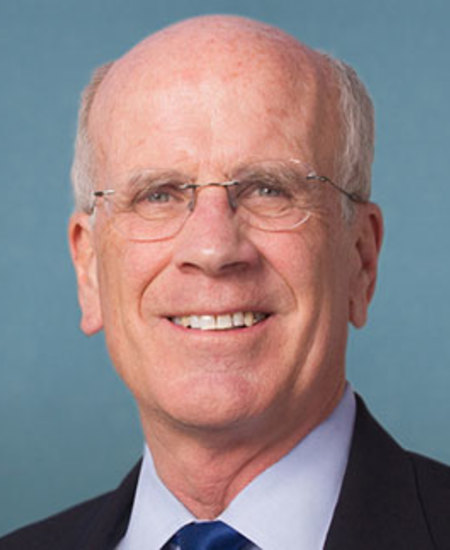
Peter Welch
Senate
|
D |
Strong +
|
81% | 27 |
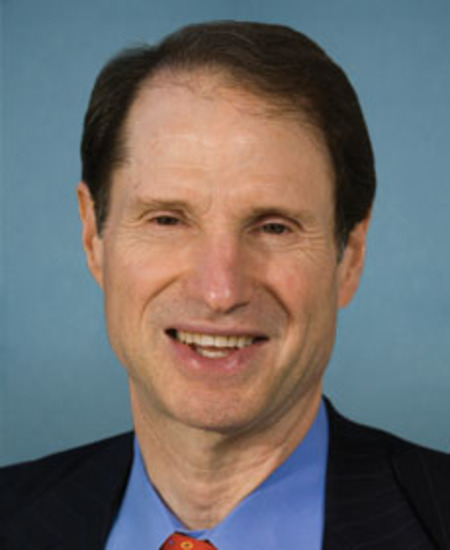
Ron Wyden
Senate
|
D |
Support
|
78% | 27 |

Alex Padilla
Senate
|
D |
Support
|
77% | 26 |
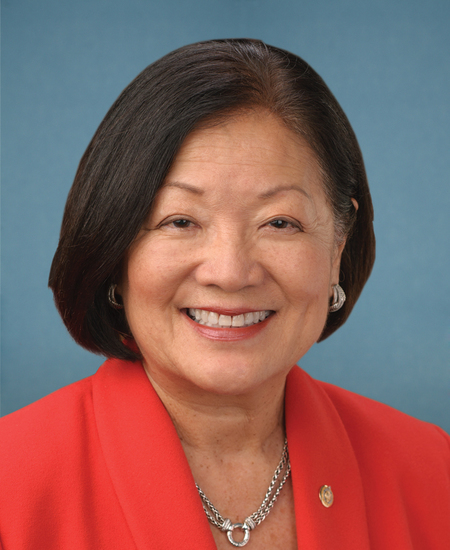
Mazie K. Hirono
Senate
|
D |
Support
|
74% | 27 |
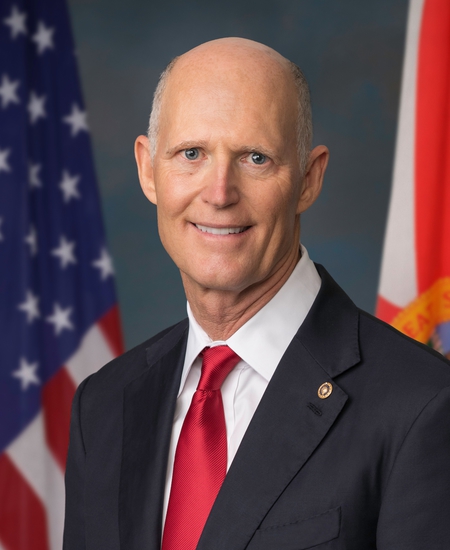
Rick Scott
Senate
|
R |
Strong −
|
19% | 27 |

Ashley Moody
Senate
|
R |
Oppose
|
22% | 27 |

Rand Paul
Senate
|
R |
Oppose
|
22% | 27 |
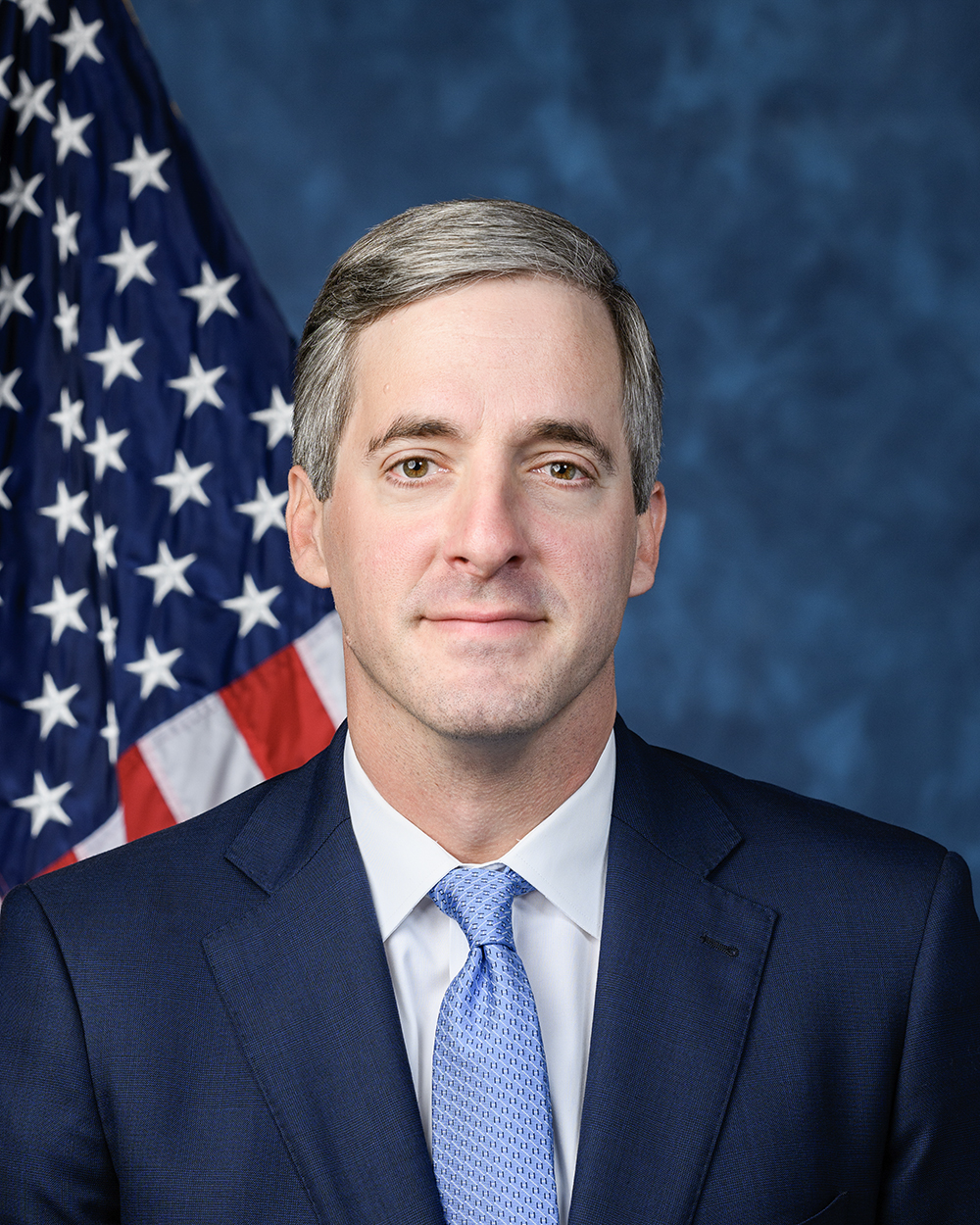
Brad Knott
House · District 13
|
R |
Oppose
|
28% | 18 |
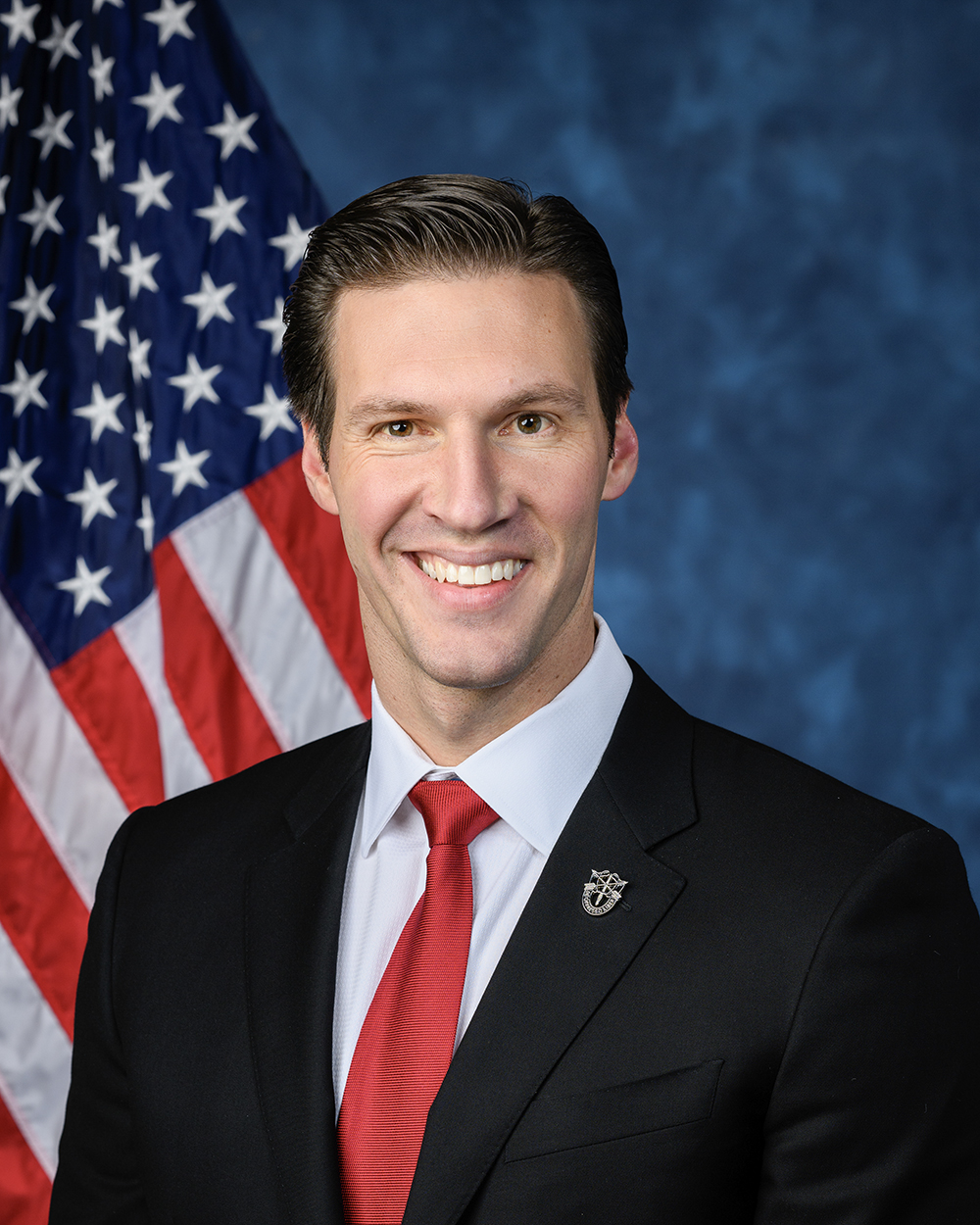
Pat Harrigan
House · District 10
|
R |
Oppose
|
28% | 18 |
Showing 951–960 of 3,150
bills
All healthcare bills
S 1007: 9–8–8 Lifeline Cybersecurity Responsibility Act
Topics
✓ HealthcareSupports HealthcareBill strengthens cybersecurity protections for the 9-8-8 National Suicide Prevention Lifeline, protecting mental health services and patient safety.
✓ TechnologySupports TechnologyRequires 24-hour vulnerability reporting and HHS coordination to strengthen cybersecurity protections for lifeline program, directly enhancing cybersecurity measures.
S 3183: Healthy Lungs for Heroes Act of 2025
Topics
✓ HealthcareSupports HealthcareBill mandates respiratory protective equipment for firefighters, directly protecting worker health and safety in hazardous conditions.
✓ Labor & EmploymentSupports Labor & EmploymentMandates respiratory protection for firefighters in high-smoke environments, directly improving workplace safety standards for a specific workforce.
S 2098: Southcentral Foundation Land Transfer Act of 2025
S 3466: Honor Our Promise to Veterans Act of 2025
Topics
✓ HealthcareSupports HealthcareBill improves veterans' healthcare access by mandating faster appointment scheduling and establishing specialized care programs for military sexual trauma.
✓ VeteransSupports VeteransBill mandates reduced VA appointment wait times, creates MST/women veterans care training program, and requires quality reporting - directly improving veterans' healthcare access and services.
S 3225: Fishing Industry Safety, Health, and Wellness Improvement Act of 2025
Topics
✓ HealthcareSupports HealthcareBill increases funding for fishing industry safety programs and mandates training on behavioral and physical health risks including substance use disorder and worker fatigue, directly supporting healthcare and wellness initiatives.
✓ Labor & EmploymentSupports Labor & EmploymentBill increases safety funding and mandates training on health risks (fatigue, substance use) for fishing workers, directly improving workplace safety and wellness standards.
S 3396: Domestic Workers Bill of Rights Act
Topics
✓ HealthcareSupports HealthcareBill mandates earned sick days for health and safety needs, improving access to healthcare for domestic workers.
✓ ImmigrationSupports ImmigrationBill explicitly protects immigrant domestic workers by extending labor rights and protections to a population that includes many immigrants who have historically been excluded from such protections.
✓ Labor & EmploymentSupports Labor & EmploymentEstablishes labor protections including written agreements and earned sick days for excluded domestic workers, directly advancing worker rights and benefits.
HR 7479: WORK to Save Lives Act
Topics
✓ HealthcareSupports HealthcareBill mandates OSHA guidance for naloxone kits and opioid overdose training, improving access to life-saving medical resources and supporting public health safety.
✓ Labor & EmploymentSupports Labor & EmploymentMandates OSHA to require naloxone access and overdose training for workers, directly improving workplace safety - a key Labor & Employment protection.
HR 2745: Catch Up Act
Topics
✓ Budget & TaxesSupports Budget & TaxesExpands tax-advantaged HSA contributions, providing tax relief for eligible couples under federal tax code.
✓ HealthcareSupports HealthcareBill expands HSA contribution limits for married couples over 55, increasing healthcare savings capacity and financial access to health services.
HR 2756: National Biotechnology Initiative Act of 2025
Topics
✓ Budget & TaxesSupports Budget & TaxesBill authorizes $22 million for fiscal year 2026 to fund the National Biotechnology Coordination Office and related activities, directly increasing government spending for a specific program.
✓ HealthcareSupports HealthcareBill establishes federal biotechnology strategy including HHS participation, funding research, workforce development, and regulatory streamlining which supports healthcare innovation and access.