Issue · Healthcare

Healthcare

Every healthcare bill, vote, and legislator stance in United States, automatically classified by Maddy, our AI policy reader.

Total bills
2,910
119th Congress
Top supporter
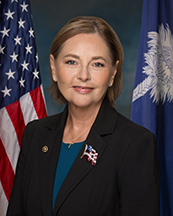
Darline Graham
82% support rate
Top opponent
Rick Scott
19% support rate
Ranked legislators
10
5 support · 5 oppose
Key legislators

Who's moving healthcare in United States

Legislators moving healthcare in United States
Legislator Party Stance Support rate Decisive votes
Darline Graham
Darline Graham Senate
R
Strong +
82% 11
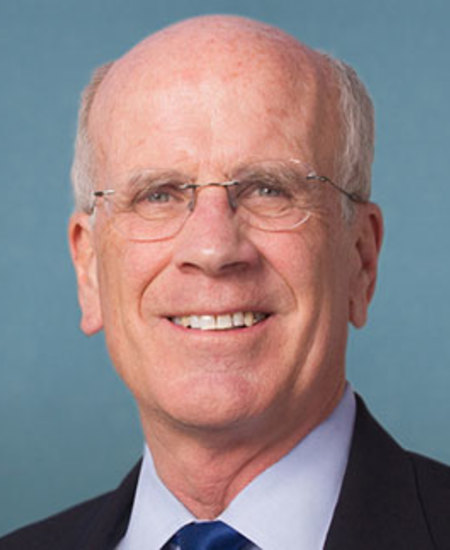
Peter Welch
Peter Welch Senate
D
Strong +
81% 27
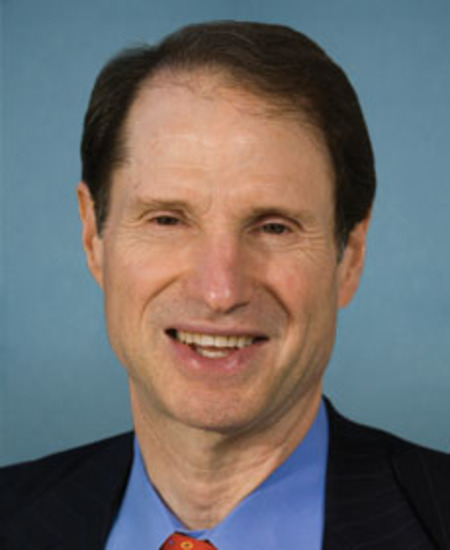
Ron Wyden
Ron Wyden Senate
D
Support
78% 27
Alex Padilla
Alex Padilla Senate
D
Support
77% 26
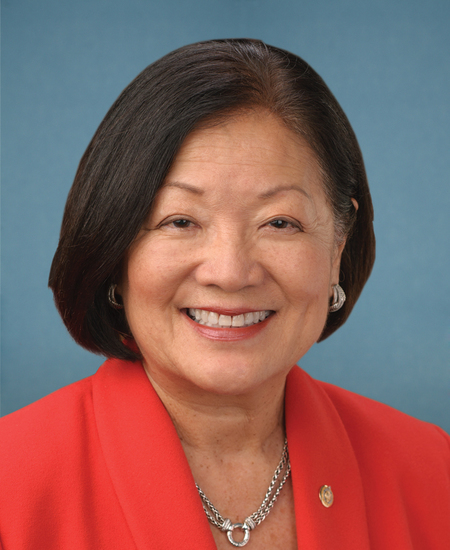
Mazie K. Hirono
Mazie K. Hirono Senate
D
Support
74% 27
Rick Scott
Rick Scott Senate
R
Strong −
19% 27
Ashley Moody
Ashley Moody Senate
R
Oppose
22% 27
Rand Paul
Rand Paul Senate
R
Oppose
22% 27
Brad Knott
Brad Knott House · District 13
R
Oppose
28% 18
Pat Harrigan
Pat Harrigan House · District 10
R
Oppose
28% 18
Showing 841–850 of 2,910 bills

All healthcare bills

in committee · United States · Senate Mar 18, 2026

S 4132: Maternal Vaccinations Act

The Maternal Vaccinations Act aims to increase vaccination rates among pregnant and postpartum individuals by expanding federal health programs. The bill amends the Public Health Service Act to include pregnant and postpartum people in existing vaccination awareness campaigns and adds new funding of $17 million annually from 2027 to 2031 for these efforts. It also requires health programs to specifically target racial and ethnic minority groups within this population to improve access and equity. These changes apply to federal health initiatives administered under the Public Health Service Act.
in committee · United States · House Mar 12, 2026

HR 7933: To amend title 10, United States Code, to expand the authority to provide a wig and treat traction alopecia under the TRICARE program, and for other purposes.

This bill expands the TRICARE program to cover wigs for service members with traction alopecia, a hair loss condition caused by tight hairstyles. It also adds traction alopecia to the list of covered conditions for wig provision and requires the Secretary of Defense to issue grooming standards and training materials by September 30, 2026. These regulations aim to inform military personnel about health risks associated with tightly gathered hairstyles, dyes, and chemical hair products. The changes directly affect active duty service members enrolled in TRICARE who experience hair loss from styling practices.
passed · United States · Senate Aug 10, 2026

S 289: Youth Poisoning Protection Act

S 289, the Youth Poisoning Protection Act, bans consumer products containing 10% or more sodium nitrite by classifying them as hazardous under existing safety law. This directly affects manufacturers and sellers of non-food consumer items (like certain dyes or chemicals) marketed to the public, but excludes food, drugs, and industrial uses. Key provisions prohibit sales of these high-concentration products while explicitly exempting regulated food items (such as processed meats), pharmaceuticals, and cosmetics. The law takes effect 90 days after enactment.
in committee · United States · House Mar 26, 2026

HR 8100: Safe Staffing Saves Lives Act

The Safe Staffing Saves Lives Act establishes minimum nursing staffing levels in skilled nursing facilities and nursing facilities that receive Medicare and Medicaid funding. Beginning January 1, 2029, facilities must provide a total of 4.1 hours of nursing care per resident per day, including specific hours for registered nurses, licensed practical nurses, and nurse aides, with a registered nurse available onsite 24 hours a day. Facilities that fail to meet these requirements face increased inspection frequency, potential denial of payments for new residents, and must display notices about noncompliance at their entrances. The bill also requires facilities to provide written notice of staffing noncompliance to residents and their families, and mandates periodic reports to Congress on the impact of these staffing requirements.
in committee · United States · House Mar 5, 2026

HR 7853: PrEP Access and Coverage Act of 2026

This bill, the PrEP Access and Coverage Act of 2026, requires most health insurance plans to cover HIV prevention medication without charging patients any out-of-pocket costs. It directly affects people with private insurance, government health programs like Medicare and Medicaid, military health care, and the Indian Health Service. The law mandates that insurance companies cannot require pre-approval for these medications, cannot charge deductibles or copayments for them, and cannot deny or charge higher premiums for life, disability, or long-term care insurance based on someone taking HIV prevention medication. The bill also creates a new public education campaign to increase awareness about HIV prevention options and provides federal funding to states and community organizations to expand access to these services.
in committee · United States · House Mar 25, 2026

HRES 1136: Supporting the goals and ideals of "Long COVID Awareness Month".

This resolution expresses support for Long COVID Awareness Month, which is observed in March, and highlights the serious health challenges faced by individuals with long-term symptoms from COVID-19. The bill recognizes that long COVID can affect multiple organs, cause severe fatigue and functional limitations, and disproportionately impact women, Hispanic/Latine, Black, transgender, and disabled individuals. It calls for increased awareness of the condition's impact on quality of life and work, and expresses support for further medical research into causes and treatments for long COVID.
in committee · United States · House Mar 24, 2026

HR 8057: To amend title 38, United States Code, to modify the rate of pay for care or services provided under the Community Care Program of the Department of Veterans Affairs based on the location at which such care or services were provided, and for other purposes.

This bill would change how the Department of Veterans Affairs pays healthcare providers under its Community Care Program by requiring payment rates to be based on the specific location where care is delivered rather than the provider's main headquarters. It mandates that the VA establish separate payment rates for different types of care sites, including hospital outpatient departments, ambulatory surgical centers, and physician offices, starting in 2027. The legislation also requires each care site to have a unique National Provider Identifier and ensures that claims for payment include this identifier to track where services were provided. Additionally, it clarifies how off-campus outpatient departments affiliated with larger providers should be treated and billed separately.
in committee · United States · House Feb 25, 2026

HR 7704: VA Call Center Multi-Factor Authentication Act

This bill requires Veterans Affairs call centers to use multi-factor authentication to verify the identity of callers before taking high-impact actions. It directly affects veterans and beneficiaries who interact with VA services, ensuring their identities are confirmed more securely. The law defines high-impact actions as those where fraud could cause lasting harm, such as diverting funds or accessing sensitive accounts. By adding this requirement to federal code, the bill strengthens existing security controls for vulnerable service members.
in committee · United States · House Mar 9, 2026

HR 7867: Infant Formula Safety Modernization Act of 2026

This bill would require infant formula manufacturers to conduct standardized testing for specific pathogens and microorganisms in both their facilities and finished products. It mandates that companies report positive test results to the FDA within one business day and retain records of these findings for inspections. The legislation also requires the FDA to notify congressional committees within one business day of receiving positive test results or issuing certain inspection classifications. Additionally, the bill establishes clear inspection standards that apply to all infant formula products regardless of where they are made.
in committee · United States · House Mar 3, 2026

HR 7779: HEALTHY BRAINS Act of 2026

This bill directs the Secretary of Health and Human Services to create a program focused on researching how environmental factors, such as air pollution, chemicals, and heavy metals, may contribute to neurodegenerative diseases like Alzheimer's and Parkinson's. The legislation would establish collaborative research centers at universities and medical institutions to study these environmental links, train scientists, and share findings with the public and healthcare professionals. The program includes provisions for creating a national data system and information clearinghouse to track disease patterns and environmental exposures across different communities. Funding of up to $50 million annually through 2031 is authorized to support these research efforts, with biennial reports required to Congress on progress and outcomes.
Sub-Topics Air Quality
Showing 841 to 850 of 2,910 bills
Previous 1 … 84 85 86 … 291 Next