Issue · Healthcare

Healthcare

Every healthcare bill, vote, and legislator stance in United States, automatically classified by Maddy, our AI policy reader.

Total bills
3,150
119th Congress
Top supporter
Darline Graham
100% support rate
Top opponent
Ashley Moody
18% support rate
Ranked legislators
10
5 support · 5 oppose
Key legislators

Who's moving healthcare in United States

Legislators moving healthcare in United States
Legislator Party Stance Support rate Decisive votes
Darline Graham
Darline Graham Senate
R
Strong +
100% 6
AA
Alan Armstrong Senate
R
Strong +
88% 8
Peter Welch
Peter Welch Senate
D
Strong +
82% 22
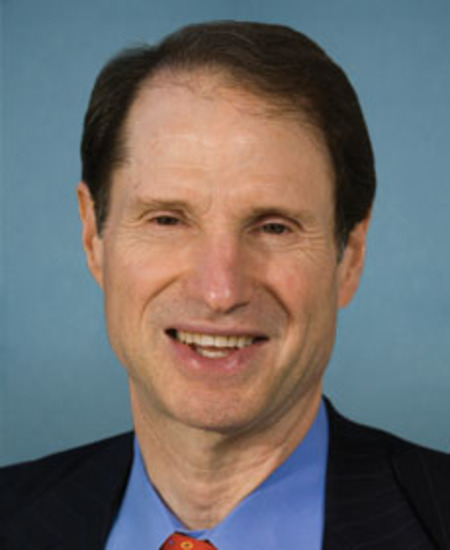
Ron Wyden
Ron Wyden Senate
D
Support
77% 22
Alex Padilla
Alex Padilla Senate
D
Support
76% 21
Ashley Moody
Ashley Moody Senate
R
Strong −
18% 22
Rick Scott
Rick Scott Senate
R
Strong −
18% 22
Rand Paul
Rand Paul Senate
R
Oppose
23% 22
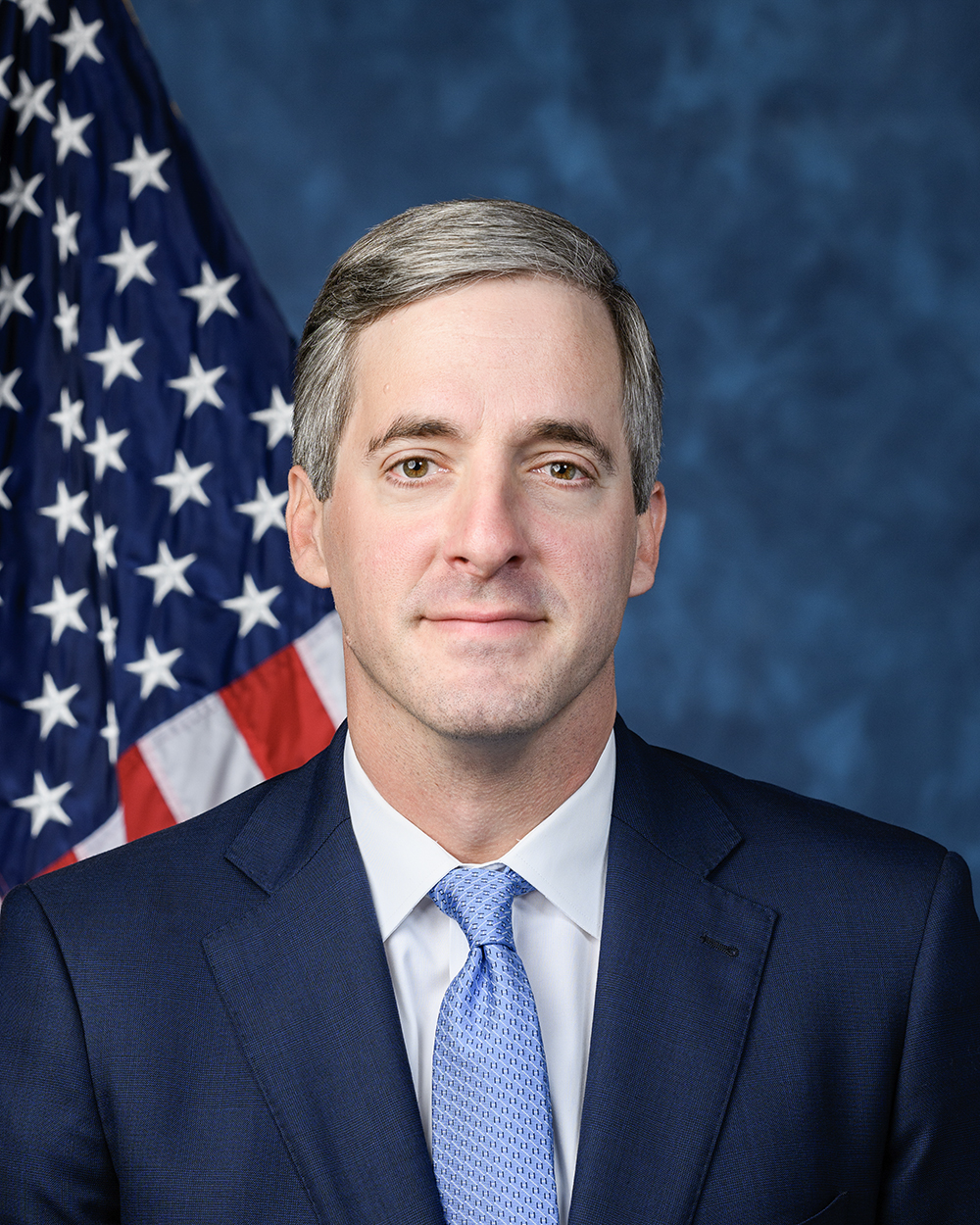
Brad Knott
Brad Knott House · District 13
R
Oppose
28% 18
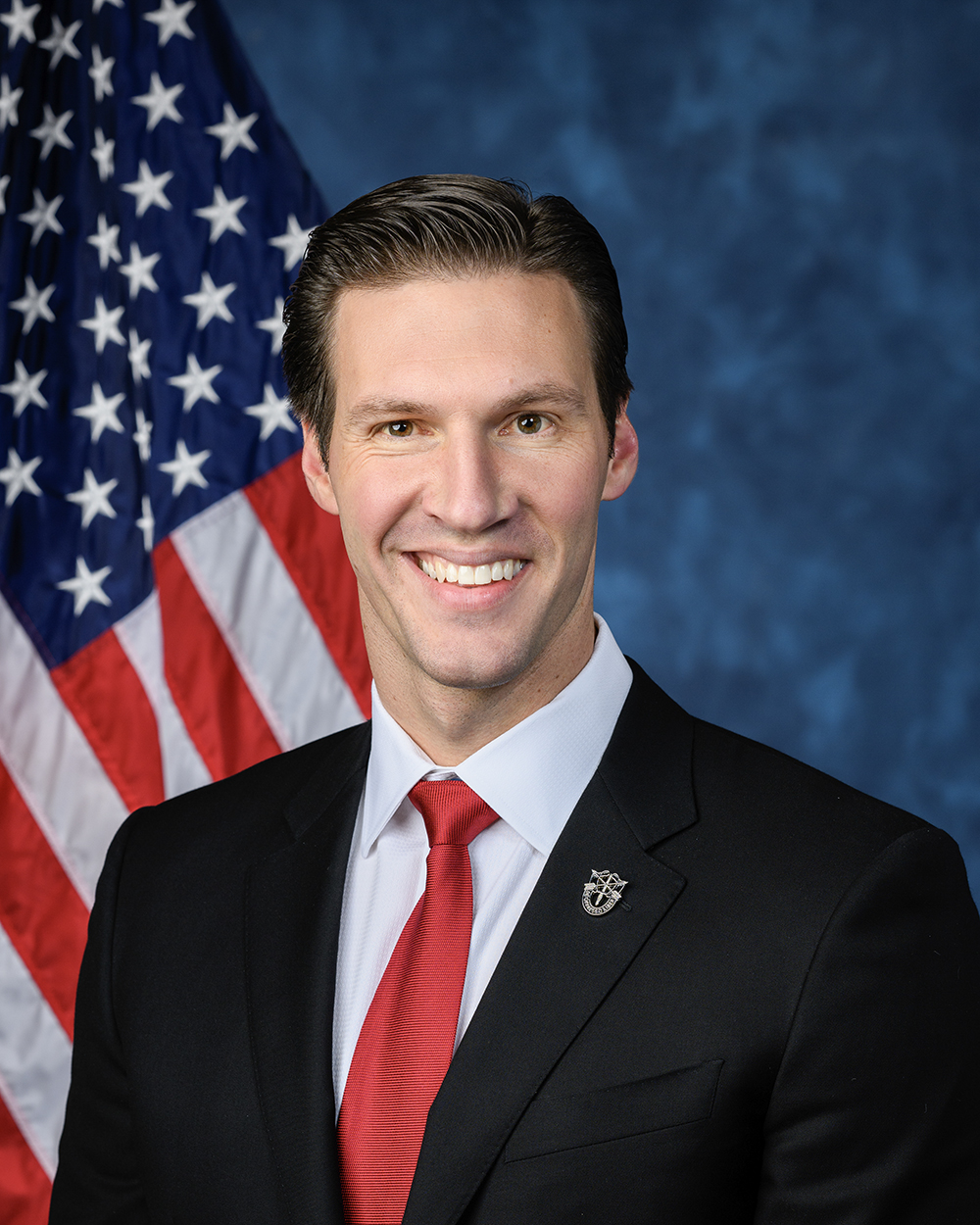
Pat Harrigan
Pat Harrigan House · District 10
R
Oppose
28% 18
Showing 731–740 of 3,150 bills

All healthcare bills

in committee · United States · House Apr 20, 2026

HRES 1192: Recognizing the roles and the contributions of care workers in the United States and expressing support for the designation of April 2026 as "Care Worker Recognition Month".

This House Resolution recognizes the vital roles and contributions of care workers in the United States, including those in childcare and home care, and expresses support for designating April 2026 as "Care Worker Recognition Month." It aims to acknowledge the importance of these professionals who support children, older adults, and people with disabilities, and their impact on families and the economy.
in committee · United States · House Apr 15, 2026

HR 8314: OPTIONS Act

The OPTIONS Act establishes a new type of employer-sponsored benefit arrangement called a Qualified Benefit Options Plan (QBOP), affecting employers and their employees. Under a QBOP, employees can choose how their employer's contributions are allocated among various pre-tax qualified benefits, such as contributions to retirement plans, health savings accounts, or educational assistance programs. A key distinction is that employees cannot opt to receive cash or other taxable benefits instead of these qualified benefits. Employer contributions made through a QBOP are excluded from an employee's taxable income, offering a tax-advantaged way for employers to provide flexible benefit options. The bill includes rules to ensure benefits are not disproportionately skewed towards highly compensated employees and applies to taxable years beginning after December 31, 2025.
Sub-Topics Retirement Benefits
in committee · United States · House Apr 20, 2026

HR 8391: To amend titles XVIII and XIX of the Social Security Act to require coverage of certain food and nutrition services under the Medicare and Medicaid programs.

This bill, HR 8391, proposes to expand the types of services covered under the Medicare and Medicaid programs. It directly affects Medicare beneficiaries and Medicaid recipients by requiring coverage for certain food and nutrition services. Under Medicare, these services would be covered, with Medicare paying 80% of the actual charge. For Medicaid, these services would also be covered and become a mandatory benefit that states must provide. The Secretary of Health and Human Services will specify the exact requirements for these services, and the changes would take effect 180 days after the bill's enactment.
Sub-Topics Medicaid Medicare
in committee · United States · Senate Apr 14, 2026

S 4288: Educational Equity Challenge Grant Act of 2026

The Educational Equity Challenge Grant Act of 2026 establishes a federal grant program to provide funding to local and state educational agencies, non-profit partnerships, and other eligible entities. These grants aim to address students' academic, social-emotional, mental, behavioral, and physical health needs, especially those exacerbated by the COVID-19 pandemic. Funds will support either evidence-based activities or innovative, educator-initiated proposals, with specific allocations for rural areas, low-income student populations, and tribal schools. Priority will be given to applicants serving high-need students, including those from low-income families, students of color, and students with disabilities, to promote equitable educational outcomes. Grant recipients must report on how funds were used and their effect on student learning and well-being.
in committee · United States · House Apr 14, 2026

HR 8270: Every Dollar Counts Act of 2026

The Every Dollar Counts Act of 2026 requires health insurance plans and issuers to count money spent by individuals on prescription drugs purchased directly, without applying their insurance benefits, towards their annual deductible and out-of-pocket maximums. This means that if an individual pays cash for a drug or uses a discount card instead of their insurance benefits, those expenditures will still contribute to reaching their yearly healthcare spending limits. This change directly affects individuals enrolled in group or individual health insurance coverage. The new rules will take effect for plan years beginning on or after January 1, 2027.
in committee · United States · House Apr 20, 2026

HR 8377: Stop Deadly Denials Act of 2026

This bill, the "Stop Deadly Denials Act of 2026," aims to significantly restrict prior authorization requirements for Medicare beneficiaries. It prohibits Medicare Advantage plans from imposing prior authorization for most medical services and items starting January 1, 2027, with non-compliant plans facing potential sanctions. For traditional Medicare, the bill blocks a specific prior authorization pilot program and limits future models from implementing prior authorization if they use artificial intelligence for denials without individual physician review or do not use Medicare administrative contractors for processing. Additionally, it requires public notice and comment for all future Medicare innovation models.
Sub-Topics Medicare
in committee · United States · House Apr 14, 2026

HR 8269: CLEAR LABELS Act

The CLEAR LABELS Act aims to increase transparency in the drug supply chain by requiring more detailed information on pharmaceutical labels. It mandates that finished drug products' labels, or linked electronic portals, include the name, location, and unique identifier of the manufacturer, packer, or distributor. Additionally, labels must identify the original manufacturer of both the finished drug product and each active pharmaceutical ingredient, with this information also available in paper form upon request. The bill further exempts finished drug products from standard customs country-of-origin marking if they comply with these new labeling requirements.
in committee · United States · House Apr 6, 2026

HR 8203: Workforce Recovery and Resilience Act

The "Workforce Recovery and Resilience Act" amends current law to address the workforce and economic impacts of substance use disorders. It requires the Department of Labor to provide states and local areas with information on effective practices for tackling these impacts, including how to access relevant funding. The bill also expands the use of national dislocated worker grants to fund employment and training activities related to substance use disorder prevention and treatment in areas heavily affected by addiction. Eligible individuals for these specific grants include dislocated workers, the long-term unemployed, those impacted by widespread substance use, and individuals in healthcare professions focused on substance use treatment.
in committee · United States · Senate Apr 14, 2026

S 4283: Public Health and Bio-Preparedness Workforce Loan Repayment Reauthorization Act of 2026

This bill, the Public Health and Bio-Preparedness Workforce Loan Repayment Reauthorization Act of 2026, extends an existing federal program. It reauthorizes the Public Health and Bio-Preparedness Workforce Loan Repayment Program, which provides loan repayment assistance to professionals in public health and bio-preparedness fields. The key provision updates the program's funding authorization period. Specifically, it changes the authorization from fiscal years 2023 through 2025 to fiscal years 2027 through 2031, allowing the program to continue supporting this workforce.
in committee · United States · House Apr 15, 2026

HR 8317: Tech to Save Moms Act

The Tech to Save Moms Act aims to improve maternal health outcomes for pregnant and postpartum individuals by increasing access to technology-enabled care. It allows states to adopt and use telehealth tools under Medicaid for screening, monitoring, and managing health complications during pregnancy and up to one year postpartum. The bill also establishes two grant programs: one to fund technology-enabled collaborative learning models for training maternal healthcare providers, especially in underserved areas, and another to increase access to digital tools that reduce maternal health disparities. Finally, it directs the National Academies to study the use of technology and patient monitoring devices in maternity care, focusing on racial and ethnic biases.
Showing 731 to 740 of 3,150 bills
Previous 1 … 73 74 75 … 315 Next