Issue · Healthcare

Healthcare

Every healthcare bill, vote, and legislator stance in United States, automatically classified by Maddy, our AI policy reader.

Total bills
3,079
119th Congress
Top supporter
Christopher Murphy
81% support rate
Top opponent
Bill Hagerty
13% support rate
Ranked legislators
10
5 support · 5 oppose
Key legislators

Who's moving healthcare in United States

Legislators moving healthcare in United States
Legislator Party Stance Support rate Votes
Christopher Murphy
Christopher Murphy Senate
D
Strong +
81% 221
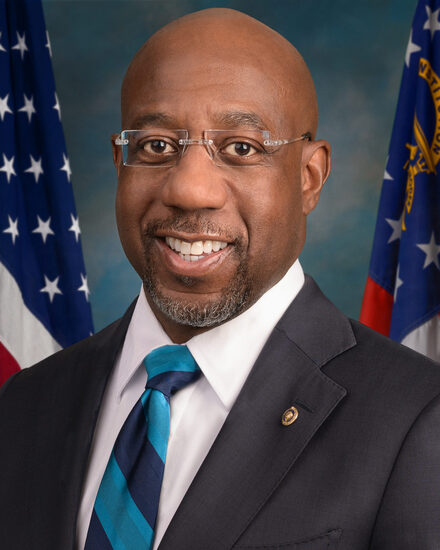
Raphael G. Warnock
Raphael G. Warnock Senate
D
Strong +
81% 222
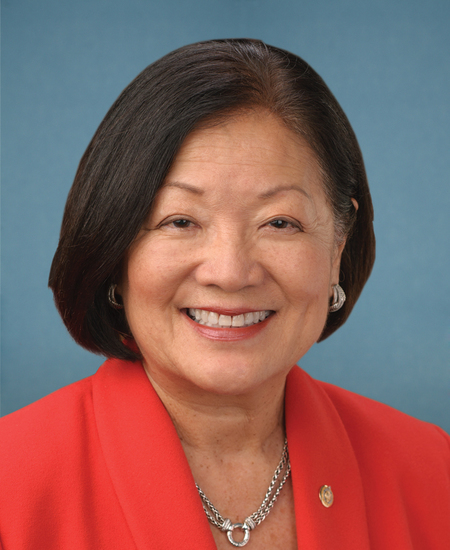
Mazie K. Hirono
Mazie K. Hirono Senate
D
Support
76% 223
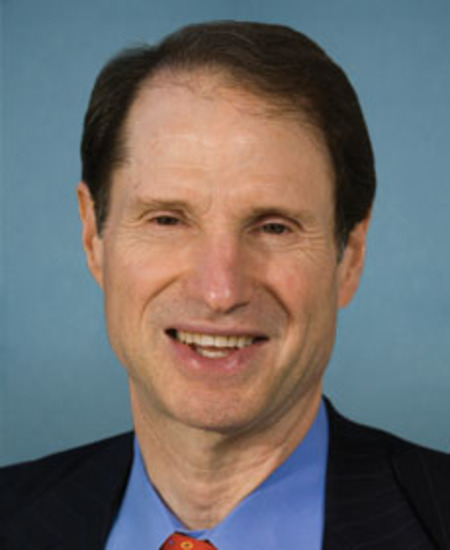
Ron Wyden
Ron Wyden Senate
D
Support
76% 223
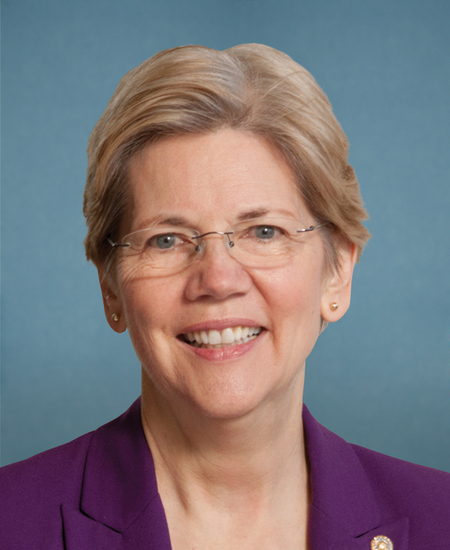
Elizabeth Warren
Elizabeth Warren Senate
D
Support
76% 223
Bill Hagerty
Bill Hagerty Senate
R
Strong −
13% 218
Roger F. Wicker
Roger F. Wicker Senate
R
Strong −
13% 220
James C. Justice
James C. Justice Senate
R
Strong −
19% 216
James E. Risch
James E. Risch Senate
R
Strong −
19% 221
Mitch McConnell
Mitch McConnell Senate
R
Strong −
19% 197
Showing 51–60 of 3,079 bills

All healthcare bills

in committee · United States · House Sep 3, 2026

HR 10280: 9–8–8 Implementation Act of 2026

The 9-8-8 Implementation Act of 2026 expands federal funding and mandates insurance coverage for behavioral health crisis services, directly affecting individuals experiencing mental health or substance use emergencies as well as the providers who serve them. The bill authorizes grants to upgrade local lifeline call centers, build new crisis stabilization facilities, and train a larger workforce of behavioral health professionals. It requires Medicare, Medicaid, private group health plans, TRICARE, and other federal insurance programs to cover crisis response services with financial terms no more restrictive than standard medical care. Additionally, the legislation establishes a federal panel to develop training protocols for 9-1-1 dispatchers to better connect callers to appropriate crisis care rather than law enforcement responses.
in committee · United States · House Aug 27, 2026

HR 10164: BEDROCK Act

The BEDROCK Act directs the Secretary of Commerce to designate a senior official who will lead federal efforts to boost the competitiveness and supply-chain resilience of the U.S. biomanufacturing industry. This official is tasked with identifying barriers to private sector investment, mapping complex regulatory pathways across agencies like the FDA and EPA, and publishing a prioritized action plan to address vulnerabilities in critical inputs such as enzymes and cell lines. The bill also requires the government to create a public web resource that consolidates federal information and designates specific agency points of contact to help businesses navigate commercialization processes. These requirements are set to terminate five years after the law is enacted, with periodic reports submitted to Congress to track progress.
in committee · United States · House Aug 27, 2026

HR 10150: Advancing Botanical Drug Development Act of 2026

The Advancing Botanical Drug Development Act of 2026 extends the market exclusivity period for new FDA-approved botanical drugs from five years to twelve years. This change directly affects pharmaceutical companies and other sponsors that develop plant-based medicines, providing them with a longer window of protection against generic competitors. The bill aims to offset the high costs and unique manufacturing challenges associated with developing these complex therapies by offering stronger financial incentives. By securing this extended exclusivity, the legislation seeks to encourage private investment in research for multi-target treatments of chronic and age-related diseases.
in committee · United States · House Jul 21, 2026

HR 9807: Americans vs. Poisonous Pesticides Act

The Americans vs. Poisonous Pesticides Act amends federal pesticide laws to allow state courts to hear lawsuits alleging that pesticide labels fail to warn about health or environmental risks. It clarifies that a pesticide's federal registration and label approval do not automatically block these state claims, though they serve as initial evidence of compliance. The bill also permits companies to update their product labels to address new safety information without waiting for prior government approval, subject to potential review by the agency. These changes apply to both new lawsuits and cases already in progress, ensuring that federal rules do not limit existing state legal remedies for damages or injunctive relief.
in committee · United States · House Sep 1, 2026

HR 10216: Public Transit Mental Health Awareness Act

The Public Transit Mental Health Awareness Act requires public transit agencies that receive federal assistance to display information about the national suicide prevention hotline in areas visible to passengers. This information must state that the service is free, confidential, and available around the clock. Agencies can meet this requirement by placing the notice on all their vehicles or in all their transit facilities, provided it does not block existing revenue-generating advertising space. The law includes a provision allowing agencies to remain compliant if they make reasonable efforts to restore displays that are damaged or removed, with the mandate taking effect one year after enactment.
Sub-Topics Mental Health
in committee · United States · House Aug 31, 2026

HRES 1503: Supporting the goals of Overdose Awareness Day and strengthening efforts to combat the opioid crisis in the United States.

This House resolution formally recognizes Overdose Awareness Day in the United States and calls for strengthened efforts to combat the opioid crisis. It directs the House of Representatives to pursue bipartisan legislation aimed at reducing the stigma associated with substance use disorders and drug overdoses. Additionally, the bill commits lawmakers to work with state and local governments, businesses, and health care providers to build a comprehensive system that supports prevention, treatment, harm reduction, and recovery for individuals affected by opioid use disorder.
Sub-Topics Substance Abuse
in committee · United States · House Aug 31, 2026

HR 10185: Part D Premium Protection Act of 2026

The Part D Premium Protection Act of 2026 would establish a temporary premium credit for Medicare Part D prescription drug plan enrollees in 2027. This credit is designed to match the average premium reduction observed during the Part D Premium Stabilization Demonstration program between January 1, 2025, and the end of 2026. Under the bill's provisions, insurance sponsors would charge enrollees their standard premiums minus this specific credit amount, with the floor set at zero dollars. The Secretary of Health and Human Services would then reimburse the sponsors for the difference between the charged premium and the full applicable rate.
in committee · United States · House Aug 27, 2026

HRES 1491: Expressing support for the designation of the week of August 25 through August 31, 2026, as "Black Breastfeeding Week".

This House resolution expresses support for designating the week of August 25 through August 31, 2026, as "Black Breastfeeding Week" to raise awareness about racial disparities in maternal and infant health. The bill highlights data showing that Black mothers face higher barriers to breastfeeding and experience significantly higher infant mortality rates compared to White mothers. It calls on Congress to support policies that provide affordable healthcare, paid parental leave, and safe workplace accommodations for nursing mothers. Additionally, the resolution urges lawmakers to address broader systemic issues such as housing, transportation, and economic opportunity to improve health outcomes in Black communities.
in committee · United States · House Aug 20, 2026

HR 10134: Local Health Care Protection Act of 2026

The Local Health Care Protection Act of 2026 allows certain hospitals to continue participating in the federal drug discount program, known as Section 340B, even if they no longer meet specific financial thresholds related to serving low-income patients. This provision applies to hospitals that were already eligible for the program on July 3, 2025, and protects their access to discounted medications through cost reporting periods ending by September 30, 2030. The bill directly affects rural and underserved hospitals that may lose eligibility due to changes in Medicaid funding or Medicare payment formulas. Additionally, it requires the Government Accountability Office to conduct a study within one year on how these financial criteria are calculated and how declining payments impact essential health services in rural areas.
in committee · United States · House Sep 3, 2026

HR 10274: Partnerships for Better Health Act

The Partnerships for Better Health Act directs the Secretaries of Health and Human Services and Agriculture to establish a grant program that funds local coalitions to integrate chronic disease prevention, management, and social support services. Eligible lead entities, such as community health centers, nonprofit hospitals, and food banks, must partner with clinical, nutritional, and public health organizations to deliver coordinated care, nutrition education, and "Food is Medicine" programs. Grant priority is given to communities facing high chronic disease prevalence, food insecurity, or persistent poverty, while recipients are required to serve populations with incomes at or below 200 percent of the federal poverty line. The bill authorizes $15 million annually for fiscal years 2027 through 2031 and mandates that grantees use evidence-based models and report on specific health, social, and utilization outcomes.
Showing 51 to 60 of 3,079 bills
Previous 1 5 6 7 308 Next