Issue · Healthcare

Healthcare

Every healthcare bill, vote, and legislator stance in United States, automatically classified by Maddy, our AI policy reader.

Total bills
3,079
119th Congress
Top supporter
Christopher Murphy
81% support rate
Top opponent
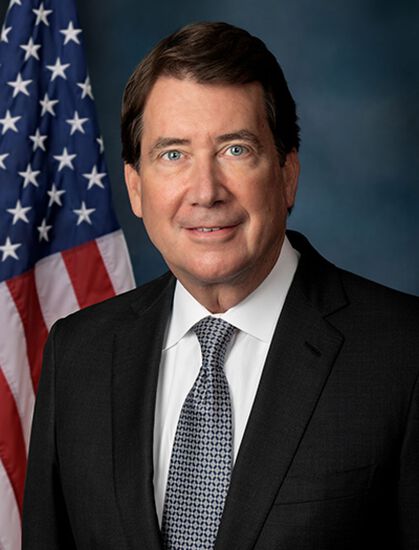
Bill Hagerty
13% support rate
Ranked legislators
10
5 support · 5 oppose
Key legislators

Who's moving healthcare in United States

Legislators moving healthcare in United States
Legislator Party Stance Support rate Votes
Christopher Murphy
Christopher Murphy Senate
D
Strong +
81% 221
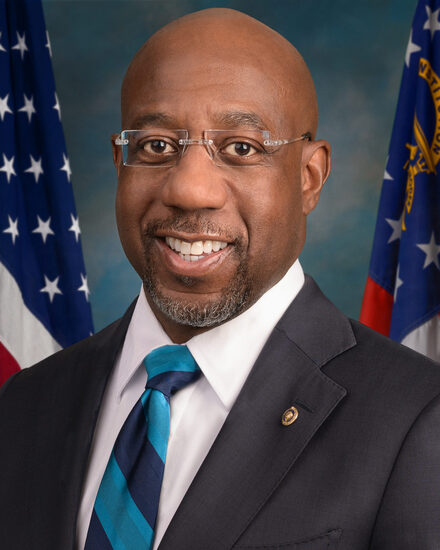
Raphael G. Warnock
Raphael G. Warnock Senate
D
Strong +
81% 222
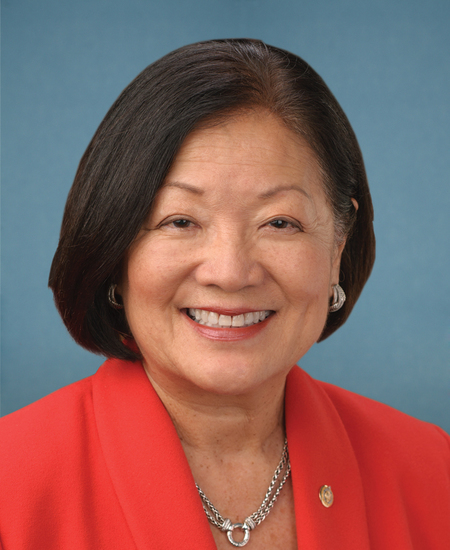
Mazie K. Hirono
Mazie K. Hirono Senate
D
Support
76% 223
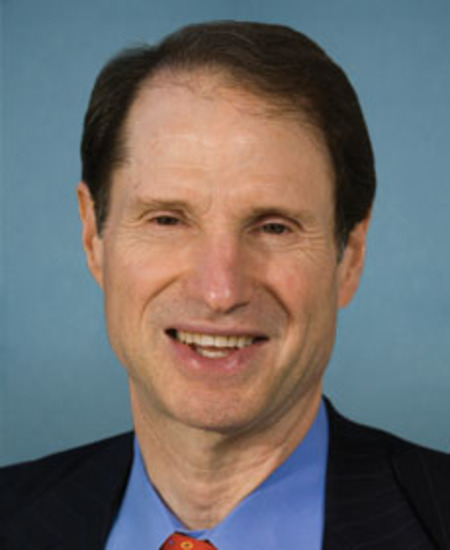
Ron Wyden
Ron Wyden Senate
D
Support
76% 223
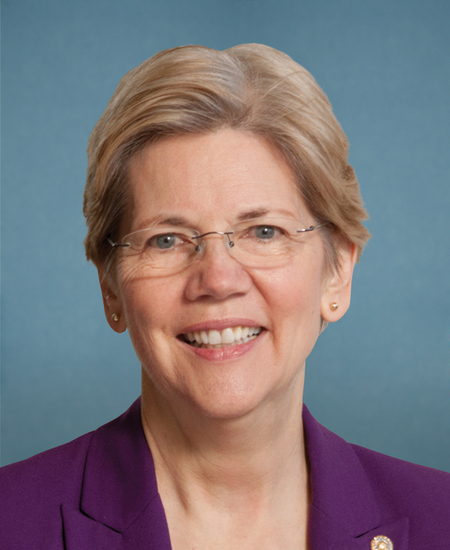
Elizabeth Warren
Elizabeth Warren Senate
D
Support
76% 223
Bill Hagerty
Bill Hagerty Senate
R
Strong −
13% 218
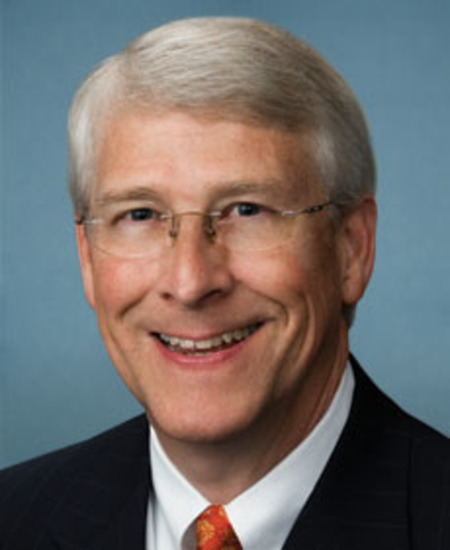
Roger F. Wicker
Roger F. Wicker Senate
R
Strong −
13% 220
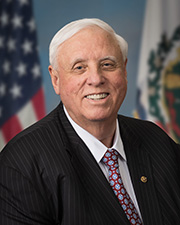
James C. Justice
James C. Justice Senate
R
Strong −
19% 216
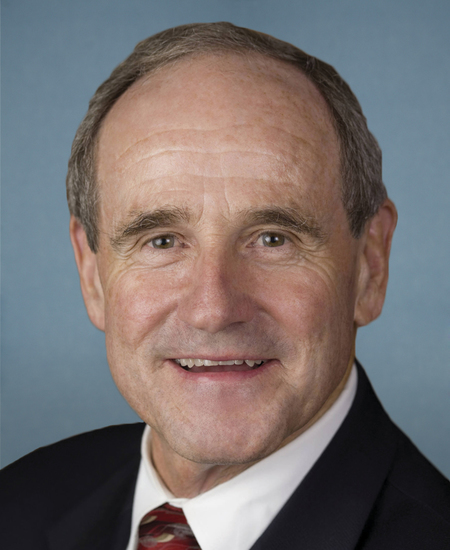
James E. Risch
James E. Risch Senate
R
Strong −
19% 221
Mitch McConnell
Mitch McConnell Senate
R
Strong −
19% 197
Showing 41–50 of 3,079 bills

All healthcare bills

in committee · United States · House Aug 27, 2026

HR 10161: MANNARINO Act

The MANNARINO Act requires states to ban the sale of scented or flavored nitrous oxide products and other non-exempt nitrous oxide items in order to receive certain federal public health grants. The law allows exemptions for nitrous oxide used in medical, veterinary, dental, food manufacturing, industrial, or automotive applications. If a state fails to implement these sales prohibitions, the Secretary of Health and Human Services can reduce its federal grant allotment by up to 10 percent. These requirements would take effect starting in the third fiscal year after the bill is enacted.
Sub-Topics Public Health
in committee · United States · House Aug 27, 2026

HR 10178: SHIELD Act

The SHIELD Act would prohibit local school districts that receive federal education funds from allowing organizations that provide abortions to distribute information about those services to students on school grounds or through the district's virtual platforms. This ban specifically covers sharing or reposting such materials on social media on behalf of outside abortion providers. The bill defines "abortion-related service" as any medical, surgical, or support care directly related to terminating a pregnancy.
in committee · United States · Senate Aug 8, 2026

S 5383: End Gas Station Heroin Act

The End Gas Station Heroin Act adds two specific kratom compounds, 7-hydroxymitragynine and mitragynine pseudoindoxyl, to the federal list of Schedule I controlled substances. However, it includes an exemption for these compounds when they occur naturally in finished kratom products that meet strict concentration limits, while explicitly excluding synthetically produced or chemically concentrated versions from this protection. The bill also creates a new enforcement mechanism that treats any emerging synthetic opioid with greater potency than morphine as a Schedule I controlled substance if it is manufactured or distributed for commercial sale. This provision targets the production and distribution of these substances but explicitly prohibits criminal or civil penalties for simple possession or personal use by consumers.
in committee · United States · House Sep 1, 2026

HRES 1506: Expressing support for the designation of September 2026 as "National Prostate Cancer Awareness Month".

This House resolution expresses support for designating September 2026 as National Prostate Cancer Awareness Month to highlight the disease's impact on men in the United States. It calls on the public, interest groups, and affected individuals to promote awareness of screening methods and participate in ceremonies observing the month. The text also urges steps to encourage research into prevention, early detection, and cures, while improving access to quality health care services for prostate cancer treatment.
in committee · United States · House Sep 3, 2026

HR 10278: REAL Sugar Act

The REAL Sugar Act would prohibit high fructose corn syrup in foods intended for human consumption by amending the Federal Food, Drug, and Cosmetic Act. This change directly affects food manufacturers and distributors who currently use this sweetener in their products. The prohibition is delayed, applying only to items introduced into interstate commerce two years after the law's enactment. Additionally, the Secretary of Health and Human Services must submit a report to Congress three years later detailing industry reformulation efforts and any necessary regulatory changes.
in committee · United States · House Sep 3, 2026

HR 10270: Supporting 9–8–8 Crisis Stabilization Act

The Supporting 9-8-8 Crisis Stabilization Act amends Medicaid rules to allow federal funding for specific community-based mental health facilities that were previously excluded from coverage. It defines two new types of eligible sites: crisis receiving and stabilization facilities, which must operate 24/7 with an average stay under 150 hours, and mental health and substance use urgent care centers where individuals can walk in without an appointment. These facilities are required to accept referrals from law enforcement and emergency personnel while prohibiting service denials based on factors like ability to pay or criminal justice history. The bill also directs the Department of Health and Human Services to issue implementation guidance within 180 days and submit a report to Congress one year later analyzing how these changes affect hospital admissions, incarceration rates, and overall crisis response utilization.
in committee · United States · House Sep 3, 2026

HR 10254: MORE Savings Act

The MORE Savings Act aims to reduce financial barriers for individuals seeking treatment for opioid use disorders by eliminating out-of-pocket costs for specific services. For Medicare beneficiaries, it establishes a five-year pilot program in 15 selected states that removes coinsurance, copayments, and deductibles for prescription drugs, behavioral health care, and community recovery support. Additionally, the bill mandates that private group health plans and individual insurance policies cover these same opioid treatments without cost-sharing requirements starting in 2027. Finally, it increases the federal funding match to 90 percent for states providing medication-assisted treatment through Medicaid and allows states to include recovery support services in this coverage.
in committee · United States · House Sep 3, 2026

HR 10240: Behavioral Health Crisis Services Expansion Act of 2026

The Behavioral Health Crisis Services Expansion Act of 2026 mandates that Medicare, Medicaid, and most private health insurance plans cover mental health and substance use crisis response services for individuals experiencing acute episodes. These covered services include care provided by mobile crisis teams, urgent care facilities, and stabilization centers that offer short-term observation without rejecting patients based on their ability to pay or other factors. The legislation also requires ambulance providers to transport individuals in crisis to appropriate facilities and extends coverage requirements to TRICARE, veterans' benefits, federal employee health plans, and the Children's Health Insurance Program. These new coverage mandates generally take effect three years after the bill is enacted, with specific provisions ensuring that financial restrictions on these services are no more severe than those applied to standard medical care.
in committee · United States · House Aug 27, 2026

HR 10160: Vet CENTERS for Mental Health Act of 2026

The Vet CENTERS for Mental Health Act of 2026 requires the Secretary of Veterans Affairs to ensure that every state meets a specific minimum number of mental health treatment centers within one year of enactment. For states in the contiguous United States, this minimum is calculated as the greater of one center per 30,000 square miles of land or one center per 55,000 veterans based on census data. Non-contiguous states and territories must maintain at least one center or match their existing count from January 1, 2020, whichever is higher. To achieve these targets, the Secretary may open new facilities using buildings provided by state, local, or tribal governments, and can establish outstations in place of full centers if multiple additional sites are needed in a single state.
in committee · United States · House Sep 2, 2026

HRES 1508: Supporting the goals and ideals of "National Clinical Nurse Specialist Week".

This House resolution supports the goals of National Clinical Nurse Specialist Week, which is observed during the first week of September. It formally recognizes the contributions of these advanced practice nurses to patient care, quality improvement, and workforce development across various healthcare settings. The bill encourages the public to observe the week through appropriate programs and activities. Additionally, it reaffirms the House's commitment to ensuring that Clinical Nurse Specialists are accurately classified in federal labor statistics and supported in health workforce planning.
Showing 41 to 50 of 3,079 bills
Previous 1 4 5 6 308 Next