Issue · Healthcare

Healthcare

Every healthcare bill, vote, and legislator stance in United States, automatically classified by Maddy, our AI policy reader.

Total bills
3,150
119th Congress
Top supporter
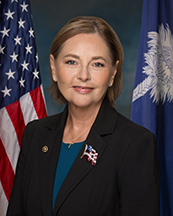
Darline Graham
100% support rate
Top opponent
Ashley Moody
18% support rate
Ranked legislators
10
5 support · 5 oppose
Key legislators

Who's moving healthcare in United States

Legislators moving healthcare in United States
Legislator Party Stance Support rate Decisive votes
Darline Graham
Darline Graham Senate
R
Strong +
100% 6
AA
Alan Armstrong Senate
R
Strong +
88% 8
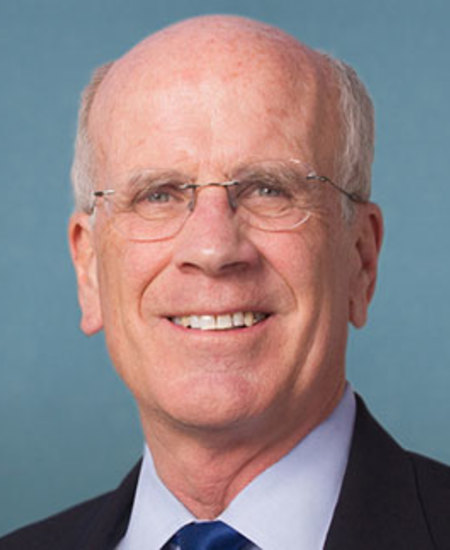
Peter Welch
Peter Welch Senate
D
Strong +
82% 22
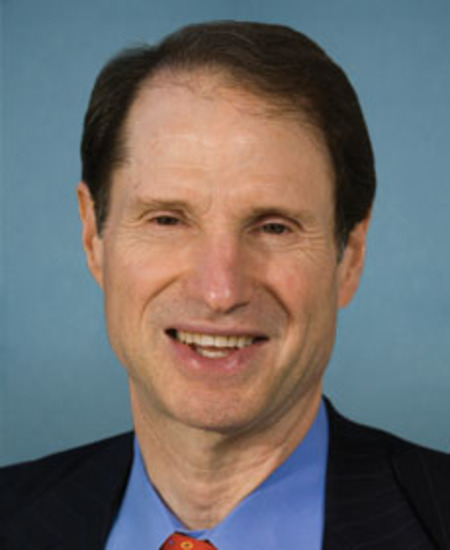
Ron Wyden
Ron Wyden Senate
D
Support
77% 22
Alex Padilla
Alex Padilla Senate
D
Support
76% 21
Ashley Moody
Ashley Moody Senate
R
Strong −
18% 22
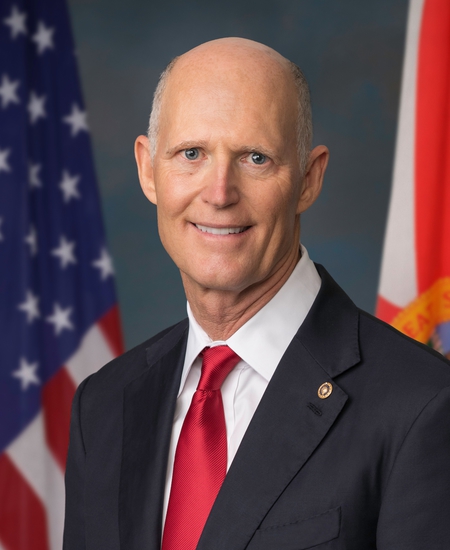
Rick Scott
Rick Scott Senate
R
Strong −
18% 22
Rand Paul
Rand Paul Senate
R
Oppose
23% 22
Brad Knott
Brad Knott House · District 13
R
Oppose
28% 18
Pat Harrigan
Pat Harrigan House · District 10
R
Oppose
28% 18
Showing 521–530 of 3,150 bills

All healthcare bills

in committee · United States · House May 15, 2026

HR 8852: Radiation Health Research Act

The Radiation Health Research Act directs the National Institutes of Health to create a program specifically studying the health effects of nuclear radiation on women. This initiative requires long-term monitoring of participants, including pregnant women and young girls, for at least ten years while ensuring their privacy is protected. The program must involve collaboration with various federal agencies and align with current scientific evidence. Additionally, the Director of NIH is required to submit annual reports to Congress detailing research findings, identifying knowledge gaps, and proposing strategies to minimize adverse health effects.
Sub-Topics Women's Health
in committee · United States · House May 21, 2026

HR 8986: Ensuring Rural Health Care Access for Military and Tribal Families Act

This bill allows rural hospitals serving military and tribal families to be designated as critical access hospitals even if they do not currently meet standard financial criteria. Starting in October 2026, facilities can qualify for this status if they serve at least three specific conditions, such as deriving a significant portion of their revenue from TRICARE-covered patients or being located on an Indian reservation. The legislation also permits these hospitals to establish psychiatric and rehabilitation units without being limited by the usual bed count restrictions. These changes aim to improve healthcare availability for service members, their dependents, and veterans living in rural areas by expanding the number of eligible facilities.
in committee · United States · House May 29, 2026

HRES 1325: Expressing support for May 2026 as "American Stroke Month" and encouraging all to learn the warning signs of stroke, understand their personal risk factors, and take action to improve stroke prevention, response, and recovery in our communities.

This resolution designates May 2026 as American Stroke Month to raise public awareness about stroke prevention and care. It encourages individuals to learn the B.E.F.A.S.T. warning signs, understand their personal risk factors, and take steps to improve community health outcomes. The bill does not change laws or allocate funding but serves as a symbolic expression of support for stroke education and recovery efforts.
Sub-Topics Substance Abuse
in committee · United States · House Apr 30, 2026

HR 8622: Medicare Physician Data-driven Performance Payment System Act of 2026

This bill rebrands the current Medicare payment system for physicians as the Data-driven Performance Payment System and updates how financial incentives are calculated starting in 2028. Under the new rules, doctors who meet performance standards will receive a 25% payment increase, while those below the standard will face a 25% decrease, with a lower penalty for those who cannot report data due to extraordinary circumstances. The legislation also creates a funding mechanism to provide lump-sum bonuses to small, under-resourced practices in rural or underserved areas when the overall system generates savings, ensuring these providers can invest in care improvements.
Sub-Topics Medicare
in committee · United States · House Mar 26, 2026

HR 8129: To amend title XVIII of the Social Security Act to establish a full risk ACO program.

This bill establishes a permanent full risk Accountable Care Organization (ACO) program within Medicare to allow groups of healthcare providers to coordinate care and assume financial responsibility for the costs of treating traditional Medicare beneficiaries. The program creates two specific tracks: a standard track for general patient populations and a complex care track designed for patients with six or more chronic conditions, each with different minimum patient enrollment requirements. Participating organizations would receive payments based on a fixed budget per patient rather than individual service fees, sharing any savings or losses with the government while being exempt from certain existing quality reporting requirements. Providers can form these groups through various arrangements, including partnerships between hospitals and individual practices, and must ensure patients have the option to opt out of the program.
Sub-Topics Medicare
in committee · United States · Senate Apr 30, 2026

SRES 709: A resolution supporting the goals and ideals of National Nurses Week, to be observed from May 6 through May 12, 2026.

This Senate resolution formally supports the goals and ideals of National Nurses Week, which is observed annually from May 6 to May 12, 2026. The measure recognizes the vital contributions of nurses to the healthcare system and encourages the public to acknowledge their role through ceremonies and activities during the designated week. While the bill does not create new laws or funding, it serves to honor the profession and highlight the importance of nursing in patient care and public health.
in committee · United States · House Apr 27, 2026

HR 8524: Kenya Merritt Renewing our PACT Act of 2026

This bill, titled the Kenya Merritt Renewing our PACT Act of 2026, establishes a legal presumption that specific diseases are caused by exposure to open burn pits and other toxic hazards for certain federal employees. It directly affects workers in departments such as Defense, State, and Homeland Security who spent at least 30 days in foreign contingency operations on or after August 2, 1990. Under the new rules, eligible employees can receive disability or death compensation for listed illnesses without needing to prove that the disease was recorded during their time of exposure. The Secretary of Labor is tasked with maintaining an updated list of covered diseases and submitting a progress report to Congress within one year of the law's enactment.
in committee · United States · House May 21, 2026

HR 9005: Rural Hospital Revitalization Act of 2026

The Rural Hospital Revitalization Act of 2026 provides zero-interest loans to specific rural hospitals for building new facilities or renovating existing ones. To qualify, a hospital must be located in a county with fewer than 20,000 people, be at least 35 miles from the nearest hospital, have operated for at least 30 years, and demonstrate financial stability. The loans are initially interest-free for five years and can be refinanced later at standard rates if the hospital's financial situation improves, or renewed once under strict conditions if the hospital struggles financially. Additionally, receiving hospitals become eligible for technical assistance grants designed to help improve their operations and financial health.
Sub-Topics Hospitals Tags Rural Communities
in committee · United States · Senate May 20, 2026

SRES 744: A resolution expressing support for designation of the month of May 2026 as "Osteoporosis Prevention and Awareness Month".

This Senate resolution formally designates May 2026 as "Osteoporosis Prevention and Awareness Month" to highlight the importance of bone health. The measure directly affects the U.S. Senate and aims to encourage public and professional attention toward preventing osteoporosis, a condition that weakens bones and increases fracture risk. By affirming its commitment to raising awareness and reducing the disease's impact, the resolution acknowledges the high prevalence of the condition and its significant health and economic costs. Additionally, the bill commends individuals and organizations across the country for their efforts in providing care and promoting bone health.
in committee · United States · House May 21, 2026

HR 8989: Evidence-Based Youth Suicide Prevention Act of 2026

The Evidence-Based Youth Suicide Prevention Act of 2026 directs the Secretary of Health and Human Services to fund demonstration programs that test suicide prevention strategies specifically in schools and other youth-serving settings. To ensure effectiveness, the bill requires that funded programs be supported by strong, moderate, or promising evidence from rigorous studies and mandates coordination with state and local educational agencies. Recipients must track various outcomes, including mental health safety, academic performance, and student engagement, while submitting annual reports to Congress on their findings. Funding is authorized for fiscal years 2027 through 2032 to support these evidence-based initiatives and innovative approaches that include rigorous evaluation plans.
Sub-Topics Mental Health
Showing 521 to 530 of 3,150 bills
Previous 1 … 52 53 54 … 315 Next