Issue · Healthcare

Healthcare

Every healthcare bill, vote, and legislator stance in United States, automatically classified by Maddy, our AI policy reader.

Total bills
3,150
119th Congress
Top supporter
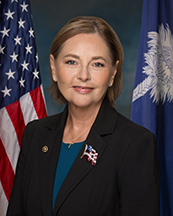
Darline Graham
100% support rate
Top opponent
Ashley Moody
18% support rate
Ranked legislators
10
5 support · 5 oppose
Key legislators

Who's moving healthcare in United States

Legislators moving healthcare in United States
Legislator Party Stance Support rate Decisive votes
Darline Graham
Darline Graham Senate
R
Strong +
100% 6
AA
Alan Armstrong Senate
R
Strong +
88% 8
Peter Welch
Peter Welch Senate
D
Strong +
82% 22
Ron Wyden
Ron Wyden Senate
D
Support
77% 22
Alex Padilla
Alex Padilla Senate
D
Support
76% 21
Ashley Moody
Ashley Moody Senate
R
Strong −
18% 22
Rick Scott
Rick Scott Senate
R
Strong −
18% 22
Rand Paul
Rand Paul Senate
R
Oppose
23% 22
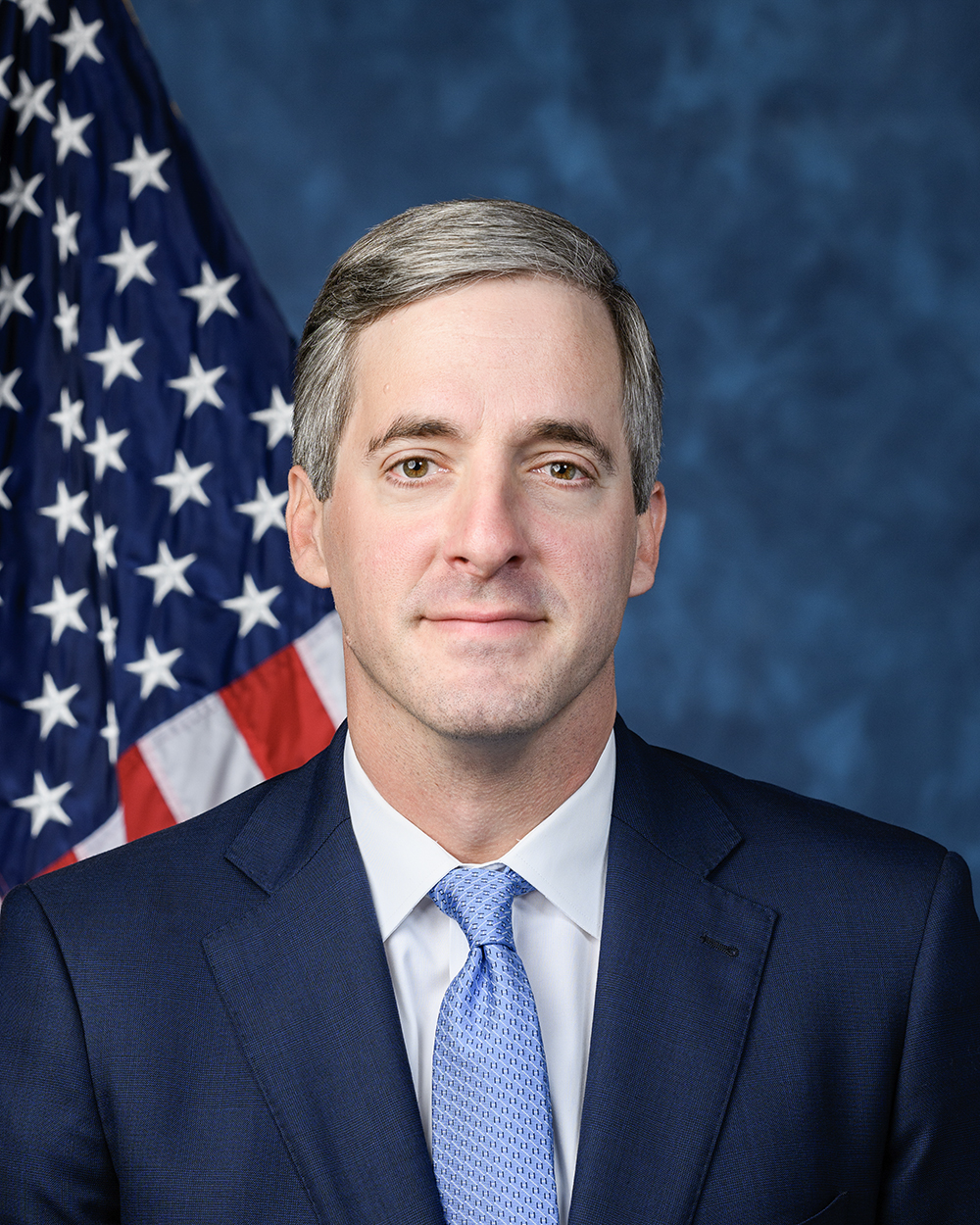
Brad Knott
Brad Knott House · District 13
R
Oppose
28% 18
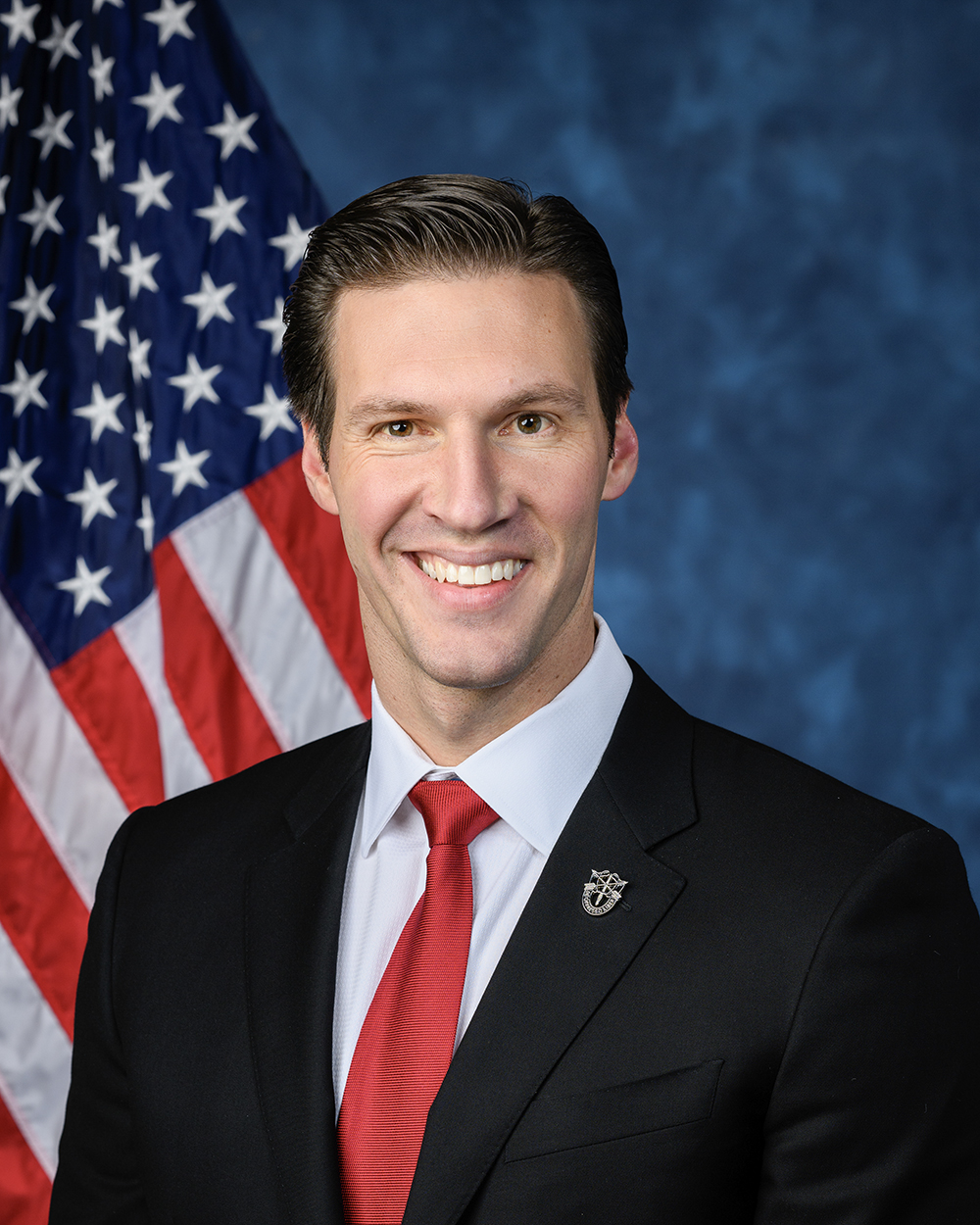
Pat Harrigan
Pat Harrigan House · District 10
R
Oppose
28% 18
Showing 2,741–2,750 of 3,150 bills

All healthcare bills

in committee · United States · Senate Sep 17, 2025

S 2830: WELL Seniors Act of 2025

The WELL Seniors Act of 2025 expands Medicare's annual wellness visit program to better address seniors' health and social needs. It requires screenings for fall risk and assessments of food security, housing, transportation, and social support, with providers receiving a 10% payment incentive for including at least two additional elements beyond standard care. The bill also allows these visits to be provided via telehealth and adds physical therapists, occupational therapists, and pharmacists as eligible providers starting in 2026. Additionally, it mandates a national education campaign and research study to improve uptake, particularly for low-income and rural seniors.
Sub-Topics Long-Term Care Medicare Telehealth Tags Seniors
in committee · United States · House Aug 1, 2025

HRES 629: Honoring the life of Dr. Paul Farmer by recognizing the duty of the Federal Government to adopt a 21st-century global health solidarity strategy and take actions to address past and ongoing harms that undermine the health and well-being of people around the world.

HRES 629 is a non-binding House resolution honoring Dr. Paul Farmer and calling for U.S. policy changes to address global health inequities. It directly affects low- and middle-income countries by urging the federal government to adopt a "21st-century global health solidarity strategy," including increasing U.S. global health funding to $125 billion annually (to meet the UN 0.7% GNI target) and supporting national health systems through Dr. Farmer’s "Five S’s" framework (staff, space, stuff, systems, social support). The resolution also mandates addressing systemic economic harms like debt, tax evasion, and colonial legacies through debt cancellation, tax reform, and reparations for historical injustices. It emphasizes concrete policy shifts rather than funding alone, requiring coordinated multilateral action to close health financing gaps and reform global governance institutions.
in committee · United States · House May 8, 2025

HR 3266: Mental Health Infrastructure Improvement Act of 2025

HR 3266, the Mental Health Infrastructure Improvement Act of 2025, provides federal loans and loan guarantees to help build or upgrade mental health and substance use disorder treatment facilities. It directly affects eligible entities like hospitals, clinics, and community facilities - especially those serving pediatric or adult patients in underserved rural areas or communities with insufficient psychiatric bed capacity. Key provisions include requiring borrowers to cover 25% of project costs, prioritizing projects that increase bed availability in high-need areas, and capping annual funding at $200 million (2026-2030). The bill establishes specific terms for loans, such as 20-year maximum terms and a 25% set-aside for pediatric facilities, to expand access to inpatient and outpatient care.
in committee · United States · Senate Feb 5, 2026

S 3783: Mental Health Career Promotion Act

The Mental Health Career Promotion Act (S 3783) creates a federal grant program to help schools and community colleges connect students with mental health career opportunities. It provides $50 million annually (2026-2030) for partnerships between schools, community colleges, and mental health providers to offer students career exposure through presentations, internships, mentorships, and shadowing. The program targets high school students (grades 9-12) and community college students, requiring activities to be culturally and linguistically appropriate. Grants must support concrete career pathways in mental health fields, including roles like counselors, social workers, and peer specialists, with annual reporting on program effectiveness.
in committee · United States · Senate Sep 16, 2025

S 2823: FAMILY Act

The FAMILY Act (S 2823) would establish a federal paid family and medical leave insurance program that provides wage replacement benefits for eligible workers who need time off for family or medical reasons. It directly affects workers who need leave to care for a family member with a serious health condition, address their own serious health condition, or deal with family violence or other qualifying acts of violence. The program would pay a percentage of an individual's average earnings (up to 85% for lower earners), with maximum monthly benefits of $4,000 and minimum benefits of $580 in 2026, while requiring employers to maintain health coverage during leave. The Social Security Administration would administer the program through a new Office of Paid Family and Medical Leave, with benefits available starting 18 months after enactment.
Sub-Topics Paid Leave
in committee · United States · Senate Aug 1, 2025

S 2645: DHS Suicide Prevention and Resiliency for Law Enforcement Act

This bill establishes a mandatory mental health and wellness program for all Department of Homeland Security (DHS) law enforcement officers and agents across components like U.S. Customs and Border Protection, ICE, TSA, and the Coast Guard. Key provisions require DHS to create a Peer-to-Peer Support Program Advisory Council, implement annual suicide prevention training for officers, improve access to confidential mental health resources, and reduce stigma through mandatory awareness campaigns. The law mandates confidential data collection on mental health and suicides to evaluate program effectiveness, while prohibiting the use of personally identifiable information for disciplinary purposes. DHS components must also develop family support services and ensure safeguards against adverse actions for personnel seeking mental health assistance.
Sub-Topics Mental Health
in committee · United States · Senate Apr 9, 2025

S 1390: Physician Led and Rural Access to Quality Care Act

This bill amends federal rules governing physician self-referral to improve access for rural hospitals. It creates a new exemption for "covered rural hospitals" (defined as rural facilities meeting specific criteria) from certain referral restrictions, while clarifying they aren't required to meet additional criteria. It also removes a prohibition on expanding existing physician-owned hospitals, allowing such expansions to begin immediately upon enactment. The changes directly affect rural hospitals qualifying under the new definition and physician-owned hospitals seeking to expand. The bill modifies existing Social Security Act provisions without creating new programs or funding.
Sub-Topics Hospitals
in committee · United States · House Feb 9, 2026

HR 7453: CLEAN Act

This bill denies tax credits for health insurance under the Affordable Care Act and Medicaid medical assistance to individuals convicted of sex offenses (as defined by the Adam Walsh Act). Specifically, it amends tax law to block refundable health care credits for sex offenders and adds a Medicaid provision allowing states to exclude sex offenders from receiving government-funded medical coverage. The policy directly affects sex offenders who would otherwise qualify for these federal benefits. The changes apply to tax years and Medicaid enrollments starting after the bill's enactment.
Sub-Topics Insurance Medicaid
in committee · United States · House Feb 5, 2026

HR 7394: Mental Health Career Promotion Act

HR 7394, the Mental Health Career Promotion Act, creates a federal grant program to help schools and community colleges connect students with mental health careers. It provides $50 million annually (2027-2031) for partnerships between schools, community colleges, and mental health providers to run programs like career presentations, internships, and professional shadowing for students in grades 9-12 or community college. These programs must be culturally appropriate and evaluated using standardized outcomes, with grantees reporting annually on effectiveness. The bill directly affects educational institutions and mental health organizations working to build pipelines for careers like counselors, social workers, and addiction specialists.
in committee · United States · House Jan 15, 2026

HR 6182: Find It Early Act

The Find It Early Act requires most health insurance plans, Medicare, Medicaid, TRICARE, and VA benefits to cover certain breast cancer screenings without cost-sharing for specific at-risk groups. It affects individuals at increased breast cancer risk (as determined by medical guidelines), those with dense breast tissue (as defined by the American College of Radiology), and others requiring screening due to factors like age, race, ethnicity, or family history. The bill mandates coverage for various screening methods including mammograms, ultrasounds, MRI, and other technologies at frequencies recommended by the National Comprehensive Cancer Network. This requirement takes effect for plan years beginning January 1, 2026, removing financial barriers to early detection.
Showing 2,741 to 2,750 of 3,150 bills