Issue · Healthcare

Healthcare

Every healthcare bill, vote, and legislator stance in United States, automatically classified by Maddy, our AI policy reader.

Total bills
3,150
119th Congress
Top supporter
Darline Graham
100% support rate
Top opponent
Ashley Moody
18% support rate
Ranked legislators
10
5 support · 5 oppose
Key legislators

Who's moving healthcare in United States

Legislators moving healthcare in United States
Legislator Party Stance Support rate Decisive votes
Darline Graham
Darline Graham Senate
R
Strong +
100% 6
AA
Alan Armstrong Senate
R
Strong +
88% 8
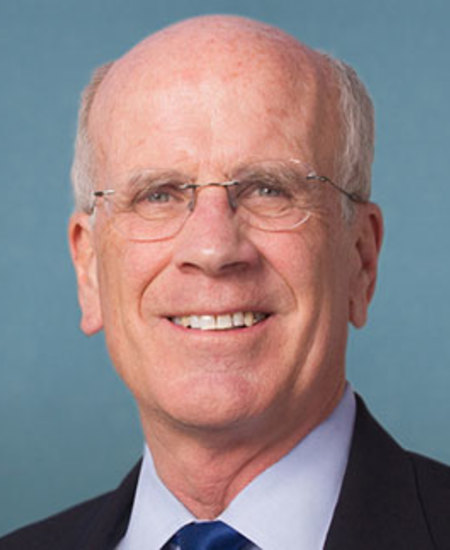
Peter Welch
Peter Welch Senate
D
Strong +
82% 22
Ron Wyden
Ron Wyden Senate
D
Support
77% 22
Alex Padilla
Alex Padilla Senate
D
Support
76% 21
Ashley Moody
Ashley Moody Senate
R
Strong −
18% 22
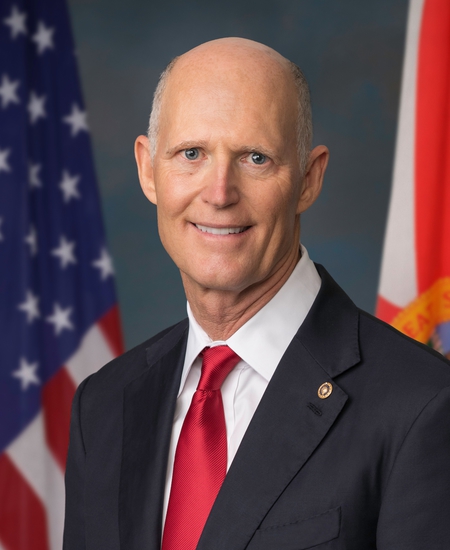
Rick Scott
Rick Scott Senate
R
Strong −
18% 22
Rand Paul
Rand Paul Senate
R
Oppose
23% 22
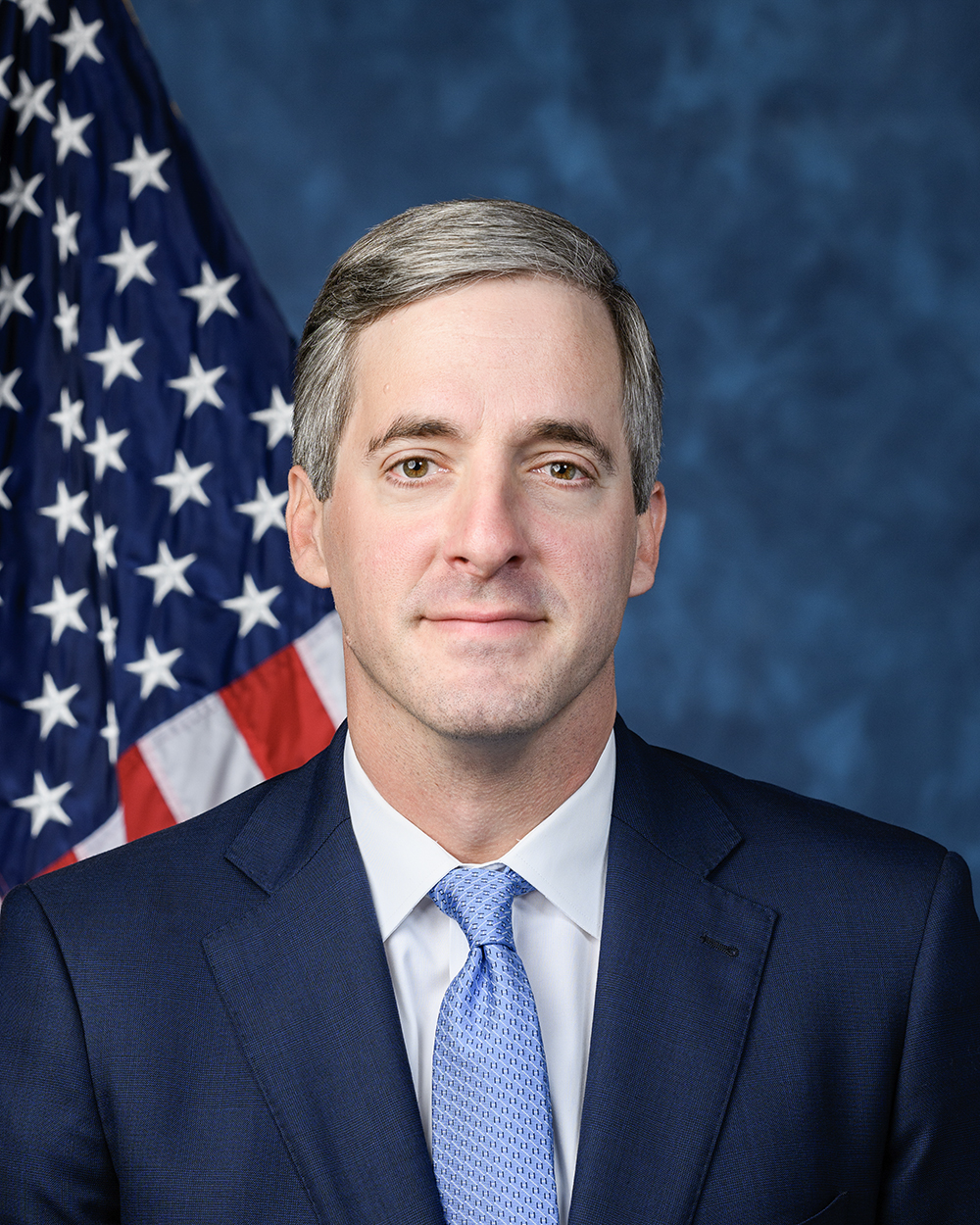
Brad Knott
Brad Knott House · District 13
R
Oppose
28% 18
Pat Harrigan
Pat Harrigan House · District 10
R
Oppose
28% 18
Showing 2,611–2,620 of 3,150 bills

All healthcare bills

in committee · United States · Senate Oct 23, 2025

S 3048: TREATS Act

The TREATS Act amends the Controlled Substances Act to allow telehealth evaluations as an alternative to in-person medical evaluations for prescribing certain controlled substances. Specifically, it permits one telehealth evaluation (conducted via real-time audio/video systems meeting Social Security Act standards) instead of an in-person visit when prescribing FDA-approved medications for substance use disorder treatment (schedules III-V). This directly affects healthcare providers who prescribe these medications, expanding their ability to use telehealth for initial patient assessments. The change maintains the requirement for at least one evaluation (either in-person or telehealth) while updating the process to include telehealth options for this specific treatment context.
in committee · United States · Senate Jun 11, 2025

S 2024: ENROLL Act of 2025

The ENROLL Act of 2025 amends the Affordable Care Act to strengthen the navigator program that helps people enroll in health insurance. It requires state and federal exchanges to award grants to navigators based on their capacity to provide services, not whether they cover non-qualified health plans, and mandates annual grants to community-focused nonprofits. Navigators must now provide information about Medicaid and CHIP programs in plain language and maintain physical presence in their states for in-person assistance. The bill allocates $100 million annually from health insurer user fees to fund federal exchange navigators starting in fiscal year 2026. These changes directly affect navigators, state/federal health insurance exchanges, and consumers seeking coverage.
in committee · United States · Senate Jan 16, 2025

S 131: PRECEPT Nurses Act

The PRECEPT Nurses Act creates a $2,000 annual tax credit for registered nurses who mentor nursing students or newly hired nurses (within their first six months of employment) in designated health professional shortage areas. To qualify, preceptors must complete at least 200 hours of mentoring annually, verified by certification from either the nursing school or clinical site. The credit applies to tax years beginning after December 31, 2025, and expires after 2032, requiring annual reports to Congress and an evaluation of its effectiveness by 2033.
in committee · United States · House Nov 20, 2025

HR 6166: Lowering Drug Costs for American Families Act

This bill expands Medicare's drug price negotiation program to cover 50 drugs (up from 20) and requires health insurers to apply negotiated prices to cost-sharing for beneficiaries. It establishes annual out-of-pocket cost-sharing limits for prescription drugs under group health plans and insurance coverage, with specific limits of $2,000 for self-only coverage in 2027 that will increase annually. The bill also sets specific cost-sharing limits for insulin products, requiring coverage with no deductible and cost-sharing of no more than $35 per 30-day supply or 25% of the negotiated price. These provisions affect Medicare beneficiaries, people with group health plans, and health insurers across the country. The bill applies to plan years beginning on or after January 1, 2027.
in committee · United States · House Nov 18, 2025

HR 6100: Health ACCESS Act

This bill regulates healthcare platforms that help patients find providers (like online appointment directories). It prohibits these platforms from steering patients toward specific providers based on payment, requiring full disclosure of financial ties between platforms and healthcare providers. Platforms must use objective criteria for listing providers, cannot offer medical services or collect patient data improperly, and must set fair, pre-agreed compensation rates. It directly affects health tech companies operating these platforms and healthcare providers using them to connect with patients.
Sub-Topics Telehealth
in committee · United States · House Jul 15, 2026

HR 3514: Improving Seniors’ Timely Access to Care Act of 2025

This bill requires Medicare Advantage plans to implement electronic pre-approval systems for medical services by 2028 and meet transparency reporting standards starting in 2027. Plans must publicly report data on approval/denial rates, appeal outcomes, response times, and technology use for pre-approval requests, including details on how denials relate to clinical criteria. It establishes a 24-hour response timeframe for certain requests and mandates annual reviews of pre-approval requirements based on data and input from seniors and providers. The law directly affects Medicare Advantage plans, seniors enrolled in these plans, and healthcare providers who submit pre-approval requests. These changes aim to make the pre-approval process faster, more transparent, and more accountable for seniors seeking covered medical services.
Sub-Topics Long-Term Care Medicare Tags Seniors
in committee · United States · House Feb 13, 2025

HR 1305: Improving Measurements for Loneliness and Isolation Act of 2025

HR 1305 establishes a federal working group under the Department of Health and Human Services to standardize how loneliness and isolation are measured across research and healthcare. The group, composed of senior health agency representatives and state officials from states with high and low mental health practitioner shortages, will develop consistent definitions and measurement tools by 2026. It aims to improve data quality for public health strategies, research, and healthcare planning, while ensuring tools can be used across different populations and settings. The working group must submit a report to Congress within one year of the bill’s enactment, and the initiative expires at the end of 2027. This affects federal health agencies, researchers, and healthcare providers who rely on standardized data to address social health challenges.
in committee · United States · Senate Mar 18, 2026

S 2309: Veteran Burial Timeliness and Death Certificate Accountability Act

This bill requires VA-employed physicians or nurse practitioners to sign a veteran's death certificate within 48 hours of learning of their death (for natural causes), addressing delays that have lasted up to eight weeks. It directly affects veterans' families and survivors who face blocked burial arrangements and delayed access to benefits due to these certification delays. The bill also mandates annual VA reports to Congress on compliance, including the percentage of timely certifications and reasons for delays. Key provisions focus on setting a clear 48-hour deadline for VA providers and creating transparency through mandatory reporting. It does not override state medical certification laws or require VA staff to violate their licensing requirements.
in committee · United States · Senate Nov 19, 2025

S 3209: NOPAIN for Veterans Act

S 3209, the NOPAIN for Veterans Act, requires the Department of Veterans Affairs (VA) to include non-opioid pain medications in its national formulary for veterans. The bill defines "non-opioid pain management drugs" as FDA-approved treatments for acute pain that don't use opioid receptors. The VA must add these drugs within one year of FDA approval or eligibility for payment under federal health programs, whichever comes first. This policy change directly affects veterans receiving VA pain management care by expanding access to non-opioid options, while prohibiting use of the Cost of War Toxic Exposures Fund to implement this provision.
passed · United States · Senate Jul 21, 2026

S 1041: Affordable Prescriptions for Patients Act

This bill limits how many patents brand-name drug companies can use to block generic versions of biological drugs (biologics). It caps the number of patents a brand company can assert in lawsuits against generic manufacturers at 20, with no more than 10 being patents issued after a specified date. Courts may allow more patents only in specific cases, such as if the generic company fails to provide required information or if there are material changes to the product. The law applies to new applications submitted after enactment and aims to reduce patent-related delays for cheaper generic biologics.
Sub-Topics Prescription Drugs
Showing 2,611 to 2,620 of 3,150 bills