Issue · Healthcare

Healthcare

Every healthcare bill, vote, and legislator stance in United States, automatically classified by Maddy, our AI policy reader.

Total bills
3,150
119th Congress
Top supporter
Darline Graham
100% support rate
Top opponent
Ashley Moody
18% support rate
Ranked legislators
10
5 support · 5 oppose
Key legislators

Who's moving healthcare in United States

Legislators moving healthcare in United States
Legislator Party Stance Support rate Decisive votes
Darline Graham
Darline Graham Senate
R
Strong +
100% 6
AA
Alan Armstrong Senate
R
Strong +
88% 8
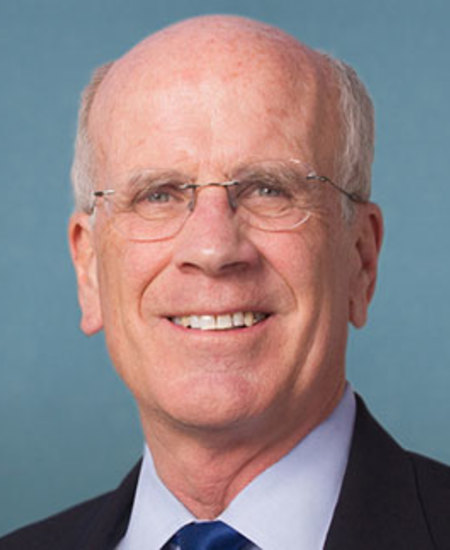
Peter Welch
Peter Welch Senate
D
Strong +
82% 22
Ron Wyden
Ron Wyden Senate
D
Support
77% 22
Alex Padilla
Alex Padilla Senate
D
Support
76% 21
Ashley Moody
Ashley Moody Senate
R
Strong −
18% 22
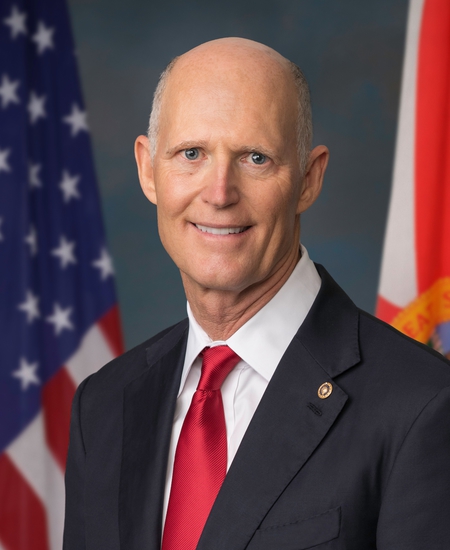
Rick Scott
Rick Scott Senate
R
Strong −
18% 22
Rand Paul
Rand Paul Senate
R
Oppose
23% 22
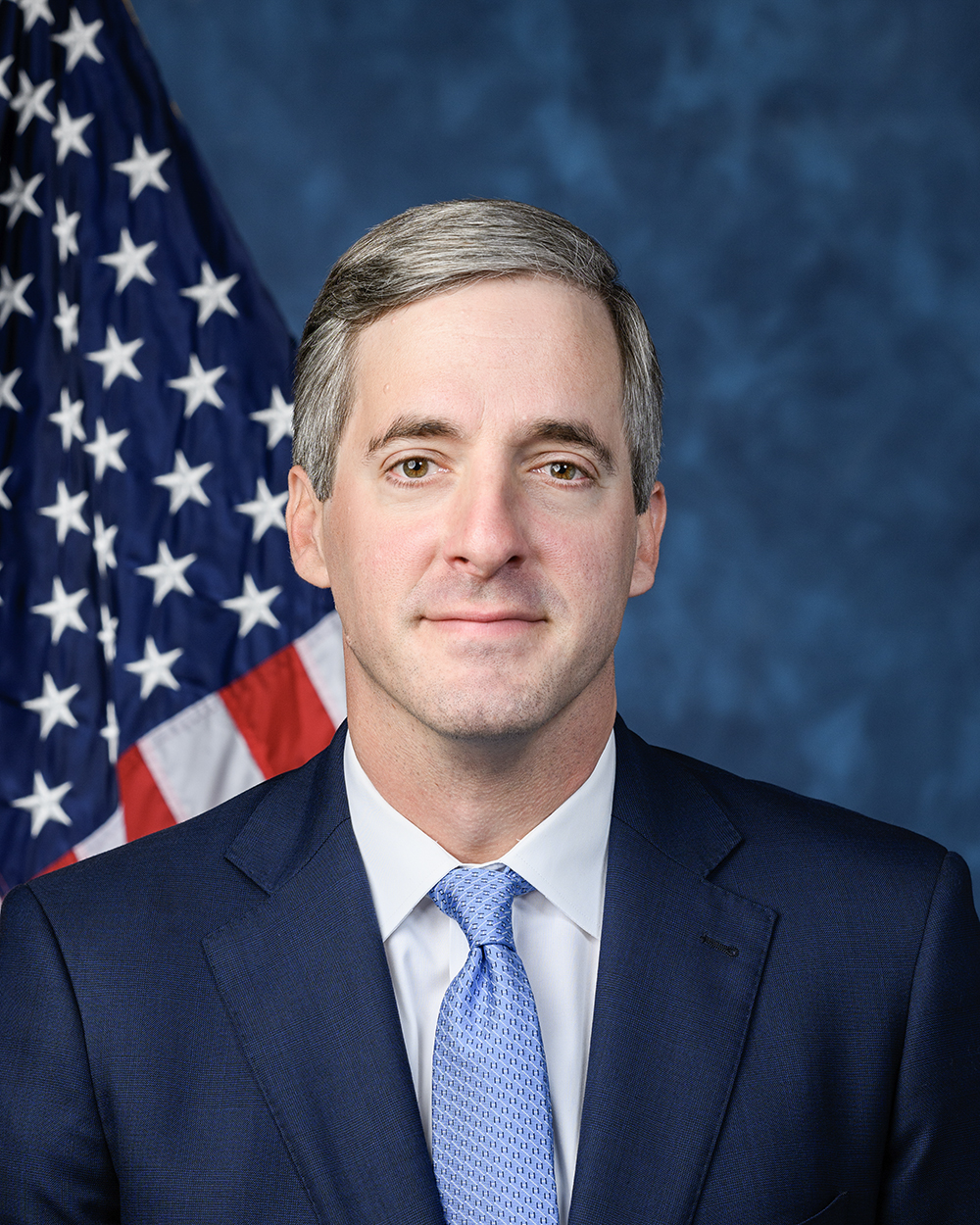
Brad Knott
Brad Knott House · District 13
R
Oppose
28% 18
Pat Harrigan
Pat Harrigan House · District 10
R
Oppose
28% 18
Showing 2,581–2,590 of 3,150 bills

All healthcare bills

in committee · United States · House Mar 11, 2025

HR 2044: Suicide Prevention Assistance Act

HR 2044, the Suicide Prevention Assistance Act, provides grants to primary care offices to implement suicide prevention services. The bill requires grantees to hire clinical social workers, screen patients for self-harm/suicide using new federal standards, provide short-term prevention services, and refer patients to long-term care facilities as needed. Grants are limited to $500,000 over two years, with a maximum of 10 total grants (one per state) awarded to primary care offices. Recipients must submit quarterly reports on patient screenings, services provided, and adherence to standards, with annual evaluations to Congress. The bill directly affects primary care offices participating in the grant program and their patients receiving these specific services.
in committee · United States · House Feb 10, 2025

HR 1157: ACCESS Act

This bill allows individuals enrolled in silver-level health plans through the Affordable Care Act marketplace to opt for health savings account (HSA) contributions instead of reduced cost-sharing subsidies. Insurers would deposit funds directly into the enrollee’s HSA (equal to the value of the standard cost-sharing reduction) rather than the government paying the subsidy. It requires insurers to offer high-deductible plan alternatives to silver plans and mandates public education about HSA options starting in 2026. The policy change applies to months beginning after December 2025, shifting how cost-sharing support is delivered to eligible enrollees.
Sub-Topics Insurance
in committee · United States · Senate Mar 18, 2026

S 3138: Veterans SPORT Act

This bill amends VA medical coverage to explicitly include adaptive prostheses and terminal devices designed for sports and recreational activities alongside standard artificial limbs. It directly affects eligible veterans using prosthetic devices who wish to participate in sports or recreational therapy. The key provision expands existing VA coverage under 38 U.S.C. §1701 to cover these specific adaptive devices without requiring separate authorization. This change ensures veterans can access equipment for recreational purposes through the VA's standard medical services. The bill does not create new benefits but clarifies and broadens existing coverage for a defined category of prosthetic devices.
in committee · United States · House Sep 8, 2025

HR 5217: Rural Behavioral Health Improvement Act of 2025

This bill amends the Social Security Act to remove an exclusion for rural facilities primarily treating mental health conditions from Medicare coverage. It specifically changes Section 1861(aa)(2) by deleting the phrase "or a facility which is primarily for the care and treatment of mental diseases," allowing these facilities to qualify for Medicare reimbursement. The change directly affects rural behavioral health centers specializing in mental health care that were previously excluded. The amendment takes effect on January 1, 2027, enabling these facilities to access federal Medicare funding for services.
in committee · United States · House May 1, 2025

HR 3154: Medicaid Improvement for Insular Areas Act of 2025

This bill removes a long-standing federal funding cap that restricted Medicaid spending in U.S. territories. It eliminates the funding limitation (referred to as "Section 1108(f)") for Puerto Rico, the U.S. Virgin Islands, Guam, the Northern Mariana Islands, and American Samoa, effective fiscal year 2025. The key change means these territories will no longer face a cap on federal Medicaid funds, allowing them to access full federal matching dollars for their Medicaid programs. This directly affects the Medicaid programs and residents of these five insular areas by enabling more flexible and potentially expanded coverage.
Sub-Topics Medicaid
in committee · United States · House Nov 21, 2025

HR 6255: Affordable Insulin Now Act

HR 6255, the Affordable Insulin Now Act, requires health insurance plans (including employer-sponsored and individual plans) to cover specific insulin products starting in 2026. It caps out-of-pocket costs for these insulin products at $35 per 30-day supply or 25% of the negotiated price, whichever is lower, with no deductibles applied. The bill defines "selected insulin products" to include at least one of each dosage form (like vials or pumps) and type (such as rapid-acting or long-acting) available from the plan. This directly affects people with diabetes who rely on insulin, ensuring more predictable and affordable access to essential medications under their health coverage.
in committee · United States · Senate Dec 11, 2025

S 3439: Connecting Caregivers to Medicare Act of 2025

This bill requires Medicare to simplify access for family caregivers to beneficiaries' health information. It mandates that Medicare create a new authorization form (CMS-10106) allowing beneficiaries to grant caregivers access to their personal health data via 1-800-MEDICARE. The law also directs Medicare to provide clear outreach through notices, websites, and provider channels, including multilingual materials and training for call center staff. It requires the Secretary to develop fraud protection best practices within one year and ensure all Medicare beneficiaries - regardless of plan type - can authorize caregiver access.
Sub-Topics Medicare
in committee · United States · Senate Nov 20, 2025

S 3235: DINE Act

This bill amends the Older Americans Act to integrate "food is medicine" programs into existing nutrition services for older adults. It adds specific references to produce prescriptions, medically tailored meals, and community-based food programs in eligibility screening, caregiver support, and nutrition counseling. The key change requires programs to include referrals to these food-based interventions as part of standard service delivery. This directly affects older Americans receiving nutrition services under the Older Americans Act by expanding available support options through existing federal and community programs.
in committee · United States · Senate Jul 24, 2025

S 2426: Equitable Community Access to Pharmacist Services Act

This bill expands Medicare Part B coverage to include specific pharmacist services, directly affecting Medicare beneficiaries and pharmacists who provide these services. It defines "pharmacist services" as evaluations and treatments for illnesses like COVID-19, flu, RSV, or strep throat, or services addressing public health emergencies, requiring collaboration with physicians as state law permits. Medicare would pay 80% of the lower of the actual charge or 85% of the physician payment rate (100% for public health emergencies), and prohibits balance billing for these services. The changes take effect January 1, 2026.
in committee · United States · House Feb 7, 2025

HR 1140: Direct Medical Care Freedom Act of 2025

This bill redefines certain medical care arrangements for tax purposes. It creates a new category called "direct medical care service arrangements," which are fixed-fee payments (like a monthly subscription) for primary or specialty care directly from doctors, nurse practitioners, or physician assistants - bypassing traditional insurance. These arrangements will no longer be treated as "health plans" under tax law, and their fees will qualify as deductible medical expenses. Employers must also report these fees on employees' W-2 forms. The changes apply to tax years starting after December 2024.
Showing 2,581 to 2,590 of 3,150 bills