Issue · Healthcare

Healthcare

Every healthcare bill, vote, and legislator stance in United States, automatically classified by Maddy, our AI policy reader.

Total bills
3,150
119th Congress
Top supporter
Darline Graham
100% support rate
Top opponent
Ashley Moody
18% support rate
Ranked legislators
10
5 support · 5 oppose
Key legislators

Who's moving healthcare in United States

Legislators moving healthcare in United States
Legislator Party Stance Support rate Decisive votes
Darline Graham
Darline Graham Senate
R
Strong +
100% 6
AA
Alan Armstrong Senate
R
Strong +
88% 8
Peter Welch
Peter Welch Senate
D
Strong +
82% 22
Ron Wyden
Ron Wyden Senate
D
Support
77% 22
Alex Padilla
Alex Padilla Senate
D
Support
76% 21
Ashley Moody
Ashley Moody Senate
R
Strong −
18% 22
Rick Scott
Rick Scott Senate
R
Strong −
18% 22
Rand Paul
Rand Paul Senate
R
Oppose
23% 22
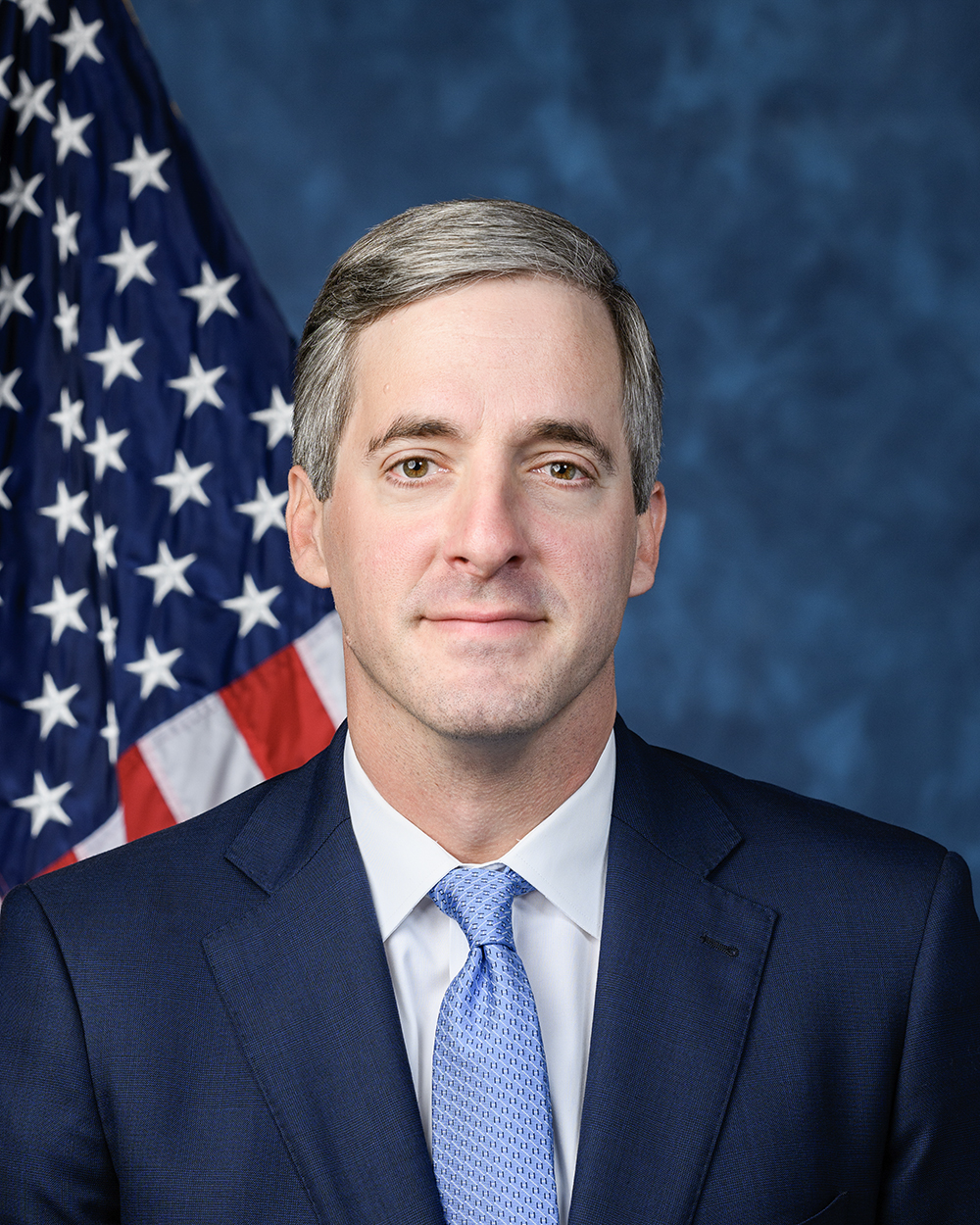
Brad Knott
Brad Knott House · District 13
R
Oppose
28% 18
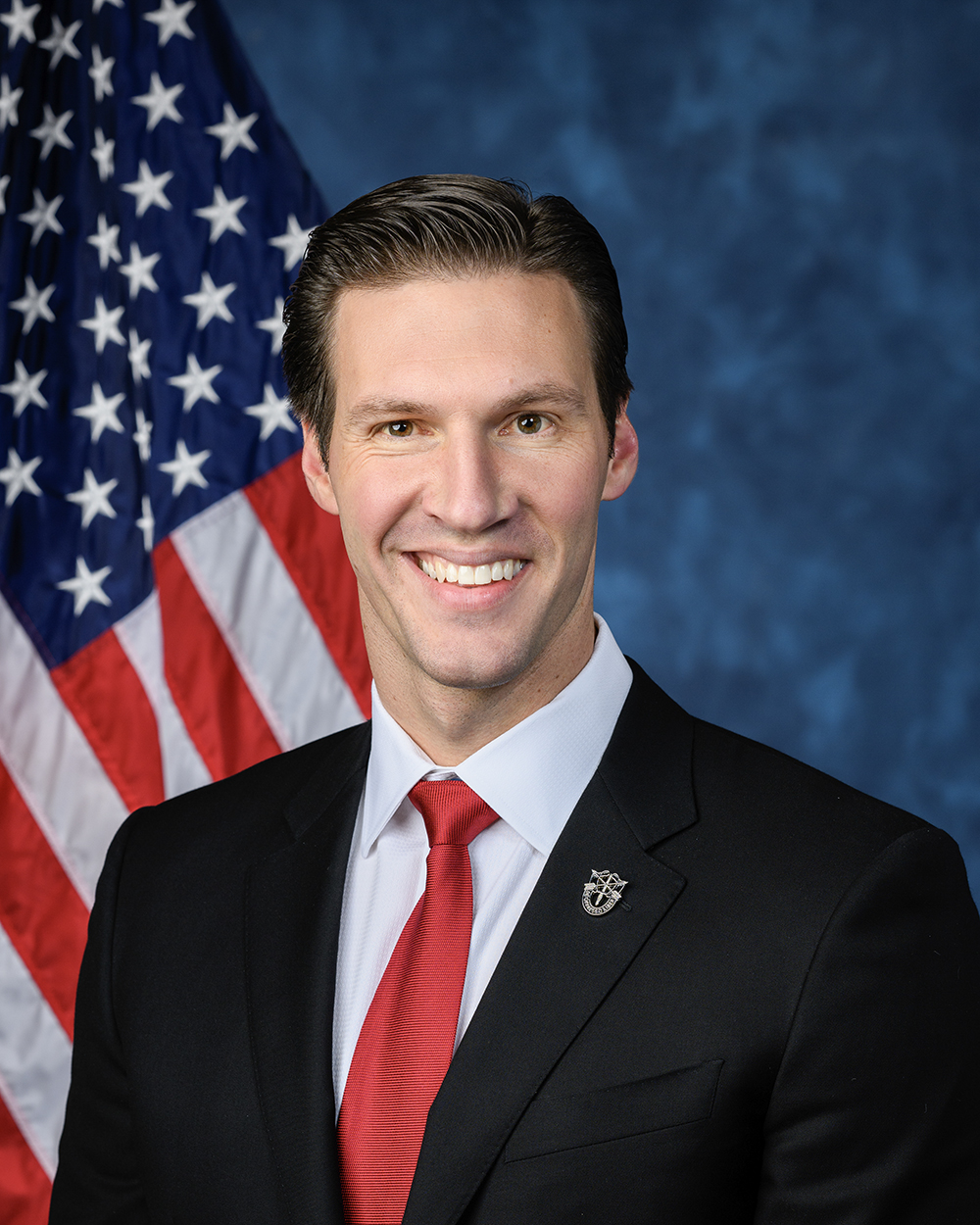
Pat Harrigan
Pat Harrigan House · District 10
R
Oppose
28% 18
Showing 2,571–2,580 of 3,150 bills

All healthcare bills

in committee · United States · Senate Jun 12, 2025

S 2062: RAPID Reserve Act

This bill establishes a federal program requiring drug manufacturers to maintain 6-month reserves of critical medications and their active ingredients. Eligible entities (like manufacturers or distributors meeting quality and domestic manufacturing criteria) must stockpile these reserves in U.S. or OECD-registered facilities and regularly replenish them. The program includes emergency provisions allowing the Secretary to redirect reserves during public health crises, shortages, or threats like bioterrorism. It prioritizes domestic production and aims to strengthen supply chain resilience for drugs deemed critical due to vulnerable manufacturing or shortage risks.
Sub-Topics Public Health
in committee · United States · Senate Jul 24, 2025

S 2446: Mental Health for Latinos Act of 2025

The Mental Health for Latinos Act of 2025 requires the Health and Human Services Secretary to develop and implement a culturally tailored mental health outreach strategy for Hispanic and Latino communities. This strategy must address diverse cultural and language needs, reduce stigma, provide evidence-based treatments adapted to these communities, and involve community members in its design. The bill mandates annual reports to Congress on the strategy's effectiveness in improving mental health outcomes and authorizes $1 million in funding for fiscal year 2026. It directly affects Hispanic and Latino populations by targeting barriers to accessing culturally appropriate mental health care.
Sub-Topics Mental Health
in committee · United States · Senate Jan 28, 2025

S 276: Personalized Care Act of 2025

The Personalized Care Act of 2025 expands Health Savings Account (HSA) eligibility to include more types of health coverage, such as health care sharing ministries and certain government programs (like Medicaid, Medicare, and TRICARE). It significantly increases annual HSA contribution limits - from $2,250/$4,500 to $10,800/$29,500 for individuals/families - and allows HSA funds to pay for health plan premiums and medical care service arrangements (like fixed-fee physician contracts). The bill also explicitly treats health care sharing ministry fees as qualified medical expenses, removing barriers for members of these alternative coverage groups. These changes apply to taxable years beginning after December 31, 2025.
in committee · United States · Senate Nov 19, 2025

S 3223: Hospital Adoption Education Act of 2025

The Hospital Adoption Education Act of 2025 requires the U.S. Department of Health and Human Services to develop and distribute accessible resources - such as digital tools and print materials - to help hospital staff understand adoption sensitivities and interact appropriately with prospective birth mothers and adoptive families. It mandates that the Secretary create an online resource hub for healthcare workers and establish a committee of adoption experts, including maternal health and child welfare professionals, to guide this effort. The bill also funds grants to nonprofit organizations providing non-directive adoption education to hospital staff, prohibiting entities tied to child-placing agencies or abortion services from receiving these funds. Finally, it requires a congressional report within three years assessing how many hospitals adopt the training and how many staff complete it.
in committee · United States · Senate Jun 28, 2025

S 2203: Break the Cycle of Violence Act

The Break the Cycle of Violence Act establishes federal grants to fund community-based violence intervention programs that aim to reduce gun violence through evidence-based strategies. It creates a National Community Violence Response Center to coordinate efforts and provide technical assistance, while directing funding to communities disproportionately affected by violence, particularly those with high homicide rates. The bill includes provisions for hospital-based violence intervention programs, trauma-informed services, and job training programs for opportunity youth (ages 16-25 not in education or employment) to address root causes of violence. Funding for these programs totals $300 million in 2026, increasing to $700 million annually through 2033 for the Department of Health and Human Services, plus $1.5 billion for job training programs through the Department of Labor.
in committee · United States · House Feb 13, 2026

HR 7569: Punishing Health Care Fraudsters Act

This bill increases penalties for healthcare fraud involving federal programs like Medicare and Medicaid. It raises maximum prison sentences under federal law from 10 to 25 years and 20 to 30 years, and increases fines from $100,000 to $250,000 for violations of the Social Security Act. The law directly affects individuals or entities committing fraud against federal health programs, such as billing for unnecessary services or stealing patient data. Key provisions amend existing criminal penalties and require the U.S. Sentencing Commission to update guidelines to better reflect the severity of these offenses.
in committee · United States · House Jan 24, 2025

HR 719: No Abortion Coverage for Medicaid Act

HR 719, the "No Abortion Coverage for Medicaid Act," would prohibit federal Medicaid funds from covering abortions under any Medicaid demonstration projects or waivers, with limited exceptions. It specifically blocks federal financial assistance for abortion services or related expenses (like travel) in Medicaid programs, except in cases of rape or incest, life-threatening pregnancy conditions, or treatment for miscarriage or ectopic pregnancy. This bill directly affects Medicaid recipients in states participating in federal demonstration projects, preventing them from using Medicaid funds for abortion services except under the narrow exceptions listed. The bill aims to permanently align Medicaid funding with the longstanding Hyde Amendment restrictions.
in committee · United States · House Nov 20, 2025

HRES 903: Expressing support for the designation of November as "Complex Regional Pain Syndrome and Reflex Sympathetic Dystrophy Syndrome Awareness Month".

HRES 903 is a non-binding House resolution designating November as "Complex Regional Pain Syndrome and Reflex Sympathetic Dystrophy Syndrome Awareness Month." It expresses support for raising public awareness about CRPS/RSD, a rare condition causing chronic limb pain, swelling, and disability without a cure or single diagnostic test. The resolution highlights the need for earlier diagnosis, improved treatment access, and research advancement for this condition, which disproportionately affects women. It does not create new laws or allocate funding but aims to support patients and drive medical progress through heightened visibility.
in committee · United States · Senate May 22, 2025

S 1897: A bill to amend the Omnibus Crime Control and Safe Streets Act of 1968 to establish the Adverse Childhood Experiences Response Team grant program, and for other purposes.

This bill creates a federal grant program to help communities address adverse childhood experiences (ACEs), such as exposure to trauma or violence, affecting children. It provides $10 million annually (2026-2029) for grants to states, local governments, tribes, and community organizations to establish "Adverse Childhood Experiences Response Teams." These teams would develop protocols for trauma-informed care, build partnerships with mental health providers, integrate law enforcement with crisis services, and train first responders - focusing on preventing harm and improving access to support for affected children. The program directly supports communities working to mitigate trauma impacts through coordinated, cross-system collaboration.
in committee · United States · House Sep 16, 2025

HR 5377: Rural Health Training Opportunities Act

This bill prioritizes rural health workforce development by requiring federal grants for training programs to give preference to projects serving rural communities (where participants live, projects are held, or employer partners are located). It mandates that all funded projects include a transportation assistance plan, offering referrals to subsidized programs or direct payments for transit or vehicle costs when public transit isn't accessible. The bill also requires annual reports to Congress assessing how effectively these programs address rural health workforce shortages. These changes aim to improve access to health careers in underserved rural areas starting October 1, 2025.
Sub-Topics Healthcare Workforce Primary Care Public Transit Tags Rural Communities
Showing 2,571 to 2,580 of 3,150 bills