Issue · Healthcare

Healthcare

Every healthcare bill, vote, and legislator stance in United States, automatically classified by Maddy, our AI policy reader.

Total bills
3,150
119th Congress
Top supporter
Darline Graham
100% support rate
Top opponent
Ashley Moody
18% support rate
Ranked legislators
10
5 support · 5 oppose
Key legislators

Who's moving healthcare in United States

Legislators moving healthcare in United States
Legislator Party Stance Support rate Decisive votes
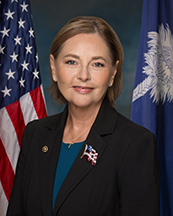
Darline Graham
Darline Graham Senate
R
Strong +
100% 6
AA
Alan Armstrong Senate
R
Strong +
88% 8
Peter Welch
Peter Welch Senate
D
Strong +
82% 22
Ron Wyden
Ron Wyden Senate
D
Support
77% 22
Alex Padilla
Alex Padilla Senate
D
Support
76% 21
Ashley Moody
Ashley Moody Senate
R
Strong −
18% 22
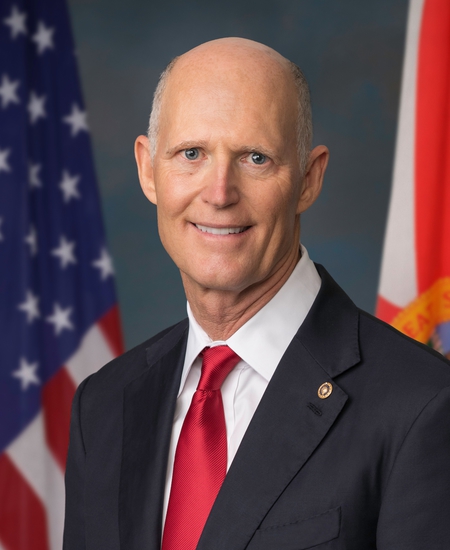
Rick Scott
Rick Scott Senate
R
Strong −
18% 22
Rand Paul
Rand Paul Senate
R
Oppose
23% 22
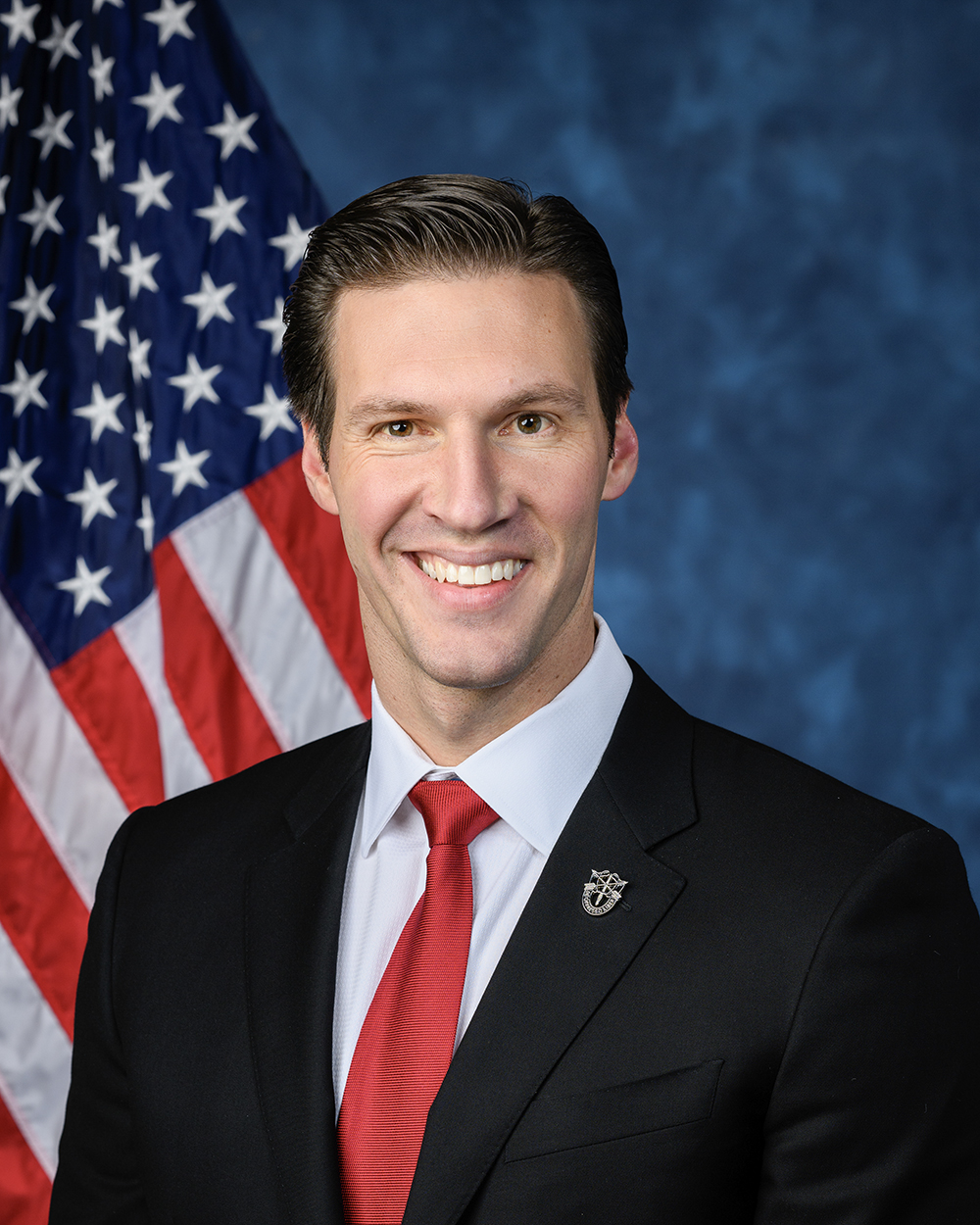
Brad Knott
Brad Knott House · District 13
R
Oppose
28% 18
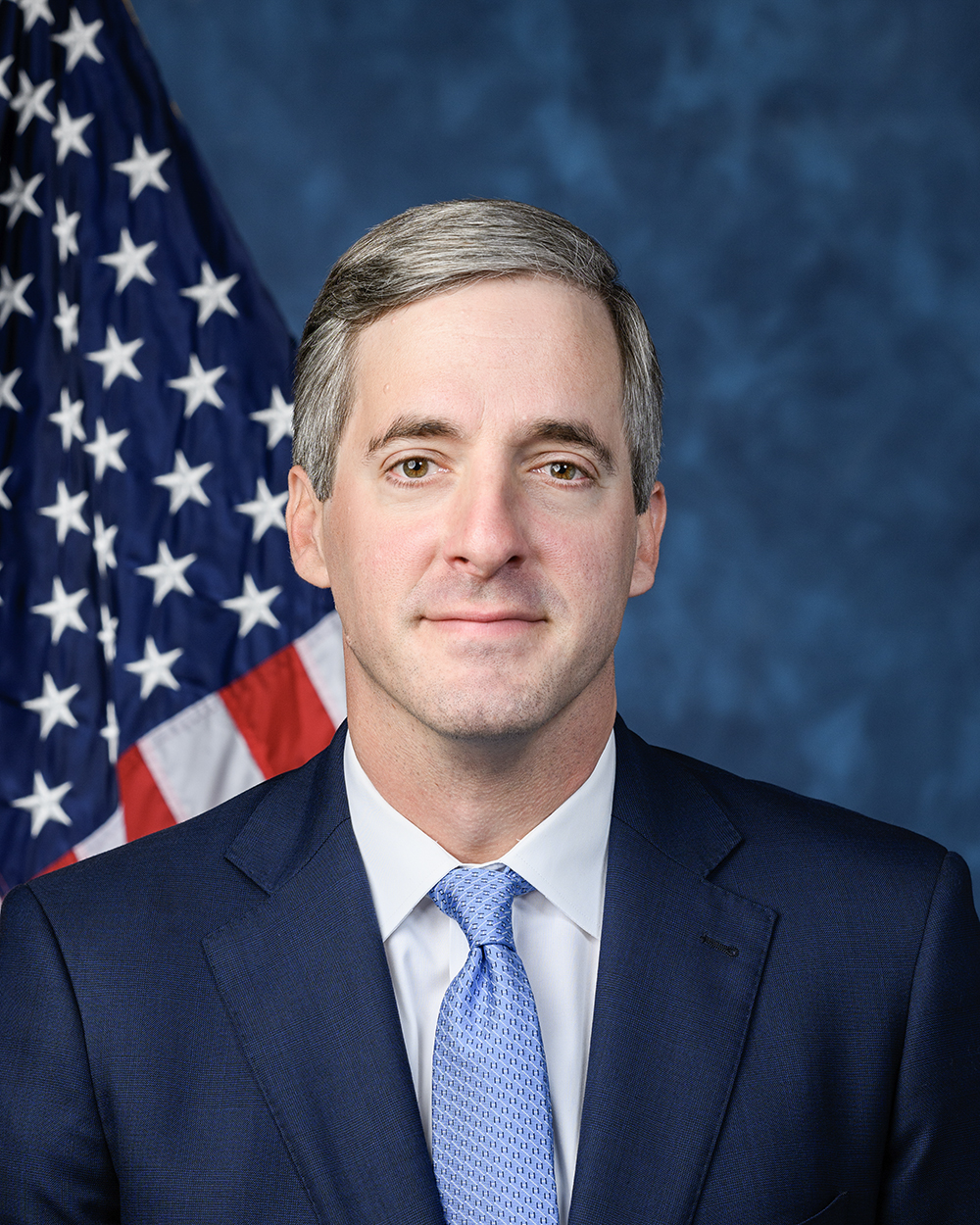
Pat Harrigan
Pat Harrigan House · District 10
R
Oppose
28% 18
Showing 2,491–2,500 of 3,150 bills

All healthcare bills

in committee · United States · Senate Feb 5, 2026

S 3797: Prohibiting Tianeptine and Other Dangerous Products Act of 2026

This bill amends the Federal Food, Drug, and Cosmetic Act to add two new prohibitions for dietary supplements. It bans introducing into interstate commerce any product marketed as a dietary supplement that doesn't meet the legal definition (Section 201(ff)), and prohibits supplements prepared, packed, or held using a person banned from the industry (Section 306). These changes update import restrictions (Section 801) and seizure authorities (Section 304) to include violations of these new prohibitions. The law directly affects dietary supplement manufacturers, distributors, and sellers who handle products meeting these specific criteria.
in committee · United States · Senate Jul 24, 2025

S 2466: Senior Savings Protection Act

This bill extends and increases federal funding for programs supporting seniors, specifically targeting low-income older adults. It allocates $15 million annually (fiscal years 2026-2030) for State Health Insurance Assistance Programs and Area Agencies on Aging, $5 million for Aging and Disability Resource Centers, and $15 million for coordinating benefits outreach. These funds directly support existing services that help seniors navigate health insurance, access benefits, and receive assistance with program enrollment. The bill makes no changes to eligibility or program structure, solely adding specified funding levels to current federal programs.
Sub-Topics Insurance Tags Seniors
in committee · United States · Senate Jul 28, 2025

S 2482: TRICARE Travel Improvement Act

This bill changes travel reimbursement rules for military healthcare. It reduces the distance threshold for most beneficiaries from 100 miles to 50 miles when traveling for specialty care, making reimbursement more accessible for service members and their families living farther from care facilities. However, it maintains a 100-mile threshold specifically for military retirees and their dependents under new provisions. These adjustments directly affect individuals using TRICARE for specialty care travel expenses.
in committee · United States · Senate Jun 26, 2025

S 2189: Equal Access to Reproductive Care Act

This bill amends the tax code to allow taxpayers to deduct certain assisted reproductive expenses as medical costs. It defines "assisted reproduction" to include services like in vitro fertilization, egg/sperm donation, and surrogacy (both traditional and gestational). Taxpayers can claim these expenses as medical deductions if they intend to take legal custody of children born through these methods. The change applies to tax years starting after the bill's enactment, directly affecting individuals using these reproductive services who file federal tax returns.
in committee · United States · House Jun 30, 2025

HR 4269: Ensuring Outpatient Quality for Rural States Act

This bill adjusts Medicare payments for hospital outpatient services in Alaska and Hawaii starting in 2026. It allows the Medicare Secretary to apply a special cost-of-living adjustment to non-labor costs (like supplies and equipment) for these hospitals, similar to adjustments used for other providers. The change specifically addresses the higher operating costs unique to Alaska and Hawaii, without requiring budget neutrality. It directly affects Medicare reimbursement for outpatient departments in those two states.
Sub-Topics Hospitals Medicare
in committee · United States · House Feb 6, 2025

HRES 119: Declaring racism a public health crisis.

HRES 119, introduced in the U.S. House of Representatives on February 6, 2025, declares racism a public health crisis. This non-binding resolution recognizes documented health disparities affecting racial and ethnic minorities - including higher infant mortality, chronic disease rates, and barriers to care - based on data from public health experts. It calls for coordinated government action to address systemic inequities but does not create new laws or allocate funding. The resolution aligns with existing CDC acknowledgment that racism meets public health crisis criteria.
Sub-Topics Public Health
in committee · United States · House Sep 16, 2025

HR 5382: Health CARE Training Act

HR 5382, the Health CARE Training Act, requires health profession opportunity grant programs to provide participants with training hours matching their state's certification standards (or a comparable amount if no standard exists). It directly affects individuals training for healthcare jobs through these federal grant programs. The bill's key provision excludes cash stipends and emergency assistance paid under these programs from federal income tax, meaning recipients won’t pay taxes on these payments. The training requirement and tax exclusion both take effect on October 1, 2025.
Sub-Topics Income Tax
in committee · United States · House May 6, 2025

HR 3222: SMART Health Care Act

HR 3222, the SMART Health Care Act, aims to improve Medicare efficiency and affordability. It requires Medicare Advantage plans to use two years of diagnostic data for risk adjustment starting in 2026, affecting how these plans are funded. The bill also implements site-neutral payments for outpatient services (ending exceptions after 2025) and mandates that covered entities provide Medicare patients with drugs at the purchase price minus discounts, with public reporting of pricing data. These changes directly impact Medicare Advantage insurers, hospitals, outpatient departments, and drug providers, focusing on cost control and transparency.
in committee · United States · Senate Dec 10, 2025

S 3422: Federal Food Administration Act of 2025

The Federal Food Administration Act of 2025 creates a new agency within the Department of Health and Human Services to oversee food safety and regulation, replacing the Food and Drug Administration's (FDA) current food-related responsibilities. The Federal Food Administration will conduct risk-based inspections of food facilities - requiring annual checks for high-risk facilities, biennial checks for intermediate-risk, and triennial checks for low-risk facilities (with infant formula manufacturers inspected every six months). It will assume all FDA food regulatory functions, including the Human Foods Program and Office of Inspections, and must consult with industry stakeholders and scientific experts. The agency will be led by a Commissioner of Foods appointed by the President with Senate approval, effective within one year of the bill's enactment.
passed · United States · Senate May 12, 2026

S 3199: 988 Lifeline Location Improvement Act of 2026

This bill establishes a federal advisory committee to study challenges in transmitting geolocation and dispatchable location information with 988 Suicide and Crisis Lifeline calls. The committee, formed by the FCC and HHS within 180 days, will include representatives from telecom providers, crisis centers, mental health organizations, and local governments (with specific representation for rural communities and low-population states). It will examine privacy, technical standards, and funding needs before making recommendations for legislation. The committee must submit a report to Congress within one year. This is a procedural study bill, not a direct policy change, and it requires no new funding.
Sub-Topics Mental Health
Showing 2,491 to 2,500 of 3,150 bills