Issue · Healthcare

Healthcare

Every healthcare bill, vote, and legislator stance in United States, automatically classified by Maddy, our AI policy reader.

Total bills
3,150
119th Congress
Top supporter
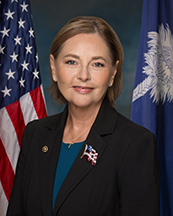
Darline Graham
82% support rate
Top opponent
Rick Scott
19% support rate
Ranked legislators
10
5 support · 5 oppose
Key legislators

Who's moving healthcare in United States

Legislators moving healthcare in United States
Legislator Party Stance Support rate Decisive votes
Darline Graham
Darline Graham Senate
R
Strong +
82% 11
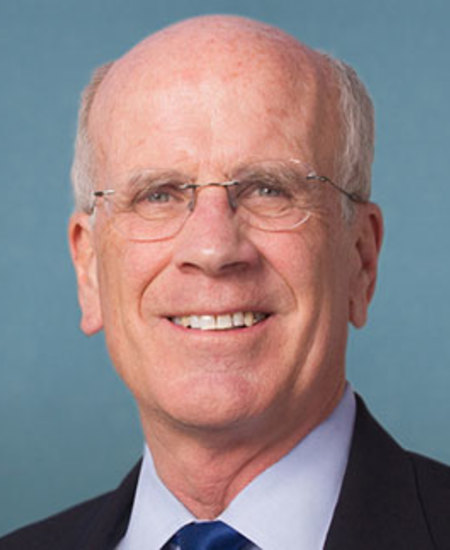
Peter Welch
Peter Welch Senate
D
Strong +
81% 27
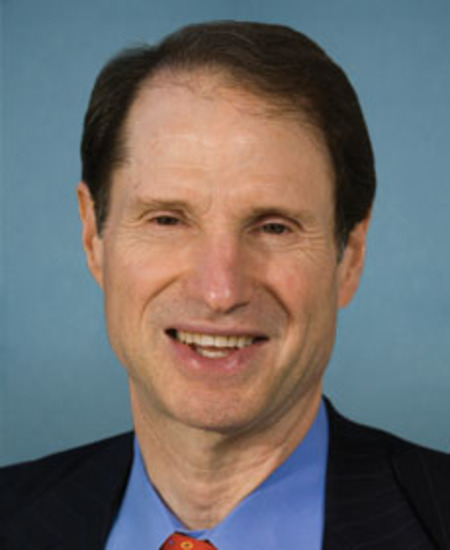
Ron Wyden
Ron Wyden Senate
D
Support
78% 27
Alex Padilla
Alex Padilla Senate
D
Support
77% 26
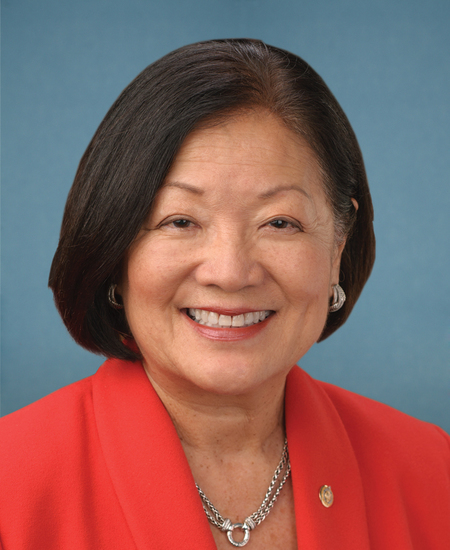
Mazie K. Hirono
Mazie K. Hirono Senate
D
Support
74% 27
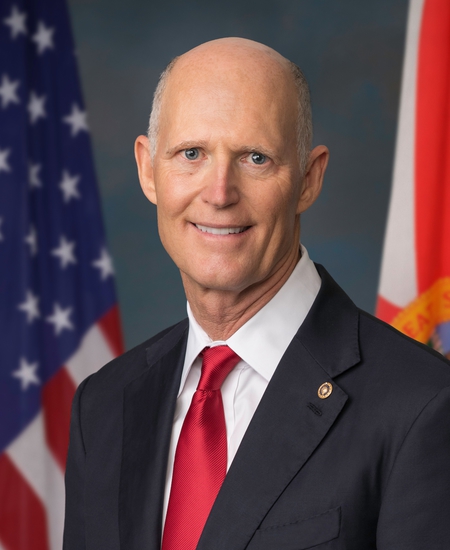
Rick Scott
Rick Scott Senate
R
Strong −
19% 27
Ashley Moody
Ashley Moody Senate
R
Oppose
22% 27
Rand Paul
Rand Paul Senate
R
Oppose
22% 27
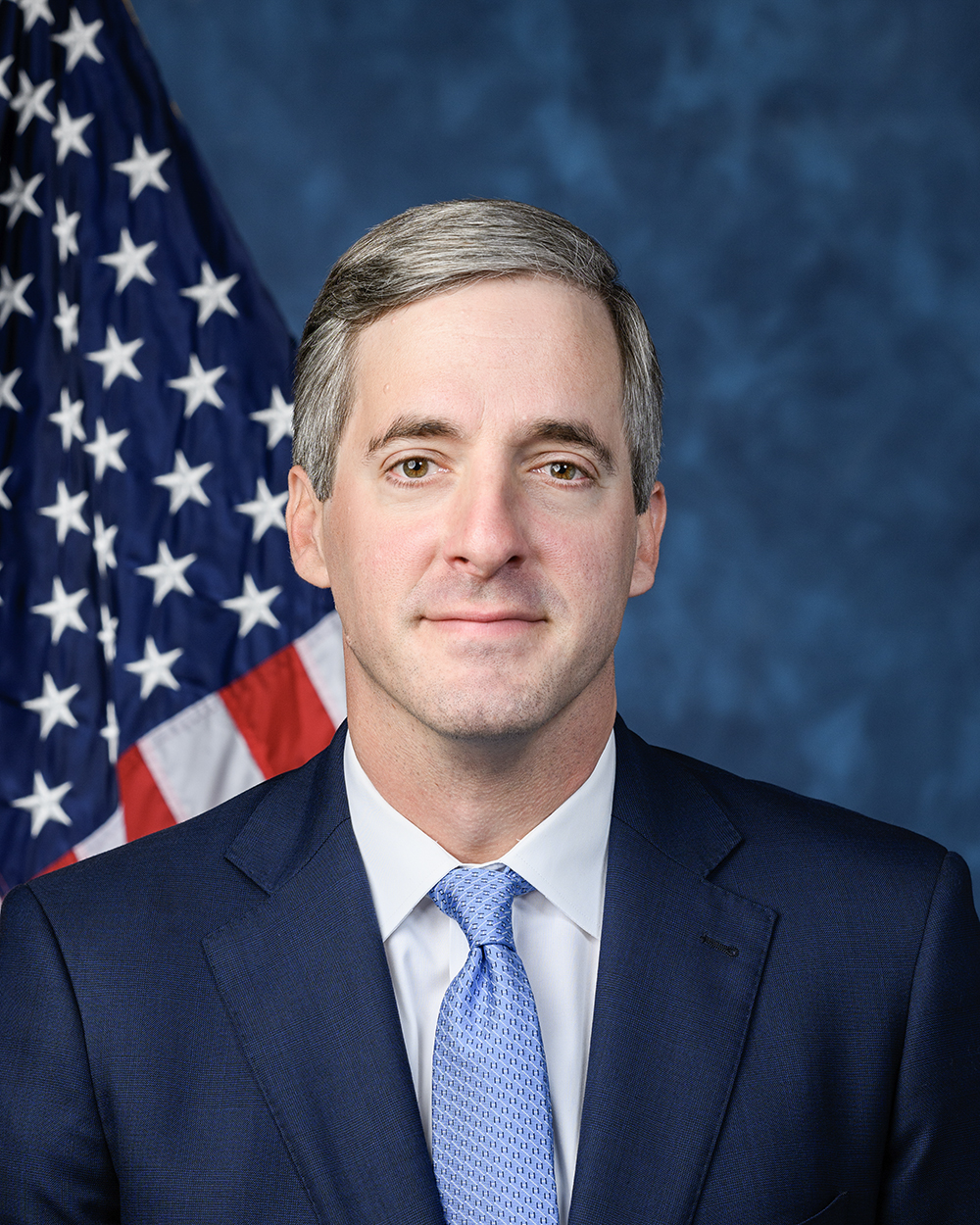
Brad Knott
Brad Knott House · District 13
R
Oppose
28% 18
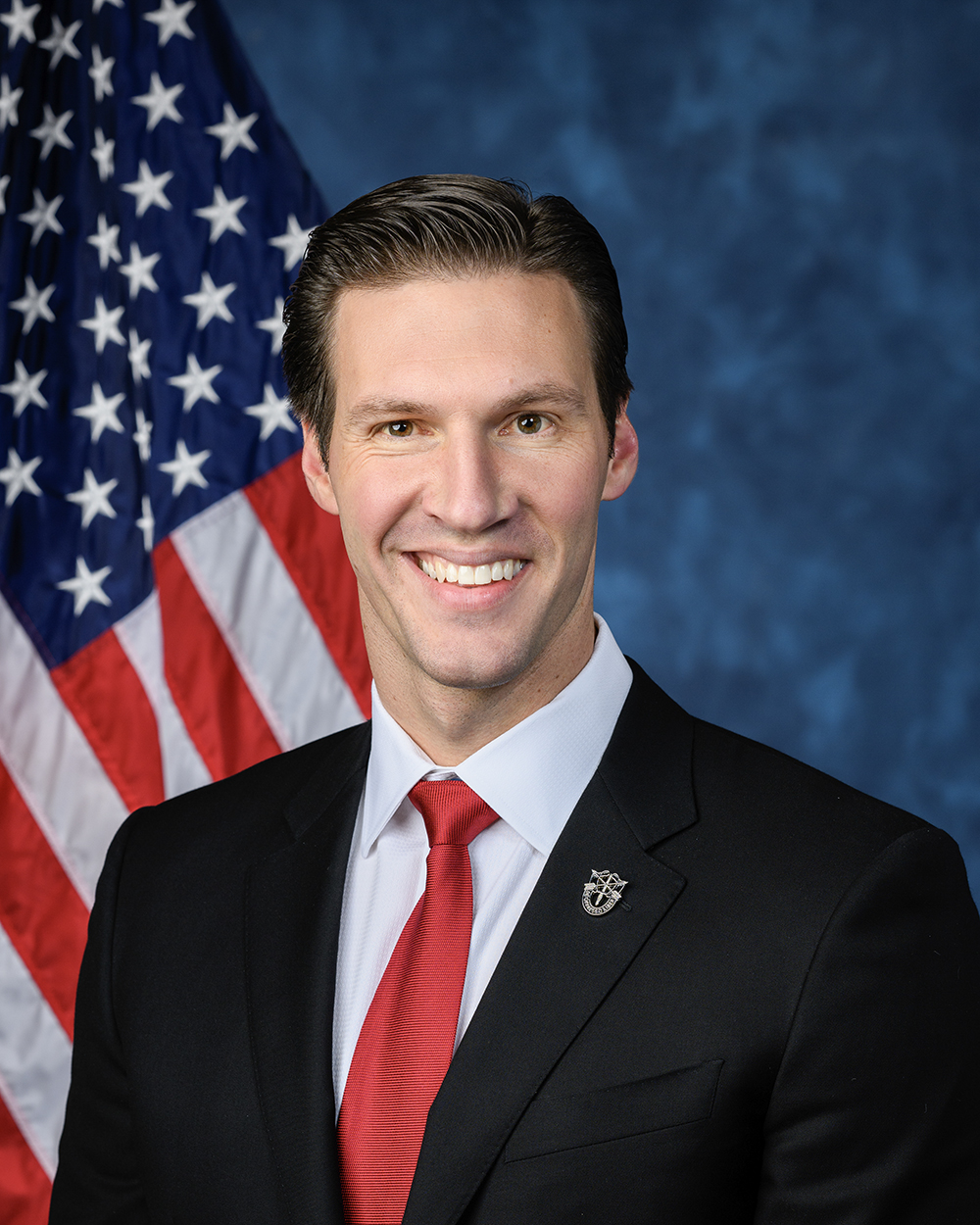
Pat Harrigan
Pat Harrigan House · District 10
R
Oppose
28% 18
Showing 2,271–2,280 of 3,150 bills

All healthcare bills

in committee · United States · House May 23, 2025

HR 3595: Safe Prescribing Through Reporting Act of 2025

HR 3595, the Safe Prescribing Through Reporting Act of 2025, requires healthcare providers to share certain records about prescribing or dispensing medications for substance use disorder with state prescription drug monitoring programs (PDMPs), but only when state law already mandates such reporting. This bill does not create new reporting requirements but ensures federal law aligns with existing state rules. It directly affects healthcare providers (like doctors and pharmacists) who prescribe or dispense medications for addiction treatment, as they must comply with their state's PDMP reporting rules. The key provision amends federal law to clarify that such disclosures are permissible under applicable state law.
in committee · United States · House Apr 10, 2025

HR 2892: Hospital Adoption Education Act of 2025

The Hospital Adoption Education Act of 2025 requires the Secretary of Health and Human Services to develop and distribute accessible adoption education resources for healthcare workers in hospitals and birthing centers. It mandates professional development training for care providers on sensitive adoption interactions, including digital and print materials, and establishes a committee of adoption experts to create these resources. The bill directly affects healthcare staff (like nurses and case managers) who interact with prospective birth mothers and adoptive families, aiming to improve their understanding of adoption. It authorizes $5 million (2026-2029) for implementation and requires a 3-year evaluation to track hospitals adopting the training and care providers receiving education.
Sub-Topics Hospitals
in committee · United States · House Jan 28, 2025

HR 810: Personalized Care Act of 2025

HR 810, the Personalized Care Act of 2025, expands Health Savings Account (HSA) eligibility and benefits. It broadens who qualifies for HSAs to include individuals covered by more health plans (like Medicaid, Medicare, TRICARE) and health care sharing ministries (section 2). The bill also increases annual HSA contribution limits (to $10,800 for individuals and $29,500 for families) and reduces penalties for non-qualified distributions (section 3, section 7). Additionally, it allows periodic fees paid to physicians for defined medical services and health care sharing ministry fees to be treated as deductible medical expenses (sections 5, 8-9). These changes apply to taxable years beginning after December 31, 2024.
in committee · United States · Senate May 6, 2025

S 1611: Youth Substance Use Prevention and Awareness Act

S 1611 expands a federal grant program to fund research-based public service announcement (PSA) campaigns targeting youth substance use prevention. The bill adds a new grant category allowing funding for TV, radio, digital, and youth-submitted PSA contests using age-appropriate materials. Grantees (like schools or community groups) must report annually on campaign details, research used, regional messaging, alignment with other prevention efforts, and campaign effectiveness in reducing youth drug use. The Attorney General oversees this program and publishes annual reports on all funded campaigns.
Sub-Topics Substance Abuse
in committee · United States · Senate Mar 11, 2025

S 951: Stop Comstock Act

S 951, the "Stop Comstock Act," amends federal obscenity laws to remove outdated and restrictive language. It deletes terms like "indecent" and "immoral" from Title 18 (e.g., Sections 552, 1461, 1462) and the Tariff Act, which were historically used to block access to reproductive health materials. The bill directly affects how federal law defines "obscene" materials, eliminating references to abortion, contraception, or "immoral use" that could be misapplied to restrict lawful medical information. This is a technical legal update to clarify that federal obscenity laws do not cover protected reproductive health content.
Sub-Topics Women's Health
in committee · United States · Senate Mar 13, 2025

S 1062: Suicide Prevention Act

This bill establishes a federal program to improve suicide prevention through data collection and emergency department services. It requires public health departments to collect and share real-time, disaggregated data on self-harm behaviors (including intent categories like suicidal ideation or non-suicidal self-harm) with the CDC for tracking, prevention planning, and research. Hospital emergency departments receiving grants must implement protocols for screening patients for self-harm/suicide risk, providing short-term prevention services, and connecting patients to long-term care after discharge. The bill authorizes $30 million annually from 2026-2030 for these surveillance and ER grant programs, with priority for areas experiencing higher rates of self-harm or lacking mental health services.
in committee · United States · House Jun 10, 2025

HR 3890: Resident Physician Shortage Reduction Act of 2025

The Resident Physician Shortage Reduction Act of 2025 would add 2,000 new residency positions annually from 2026 through 2032 (14,000 total), distributed to hospitals that meet specific criteria. The bill prioritizes distribution to rural hospitals, hospitals serving health professional shortage areas, and hospitals with accredited rural training tracks, while requiring hospitals to train at least 25% of residents in primary care and general surgery. Hospitals can receive up to 75 additional residency positions over the 7-year period, and the legislation also creates a new program to fund rural residency programs with $12.7 million annually from 2026-2030. The bill directly affects hospitals participating in medical residency training programs, particularly those in underserved areas seeking to expand their training capacity. It also includes provisions for a study on increasing diversity in the health workforce and technical assistance for rural residency programs.
in committee · United States · House Mar 10, 2025

HR 2015: GIFT Act of 2025

The GIFT Act of 2025 prohibits hospitals, critical access hospitals, and rural emergency hospitals from considering a patient's vaccination status when determining organ transplant recipients. This law directly affects organ transplant candidates and healthcare facilities by requiring that recipient selection be based solely on medical criteria, not vaccination history. The bill amends the Social Security Act to add a new provision explicitly banning the use of vaccination status in transplant decisions. This policy change ensures that access to life-saving organ transplants is not influenced by vaccination records.
Sub-Topics Medicare Public Health
in committee · United States · House Feb 11, 2026

HR 1742: Access to Reproductive Care for Servicemembers Act

This bill requires the military to approve leave for abortion and fertility care without commanders needing to know the specific procedure. It mandates reimbursement for travel, lodging, meals, and transportation costs when care isn't available nearby, and prohibits punishment for using this leave. It directly affects active-duty service members and their dependents who face barriers to reproductive care due to military restrictions or location. The policy change removes command discretion in approving leave for time-sensitive reproductive health services.
Sub-Topics Women's Health
in committee · United States · House Mar 11, 2025

HR 2075: Protecting Life and Integrity in Research Act of 2025

This bill prohibits federal funding, support, or approval for research using human fetal tissue obtained from induced abortions. It allows research on tissue from miscarriages (under 20 weeks) or stillbirths (20+ weeks) under existing Public Health Service Act rules, and permits development of new cell lines for vaccines or genetic vectors if not derived from abortion tissue. The bill amends the Public Health Service Act to restrict federal research to tissue from miscarriages or stillbirths and clarifies definitions for terms like "miscarriage" and "stillbirth." It directly affects federal agencies like the NIH and researchers relying on federal grants for biomedical studies.
Showing 2,271 to 2,280 of 3,150 bills