Issue · Healthcare

Healthcare

Every healthcare bill, vote, and legislator stance in United States, automatically classified by Maddy, our AI policy reader.

Total bills
3,118
119th Congress
Top supporter
Alan Armstrong
83% support rate
Top opponent
Ashley Moody
20% support rate
Ranked legislators
10
5 support · 5 oppose
Key legislators

Who's moving healthcare in United States

Legislators moving healthcare in United States
Legislator Party Stance Support rate Decisive votes
AA
Alan Armstrong Senate
R
Strong +
83% 6
Mazie K. Hirono
Mazie K. Hirono Senate
D
Strong +
80% 20
Peter Welch
Peter Welch Senate
D
Strong +
80% 20
Ron Wyden
Ron Wyden Senate
D
Strong +
80% 20
Alex Padilla
Alex Padilla Senate
D
Support
74% 19
Ashley Moody
Ashley Moody Senate
R
Strong −
20% 20
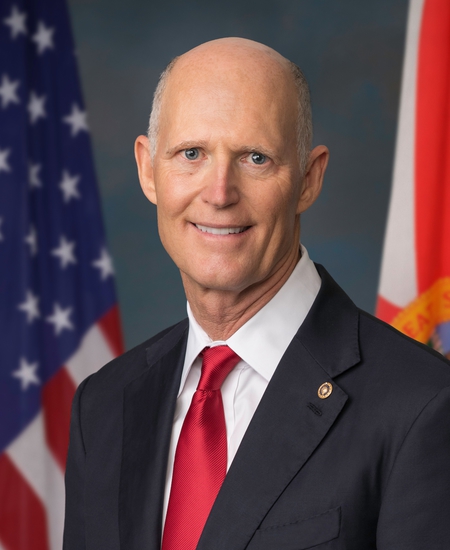
Rick Scott
Rick Scott Senate
R
Strong −
20% 20
Rand Paul
Rand Paul Senate
R
Oppose
25% 20
Tommy Tuberville
Tommy Tuberville Senate
R
Oppose
26% 19
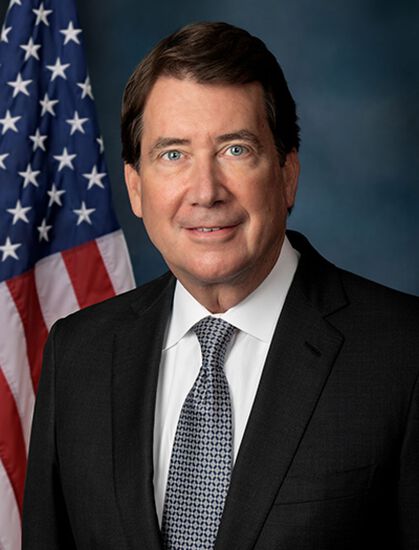
Bill Hagerty
Bill Hagerty Senate
R
Oppose
28% 18
Showing 211–220 of 3,118 bills

All healthcare bills

in committee · United States · House Jul 16, 2026

HR 9753: Fertility Cost Relief Act

The Fertility Cost Relief Act allows individuals to withdraw up to $20,000 from their retirement accounts to pay for fertility treatments without incurring the usual early withdrawal penalty. This provision directly affects people seeking assisted reproductive technologies, such as in vitro fertilization, egg or sperm preservation, and fertility medications, as well as their spouses or domestic partners. The bill defines eligible expenses broadly and sets a lifetime limit on penalty-free withdrawals, with the dollar amount adjusted for inflation after 2026. To use this benefit, the funds must be spent on qualifying treatments within one year of being withdrawn from an eligible retirement plan.
in committee · United States · Senate Jul 15, 2026

S 5004: Cancer Drug Parity Act of 2026

The Cancer Drug Parity Act of 2026 requires group health plans and insurance coverage to treat the cost-sharing for oral cancer medications no less favorably than that for intravenously administered cancer drugs. This rule applies to FDA-approved oral cancer treatments that a treating physician deems medically necessary and clinically appropriate, ensuring that deductibles, copayments, and coinsurance rates are not higher for oral options. The legislation also prohibits plans from making changes that would increase out-of-pocket costs or impose stricter limitations on oral cancer drugs compared to injected ones, while still allowing for standard utilization controls like prior authorization. Additionally, the bill mandates a Government Accountability Office study within two years to assess the impact of these changes on patient costs and access.
Sub-Topics Insurance
in committee · United States · House Jul 27, 2026

HR 9956: Seizure Safe Schools Act of 2026

The Seizure Safe Schools Act of 2026 directs the Secretary of Education to create guidance for elementary and secondary schools on how to ensure safety for students with epilepsy or other seizure disorders. This guidance, developed in cooperation with the Department of Health and Human Services, must be issued within six months of the bill's enactment and will outline steps for schools to support students through their existing Section 504 plans or Individualized Education Programs. The act also allows the Secretary of Education to update this guidance as needed in the future.
in committee · United States · House Jul 22, 2026

HR 9865: Timely Electronic Health Record Transfers for Transitioning Servicemembers Act of 2026

This bill requires the Secretary of Defense to report on how quickly military members receive their electronic health records when leaving active duty. The report must cover a one-year period and include data on average wait times, the longest delays experienced, and reasons for any hold-ups. Following this report, the Defense Secretary must create new standards to ensure these records are delivered within a reasonable timeframe, a period to be determined based on the findings and feedback from service members and veterans. The legislation directly affects transitioning servicemembers by aiming to improve the timeliness of their medical record transfers.
in committee · United States · House Jul 27, 2026

HR 9970: RESCUE Act of 2026

The RESCUE Act of 2026 updates how the federal government reimburses ground and air ambulance services by changing the payment schedule and data collection rules. Starting in 2028, the Secretary of Health and Human Services will adjust payment rates every three years based on new data regarding costs, labor, and uncompensated care, while years in between will see payments increase only by the standard inflation rate. The bill also requires air ambulance providers to submit cost information to the government at least once every three years, aligning this process with existing rules for ground ambulance services. Additionally, the law mandates a review by 2029 to gather expert recommendations on whether further changes are needed to ensure ambulance providers are paid appropriately. These changes directly affect ambulance companies and the federal programs that fund emergency medical transport.
Sub-Topics Hospitals
in committee · United States · Senate Jul 23, 2026

S 5112: Health Over Wealth Act

The Health Over Wealth Act requires for-profit corporations that own or invest in hospitals, nursing facilities, and other health care providers to submit detailed annual reports to the government regarding their financial status, debt levels, staffing changes, and political spending. To protect public access to care, the bill mandates that hospitals must provide at least 90 days of notice before closing or discontinuing essential services and must submit a mitigation plan to ensure patients and staff are not left without support. Additionally, the legislation establishes a new licensing system for private equity firms investing in health care, gives the government authority to block risky mergers or acquisitions, and changes bankruptcy laws to prioritize the repayment of employee pension liabilities over other debts.
Sub-Topics Hospitals
in committee · United States · Senate Jul 22, 2026

S 5070: MAIL Act

The MAIL Act allows unhoused or housing-unstable individuals with low incomes who receive specific federal assistance to rent free post office boxes. To qualify, eligible people must submit proof of their status, such as enrollment in Medicaid or participation in food assistance programs, to their local postmaster. The law requires the United States Postal Service to issue regulations for this program within a year and authorizes the agency to buy and maintain the necessary boxes. To cover the cost of lost rental fees and the expense of providing these boxes, the bill directs Congress to appropriate funds to the Postal Service annually. The Postmaster General must also submit an implementation plan within six months and provide progress reports every five years to Congress.
in committee · United States · House Jul 27, 2026

HR 9949: Safe Baby Formula Act of 2026

The Safe Baby Formula Act of 2026 directs the Department of Health and Human Services to study the health effects of arsenic, cadmium, mercury, and lead in infant formula within one year of passing. Following this study, the agency must set specific safety limits for these toxic metals in formula products within 90 days. When establishing these limits, the law requires the department to consider how easy it is to meet the standards, its ability to enforce rules on imported goods, and the potential impact on food security. This legislation directly affects infant formula manufacturers and regulators by mandating the creation of evidence-based safety standards for heavy metals.
in committee · United States · House Jul 16, 2026

HR 9751: Consumer Appeal Rights Enforcement Act

The Consumer Appeal Rights Enforcement Act strengthens rules for employee benefit plans by allowing the Department of Labor to impose fines on entities that fail to follow claims procedures or external review requirements. It defines violations as either global failures to have compliant processes or individual instances where plans do not provide proper notices, timely decisions, or requested information to participants. Penalties range from $1,000 per participant for global violations to $1,000 per day for individual violations, with options to triple these amounts if issues are not corrected within specific timeframes. The bill also repeals a previous provision that allowed private lawsuits for certain procedural violations, shifting enforcement authority to the Secretary of Labor.
in committee · United States · House Jul 22, 2026

HR 9831: Medicaid Dental Benefit Act of 2026

The Medicaid Dental Benefit Act of 2026 mandates that Medicaid programs cover a range of dental and oral health services for adults starting in 2027, including dentures, implants, and treatments for pain and emergencies. To help states afford this expansion, the bill provides 100 percent federal funding for these specific services for a 12-quarter period beginning in 2027, while allowing states the option to add extra dental benefits if they choose. In addition to expanding coverage, the legislation requires the federal government to develop standardized quality measures to track adult oral health outcomes and report on disparities based on race, ethnicity, and other demographics. The bill also directs the creation of an outreach program to help eligible adults find care and establishes a timeline for a comprehensive report on access barriers and reimbursement issues.
Sub-Topics Medicaid
Showing 211 to 220 of 3,118 bills
Previous 1 21 22 23 312 Next