Issue · Healthcare

Healthcare

Every healthcare bill, vote, and legislator stance in United States, automatically classified by Maddy, our AI policy reader.

Total bills
3,150
119th Congress
Top supporter
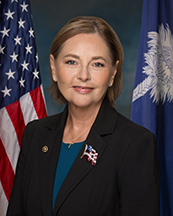
Darline Graham
82% support rate
Top opponent
Rick Scott
19% support rate
Ranked legislators
10
5 support · 5 oppose
Key legislators

Who's moving healthcare in United States

Legislators moving healthcare in United States
Legislator Party Stance Support rate Decisive votes
Darline Graham
Darline Graham Senate
R
Strong +
82% 11
Peter Welch
Peter Welch Senate
D
Strong +
81% 27
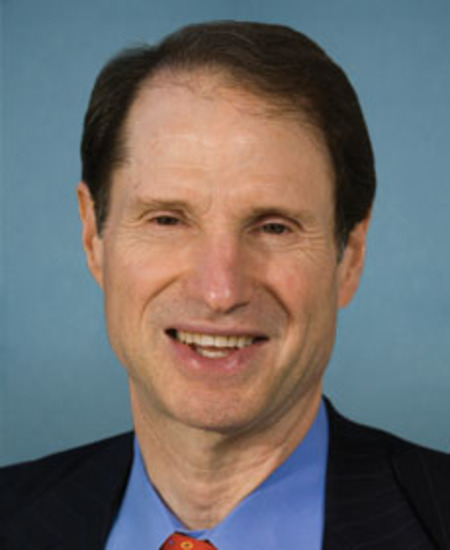
Ron Wyden
Ron Wyden Senate
D
Support
78% 27
Alex Padilla
Alex Padilla Senate
D
Support
77% 26
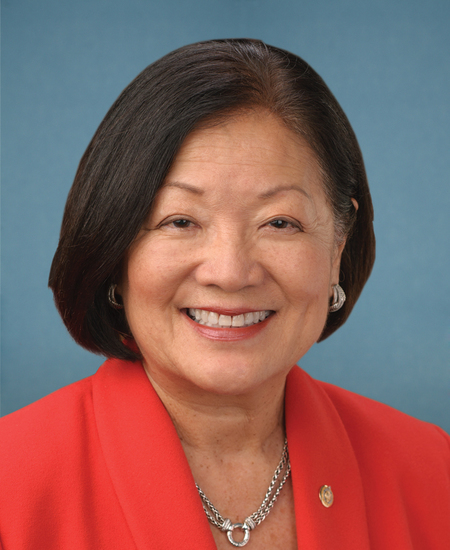
Mazie K. Hirono
Mazie K. Hirono Senate
D
Support
74% 27
Rick Scott
Rick Scott Senate
R
Strong −
19% 27
Ashley Moody
Ashley Moody Senate
R
Oppose
22% 27
Rand Paul
Rand Paul Senate
R
Oppose
22% 27
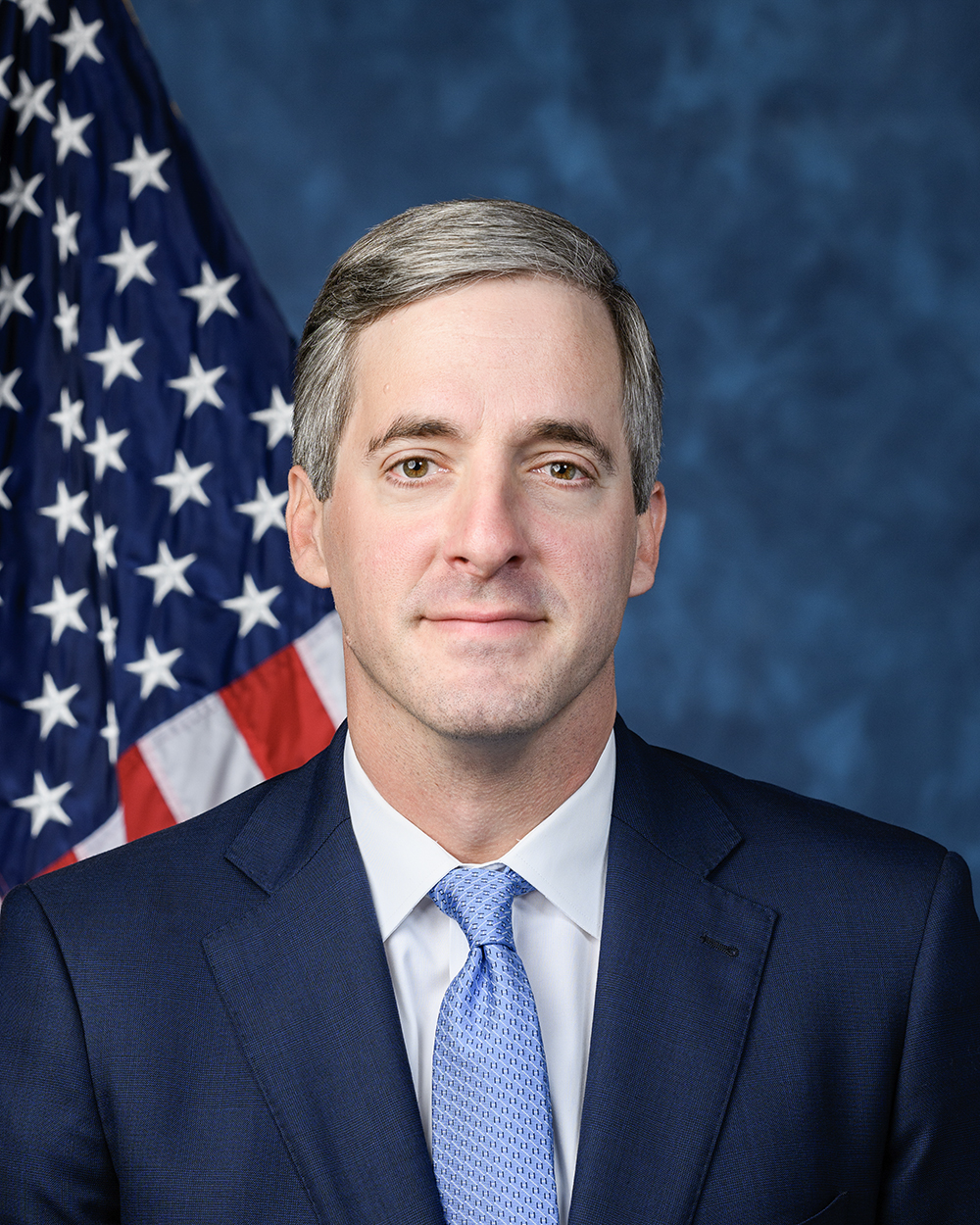
Brad Knott
Brad Knott House · District 13
R
Oppose
28% 18
Pat Harrigan
Pat Harrigan House · District 10
R
Oppose
28% 18
Showing 2,181–2,190 of 3,150 bills

All healthcare bills

in committee · United States · House Feb 13, 2025

HR 1303: Protecting America’s Seniors’ Access to Care Act

HR 1303, the Protecting America’s Seniors’ Access to Care Act, would block the federal government from enforcing a 2024 rule requiring nursing homes to meet minimum staffing standards and mandating Medicaid programs to report payment transparency details. This bill directly affects long-term care facilities and Medicaid programs by preventing the implementation of these specific requirements. The legislation prohibits the Secretary of Health and Human Services from carrying out the rule published on May 10, 2024, which was designed to improve care quality and accountability in senior healthcare. It stops the rule from taking effect without creating new policies or regulations.
in committee · United States · Senate Jul 30, 2025

S 879: Veteran Caregiver Reeducation, Reemployment, and Retirement Act

This bill, S 879 (Veteran Caregiver Reeducation, Reemployment, and Retirement Act), supports family caregivers who provide personal care for veterans. It extends medical coverage for 180 days after a caregiver stops providing services (unless dismissed for misconduct), provides up to $1,000 for certification fees, free training modules, and access to employment programs like Military OneSource, and adds bereavement counseling after a veteran's death. The bill also requires studies on returnship programs for caregivers returning to work and barriers to hiring former caregivers at VA facilities. It mandates reports to Congress on retirement savings options and VA efforts to assist caregivers transitioning out of caregiving roles.
in committee · United States · Senate Apr 10, 2025

SRES 171: A resolution supporting the goals and ideals of "National Youth HIV/AIDS Awareness Day".

SRES 171 is a symbolic Senate resolution supporting National Youth HIV/AIDS Awareness Day. It encourages state/local governments, schools, and media to recognize the day and promotes access to inclusive HIV education, prevention services (like PrEP), and youth-friendly healthcare without parental consent. The resolution also calls for removing outdated HIV criminalization laws and increasing funding for programs serving youth impacted by HIV, but it does not create new laws or allocate funds. It directly aims to raise awareness and reduce stigma affecting young people, particularly African-American youth and young gay/bisexual men disproportionately impacted by HIV.
in committee · United States · Senate Mar 6, 2025

S 891: Bipartisan Health Care Act

This document appears to be a comprehensive legislative bill, likely titled the "Pandemic and All-Hazards Preparedness and Response Act" or a similar public health bill. It contains numerous sections (numbered 201-625) with detailed provisions covering: 1. **Public Health Emergency Preparedness** - Sections 611-617 focus on strengthening state/local readiness, hospital preparedness, wastewater surveillance, and medical stockpiles. 2. **Opioid Crisis Response** - Sections 521-522, 531-539 address opioid prevention, treatment, recovery, and workforce development. 3. **Mental Health and Substance Use Disorder** - Sections 531-539 include grants for treatment, peer support, and workforce development. 4. **Suicide Prevention** - Section 518 focuses on protecting the National Suicide Prevention Lifeline from cybersecurity threats. 5. **Public Health Infrastructure** - Sections 621-625 cover medical countermeasures, antimicrobial resistance, and strategic stockpile management. 6. **Technical Corrections** - Sections 551-554 include technical amendments to controlled substances laws. The bill contains numerous funding authorizations (e.g., $735 million for Public Health Emergency Preparedness for fiscal years 2025-2026), reauthorizations of existing programs, and new initiatives aimed at strengthening the U.S. public health response system to both infectious disease threats and the opioid crisis. Without a specific question about this document, I've provided a general overview of its content and scope. If you have a specific question about any section or provision, please let me know.
in committee · United States · House Jan 30, 2026

HR 7289: Community Health Workforce Development Act

The Community Health Workforce Development Act establishes a 15-member Advisory Committee to advise the Secretary of Health and Human Services on training programs for health professionals working in community health centers. The committee must include at least 75% health professionals, one community health center patient, and balanced representation across health professions, geography, and urban/rural areas. It will develop performance measures and guidelines for training programs, meet at least twice yearly, and submit annual reports to Congress with findings and funding recommendations. This bill creates a new advisory structure but does not change existing funding or regulations for community health centers.
in committee · United States · House Sep 16, 2026

HR 6130: ASAP Act

This bill would require Medicare to cover early detection screening tests for Alzheimer's disease and related dementias starting January 1, 2028. It defines eligible tests as FDA-cleared genomic blood tests, blood product analyses, or equivalent medical imaging methods (like protein expression or whole genome sequencing) that detect pre-symptomatic or early-stage conditions. Medicare beneficiaries would receive this coverage without cost-sharing for these specific screenings. The bill amends Medicare coverage rules to explicitly include these tests under Section 1861(nnn) of the Social Security Act.
Sub-Topics Medicare
in committee · United States · Senate Feb 27, 2025

S 793: A bill to amend the Commander John Scott Hannon Veterans Mental Health Care Improvement Act of 2019 to modify and reauthorize the Staff Sergeant Parker Gordon Fox Suicide Prevention Grant Program of the Department of Veterans Affairs.

S 793 amends the Staff Sergeant Parker Gordon Fox Suicide Prevention Grant Program under the 2019 Veterans Mental Health Act to better support veterans' suicide prevention efforts. Key changes include increasing the maximum grant amount from $750,000 to $1.25 million, extending the program’s funding period through fiscal year 2028 with $285 million allocated (up from $174 million), and requiring the VA to establish new metrics for program evaluation. The bill also removes specific references to the "President’s Roadmap" task force, allowing the VA Secretary more flexibility in program oversight, and mandates annual briefings for nearby VA medical centers to improve coordination with grantees. These changes directly affect veterans' mental health programs receiving VA grants and aim to enhance program accountability and effectiveness.
in committee · United States · House May 23, 2025

HR 3603: Andrew Kearse Accountability for Denial of Medical Care Act of 2025

HR 3603, the Andrew Kearse Accountability for Denial of Medical Care Act of 2025, requires federal law enforcement officers, Bureau of Prisons staff, and U.S. Marshals Service personnel to provide immediate medical care when someone in federal custody shows medical distress (like breathing difficulties). It makes it a crime for these officials to negligently fail to act, punishable by fines, up to one year in prison, or both. The bill mandates agency inspector general investigations for such failures resulting in harm, requires staff training on medical assistance, and allows state attorneys general to pursue civil legal remedies for affected residents. This directly affects federal custody staff and aims to prevent avoidable harm through enforceable medical response standards.
in committee · United States · House Feb 27, 2025

HR 1715: Public Health Funding Restoration Act

HR 1715, the Public Health Funding Restoration Act, restores annual funding for the Prevention and Public Health Fund to $2 billion starting in fiscal year 2026. This bill directly affects federal public health programs, including the CDC’s immunization initiatives and state/local health departments, by reversing prior funding cuts. It amends the Affordable Care Act to set the annual funding level at $2 billion, enabling continued support for evidence-based prevention programs like childhood lead poisoning prevention, tobacco cessation, and immunizations. The restored funding aims to maintain existing programs proven to reduce healthcare costs and improve community health outcomes. This change specifically targets the Prevention and Public Health Fund (Section 4002 of the ACA) without creating new programs.
Sub-Topics Public Health
Showing 2,181 to 2,190 of 3,150 bills